Beyond Prediction: How AlphaFold2 is Revolutionizing Rational Protein Engineering and Design
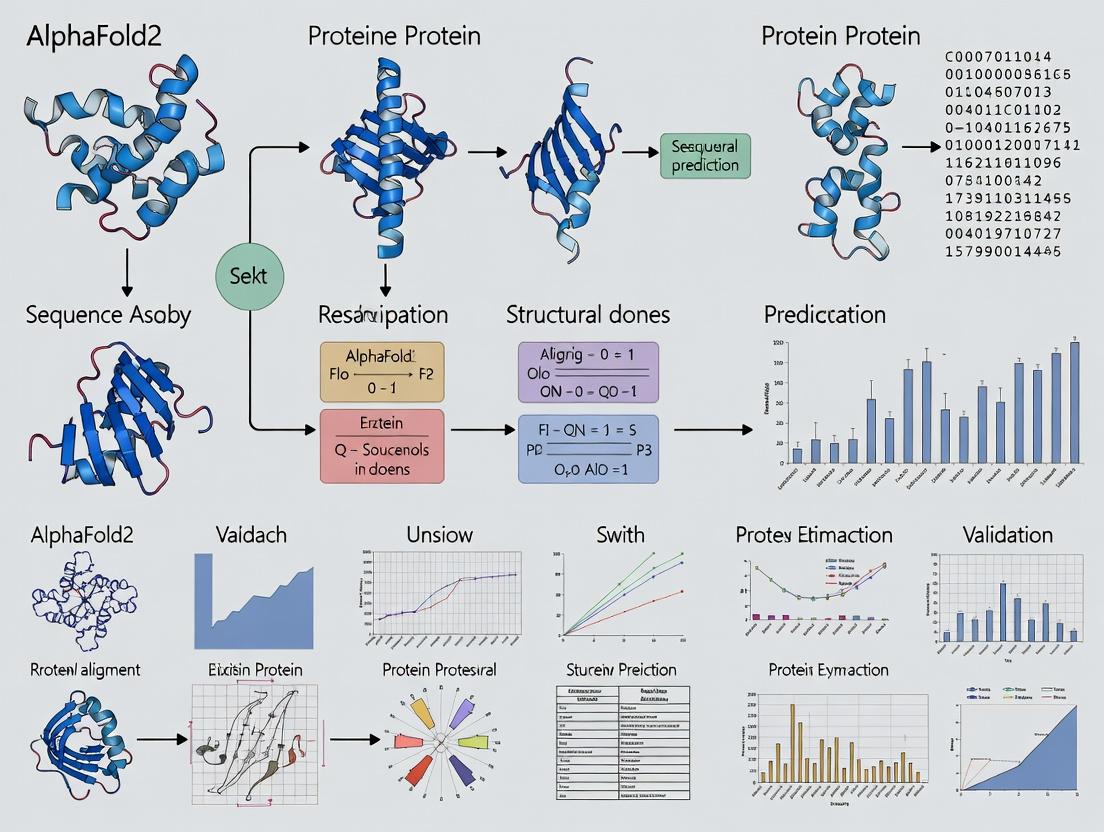
This article provides a comprehensive guide for researchers and biotech professionals on leveraging AlphaFold2 for rational protein engineering.
Beyond Prediction: How AlphaFold2 is Revolutionizing Rational Protein Engineering and Design
Abstract
This article provides a comprehensive guide for researchers and biotech professionals on leveraging AlphaFold2 for rational protein engineering. We explore the foundational shift from pure structure prediction to active design, detailing practical methodologies for stability, binding, and activity optimization. The guide addresses common challenges and optimization strategies for working with complex systems, and validates the approach through comparative analysis with experimental data and alternative computational tools. Finally, we synthesize key insights and forecast the transformative impact of these integrated computational-experimental pipelines on drug discovery, enzyme design, and therapeutic development.
From Structure Solver to Design Engine: AlphaFold2's Foundational Role in Protein Science
Within the broader thesis that AlphaFold2 (AF2) represents a foundational shift in rational protein engineering and drug design, understanding its core architecture is paramount. AF2 is not merely a prediction tool but a generative model that learns the physical and evolutionary constraints governing protein folding. This document details the application notes and protocols for leveraging the Evoformer and Structure Module, the twin engines of AF2, to drive research in computational protein design and therapeutic development.
Core Architecture: Evoformer
The Evoformer is a novel neural network module that operates on a set of multiple sequence alignment (MSA) representations and pairwise residue features. It performs iterative, attention-based refinement to build a rich, context-aware understanding of evolutionary and co-evolutionary relationships.
Key Operations & Quantitative Data
The Evoformer stack consists of 48 identical blocks. Each block applies two core types of attention:
Table 1: Evoformer Block Core Attention Mechanisms
| Attention Type | Input | Operation | Key Function |
|---|---|---|---|
| MSA Column-wise (Global) | MSA Representation (Nseq x Nres x c_m) | Attention across rows (sequences) for a single column (residue). | Integrates information across homologous sequences for a given residue position. |
| MSA Row-wise (Local) | MSA Representation | Attention across columns (residues) for a single row (sequence). | Models interactions between residues within a single sequence. |
| Triangle Multiplicative Update (Outgoing) | Pair Representation (Nres x Nres x c_z) | a_i_j = sum_k(a_i_k * a_k_j) style update. |
Infers residue-residue interactions via a learned geometric mean. |
| Triangle Multiplicative Update (Incoming) | Pair Representation | a_i_j = sum_k(a_k_i * a_k_j) style update. |
Infers residue-residue interactions from complementary perspective. |
| Triangle Self-Attention | Pair Representation | Symmetry-aware attention over pairs. | Directly refines the pairwise distance and interaction potential. |
Experimental Protocol: Extracting Co-evolutionary Signals
Protocol Title: Generating and Interpreting Evoformer Pairwise Outputs for Contact Prediction.
Objective: To use the Evoformer's refined pair representation (pair) to predict residue-residue contacts and guide protein engineering decisions.
Materials & Software:
- Pre-trained AlphaFold2 model (e.g., via ColabFold, OpenFold implementation).
- Input: Multiple Sequence Alignment (MSA) for target protein (e.g., from JackHMMER/MMseqs2).
- Template structures (optional).
- Computing environment (GPU recommended).
Procedure:
- Input Preparation: Generate an MSA for your protein target of interest. Format inputs according to AF2 specifications (MSA features, template features, etc.).
- Model Inference: Run the initial phases of the AF2 model through the full 48-block Evoformer stack to obtain the final refined
msaandpairrepresentations. - Signal Extraction: Isolate the
pairrepresentation tensor (shape: Nres x Nres x cz). The cz channel dimension contains learned features of residue-pair relationships. - Contact Map Prediction: Apply a simple projection (e.g., a 2-layer perceptron) on the
pairfeatures to predict a binary contact map. Alternatively, analyze the distance bin predictions directly from the "distogram" head often attached to the pair representation. - Validation: Compare predicted top-L long-range contacts (sequence separation >24) against the native structure (if available) to calculate precision. Precision >80% often indicates high-confidence co-evolutionary signals.
- Engineering Application: Identify high-confidence predicted contacts. In protein design, these pairs should be considered as critical constraints. For mutagenesis studies, avoid breaking these high-probability interactions.
Core Architecture: Structure Module
The Structure Module is a SE(3)-equivariant transformer that translates the abstract pairwise relationships from the Evoformer into explicit 3D atomic coordinates (backbone and side-chains).
Key Operations & Iterative Refinement
The module operates on a set of "frames" (oriented backbone fragments) and atom positions, iteratively refining them over 8 cycles.
Table 2: Structure Module Iterative Refinement Cycle (Key Outputs)
| Refinement Cycle | Primary Input | Key Action | Output State |
|---|---|---|---|
| Initialization | Single representation from MSA. | Create initial backbone frames via affine transformations. | Coarse backbone geometry. |
| Cycle 1-4 | pair representation + current structure. |
Invariant Point Attention (IPA): Attend to atoms in 3D space using structure-biased attention. | Progressive folding of backbone. |
| Cycle 5-8 | pair + msa + current structure. |
Continued IPA + side-chain angle prediction. | High-resolution all-atom structure. |
| Final Output | -- | Compute predicted LDDT (pLDDT) per residue and predicted TM-score (pTM). | Confidence metrics and final atomic coordinates. |
Experimental Protocol: Structure-Based Protein Engineering
Protocol Title: Using the Structure Module for In Silico Saturation Mutagenesis and Stability Assessment.
Objective: To predict the structural consequences of point mutations and rank variants by stability.
Materials & Software:
- AF2 model with structure module.
- Wild-type protein sequence and (optional) structure.
- Library of mutant sequences.
- Scripting for batch inference.
Procedure:
- Baseline Prediction: Run the full AF2 pipeline (Evoformer + Structure Module) for the wild-type sequence. Record the final pLDDT score (global and per-residue) and the predicted structure.
- Mutant Generation: Create a list of mutant sequences, e.g., all possible single-point mutations at a specified binding site.
- Batch Mutant Prediction: For each mutant sequence:
- Re-use or recompute the MSA (recomputation is more accurate but costly).
- Run the AF2 pipeline. Crucially, the Evoformer will compute a new
pairrepresentation specific to the mutant's evolutionary context. - The Structure Module will then fold the mutant sequence based on this new context.
- Data Collection: For each mutant, extract:
- Predicted 3D coordinates.
- Global pLDDT and pTM scores.
- Per-residue pLDDT at and around the mutation site.
- Predicted Aligned Error (PAE) matrix.
- Analysis & Ranking:
- Stability Proxy: A significant drop in global pLDDT or local pLDDT suggests destabilization.
- Conformational Change: Significant changes in the PAE matrix, especially for long-range interactions, indicate potential allosteric effects or folding changes.
- Rank variants by high pLDDT and low PAE changes relative to wild-type to prioritize stable, properly folded designs for experimental testing.
Visualizing the AlphaFold2 Pipeline
Diagram Title: AlphaFold2 Core Architecture Data Flow
The Scientist's Toolkit: Key Research Reagents & Solutions
Table 3: Essential Tools for AlphaFold2-Based Research
| Item | Category | Function & Application in Research |
|---|---|---|
| JackHMMER / MMseqs2 | Software (Bioinformatics) | Generates the critical Multiple Sequence Alignment (MSA) input. MMseqs2 is faster for large-scale screens. |
| PDB70 Database | Database | Source of template structures for the template search pathway (often bypassed in de novo mode). |
| ColabFold | Software Package | Integrated, accessible pipeline combining fast MMseqs2 MSAs with optimized AF2/AlphaFold2-multimer inference. Essential for prototyping. |
| OpenFold | Software Framework | Trainable, open-source replica of AlphaFold2. Required for fine-tuning models on custom datasets or novel protein classes. |
| PyMOL / ChimeraX | Software (Visualization) | Visualize predicted structures, confidence metrics (pLDDT coloring), and compare mutants. |
| pLDDT Score | Analytical Metric | Per-residue confidence score (0-100). Residues with pLDDT >90 are high confidence, <50 are very low confidence (often disordered). |
| Predicted Aligned Error (PAE) | Analytical Metric | 2D matrix estimating positional error (Ångströms) between residues. Critical for assessing domain packing and model confidence. |
| AlphaFold2-multimer | Model Variant | Specialized model for predicting protein-protein complexes. Key for drug target and protein interaction research. |
| ProteinMPNN / RFdiffusion | Complementary Tool | De novo protein design tools that use AF2's principles or structure module for in silico validation of designed sequences. |
This application note frames AlphaFold2 (AF2) within a broader thesis: its evolution from a structure prediction tool to the core of a generative design platform for rational protein engineering. While AF2's initial release revolutionized the prediction of native protein structures from sequence, subsequent adaptations and integrations have enabled the in silico generation of novel, stable, and functional protein scaffolds, catalyzing a paradigm shift in research and therapeutic development.
Quantitative Performance Benchmarks: Predictive vs. Generative
The transition is quantified by comparing AF2's performance on native structure prediction versus its success in designing novel folds and binders.
Table 1: Benchmarking AF2's Predictive vs. Generative Performance
| Metric | Predictive Mode (Native Structures) | Generative/Design Mode (Novel Proteins) | Source/Study |
|---|---|---|---|
| Global Distance Test (GDT_TS) | Median >85 for single-chain proteins (CASP14) | ~65-80 for de novo designed oligomers | Jumper et al., 2021; Watson et al., 2023 |
| pLDDT (Predicted LDDT) | >90 (Very High) for well-defined regions | >80 (Confident) for stable de novo designs | AlphaFold2 DB; Design Publications |
| Design Success Rate (Experimental) | Not Applicable (Prediction) | ~10-20% (high stability), <5% (targeted function) for early efforts; rising with optimization | Various de novo design papers |
| Time per Structure (A100 GPU) | ~Minutes to hours (dependent on length) | ~Days (due to massive sequence search/sampling) | Industry White Papers |
Core Protocols: From Structure Prediction to Generative Design
Protocol 2.1: Standard AlphaFold2 for Structure Prediction
This is the foundational protocol for predicting the structure of a given amino acid sequence.
Materials & Software:
- Input: Amino acid sequence(s) in FASTA format.
- MSA Tools: MMseqs2 (standard local-colabfold), HMMER, or access to JackHMMER server.
- Template Search: HHSearch or HHblits against PDB70 database.
- Software: Local AlphaFold2/ColabFold installation or Google ColabFold notebook.
- Hardware: GPU (minimum 16GB VRAM for typical proteins).
Procedure:
- Sequence Input & Preparation: Provide target sequence in FASTA format. Define multimer state if applicable.
- Multiple Sequence Alignment (MSA) Generation: Run MMseqs2 against UniRef and environmental databases to generate paired MSAs. This step identifies evolutionary constraints.
- Template Search (Optional): Use HHSearch to find structural homologs in the PDB.
- Structure Inference: Feed MSA and template features into the pretrained AF2 neural network (Evoformer & Structure Module).
- Relaxation: Use Amber force field to refine the physical geometry of the predicted model.
- Output & Analysis: Generate predicted atomic coordinates (.pdb), per-residue pLDDT confidence scores, and predicted aligned error (PAE) plots for assessing confidence.
Protocol 2.2:De NovoProtein Design via AF2-Guided Sequence Optimization
This protocol outlines the "hallucination" or "inpainting" approach for generating novel, stable protein sequences that fold into desired structures.
Materials & Software:
- Seed: A target structure (can be a simple motif, partial backbone, or random coil).
- Software: Modified AF2 pipeline (e.g., using ProteinMPNN for sequence design) or integrated platforms like RFdiffusion/AF2.
- Sequence Design Model: ProteinMPNN or AF2's internal sequence optimization loop.
- Filtering & Scoring Scripts: Custom scripts to select designs based on pLDDT, PAE, and structural metrics.
Procedure:
- Define Scaffold & Constraints: Specify a target fold, secondary structure layout, or symmetry (e.g., ring, barrel). Fix coordinates for any critical functional motifs ("inpainting").
- Initial Sequence Sampling: Generate a large pool (10,000-1,000,000) of random or ProteinMPNN-designed sequences for the scaffold.
- AF2 Forward Folding: Predict structures for all candidate sequences using Protocol 2.1 (often in a batched, high-throughput manner).
- Design Scoring & Filtering: Calculate metrics (pLDDT, RMSD to target scaffold, surface hydrophobicity, secondary structure compliance) for each prediction. Rank designs.
- Iterative Refinement: Take top-ranking sequences, use them as seeds for further sequence design cycles (steps 2-4) to optimize stability and confidence.
- Experimental Validation: Express, purify, and characterize top designs via circular dichroism, thermal denaturation, and X-ray crystallography/cryo-EM.
Visualization of the Generative Design Workflow
Title: AF2 Generative Protein Design Iterative Workflow
Key Signaling & Optimization Pathways in Protein Design
Diagram: Integration of AF2 with Complementary AI Tools for Binder Design
Title: AI Tool Integration for De Novo Binder Design
The Scientist's Toolkit: Essential Research Reagents & Solutions
Table 2: Key Reagents & Computational Tools for AF2-Driven Protein Design
| Item Name | Category | Function in Workflow |
|---|---|---|
| AlphaFold2/ColabFold | Core Software | Provides the foundational structure prediction neural network for both analysis and forward-folding in design. |
| ProteinMPNN | Sequence Design Model | A fast, inverse-folding neural network that generates optimal sequences for a given backbone, vastly superior to random sampling. |
| RFdiffusion | Generative Backbone Model | A diffusion model trained on protein structures that generates novel backbone scaffolds conditioned on user constraints (symmetry, shape, motif inclusion). |
| pLDDT & PAE Metrics | Validation Metrics | AF2's internal confidence measures. High pLDDT (>80) and self-consistent PAE (low inter-domain error) are primary filters for stable designs. |
| MMseqs2 Suite | Bioinformatics Tool | Rapid, sensitive tool for generating the multiple sequence alignments (MSAs) that are critical input features for AF2's accuracy. |
| PyRosetta/AlphaFold2 API | Programming Interface | Allows custom scripting to automate the sampling, prediction, and scoring cycles of the generative design loop. |
| NVIDIA A100/A800 GPU | Hardware | Essential for high-throughput inference, reducing the time per AF2 prediction and enabling large-scale design searches. |
| UniRef90 & BFD Databases | Sequence Databases | Large, clustered sequence databases used for MSA generation, providing the evolutionary information AF2 requires. |
| PDB70 Database | Structure Database | Clustered database of known protein structures used for optional template-based refinement in AF2. |
Application Notes AlphaFold2 (AF2) has revolutionized structural biology, but its utility in rational protein engineering and design extends far beyond the static coordinates in a Protein Data Bank (PDB) file. The confidence metrics provided by AF2 are critical for assessing model reliability and guiding engineering strategies. This document details the interpretation and application of these metrics within a protein engineering thesis framework.
1. Key Confidence Metrics: Interpretation & Quantitative Ranges The primary metrics are per-residue confidence (pLDDT) and pairwise accuracy (PAE). Their interpretation for engineering decisions is summarized below.
Table 1: Interpretation of AlphaFold2 pLDDT Scores
| pLDDT Range | Confidence Level | Structural Interpretation | Engineering Implication |
|---|---|---|---|
| 90-100 | Very high | Backbone atom prediction is highly accurate. Side chains are reliable. | Ideal for detailed design: catalytic site engineering, precise ligand docking. |
| 70-90 | Confident | Backbone is generally accurate. Side-chain conformations may vary. | Suitable for mutagenesis targeting, analyzing binding interfaces. |
| 50-70 | Low | Caution required. Backbone may have errors. Often loops or disordered regions. | Prioritize for stabilization or experimental validation (e.g., crystallization). |
| 0-50 | Very low | Unstructured/disordered. No reliable positional information. | Treat as potentially flexible; consider in linker design or dynamics studies. |
Table 2: Interpretation of Predicted Aligned Error (PAE) Matrix
| PAE Value (Å) | Interpretation of Residue Pair (i, j) | Engineering Application |
|---|---|---|
| < 5 | Relative position of residues i and j is predicted with high accuracy. | Domain core stability, designing disulfide bridges, rigid epitope grafting. |
| 5 – 10 | Moderate confidence in relative positioning. | Analyzing domain-domain orientations, multi-domain fusion constructs. |
| > 10 | Low confidence in relative distance/orientation. | Identifies flexible hinges or intrinsically disordered linkers; guide modular design. |
2. Experimental Protocols for Metric-Driven Engineering
Protocol 1: Identifying Stabilization Targets Using pLDDT Objective: To computationally identify and prioritize unstable regions (low pLDDT) for mutagenesis to improve protein thermostability. Materials: AF2 output (PDB, pLDDT json), structure visualization software (PyMOL/ChimeraX), protein design software (Rosetta, FoldX). Method:
- Parse Data: Extract the pLDDT values for each residue from the AF2
model_.jsonfile. Map values onto the PDB structure using B-factor column or visualization tools. - Identify Targets: Flag all residues with pLDDT < 70. Visually inspect these regions in the 3D model; focus on solvent-exposed loops and termini.
- Design Mutations: For each low-confidence region:
- Use FoldX or Rosetta to analyze residue stability and identify destabilizing residues.
- Propose mutations to residues with higher helix/strand propensity or to introduce stabilizing interactions (salt bridges, hydrophobic packing).
- Filter mutations using
Rosetta ddg_monomerto predict ΔΔG (favoring < -1.0 kcal/mol).
- Validation: Re-run AF2 with the designed sequence. Confirm improvement in local and global pLDDT scores. Proceed to experimental expression and thermal shift assay (e.g., DSF).
Protocol 2: Assessing Domain Orientation for Fusion Protein Design Using PAE Objective: To evaluate the confidence in the relative placement of two protein domains for the design of a functional fusion protein or biosensor. Materials: AF2 output (PAE json, PDB), plotting library (Matplotlib, Seaborn). Method:
- Visualize PAE Matrix: Load the PAE matrix (N x N, where N is the number of residues) from the AF2
model_.json. Generate a heatmap with domains annotated. - Quantify Inter-Domain Confidence: Define residue ranges for Domain A and Domain B. Calculate the mean and maximum PAE for all residue pairs (i in A, j in B).
- If mean inter-domain PAE < 8 Å, the relative orientation is high-confidence and can be used for direct design.
- If mean PAE > 10 Å, the orientation is uncertain.
- Engineering Decision:
- High-Confidence Orientation: Design the linker sequence based on native termini distance.
- Low-Confidence Orientation: Employ flexible linkers (e.g., (GGGGS)n) or use AF2 to sample multiple linker lengths/sequences. Alternatively, treat domains as independent modules connected by a flexible tether in subsequent simulations.
Protocol 3: Filtering Computational Saturation Mutagenesis Libraries Objective: To use pLDDT and PAE to filter a computationally generated mutant library, reducing it to high-probability candidates for experimental testing. Materials: Library of mutant sequences, local AF2 installation (ColabFold), analysis scripts. Method:
- Generate Models: Run AF2/ColabFold on the wild-type and all mutant sequences of interest (e.g., all single-point mutants in a binding pocket).
- Extract Metrics: For each model, record: (a) Global pLDDT, (b) Local pLDDT for residues within 10Å of the mutation site, (c) Local PAE for the same region.
- Apply Filters:
- Filter 1 (Folding): Discard any mutant where global pLDDT drops by > 5 points compared to wild-type.
- Filter 2 (Local Integrity): Discard any mutant where the minimum local pLDDT drops below 60.
- Filter 3 (Rigidity): For designs requiring a rigid scaffold (e.g., enzyme), discard mutants where local mean PAE increases by > 2Å.
- Prioritize: Rank passing mutants by predicted ΔΔG (from FoldX/Rosetta) and proceed with synthesis and assay.
Visualizations
Title: Workflow for pLDDT-Guided Protein Stabilization
Title: Decision Flowchart for Fusion Protein Design Using PAE
The Scientist's Toolkit: Key Research Reagent Solutions
Table 3: Essential Computational Tools & Resources for AF2 Engineering
| Item | Function in Engineering Workflow | Typical Source/Provider |
|---|---|---|
| ColabFold | Cloud-based, accelerated AF2/AlphaFold3 for rapid screening of mutant libraries. | GitHub (sergey/colabfold) |
| PyMOL/ChimeraX | 3D visualization for mapping pLDDT, inspecting low-confidence regions, and designing mutations in structural context. | Schrödinger / UCSF |
| Rosetta Suite | Protein design and energy calculation for predicting stabilizing mutations (ddg_monomer) and designing sequences. | Rosetta Commons |
| FoldX | Fast, empirical force field for rapid in silico mutagenesis and stability calculation. | FoldX Web Server |
| ProDy/PyMOL Plugin | Scripts to directly overlay and analyze PAE matrices and pLDDT tracks on structures. | GitHub (prody) |
| Local AF2 Installation | For high-throughput, batch processing of thousands of designs (e.g., using AlphaFold Multimer). | DeepMind GitHub |
| DSF Assay Kits | Experimental validation of thermostability changes (ΔTm) for computationally designed variants. | e.g., Thermo Fluor SYPRO Orange |
Within a thesis on rational protein engineering and design, AlphaFold2 represents a paradigm shift. The ability to rapidly and accurately predict protein tertiary structures from amino acid sequences accelerates the identification of functional sites, the analysis of protein-protein interactions, and the design of novel enzymes and therapeutics. This protocol details the primary methodologies for accessing and executing AlphaFold2, enabling researchers to integrate high-confidence structural predictions into their design pipelines.
The following table summarizes the core quantitative and qualitative parameters for the principal AlphaFold2 access routes.
Table 1: Comparison of AlphaFold2 Deployment Methods
| Parameter | ColabFold (Google Colab) | Local Installation | Major Cloud Platforms (AWS, GCP) |
|---|---|---|---|
| Primary Access Method | Web browser via notebook interface. | Command line on local hardware. | Virtual machine or managed service via cloud console. |
| Setup Complexity | Very Low (immediate). | Very High (days). | Medium-High (hours). |
| Typical Cost per Prediction | ~$0.20-$2.00 (GPU credits). | Hardware amortization + electricity. | ~$1.50-$8.00 (instance + storage costs). |
| Hardware Dependency | None (uses Colab's GPUs). | Requires high-end GPU (e.g., NVIDIA RTX 3090/4090, A100), 1TB+ SSD, 32GB+ RAM. | Provisioned on-demand (e.g., NVIDIA A100/T4 instances). |
| Speed (Example: 400aa protein) | 5-15 minutes (using free T4 GPU). | 10-45 minutes (dependent on local GPU). | 3-10 minutes (using premium A100 GPU). |
| Data Control & Privacy | Low (input data on Google servers). | Complete (data never leaves local system). | Configurable (within cloud provider's ecosystem). |
| Best For | Quick prototyping, education, low-volume use. | High-volume predictions, sensitive data, ongoing dedicated use. | Scalable, reproducible pipelines without hardware investment. |
Detailed Experimental Protocols
Protocol 1: Running AlphaFold2 via ColabFold
This is the fastest method to obtain initial predictions.
Materials (Research Reagent Solutions)
- Google Account: Required to access and run Google Colab notebooks.
- ColabFold Notebook: The specific Jupyter notebook (e.g.,
AlphaFold2.ipynbfrom the ColabFold GitHub repository) that bundles AlphaFold2 with MMseqs2 for homology searching. - Input FASTA Sequence: The protein amino acid sequence(s) in standard FASTA format.
- Google Drive (Optional): For saving prediction results beyond the Colab runtime.
Methodology
- Access: Navigate to the ColabFold GitHub repository (
github.com/sokrypton/ColabFold) and open the latestAlphaFold2.ipynbfile using the "Open in Colab" badge. - Runtime Configuration: In the Colab menu, select
Runtime->Change runtime type. SetHardware acceleratorto "GPU" (typically an NVIDIA T4 or V100). - Sequence Input: In the provided notebook cell, input your protein sequence in FASTA format. For multiple sequences, separate them with a colon (:) for complex prediction.
- Parameter Adjustment: Configure key parameters:
use_amber: Set toTruefor molecular dynamics relaxation (more accurate, slower).use_templates: Set toTrueto use PDB templates (if available).num_recycles: Increase (e.g., to 6 or 12) for potentially higher accuracy.
- Execution: Run all notebook cells (
Runtime->Run all). The notebook will automatically install dependencies, search for homologous sequences via MMseqs2, run multiple sequence alignment (MSA), and execute AlphaFold2 prediction. - Output Retrieval: Results (PDB files, confidence metrics Plots, JSON files) are downloaded as a ZIP file. For persistent storage, mount Google Drive and copy outputs there.
Protocol 2: Local Installation of AlphaFold2
This protocol is for setting up a dedicated, private prediction server.
Materials (Research Reagent Solutions)
- Linux System: Ubuntu 20.04 or 22.04 LTS is recommended.
- NVIDIA GPU: Minimum 8GB VRAM (e.g., RTX 3070); 16GB+ (e.g., RTX 4090, A6000) is ideal for larger proteins.
- Conda/Mamba: Package manager for creating isolated Python environments.
- AlphaFold2 Source Code: Downloaded from DeepMind's GitHub (
github.com/deepmind/alphafold). - Reference Databases: ~2.2 TB of genetic and structural databases (UniRef90, BFD, MGnify, PDB70, PDB, etc.).
Methodology
- System Preparation:
Install Conda & Create Environment:
Install AlphaFold2:
Download Reference Databases: Use the
scripts/download_all_data.shscript to download to a designated directory (requires significant time and bandwidth).Run Prediction:
Analysis: The
output_dirwill contain PDB files, ranked by predicted TM-score (pTM), and per-residue confidence scores (pLDDT) in JSON format.
Protocol 3: Deployment on Major Cloud Platforms
This provides scalable, hardware-on-demand access.
Materials (Research Reagent Solutions)
- Cloud Account: An active account with AWS, Google Cloud Platform (GCP), or Microsoft Azure with billing enabled.
- Pre-configured VM Image: Many cloud marketplaces offer images with AlphaFold2 pre-installed (e.g., NVIDIA's NGC, BioBox).
- Object Storage Bucket: For storing input FASTA files and retrieving output results.
- High-Performance GPU Instance: Such as an AWS
g5.2xlarge(A10G) orp4d.24xlarge(A100) instance.
Methodology (Generalized for AWS EC2)
- Launch Instance: From the AWS EC2 console, select "Launch Instance." Search for and choose an AMI with "AlphaFold" in the name (e.g., from the AWS Marketplace or Community AMIs).
- Select Instance Type: Choose a GPU-equipped instance type (e.g.,
g5.2xlargeorp4d.24xlarge). Attach a large enough EBS volume (≥500GB) for databases. - Configure and Launch: Configure security groups to allow SSH access. Launch the instance with an appropriate key pair.
- Connect and Run:
- Transfer Results: Use
scpor the AWS CLI to copy prediction results from the instance to your local machine or S3 bucket for permanent storage and analysis.
Visualization: AlphaFold2 in the Protein Engineering Workflow
AlphaFold2 Prediction to Design Workflow
The Scientist's Toolkit: Essential Research Reagents & Materials
Table 2: Key Resources for AlphaFold2-Driven Protein Engineering
| Item | Function in Protocol | Notes/Specifications |
|---|---|---|
| Protein Sequence (FASTA) | Primary input for all prediction methods. | Should be clean, canonical amino acids. Signal peptides should be removed for mature domain prediction. |
| MSA Generation Tool (MMseqs2) | Creates evolutionary context from sequence homologs. Critical for accuracy. | Used in ColabFold; local installs can use HHblits/JackHMMER. |
| Structural Template Database (PDB) | Provides known structural folds for template-based modeling. | The max_template_date parameter controls which PDB entries are considered. |
| GPU with CUDA Support | Accelerates the deep learning inference of AlphaFold2's neural networks. | NVIDIA GPUs with Tensor Cores (Ampere, Ada Lovelace architecture) offer best performance. |
| Conda/Mamba Environment | Isolates AlphaFold2's complex Python dependencies to prevent conflicts. | Use Python 3.8-3.10. Critical for managing JAX and CUDA toolkit versions. |
| AMBER Force Field | Used for the final energy minimization step ("relaxation") of the predicted model. | Improves stereochemical quality and reduces atomic clashes. |
| pLDDT / pTM Scores | Per-residue and overall confidence metrics for the prediction. | pLDDT >90 = high confidence; 70-90 = good; <50 = low confidence. Guides design decisions. |
| Molecular Visualization Software (PyMOL, ChimeraX) | For visualizing, analyzing, and comparing predicted 3D structures. | Essential for examining active sites, designing mutations, and preparing figures. |
Application Notes
AlphaFold2 (AF2) has revolutionized structural biology by providing highly accurate protein structure predictions. Within rational protein engineering and design, its capabilities and limitations define its utility. The following notes and quantitative summaries contextualize AF2's role.
Table 1: Quantitative Performance Summary of AlphaFold2 in Key Areas
| Capability Area | Typical Performance Metric | Key Limitation / Scope |
|---|---|---|
| Monomer Prediction | pLDDT > 90 (High accuracy) for most single-domain proteins. | Accuracy drops for disordered regions (pLDDT < 70). |
| Multimer Prediction | ~70% success rate for native-like interface prediction (pTM > 0.8) on standard benchmarks. | Performance varies with complex symmetry and interface size; can generate false positives. |
| Ligand Binding Site | Can infer site from apo structure if homologous templates exist. | Cannot predict novel small molecule poses or binding energies. No explicit ligand physics. |
| Conformational Dynamics | Predicts a static structure. Can sometimes model multiple states if given distinct sequences (e.g., mutants). | Cannot simulate transitions, allostery, or true ensemble dynamics from a single input. |
| De Novo Design Validation | High pLDDT often correlates with design stability. | High confidence (pLDDT) does not guarantee function or correct folding in vivo. |
Table 2: Comparison of Tools for Protein Design Tasks
| Research Task | Suitability of AlphaFold2 | Recommended Complementary Tools |
|---|---|---|
| Stabilizing a Single Domain | High. Rapid assessment of point mutation structural impact. | RosettaDDG, FoldX for free energy calculations. |
| Designing a Novel Binder | Medium. AF2Multimer can rank/refine docked poses. | RosettaDock, HADDOCK for sampling; SPR/ITC for validation. |
| Engineering a Catalytic Site | Low-Medium. Can assess scaffold plausibility. | Quantum mechanics (QM), molecular dynamics (MD) for mechanism. |
| Predicting Allosteric Mutation Effects | Very Low. Static output misses dynamics. | MD simulations, Markov State Models. |
Experimental Protocols
Protocol 1: Utilizing AF2 forIn SilicoSaturation Mutagenesis Scan
Objective: To predict structural stability changes for all possible point mutations in a protein domain.
- Sequence Preparation: Obtain the wild-type amino acid sequence (FASTA format).
- Mutation Library Generation: Use a script (e.g., in Python) to generate a list of all single-point mutant sequences (19 variants per position).
- Batch AlphaFold2 Prediction:
- Use the local AF2 or ColabFold implementation.
- For each mutant sequence, run AF2 with
--num-recycle=3and--num-models=1to balance speed and accuracy. - Use the same multiple sequence alignment (MSA) as the wild type to isolate structural effects from co-evolution signals (
--use-precomputed-msas).
- Data Extraction: For each prediction, extract the per-residue pLDDT (predicted Local Distance Difference Test) and the predicted aligned error (PAE).
- Analysis: Calculate the ΔpLDDT (mutant - wild type) for each residue. Positions showing a significant drop (e.g., >10 points) in average pLDDT are likely destabilizing. Correlate with known experimental data if available.
Protocol 2: Using AF2Multimer for Protein-Protein Interface Design Assessment
Objective: To rank designed protein-protein complex variants.
- Design Generation: Generate a library of candidate complex sequences using design software (e.g., Rosetta, RFdiffusion).
- Complex Prediction:
- Input paired sequences in FASTA format, clearly separating chains with a colon (e.g.,
>ChainA\nSEQ...\n>ChainB\nSEQ...). - Run AF2Multimer with
--num-recycle=12and--num-models=5. - Enable
--is-prokaryote-listflag appropriately to guide MSA pairing.
- Input paired sequences in FASTA format, clearly separating chains with a colon (e.g.,
- Scoring and Ranking:
- For each model, record the interface pTM (ipTM) and the overall pTM scores.
- Visually inspect top-ranked models (high ipTM) in molecular viewers (e.g., PyMOL, ChimeraX) for plausible side-chain packing and hydrogen bonding.
- Filter out designs with high PAE across the interface, indicating uncertainty.
- Experimental Triaging: Select top -10 designs ranked by ipTM for in vitro expression and binding assays (e.g., BioLayer Interferometry).
Visualizations
Diagram Title: AlphaFold2 in the Protein Design and Validation Cycle
Diagram Title: Key Limitations of AlphaFold2 and Complementary Methods
The Scientist's Toolkit: Research Reagent Solutions
Table 3: Essential Resources for AlphaFold2-Aided Protein Design
| Item / Resource | Function in Research | Example / Provider |
|---|---|---|
| Local AlphaFold2 Installation | Enables batch processing of designed sequences and control over parameters. | GitHub: deepmind/alphafold; ColabFold for easier setup. |
| MMseqs2 Server | Generates fast, deep MSAs for ColabFold, crucial for accurate predictions. | Available via ColabFold or public server. |
| PyMOL or ChimeraX | Molecular visualization software for inspecting predicted models, measuring distances, and analyzing interfaces. | Schrodinger (PyMOL), UCSF (ChimeraX). |
| Rosetta Software Suite | Complementary de novo design and energy-based refinement of AF2 models. | RosettaCommons; requires license. |
| FoldX | Rapid empirical calculation of protein stability and mutation effects on AF2 structures. | Academic version available. |
| BLI or SPR Instrument | Validates binding affinity and kinetics of designed proteins (e.g., mutants, binders). | Sartorius (Octet), Cytiva (Biacore). |
| Differential Scanning Fluorimetry (DSF) | High-throughput experimental validation of protein stability changes from designs. | Standard real-time PCR instruments with protein dye. |
A Practical Guide: Methodologies for Protein Engineering with AlphaFold2
This application note details a computational-experimental workflow for enhancing protein stability and thermostability, framed within the broader thesis of leveraging AlphaFold2 for rational protein engineering. The thesis posits that while AlphaFold2 excels at predicting native structures, its internal representations and confidence metrics (pLDDT, pTM) are invaluable for in silico mutagenesis and stability prediction, enabling targeted, high-success-rate design pipelines. This workflow directly applies this principle by using AlphaFold2-derived models and metrics to guide the selection of stabilizing mutations before experimental validation.
Key Quantitative Data from Recent Studies (2023-2024)
Table 1: Efficacy of AlphaFold2-Guided Stability Design in Recent Literature
| Study & Reference (Year) | Target Protein Class | Key AlphaFold2 Metric Used | Mutants Tested | Success Rate (ΔTm ≥ 2°C or Improved Expression) | Max ΔTm Achieved (°C) |
|---|---|---|---|---|---|
| Wang et al., Nature Comm. (2023) | Lipase | pLDDT at mutation site & ΔΔG prediction via FoldX | 24 | 67% | +8.4 |
| Singh & Chen, Cell Syst (2023) | G-Protein Coupled Receptor | pLDDT & predicted B-factor | 18 | 72% | +7.1 |
| European Biotech Report (2024) | Various Enzyme Therapeutics | pTM of full model | 142 (across 12 proteins) | 58% (industry avg.) | +12.5 (max) |
| Pereira et al., BioRxiv (2024) | Beta-Lactamase | Predicted Distance Variation | 15 | 80% | +5.6 |
Table 2: Comparison of Computational Tools Used in Conjunction with AlphaFold2
| Tool | Type | Primary Function in Stability Workflow | Typical Runtime (per variant) | Reference |
|---|---|---|---|---|
| FoldX (v5.0) | Molecular Mechanics | Calculate ΔΔG of folding upon mutation | 1-2 min | Delgado et al., 2023 |
| Rosetta ddG_monomer | Statistical & Physics-based | High-accuracy ΔΔG calculation | 10-15 min | Barlow et al., 2023 |
| DLPacker | Deep Learning | Repack side chains on AF2 backbone | < 30 sec | Wayment-Steele et al., 2023 |
| RFdiffusion | Generative AI | Design stabilizing motifs/insertions | Hours (GPU) | Watson et al., 2023 |
Detailed Application Notes & Protocols
Computational Protocol: In Silico Screening for Stabilizing Point Mutations
Objective: Identify single-point mutations predicted to increase thermodynamic stability using an AlphaFold2-centric pipeline.
Materials & Software:
- AlphaFold2 (local install or ColabFold)
- Target protein sequence (FASTA format)
- FoldX Suite (or Rosetta)
- Python environment with Biopython, NumPy
Procedure:
Baseline Model Generation:
- Run the wild-type sequence through AlphaFold2 (ColabFold recommended for speed).
- Extract the highest-ranked (rank_1) model and its per-residue pLDDT scores.
- Identify regions with pLDDT < 70 as potentially disordered or unstable.
Mutation List Generation:
- Focus on residues in structured regions (pLDDT > 80).
- Generate a list of all possible single-point mutations at positions that are:
a) In the protein core (solvent accessibility < 20%).
b) Involved in potential backbone strain (high
paewith neighbors). c) Surface-exposed charged residues for potential salt-bridge optimization.
ΔΔG Prediction:
- Use
FoldX --command=BuildModelto introduce each mutation into the AlphaFold2 PDB model. - Run
FoldX --command=Stabilityto calculate the predicted ΔΔG of folding (ΔΔG_fold). - Filter for mutations with ΔΔG_fold < -1.0 kcal/mol (predicted stabilizing).
- Use
Structural Confidence Validation:
- Re-predict the structure of top candidate mutants (ΔΔG < -2.0 kcal/mol) using AlphaFold2.
- Compare mutant vs. wild-type pLDDT and pTM scores. Prioritize mutants showing increased pLDDT in previously low-confidence regions and/or increased pTM.
Final Selection:
- Select 10-20 mutants that are consensus hits across: (a) Negative ΔΔG, (b) Maintained or improved pLDDT/pTM, (c) Not involved in functional sites (from alignment).
Experimental Protocol: Validation of Thermostability (Differential Scanning Fluorimetry - DSF)
Objective: Measure the melting temperature (Tm) of wild-type and designed protein variants.
Research Reagent Solutions & Materials:
Table 3: Essential Reagents for DSF Validation
| Item | Function/Description | Example Product/Catalog # |
|---|---|---|
| Purified Protein (>0.5 mg/mL) | The analyte whose stability is being measured. | N/A (In-house expressed) |
| Fluorescent Dye (Protein-specific) | Binds hydrophobic patches exposed upon unfolding; emits fluorescence. | SYPRO Orange (Thermo Fisher, S6650) |
| Real-Time PCR Instrument | Precisely controls temperature ramp and measures fluorescence. | CFX96 Touch (Bio-Rad) |
| 96-Well PCR Plate (Optical) | Vessel for the reaction compatible with the instrument. | MicroAmp (Applied Biosystems) |
| Buffering System | Provides appropriate pH and ionic strength. | 50mM HEPES, 150mM NaCl, pH 7.5 |
| Positive Control Protein | A protein with a known, consistent Tm for assay calibration. | Thermo Lysozyme (Sigma, L6876) |
Procedure:
Sample Preparation:
- Dilute purified wild-type and mutant proteins to 0.2 mg/mL in the chosen assay buffer.
- Prepare a master mix of SYPRO Orange dye at a final 5X concentration in the same buffer.
- Mix 20 µL of each protein sample with 5 µL of the 5X dye master mix in a well of the optical plate. Perform in triplicate.
- Include a buffer + dye only control.
Run DSF Experiment:
- Seal the plate with optical film.
- Program the RT-PCR instrument with a temperature gradient from 25°C to 95°C with a ramp rate of 1°C/min. Set the fluorescence acquisition to the appropriate channel for SYPRO Orange (often ROX or HEX).
- Start the run.
Data Analysis:
- Export raw fluorescence vs. temperature data.
- Fit the data to a Boltzmann sigmoidal curve to determine the inflection point (Tm) for each sample.
- Calculate the ΔTm for each mutant relative to the wild-type protein (Tmmutant - TmWT). A ΔTm ≥ +2°C is typically considered a stabilizing mutation.
Workflow & Pathway Visualizations
Title: AlphaFold2-Guided Computational Stability Design Pipeline
Title: Experimental DSF Protocol for Measuring Melting Temperature (Tm)
Application Notes
Within the broader thesis on AlphaFold2 in rational protein engineering, this workflow addresses the core challenge of redesigning molecular interfaces to modulate biological function. The advent of AlphaFold2 and its subsequent iterations (e.g., AlphaFold-Multimer) has provided an unprecedented, albeit static, structural foundation for predicting protein complexes. This capability is now being integrated with dynamic simulation and deep learning-based design tools to transform interface redesign from a highly empirical endeavor into a more rational and high-throughput process.
Recent advances, such as the integration of AlphaFold2 with RosettaFoldDock and the development of RFdiffusion for de novo interface design, demonstrate a paradigm shift. The primary applications include:
- Enhancing Binding Affinity & Specificity: Engineering therapeutic antibodies, biologics, and enzyme inhibitors.
- Attenuating or Abolishing Interactions: Disrupting pathogenic protein-protein interactions (PPIs) in oncology and immunology.
- Designing Novel Binders: Creating proteins that bind to specific epitopes on target proteins or small molecule ligands.
- Multi-Specific Engagers: Designing interfaces that enable a single protein to engage multiple targets simultaneously.
A critical consideration is moving beyond static structure to incorporate conformational dynamics and allostery, often achieved by coupling AlphaFold2 predictions with molecular dynamics (MD) simulations. Furthermore, the success of these computational designs is contingent upon rigorous experimental validation through high-throughput binding and functional assays.
Table 1: Comparison of Interface Redesign Tools and Success Metrics
| Tool/Method | Primary Use | Reported Success Rate (Experimental Validation) | Key Advantage | Typical Computational Cost (GPU hrs/design) |
|---|---|---|---|---|
| AlphaFold-Multimer | PPI Structure Prediction | >70% (Top-ranked model) | High accuracy for native complexes. | 2-10 |
| RFdiffusion | De Novo Interface Design | ~20% (Novel binders) | Generates entirely new scaffold folds. | 5-20 |
| Rosetta Protein Design Suite | Affinity Maturation & Interface Redesign | 10-30% (Improved affinity) | Extensive physics-based energy functions. | 10-100 (CPU) |
| ProteinMPNN | Sequence Design for Backbones | >50% (Expressible, stable folds) | Ultra-fast, robust sequence optimization. | <0.1 |
| MD Simulations (e.g., GROMACS) | Assessing Interface Dynamics | N/A (Validation tool) | Provides thermodynamic and kinetic insights. | 50-1000s (CPU) |
Table 2: Experimental Validation Benchmarks for Designed Interfaces
| Assay Type | Throughput | Measured Parameter | Typical Success Criterion for Positive Design |
|---|---|---|---|
| Yeast Surface Display | High (10^7-10^9 variants) | Apparent KD | ≥ 10-fold improvement over parent/wild-type. |
| Bio-Layer Interferometry (BLI) | Medium (96-well) | KD, kon, koff | KD < 100 nM for high-affinity targets. |
| Surface Plasmon Resonance (SPR) | Medium | KD, kon, koff | Similar to BLI; provides rich kinetic data. |
| Thermal Shift (DSF) | High (384-well) | Melting Temp (ΔTm) | ΔTm ≥ +2.0°C (indicates stabilization). |
| Cell-Based Functional Assay (e.g., Luciferase) | Medium | IC50/EC50 | ≥ 10-fold change in potency. |
Protocols
Protocol 1: Computational Redesign of a Protein-Protein Interface Using AlphaFold2 and ProteinMPNN
Objective: To redesign the interface of a known protein complex to enhance its binding affinity.
Materials & Software:
- Hardware: GPU-equipped workstation (e.g., NVIDIA A100/V100).
- Software: AlphaFold2 (or ColabFold), ProteinMPNN, PyMOL/Mol*.
- Input: PDB files of the target protein and its binding partner.
Procedure:
- Structure Prediction & Analysis: Use AlphaFold-Multimer to generate a high-confidence model of the wild-type complex. In PyMOL, identify key interface residues on the target protein (based on buried surface area, hydrogen bonds, conserved residues).
- Define Design Parameters: Select a 10-15 Å radius around the target interface residues. Define which residues are allowed to mutate (typically limited to the partner protein's interface) and the allowed amino acid alphabet (e.g., natural, hydrophobic-enriched).
- Backbone Sampling (Optional): For flexible loops, use RosettaRemodel or RFdiffusion to generate alternative backbone conformations.
- Sequence Design: Input the wild-type or sampled backbone structure into ProteinMPNN. Run multiple times (n=20-50) with different temperatures to generate a diverse set of designed sequences.
- In-Silico Filtering: For each designed sequence, use AlphaFold2 to predict the structure of the redesigned complex. Rank designs based on:
- Predicted Alignment Error (PAE) at the interface (< 5 Å).
- Interface pTM (ipTM) or interface score.
- Root-mean-square deviation (RMSD) of the backbone relative to the starting scaffold.
- Formation of desired intermolecular contacts.
- Final Selection: Select the top 20-50 designs for experimental testing.
Protocol 2: High-Throughput Experimental Validation of Designed Interfaces
Objective: To express, purify, and test the binding affinity of computationally designed protein variants.
Materials & Reagents:
- Molecular Biology: Cloning kits, Gibson assembly mix, competent E. coli.
- Protein Expression: Terrific Broth (TB) media, IPTG, affinity chromatography resins (Ni-NTA for His-tag, Protein A for Fc fusions).
- Binding Assay: BLI or SPR instrument (e.g., Octet, Biacore), streptavidin biosensors, biotinylation kit, assay buffer (PBS with 0.01% Tween-20, 0.1% BSA).
Procedure:
- Gene Synthesis & Cloning: Order designed gene sequences as oligonucleotide pools or synthetic genes. Clone into an appropriate expression vector (e.g., pET for bacterial, pCHO for mammalian).
- Parallel Expression & Purification: For small-scale (96-deep well) expression in E. coli, induce with IPTG. Lyse cells and perform high-throughput purification using magnetic Ni-NTA beads in a plate format.
- Rapid Quality Check: Analyze a subset of purified proteins via SDS-PAGE and thermal shift assay (DSF) to confirm expression and folded state.
- Binding Affinity Measurement (BLI Example): a. Dilute biotinylated target protein to 5 µg/mL in kinetics buffer. b. Load onto streptavidin biosensors for 300s to achieve ~1 nm shift. c. Baseline in kinetics buffer for 60s. d. Associate with serially diluted designed protein (e.g., 200 nM to 1.56 nM, 2-fold dilution) for 180s. e. Dissociate in kinetics buffer for 300s. f. Fit the resulting sensograms to a 1:1 binding model to extract KD, kon, and koff values.
- Data Analysis: Compare the KD of designed variants to the wild-type control. Proceed to larger-scale purification and more detailed characterization (e.g., SPR, SEC-MALS) for lead candidates.
The Scientist's Toolkit: Research Reagent Solutions
| Item | Function in Interface Redesign |
|---|---|
| Ni-NTA Magnetic Beads | Enable high-throughput, plate-based purification of His-tagged protein variants for initial screening. |
| Biotinylation Enzyme (e.g., BirA) | Site-specific biotinylation of target proteins for capture on BLI/SPR biosensors, ensuring uniform orientation. |
| Anti-His Tag SPR Biosensor | Allows direct capture of His-tagged designed proteins without the need for target biotinylation, streamlining kinetics screening. |
| Fluorescent Dye for DSF (e.g., SYPRO Orange) | Reports on protein thermal stability; a positive ΔTm upon binding or after design often correlates with improved folding/affinity. |
| Yeast Surface Display Library Kits | Platform for both de novo discovery and affinity maturation of designed binders through directed evolution. |
| Mammalian Transient Expression System (e.g., Expi293F) | Production of properly folded, glycosylated proteins (e.g., antibodies, receptors) for validating designs intended for therapeutic contexts. |
Workflow and Pathway Diagrams
Interface Redesign and Validation Workflow
Computational Pipeline for Interface Design
Application Notes
Within the broader thesis on leveraging AlphaFold2 (AF2) for rational protein engineering, this workflow addresses the challenge of creating novel protein scaffolds that precisely position functional motifs, such as enzyme active sites or protein-protein interaction epitopes. Traditional grafting onto existing scaffolds is limited by structural incompatibility. AF2 enables a de novo approach: designing entirely new backbone structures that optimally accommodate a predefined functional site, minimizing structural conflict and maximizing stability.
The core innovation lies in using AF2 not for prediction, but for in silico validation and iterative refinement of de novo designed scaffolds. A functional site, defined by a set of residue identities and their 3D coordinates (a "motif"), is extracted from a donor structure. Rosetta-based de novo design algorithms generate thousands of candidate scaffolds encapsulating this motif. These candidates are filtered using AF2's prediction confidence metrics—primarily predicted Local Distance Difference Test (pLDDT) and predicted Template Modeling (pTM) score. High-scoring designs undergo further AF2-based "hallucination" or fine-tuning cycles to improve fold confidence before experimental characterization.
Quantitative validation of this workflow shows a significant increase in the success rate of functional designs compared to grafting onto natural scaffolds.
Table 1: Comparative Performance of Grafting vs. AF2-Guided De Novo Design
| Design Metric | Traditional Grafting | AF2-Guided De Novo Design | Measurement Method |
|---|---|---|---|
| Success Rate (Stable Fold) | ~20-30% | ~50-70% | Experimental (SEC, CD) |
| Average pLDDT of Design | 75-85 | 85-95 | AlphaFold2 Output |
| Motif Structural RMSD (Å) | 1.5 - 3.0 | 0.5 - 1.5 | Superposition to Donor Motif |
| Required Screening Library Size | > 100 variants | < 50 variants | Hits per Constructs Tested |
Protocols
Protocol 1: Functional Site Definition and De Novo Scaffold Generation
- Motif Extraction: From your donor protein structure (PDB), select key functional residues. Define the motif using Cα and Cβ coordinates of a 5-15 residue fragment. Save as a
.pdbfile. - Scaffold Generation: Using RosettaScripts with the
MotifGraftandFastDesignmodules, input the motif file. Set constraints to preserve the motif's internal geometry. Run to generate 10,000-50,000 decoy scaffolds. - Initial Filtering: Filter decoys by Rosetta energy (REU < -10) and core packing (buried unsatisfied polar atoms < 5). This yields ~1,000-2,000 candidates.
Protocol 2: AF2-Based In Silico Validation and Refinement
- Batch AF2 Prediction: Process the filtered candidate pool through a local AF2 (Multimer v2.3 or later) or ColabFold pipeline. Use a single sequence input (no template, no MSA pairing) to assess de novo fold propensity.
- Primary Scoring: Rank all predictions by pLDDT (target >90) and pTM score (target >0.7). Discard designs with low confidence in the motif region.
- Iterative Refinement (Hallucination): For top 10-20 designs, use a gradient descent-based AF2 hallucination protocol (e.g., ProteinMPNN for sequence design, then AF2 for validation over 3-5 cycles) to optimize sequence-structure compatibility. The final design is the one with the highest converging pLDDT.
Protocol 3: Experimental Characterization of Designed Scaffolds
- Gene Synthesis & Cloning: Codon-optimize the designed sequence for the expression system (e.g., E. coli). Clone into an expression vector with a His-tag.
- Expression & Purification: Express protein in BL21(DE3) cells, induce with 0.5 mM IPTG at 18°C for 16h. Purify via Ni-NTA affinity chromatography followed by size-exclusion chromatography (SEC).
- Biophysical Validation: Analyze SEC elution profile for monodispersity. Use Circular Dichroism (CD) spectroscopy to confirm secondary structure matches AF2 prediction. Assess thermal stability by measuring Tm via CD at 222 nm or differential scanning calorimetry (DSC).
- Functional Assay: Perform an assay specific to the grafted function (e.g., enzyme kinetics, binding affinity via SPR/BLI).
Diagrams
Title: AF2-Guided De Novo Scaffold Design Workflow
Title: Design Funnel from In Silico to Experimental Validation
The Scientist's Toolkit
Table 2: Essential Research Reagents and Tools
| Item | Function & Rationale |
|---|---|
| AlphaFold2/ColabFold | Provides pLDDT and pTM scores for in silico validation of de novo scaffold foldability and motif preservation. |
| Rosetta Software Suite | Core platform for de novo protein backbone generation and sequence design around fixed functional motifs. |
| ProteinMPNN | Deep learning-based sequence design tool used in refinement cycles to generate optimal sequences for AF2-validated backbones. |
| Gene Synthesis Service | Essential for obtaining the long, de novo nucleotide sequences encoding the designed proteins. |
| Ni-NTA Affinity Resin | Standard purification method for His-tagged designed proteins after expression in E. coli. |
| Size-Exclusion Chromatography (SEC) Column | Critical for assessing the monodispersity and oligomeric state of the purified designed scaffold. |
| Circular Dichroism (CD) Spectrophotometer | Validates the secondary structure composition and thermal stability of the design versus the AF2 prediction. |
1. Introduction and Context within AlphaFold2 Thesis
This workflow details the application of structural prediction, specifically leveraging AlphaFold2 (AF2), to the critical challenge of protein misfolding and aggregation in therapeutic development. Within the broader thesis on AF2 in rational protein engineering, this workflow focuses on the predictive identification of aggregation-prone regions (APRs) and the in silico design of variants with enhanced biophysical properties. AF2 models provide atomic-level structural context, enabling the rational redesign of protein surfaces and cores to improve folding stability and solubility without compromising therapeutic function.
2. Application Notes: Integrating AF2 with Aggregation Prediction Pipelines
2.1. Core Concept: Static 3D coordinates from AF2 are insufficient to fully assess aggregation risk, as aggregation is a dynamic process. Therefore, AF2 models are integrated into computational pipelines that predict intrinsic disorder and APRs.
2.2. Key Quantitative Metrics: The success of designs is evaluated using computational and experimental metrics summarized in Table 1.
Table 1: Key Metrics for Assessing Anti-Aggregation Designs
| Metric Category | Specific Metric | Target/Threshold | Measurement Method |
|---|---|---|---|
| Computational Stability | ΔΔG (Change in Folding Free Energy) | > 0 (positive, stabilized) | FoldX, Rosetta ddg_monomer |
| Computational Aggregation | Aggregation Score (e.g., from TANGO) | Reduction > 50% vs. WT | TANGO, AGGRESCAN, SALSA |
| Experimental Solubility | Soluble Protein Yield | Increase > 2-fold vs. WT | Soluble fraction assay (A280/A600) |
| Experimental Stability | Melting Temperature (Tm) | Increase > 5°C vs. WT | Differential Scanning Fluorimetry (DSF) |
| Experimental Aggregation | Aggregation Half-time (t~1/2~) | Increase > 2-fold vs. WT | Static/Dynamic Light Scattering (SLS/DLS) |
2.3. Workflow Integration: The typical in silico workflow begins with AF2 modeling of the wild-type (WT) therapeutic protein. The predicted structure is then analyzed by multiple algorithms to identify APRs (often β-strand rich patches). Point mutations are designed in silico (e.g., introducing charged residues like glutamate (E) or lysine (K), or breaking β-propensity with proline (P)). The AF2 model of each mutant is generated and re-scored for stability and aggregation propensity. Top candidates proceed to experimental validation.
3. Experimental Protocols
3.1. Protocol: In Silico Design of Aggregation-Resistant Variants Using AF2
A. Materials & Input:
- WT protein sequence (FASTA format).
- Access to local or cloud-based AlphaFold2 installation (e.g., ColabFold).
- Aggregation prediction servers/software (TANGO, AGGRESCAN).
- Protein design suite (FoldX, Rosetta).
B. Procedure:
- Generate Baseline AF2 Model: Run the WT sequence through AF2/ColabFold. Use the highest-ranked model (highest pLDDT) as the template for analysis.
- Identify Aggregation-Prone Regions (APRs): a. Submit the WT sequence to the TANGO web server (or run locally). b. Cross-reference predicted APRs with the AF2 model using PyMOL/ChimeraX. Map APRs to specific solvent-exposed β-strands or hydrophobic patches.
- Design Mutations: a. For each APR, design point mutations likely to disrupt β-sheet formation: (i) Introduce charged residues (D, E, K, R) for solubility. (ii) Introduce helix- or turn-promoting residues (P, N) to break β-structure. b. Avoid functional sites (e.g., active sites, binding interfaces) by analyzing AF2 model conservation or known functional data.
- Screen Mutants In Silico:
a. Generate AF2 models for each designed single-point mutant.
b. Calculate ΔΔG of folding for each mutant versus WT using FoldX (
RepairPDBandBuildModelcommands). c. Re-run aggregation prediction (TANGO) on the mutant sequences. d. Select candidates with: ΔΔG > 0 (stabilizing) AND >50% reduction in the core aggregation score of the targeted APR.
3.2. Protocol: Experimental Validation of Solubility and Stability
A. Materials:
- Cloning: Mutant gene fragments, expression vector, competent E. coli (BL21(DE3)).
- Expression & Lysis: LB media, IPTG, Lysis Buffer (50 mM Tris-HCl pH 8.0, 300 mM NaCl, 1 mg/mL lysozyme, protease inhibitors).
- Solubility Assay: Centrifuge, 0.22 μm filter, SDS-PAGE gel, Coomassie stain.
- Thermal Stability: Real-time PCR machine, SYPRO Orange dye (5000X stock in DMSO), 96-well PCR plates.
B. Procedure: Soluble Yield Analysis
- Express WT and mutant proteins in E. coli under identical conditions (e.g., 18°C, 0.5 mM IPTG, 16h).
- Lyse cells by sonication. Centrifuge lysate at 20,000 x g for 30 min at 4°C to separate soluble (supernatant) and insoluble (pellet) fractions.
- Filter the supernatant through a 0.22 μm filter.
- Measure the absorbance at 280 nm (A~280~) of the filtered supernatant against a lysis buffer blank. Normalize to the cell density (A~600~) of the culture at harvest.
Soluble Yield = (A~280~ of supernatant) / (A~600~ of culture). - Compare normalized yields. Confirm by SDS-PAGE.
C. Procedure: Differential Scanning Fluorimetry (DSF)
- Purify WT and mutant proteins via affinity chromatography into DSF buffer (e.g., PBS, pH 7.4).
- In a 96-well PCR plate, mix protein (0.2 mg/mL final) with SYPRO Orange dye (5X final concentration) in a total volume of 20 μL per well. Perform triplicates.
- Run the plate in a real-time PCR instrument with a temperature gradient from 25°C to 95°C, with a ramp rate of 1°C/min, monitoring the ROX/FAM filters.
- Plot fluorescence (F) vs. Temperature (T). Determine the melting temperature (T~m~) as the inflection point of the sigmoidal curve (first derivative minimum).
4. Visualization: Workflow Diagrams
Title: Integrated AF2 Workflow for Anti-Aggregation Design
Title: Mutation Strategies to Neutralize Aggregation-Prone Regions
5. The Scientist's Toolkit: Research Reagent Solutions
Table 2: Essential Reagents and Tools for Anti-Aggregation Workflow
| Reagent/Tool | Supplier Examples | Function in Workflow |
|---|---|---|
| AlphaFold2 (ColabFold) | DeepMind, ColabFold Server | Provides rapid, accurate 3D structural models for WT and mutants as design templates. |
| TANGO Algorithm | Open Source (C. Dobson Lab) | Computationally identifies Aggregation-Prone Regions (APRs) from sequence. |
| FoldX Suite | Open Source | Calculates changes in folding free energy (ΔΔG) for point mutations on an AF2 model. |
| SYPRO Orange Dye | Thermo Fisher, Sigma-Aldrich | Environment-sensitive fluorescent dye used in DSF to monitor protein unfolding. |
| Size-Exclusion Chromatography (SEC) Column | Cytiva (Superdex), Bio-Rad | Separates monomeric protein from aggregates post-purification; assesses solution state. |
| Dynamic Light Scattering (DLS) Instrument | Malvern Panalytical (Zetasizer) | Measures hydrodynamic radius and polydispersity to quantify aggregation in solution. |
| Proteostat Aggregation Assay | Enzo Life Sciences | Fluorescent dye-based plate assay to detect and quantify aggregated protein in samples. |
Integrating AlphaFold2 with Rosetta, MD Simulations, and Directed Evolution
Application Notes
The integration of AlphaFold2 (AF2) with computational and experimental pipelines marks a transformative advance in rational protein engineering and design. AF2 provides highly accurate static structures, but functional characterization and design require understanding dynamics, stability, and epistatic interactions. This synergy enables a closed-loop workflow where in silico predictions are rapidly validated and refined experimentally.
Key Integrative Applications:
- Hybrid Structure Refinement: AF2 predictions can contain subtle steric clashes or suboptimal side-chain rotamers. Using AF2 models as input for Rosetta's relax and FastDesign protocols improves local geometry and global energy scores, yielding more physically realistic structures for downstream tasks.
- Conformational Sampling & Functional Insight: Molecular Dynamics (MD) simulations, initiated from AF2 models, sample conformational landscapes, identify allosteric pockets, and calculate binding thermodynamics. Short, high-throughput MD can prioritize variants for experimental testing.
- Intelligent Library Design for Directed Evolution: AF2 can predict structures for thousands of in silico mutants. Rosetta then calculates ΔΔG of folding or binding. This data trains machine learning models to design "smart" focused libraries that explore beneficial mutation space efficiently, drastically reducing the experimental screening burden.
Quantitative Data Summary
Table 1: Performance Metrics of Integrated AF2 Workflows
| Integration Type | Key Metric | Typical Performance (vs. Baseline) | Primary Use Case |
|---|---|---|---|
| AF2 + Rosetta Relax | Protein Geometry (MolProbity Score) | Improvement of 0.3 - 0.5 points | General model refinement |
| AF2 + Rosetta Design | Success Rate (Designed Function) | Increase of 15-25% over Rosetta alone | De novo binder design, enzyme activity |
| AF2 + MD (Stability) | Prediction of ΔΔG (Pearson's R) | R = 0.6 - 0.8 vs. experimental stability | Thermostabilization, variant prioritization |
| AF2 + ML for Library Design | Hit Rate in Directed Evolution | 5-10x higher than random library | Functional optimization of proteins |
Table 2: Computational Resource Requirements
| Workflow Step | Typical Hardware | Approximate Time per Protein | Software Tools |
|---|---|---|---|
| AF2 Prediction (Monomer) | GPU (e.g., NVIDIA A100) | 10-30 minutes | AlphaFold2, ColabFold |
| Rosetta Relax/Design | High-CPU Cluster | 1-12 hours | Rosetta, PyRosetta |
| MD Setup & Equilibration | GPU (e.g., NVIDIA V100) | 1-2 hours | GROMACS, AMBER, OpenMM |
| Production MD (100 ns) | GPU (e.g., NVIDIA V100) | 1-2 days | GROMACS, AMBER, OpenMM |
Experimental Protocols
Protocol 1: Refining and Designing with AF2 and Rosetta Objective: Generate a physically realistic, energetically favorable protein structure from an AF2 prediction for use in docking or de novo design.
- Input: AF2-generated model in PDB format.
- Preprocessing: Clean the PDB file using
pdbfixerorpulchrato add missing atoms/residues. - Relaxation:
- Use the Rosetta
relaxapplication with theref2015orbeta_nov16energy function. - Command:
relax.mpi.linuxgccrelease -in:file:s af2_model.pdb -relax:constrain_relax_to_start_coords -relax:coord_constrain_sidechains -relax:ramp_constraints false -ex1 -ex2 -use_input_sc -flip_HNQ -no_optH false -relax:thorough. - Execute multiple independent relax trajectories (N=50-100).
- Use the Rosetta
- Selection: Select the output model with the lowest Rosetta Energy Units (REU).
- Design (Optional): For de novo design, use the relaxed model as input for Rosetta's
FastDesignprotocol with a customized residue type constraint file to maintain the overall AF2-derived fold while optimizing sequence.
Protocol 2: Assessing Stability & Dynamics with AF2-MD Integration Objective: Evaluate the conformational stability and dynamic profile of an AF2-predicted structure or its mutants.
- System Preparation:
- Use the
protein_preptool (e.g., CHARMM-GUI, HTMD) to protonate the AF2 PDB file according to physiological pH. - Solvate the protein in a cubic water box (e.g., TIP3P) with a 10-12 Å buffer.
- Add ions to neutralize the system and achieve a physiological salt concentration (e.g., 150mM NaCl).
- Use the
- Energy Minimization & Equilibration:
- Perform 5,000 steps of steepest descent minimization.
- Equilibrate in NVT ensemble for 100 ps, restraining protein heavy atoms.
- Equilibrate in NPT ensemble for 100 ps, with gradual release of restraints.
- Production Simulation:
- Run unrestrained MD simulation for a target time (50-500 ns) using a GPU-accelerated engine like
GROMACS. - Command (example):
gmx mdrun -v -deffnm md -pin on -nb gpu.
- Run unrestrained MD simulation for a target time (50-500 ns) using a GPU-accelerated engine like
- Analysis:
- Calculate Root Mean Square Deviation (RMSD), Root Mean Square Fluctuation (RMSF), and radius of gyration (Rg) using
gmx rms,gmx rmsf,gmx gyrate. - Perform Principal Component Analysis (PCA) on Cα atoms to identify major conformational motions.
- Calculate Root Mean Square Deviation (RMSD), Root Mean Square Fluctuation (RMSF), and radius of gyration (Rg) using
Protocol 3: Designing Focused Libraries Using AF2 and Rosetta Scores Objective: Create a targeted mutagenesis library for directed evolution by predicting the stability of all single-point mutants.
- Generate In Silico Mutant Library:
- Use the
rosetta_scriptsapplication with thePointMutationScanmover. - Input the relaxed AF2 model and specify mutable positions (e.g., active site residues 5Å around a substrate).
- Use the
- Calculate ΔΔG:
- For each mutant, run the
ddg_monomerprotocol to compute the change in folding free energy relative to the wild-type (ΔΔGfold). - Filter mutants retaining predicted stability (ΔΔGfold < 2.0 - 3.0 REU).
- For each mutant, run the
- Train Predictive Model:
- Use Rosetta ΔΔG values as labels. Extract protein structural features (e.g., SASA, secondary structure, conservation score) for each position as inputs.
- Train a lightweight regression model (e.g., Random Forest, XGBoost) to predict ΔΔG for mutations not explicitly calculated.
- Library Construction:
- Rank all possible mutants by predicted ΔΔG or a combined functional score.
- Select the top 50-200 mutations for synthesis using NNK or customized oligo pools for the targeted positions.
Visualizations
Diagram 1: Integrative AF2 Protein Engineering Workflow (95 chars)
Diagram 2: MD Simulation Protocol from AF2 Models (74 chars)
The Scientist's Toolkit: Research Reagent Solutions
Table 3: Essential Materials for Integrated AF2 Workflows
| Item/Category | Function/Description | Example Products/Tools |
|---|---|---|
| AF2 Prediction Engine | Generates protein structure models from amino acid sequences. | AlphaFold2 (local), ColabFold (cloud), AlphaFold Server |
| Protein Modeling Suite | Refines structures, designs sequences, calculates energetics (ΔΔG). | Rosetta, PyRosetta, Foldit |
| Molecular Dynamics Engine | Simulates physical movements of atoms over time to assess dynamics. | GROMACS, AMBER, OpenMM, NAMD |
| MD Force Field | Mathematical model defining potential energy of the system. | CHARMM36, AMBER ff19SB, OPLS-AA/M |
| System Preparation Tool | Prepares protein structures for simulation (adds H, solvent, ions). | CHARMM-GUI, PDBFixer, gmx pdb2gmx |
| Trajectory Analysis Suite | Analyzes MD output for stability, fluctuations, and interactions. | MDAnalysis, VMD, gmx analysis tools, PyTraj |
| Machine Learning Library | Trains models to predict variant fitness from structural features. | scikit-learn, PyTorch, TensorFlow, XGBoost |
| Library Cloning Kit | Enables physical construction of designed mutant libraries. | NEB Golden Gate Assembly Kit, Twist Bioscience oligo pools, Gibson Assembly Master Mix |
| High-Throughput Screening | Assays function of library variants (activity, binding, stability). | Fluorescence-activated cell sorting (FACS), microfluidics, plate-based absorbance/fluorescence assays |
Overcoming Hurdles: Troubleshooting AlphaFold2 for Complex Design Challenges
Handling Low-Confidence Regions and Disordered Loops in Designs
Abstract: Within the thesis on AlphaFold2's role in rational protein engineering and design, a central challenge is the interpretation and handling of its output. This application note provides protocols for identifying, analyzing, and experimentally addressing low-confidence (pLDDT < 70) and predicted disordered regions in designed protein constructs, which are frequent sources of instability and failed experiments.
Quantitative Metrics for Assessing AlphaFold2 Predictions
The reliability of an AlphaFold2 (AF2) model is quantified primarily by the predicted Local Distance Difference Test (pLDDT). The table below categorizes confidence levels and their implications for design.
Table 1: Interpretation of AlphaFold2 pLDDT Scores
| pLDDT Range | Confidence Level | Structural Interpretation | Recommendation for Design |
|---|---|---|---|
| 90 - 100 | Very high | High-accuracy backbone. | Suitable for detailed functional design. |
| 70 - 90 | Confident | Reliable backbone. Side chains may vary. | Generally safe for stable core regions. |
| 50 - 70 | Low | Potentially disordered or flexible. Unreliable backbone. | Target for stabilization or experimental scrutiny. |
| < 50 | Very low | Likely disordered. No reliable structure. | Redesign loop, consider alternative constructs. |
Additional Metric: The Predicted Aligned Error (PAE) matrix is critical for assessing domain-level confidence. High inter-domain PAE (>10 Å) suggests flexible linkage between modeled domains.
Protocol: Identifying and Analyzing Problematic Regions
A. Computational Analysis Workflow
- Run AF2: Generate models for your designed sequence using a local installation of ColabFold (v1.5.5+) with
--amberand--templeflags for refinement. - Visualize pLDDT: Load the model and its pLDDT data in PyMOL or ChimeraX. Color the structure by pLDDT (blue=high, red=low).
- Extract Low-Confidence Residues: Using a Python script, parse the
pLddtarray from the AF2 output JSON/PKL file and flag residues with pLDDT < 70. - Analyze PAE: Generate and inspect the PAE plot (expected position error in Ångströms). Identify domains with high internal confidence but low confidence in their relative orientation.
B. Logical Decision Pathway for Handling Low-Confidence Regions
Diagram Title: Decision Tree for Low-Confidence AF2 Regions
Experimental Protocol: Validation and Stabilization
Protocol 1: Rapid Expression and Solubility Profiling Objective: Empirically test the aggregation propensity of designs with low-confidence regions. Method:
- Clone designs into a T7-driven expression vector (e.g., pET series).
- Transform into BL21(DE3) cells. Grow in 2 mL deep-well blocks at 37°C to OD600 ~0.6.
- Induce with 0.5 mM IPTG at 18°C for 16 hours.
- Lyse cells via sonication. Centrifuge at 15,000 x g for 30 min.
- Separate soluble (supernatant) and insoluble (pellet) fractions.
- Analyze both fractions by SDS-PAGE. Quantify solubility as: (Band intensity in soluble fraction) / (Total band intensity) * 100%.
Protocol 2: Limited Proteolysis for Flexibility Mapping Objective: Identify conformationally flexible/disordered regions in purified designs. Method:
- Purify the protein design via Ni-NTA affinity chromatography.
- Dilute to 1 mg/mL in digestion buffer (20 mM Tris-HCl, pH 8.0, 150 mM NaCl).
- Add trypsin or chymotrypsin at a 1:1000 (w/w) enzyme:protein ratio.
- Incubate at 25°C. Remove aliquots at 0, 1, 5, 15, 30, 60 minutes.
- Quench reaction immediately with SDS-PAGE loading buffer and boiling.
- Analyze time course by SDS-PAGE or LC-MS. Disordered/low-confidence regions will be cleaved rapidly, leading to stable fragment patterns.
The Scientist's Toolkit: Research Reagent Solutions
Table 2: Essential Materials for Handling Disordered Regions
| Item | Function & Rationale |
|---|---|
| ColabFold (Local Server) | Provides latest AF2/AlphaFold3 with MMseqs2 for rapid, customizable predictions of designs. |
| PyMOL/ChimeraX Scripts | For automated coloring by pLDDT and PAE visualization to quickly flag problematic residues. |
| Rosetta Remodel Suite | Computational design tool for de novo loop rebuilding and fixed-backbone sequence design to stabilize low-pLDDT regions. |
| Site-Directed Mutagenesis Kit (e.g., NEB Q5) | For rapid generation of stabilization mutants (e.g., Pro for rigidity, charged residues for solubility) in low-confidence loops. |
| SEC-MALS Column (e.g., Superdex 200 Increase) | Size-exclusion chromatography with multi-angle light scattering determines oligomeric state and identifies aggregation from unstable designs. |
| Thermal Shift Dye (e.g., SYPRO Orange) | High-throughput assay to measure melting temperature (Tm). Stabilized designs post-engineering should show increased Tm. |
Protocol: Computational Redesign of Disordered Loops
Methodology for Loop Grafting and Stabilization:
- Identify stable donor: Search the PDB for protein loops with matching stem geometry (distance, angle, torsion) and high experimental resolution (<2.0 Å).
- Graft and relax: Using Rosetta (
Remodelapplication), graft the donor loop onto your design. Run cyclic coordinate descent (CCD) and kinematic closure (KIC) to close the backbone. - Sequence design: Fix the backbone and run FastDesign over the loop and 5Å shell of surrounding residues to find optimal sequences.
- Filter: Filter designed sequences for favorable energy, absence of buried polar atoms, and recovery of native-like residue packing (using
packstatscore). - Re-predict with AF2: Submit top 5-10 designs to AF2. Accept designs where the problematic loop region now exhibits pLDDT > 70 and the overall predicted structure converges with the designed intent.
Workflow for Computational Loop Engineering
Diagram Title: Computational Loop Stabilization Workflow
Conclusion: Integrating these analytical and experimental protocols allows researchers to actively diagnose and remedy the weakest parts of AlphaFold2-guided protein designs, transforming low-confidence predictions into testable, stable constructs essential for successful rational engineering campaigns.
Strategies for Modeling Large Complexes and Membrane Proteins
Within the broader thesis on AlphaFold2 in rational protein engineering and design, a critical frontier is the accurate de novo modeling of large protein assemblies and membrane-embedded proteins. These targets are central to understanding cellular signaling and developing therapeutics but historically resisted high-resolution structural determination. This application note details modern strategies that integrate AlphaFold2 with complementary experimental and computational techniques to tackle these challenges, enabling structure-informed engineering of receptors, channels, and macromolecular machines.
Table 1: Comparative Performance of Integrated Modeling Strategies
| Strategy | Primary Tool(s) | Typical Application | Reported Accuracy (TM-score range)* | Key Limitation |
|---|---|---|---|---|
| AlphaFold-Multimer | AF2 (v2.3+) | Protein-protein complexes | 0.70-0.90 (highly variable) | Interface accuracy drops with complex size |
| Template-Based Docking | HHPred, AF2 | Complexes with known homologs | 0.75-0.95 | Dependent on template availability |
| Integrative Modeling | AF2, Cryo-EM maps, XL-MS | Large assemblies & complexes | N/A (Improves model confidence) | Requires experimental data integration |
| Membrane-Specific Folding | AlphaFold2, RosettaMP, Modeller | Transmembrane proteins | ~0.6-0.8 for core TM regions | Poor loop and termini accuracy |
| Molecular Dynamics (MD) Refinement | GROMACS, NAMD, OpenMM | Membrane protein stability | N/A (Improves physics) | Computationally expensive |
*TM-score >0.5 suggests correct topology; >0.8 high accuracy. Data synthesized from recent literature (2023-2024).
Experimental Protocols
Protocol 1: Integrative Modeling of a Membrane Protein Complex using Cryo-EM Density and Crosslinking Data
Objective: Generate a accurate model of a large membrane protein complex (e.g., a GPCR-arrestin complex) by integrating AlphaFold2 predictions with medium-resolution cryo-EM data.
Materials: Protein sequences, cryo-EM map (4-8 Å), crosslinking mass spectrometry (XL-MS) distance constraints list.
Procedure:
1. Subunit Prediction: Generate individual subunit models using AlphaFold2 (ColabFold implementation). For transmembrane subunits, consider using the --membrane flag in AlphaFold3 or running in a membrane-aware folding pipeline like RoseTTAFold2NA.
2. Initial Docking: Perform rigid-body docking of predicted subunits into the cryo-EM map using UCSF ChimeraX 'Fit in Map' tool.
3. Constraint-Driven Refinement: In Rosetta or HADDOCK, apply spatial restraints derived from the cryo-EM map (as a density potential) and the XL-MS data (distance restraints, e.g., Cβ-Cβ < 30 Å for lysine crosslinks).
4. Model Selection & Validation: Generate an ensemble of models. Select the top-scoring models based on restraint satisfaction, physics-based energy scores, and agreement with the map (local cross-correlation). Validate using independent data (e.g., mutagenesis sites, known antibody epitopes).
Protocol 2: Modeling a Large, Symmetric Protein Cage with AlphaFold-Multimer
Objective: De novo structure prediction of a 24-mer symmetric viral capsid or enzyme complex.
Materials: FASTA file containing the identical monomer sequence.
Procedure:
1. Sequence Input Preparation: Create a multi-sequence FASTA file with 24 copies of the same monomer sequence.
2. AlphaFold-Multimer Run: Execute AlphaFold-Multimer (via local installation or advanced ColabFold) with --max-template-date set to exclude homologous complexes, forcing de novo prediction. Enable symmetry relaxation if supported.
3. Symmetry Imposition: If the predicted complex shows symmetry but is imperfect, use Symmetry Dock in Rosetta or the symfit tool in Phenix to apply strict cyclic or icosahedral symmetry to the highest-ranked asymmetric unit.
4. Assessment: Analyze interfaces with PDBePISA. Check for steric clashes and plausible buried surface area (>800 Ų per interface).
Visualizations
Diagram Title: Integrative Modeling Workflow for Complexes
Diagram Title: Symmetric Assembly Prediction Pipeline
The Scientist's Toolkit: Essential Research Reagent Solutions
Table 2: Key Reagents and Tools for Advanced Modeling
| Item | Function/Application | Example Product/Software |
|---|---|---|
| Detergents/Membrane Scaffolds | Solubilization and stabilization of native membrane protein conformations for experimental validation. | DDM (n-Dodecyl-β-D-maltoside), Nanodiscs (MSP1E3D1) |
| Bifunctional Crosslinkers | Generate distance restraints (XL-MS) for integrative modeling. | DSS (Disuccinimidyl suberate), BS³ (Crosslinker for soluble complexes) |
| Cryo-EM Grids | High-quality specimen preparation for single-particle cryo-EM data collection. | UltrauFoil Holey Gold Grids, Quantifoil Grids |
| Molecular Dynamics Software | All-atom refinement of models in a realistic membrane or solvent environment. | GROMACS, CHARMM-GUI for membrane system building |
| Integrative Modeling Platform | Software to combine computational predictions with multiple experimental data sources. | HADDOCK, Rosetta (with density and XL modules), IMP (Integrative Modeling Platform) |
| Validation Database | Benchmark model quality against known structures and geometric norms. | PDB, MolProbity, EMRinger (for cryo-EM fit) |
Optimizing MSAs for Rare or De Novo Protein Folds
Within the broader thesis on leveraging AlphaFold2 (AF2) for rational protein engineering and design, a critical bottleneck is the accurate structure prediction of proteins lacking evolutionary relatives. AF2's performance is intrinsically linked to the depth and diversity of the multiple sequence alignment (MSA) it uses as input. For rare natural folds or de novo designed scaffolds, generating informative MSAs requires specialized strategies beyond standard jackhmmer searches of large protein databases. These optimized protocols are essential for enabling the design of novel enzymes, therapeutics, and biomaterials with unique functions.
The MSA-Quality Paradox in AF2 Predictions
Quantitative analyses demonstrate that AF2's prediction accuracy, measured by pLDDT (predicted Local Distance Difference Test), correlates strongly with MSA depth. However, for novel folds, this relationship breaks down, necessitating alternative approaches.
Table 1: Impact of MSA Strategies on AF2 Prediction Accuracy for Novel Folds
| MSA Strategy | Avg. pLDDT (Common Fold) | Avg. pLDDT (Novel/De Novo Fold) | Key Limitation |
|---|---|---|---|
| Standard UniRef30+BFD | 92.1 ± 3.2 | 68.5 ± 12.4 | Sparse, non-homologous hits |
| Augmented w/ pdb_seqres | 92.4 ± 2.9 | 72.3 ± 10.1 | Structural noise from dissimilar folds |
| Sequence Hallucination | 90.8 ± 4.1 | 84.7 ± 6.8 | Requires careful hyperparameter tuning |
| DeepMSA2 + Custom DB | 91.5 ± 3.5 | 82.2 ± 7.5 | Computationally intensive |
| Single-Sequence (No MSA) | 65.2 ± 15.7 | 71.4 ± 11.2 | Unreliable, high variance |
Application Notes & Protocols
Protocol 1: Generating Synthetic MSAs via Sequence Hallucination
This protocol uses protein language models (pLMs) to generate plausible, diverse sequences compatible with a target fold, even in the absence of natural homologs.
Detailed Methodology:
- Input Preparation: Start with a single target sequence or a shallow seed alignment (N<10 sequences).
- Model Selection: Load a pre-trained pLM such as ESM-2 (650M or 3B parameters) or the MSA Transformer.
- Iterative Generation:
- Pass the seed through the model to obtain per-position logits.
- Use stochastic sampling (temperature τ=0.1-0.3) to generate N new sequences (e.g., 512).
- Filter generated sequences for structural plausibility using a binary classifier (e.g., trained on disordered regions) or by predicting per-residue pLDDT with ESMFold and discarding low-confidence (pLDDT<70) sequences.
- MSA Construction: Cluster the filtered sequences at 60-80% identity using MMseqs2 to remove redundancy. Align the representative sequences to the target using ClustalOmega or MAFFT to form the final synthetic MSA.
- AF2 Prediction: Run AF2 (
model_1ormodel_2) with the synthetic MSA, disabling the standard MSA fetch. Use 8-12 recycles and increase the number of ensemble structures to 8.
Protocol 2: Building Targeted Custom Sequence Databases
Leveraging non-redundant, metagenomic, and structural databases can uncover distant homology.
Detailed Methodology:
- Database Compilation: Assemble a custom database comprising:
- The Big Fantastic Database (BFD) or UniClust30.
- Metagenomic data (e.g., MGnify, JGI IMG).
- The PDB
seqresdatabase. - Specialized databases (e.g., DBSOURCE for engineered proteins).
- Iterative Search with DeepMSA2:
- Run
hhblitsorjackhmmerfrom the DeepMSA2 pipeline against the custom database with strict E-value thresholds (E<0.001). - Perform 3-5 iterations. After each iteration, add significant hits to the query profile.
- Use
hhalignto search against profile HMM databases like PDB70.
- Run
- MSA Trimming and Weighting: Process the final, deep MSA with the
hhfilterutility (options: -id 90 -cov 75) to reduce redundancy. Apply sequence weighting (e.g., position-based weighting as implemented in AF2's data pipeline). - Validation: Assess MSA quality using the "Neff" (effective number of sequences) metric. For novel folds, a Neff between 32-128 is often sufficient if sequences are diverse and align well to the target.
Protocol 3: Hybrid Approach for De Novo Designed Proteins
For purely computational designs with no natural sequence counterparts.
Detailed Methodology:
- Generate Decoy Sequences: Use a ab initio sequence design tool (e.g., Rosetta
ProteinMPNN,ProteinSolver) to generate 10,000-50,000 sequences that are compatible with the target de novo backbone structure. - Create a Design-Specific HMM: Select a diverse subset (1000 sequences) and build a hidden Markov model using
hmmbuildfrom the HMMER suite. - Search with the Design HMM: Use
hmmsearchto query the custom database (from Protocol 2) with the design-derived HMM. This uses the statistical profile of the fold, rather than a single sequence, to find potential remote homologs. - Combine and Refine: Merge the de novo generated sequences with any identified natural homologs. Align, filter, and weight as in Protocol 2.
Visualization of Experimental Workflows
Title: Workflow for Optimizing MSAs for Novel Protein Folds
The Scientist's Toolkit: Research Reagent Solutions
Table 2: Essential Tools for Advanced MSA Construction
| Item (Software/Database) | Function in Protocol | Key Parameters & Notes |
|---|---|---|
| ESM-2 / MSA Transformer | Protein Language Model for sequence hallucination. | Use the 3B or 15B parameter model for best diversity. Temperature (τ) controls sampling randomness. |
| ProteinMPNN (Rosetta) | De novo sequence generation for a given backbone. | Fast, highly accurate. Generates the seed library for Hybrid Protocol. |
| DeepMSA2 Pipeline | Integrated pipeline for iterative database searches. | Combines HHblits, Jackhmmer, and HMMSearch. Configure custom database paths. |
| MMseqs2 | Ultra-fast clustering and filtering of sequences. | -c 0.8 --min-seq-id 0.6 for 60% ID clustering. Essential for reducing redundancy. |
| Custom Sequence Database | Curated collection of sequences from diverse sources. | Essential Components: BFD, MGnify, PDB seqres, DBSOURCE. Store as FASTA or MMseqs2 indexed. |
| HMMER (hmmbuild/hmmsearch) | Build and search with profile Hidden Markov Models. | Critical for Hybrid Protocol. E-value threshold (-E 1e-4) must be relaxed for distant hits. |
| AF2 with Open Source Code | Local AF2 installation for custom MSA input. | Must disable default DB fetch (--db_preset=full_dbs vs. --disable_unified_msa). Increase --num_ensemble=8. |
Within the broader thesis on AlphaFold2 (AF2) in rational protein engineering and design, a critical limitation is the model's propensity to generate a single, high-confidence structure. Native proteins are dynamic ensembles, and successful engineering—for altered stability, novel binding, or new enzymatic activity—requires access to multiple plausible conformations. This document provides application notes and protocols for methods that address AF2's sampling issues to generate diverse, biophysically realistic structural ensembles, thereby expanding the utility of AF2 in design pipelines.
Live search results indicate several established and emerging techniques for conformational sampling with AF2 and related models. The performance of these methods is often evaluated on metrics like RMSD diversity, accuracy relative to experimental ensembles, and success in recovering known alternate states.
Table 1: Comparison of Sampling Methods for AlphaFold2
| Method Name | Core Principle | Key Parameters to Vary | Typical # of Unique Conformations Generated* | Computational Cost (Relative to AF2 baseline) | Best Use Case |
|---|---|---|---|---|---|
| MSA Subsamping | Randomly subsetting the input Multiple Sequence Alignment (MSA) to introduce stochasticity. | max_msa_clusters, max_extra_msa |
5 - 20 | Low (1-5x) | Exploring local backbone flexibility near the predicted ground state. |
| pLDDT Rescoring & Clustering | Running multiple standard predictions and clustering structures based on pLDDT in different regions. | Cluster threshold, pLDDT cutoff per residue. | 3 - 10 | Medium (5-20x) | Identifying global topological variations (e.g., domain rearrangements). |
| AlphaFold Multimer (v2/3) Sampling | Using the built-in stochastic sampling for complex structures (num_sample). |
num_sample, num_recycles |
5 - 25 | Medium-High (5-50x) | Sampling binding interfaces and relative domain orientations in complexes. |
| Recycling Perturbation | Introducing noise or modifying inputs at intermediate stages of the "recycle" process. | Noise magnitude, recycle step to perturb. | 10 - 50+ | High (10-100x) | Generating broader conformational diversity, including larger-scale motions. |
| Fine-tuning on MD/Ensembles | Retraining AF2's head or using models like AlphaFold-RA for conformation prediction. | Training dataset, number of fine-tuning steps. | N/A (Model-based) | Very High (Initial training) then Low | Targeted generation of known alternative states (e.g., activated vs. inactive). |
*Highly dependent on target protein size and inherent flexibility.
Detailed Experimental Protocols
Protocol 3.1: MSA Subsampling for Local Conformational Diversity
Objective: To generate a small ensemble of structures capturing local flexibility around the AF2 consensus prediction.
Materials & Reagents:
- Input: Target protein sequence (FASTA format).
- Hardware: GPU-enabled server (minimum 16GB VRAM, e.g., NVIDIA A100/V100).
- Software: Local AlphaFold2 installation (v2.3.1+) or ColabFold pipeline.
Procedure:
- Generate Full MSA: Create a comprehensive MSA using MMseqs2 (via ColabFold) or the standard AF2 database search pipeline (JackHMMER + HHblits).
- Define Subsampling Parameters: Set
max_msa_clustersto a value lower than the total number of sequences in the full MSA (e.g., 64 or 128). Setmax_extra_msasimilarly (e.g., 1024). - Run Iterative Predictions: Execute the AF2 prediction pipeline (model1 through model5) N times (e.g., N=10). For each run, the AF2 inference script will randomly select up to the defined
max_msa_clustersandmax_extra_msafrom the full MSA. - Post-processing: Extract the final unrelaxed structures (file
unrelaxed_model_*_pred_*.pdb). Align all structures using a stable core domain (e.g., with PyMOL orcealign). Cluster based on backbone RMSD (e.g., usingclustermaticor MDTraj) to remove duplicates. - Analysis: Calculate per-residue RMSF across the ensemble to identify flexible regions. Visualize conformational spread in molecular graphics software.
Protocol 3.2: Recycling-Based Perturbation for Global Diversity
Objective: To promote larger-scale conformational variations by interfering with AF2's iterative refinement process.
Materials & Reagents:
- As in Protocol 3.1.
- Modified AF2 inference script that allows injection of Gaussian noise or feature masking.
Procedure:
- Baseline Prediction: Run a standard AF2 prediction to obtain a baseline structure and the internal representations (e.g., pair representation, MSA representation) at each recycle iteration (typically 3 cycles by default).
- Design Perturbation: Modify the inference code to add controlled Gaussian noise (scale ~0.1-1.0) to the pair representation or to randomly mask a fraction (e.g., 10-20%) of the MSA representation at a specific recycle step (e.g., step 1 or 2).
- Run Perturbed Predictions: Execute the modified prediction M times (e.g., M=20), each with a different random seed for the perturbation.
- Control Run: In parallel, run an identical number of predictions without perturbation, varying only the random seed for MSA subsampling (as in Protocol 3.1).
- Comparative Analysis: Cluster all structures from both sets. Compare the diversity (average pairwise RMSD) and structural span (maximum RMSD) between the perturbed and control ensembles. Assess if perturbations access distinct conformational basins.
Visualization of Workflows
Diagram 1: AF2 Sampling with MSA Sub & Perturbation
The Scientist's Toolkit: Research Reagent Solutions
Table 2: Essential Materials & Tools for AF2 Conformational Sampling
| Item Name | Function/Description | Example/Provider |
|---|---|---|
| ColabFold | Cloud-based, accelerated pipeline for running AF2 and RoseTTAFold. Simplifies MSA generation and provides built-in ensemble options. | GitHub: sokrypton/ColabFold |
| AlphaFold2 Local Installation | Full local control over inference parameters, essential for advanced modifications like recycling perturbation. | DeepMind GitHub, kalibrate Docker images. |
| Modeller or Rosetta | Complementary tools for refining sampled conformations, filling missing loops, or performing energy-based ranking. | UCSF Modeller, RosettaCommons. |
| PyMOL or ChimeraX | Molecular visualization suites for superimposing, analyzing, and visualizing structural ensembles and RMSF. | Schrodinger, UCSF. |
| MDTraj / BioPython | Python libraries for programmatic analysis of PDB ensembles, RMSD calculation, and clustering. | mdtraj.org, biopython.org |
| GPU Compute Resource | High-memory GPU (e.g., NVIDIA A40, A100) for running multiple AF2 predictions in a reasonable timeframe. | Cloud (AWS, GCP, Azure) or local cluster. |
| AF2-Fine-Tuning Codebase | Code for fine-tuning AF2 on specific conformational states (e.g., using AlphaFold-RA or LoRA techniques). | Research repositories (e.g., GitHub). |
Within the broader thesis on deploying AlphaFold2 (AF2) for rational protein engineering and drug design, a critical bottleneck is the computational resource demand. This note details protocols and strategies to optimize these resources, significantly accelerating the iterative design cycle from sequence prediction to functional validation.
Current Landscape & Quantitative Data
Recent benchmarks highlight the resource intensity of AF2 and related workflows. The following table summarizes key performance metrics from published studies and cloud platforms.
Table 1: Computational Cost Benchmarks for Protein Design Cycles
| Component | Typical Hardware | Avg. Runtime | Approx. Cost (Cloud) | Key Efficiency Factor |
|---|---|---|---|---|
| AF2 Single Prediction (monomer) | 1x NVIDIA V100 GPU | 3-10 minutes | $0.50 - $1.50 | Sequence length, number of recycles |
| AF2 Complex Prediction | 3-4x NVIDIA A100 GPUs | 20-60 minutes | $5 - $15 | Number of chains, multimer v3 parameters |
| RosettaFold2 Prediction | 1x NVIDIA A100 GPU | ~2 minutes | ~$0.30 | Comparable accuracy, often faster |
| MD Simulation (100 ns) | 4x NVIDIA A100 GPUs | 24-48 hours | $80 - $150 | System size, force field, sampling depth |
| Docking Screen (1000 ligands) | CPU cluster (100 cores) | 10-20 hours | $20 - $40 | Search space, scoring function |
Core Optimization Protocols
Protocol 3.1: Streamlined AF2 Screening for Variants
Objective: Rapidly assess stability/binding of hundreds of single-point mutants. Materials: AF2 (local or cloud), custom MSA generation script, job batching system. Steps:
- Sequence Preparation: Generate FASTA files for all design variants using a script (e.g., Python).
- MSA Caching: Run a single, full-database MSA for the wild-type sequence. For point mutants, reuse this MSA, modifying only the target sequence position. This reduces MSA generation time by >90% per variant.
- Batch Inference: Use AF2's
--model_preset=monomer_ptmwith--num_recycle=3(instead of default 6) for initial screening. Execute predictions in parallel on a GPU cluster. - Rapid Scoring: Extract the predicted TM-score (pTM) and interface predicted TM-score (ipTM) for complexes, and the predicted Local Distance Difference Test (pLDDT) per residue from the output PDB files. Filter variants with pLDDT > 80 and favorable pTM/ipTM.
- Validation: Select top 10-20% of screened variants for a full, high-accuracy AF2 run (
--num_recycle=6, full MSA).
Protocol 3.2: Hybrid AF2-Molecular Dynamics (MD) Workflow
Objective: Obtain robust structural dynamics data without exhaustive MD sampling. Materials: AF2, GPU-enabled MD software (e.g., GROMACS, OpenMM), high-performance computing cluster. Steps:
- Ensemble Generation: Use AF2's stochastic inference to produce 5-10 distinct structural models for the target protein (via different random seeds).
- Rapid Equilibration: For each model, run a short, restrained MD simulation (1-2 ns) in explicit solvent to relieve minor clashes.
- Cluster Analysis: Perform clustering on the combined equilibrated structures. Select the centroid of the top 3 largest clusters as representative conformations.
- Targeted Sampling: Run independent, short-scale (10-20 ns) unbiased MD simulations only from these representative conformations.
- Analysis Integration: Calculate consensus metrics (e.g., RMSF, binding pocket volume) across all short simulations. This approach yields ~80% of the insight of a single 500ns simulation at ~20% of the computational cost.
Visualized Workflows
Title: Optimized Protein Design Cycle with AF2 & MD
Title: Hybrid AF2-MD Ensemble Sampling Strategy
The Scientist's Toolkit: Research Reagent Solutions
Table 2: Essential Computational Tools for Optimized Protein Design
| Tool / Solution | Provider / Example | Primary Function in Workflow |
|---|---|---|
| Cloud HPC Platform | Google Cloud Platform (A2 VMs), AWS (EC2 P4/P5), Lambda Labs | On-demand access to high-end GPUs (A100, H100) for parallelized AF2/MD without capital investment. |
| Containerization | Docker, Singularity, NVIDIA NGC Containers | Ensures reproducible software environments (AF2, Rosetta, GROMACS) across local and cloud systems. |
| Workflow Manager | Nextflow, Snakemake, Apache Airflow | Automates multi-step pipelines (MSA→Prediction→Analysis), managing dependencies and failures. |
| Batch Job Scheduler | SLURM, AWS Batch, Google Cloud Life Sciences | Efficiently queues and distributes thousands of variant prediction jobs across a compute cluster. |
| Specialized AF2 Software | ColabFold, OpenFold, LocalColabFold | Offers faster, more resource-efficient AF2 implementations with integrated MMseqs2 for MSA. |
| Post-Prediction Analysis Suite | Biopython, ProDy, MDTraj, PyMOL | Scriptable analysis of pLDDT, distances, angles, and ensemble dynamics from PDB/MD trajectory files. |
| Model Storage Database | SQLite, PostgreSQL, AWS S3 | Organizes and retrieves millions of predicted structures and associated metrics for iterative learning. |
Proof in Performance: Validating and Comparing AlphaFold2-Based Designs
Within the broader thesis on AlphaFold2 (AF2) in rational protein engineering, this document serves as a practical guide detailing recent experimental validations of AF2-designed proteins. The transition from in silico prediction to in vitro and in vivo validation is the critical juncture that determines the utility of AF2 in biotechnology and therapeutic development. These application notes and protocols consolidate methodologies from seminal studies to provide a reproducible framework for researchers.
Application Note 1: Validation of aDe NovoDesigned Kex2 Inhibitor
Background
A 2023 study demonstrated the de novo design of a protein inhibitor against the Kex2 protease, a target relevant to fungal pathogens and cancer. The design process relied heavily on AF2 for assessing the binding interface and refining initial RosettaFold-derived models.
Key Quantitative Results
Table 1: Binding and Functional Assay Data for Designed Kex2 Inhibitor, K77
| Assay Type | Metric | Value | Notes |
|---|---|---|---|
| Surface Plasmon Resonance (SPR) | KD (Dissociation Constant) | 10.2 ± 1.5 nM | High-affinity binding to Kex2. |
| Fluorogenic Enzyme Activity | IC50 (Half-Maximal Inhibitory Conc.) | 28.4 nM | Potent inhibition of Kex2 proteolytic activity. |
| Thermal Shift Assay | ΔTm (Change in Melting Temp.) | +8.7°C | Significant stabilization of Kex2 upon binder addition. |
| Yeast Growth Inhibition | Minimum Inhibitory Concentration | 5 µM | Growth inhibition of S. cerevisiae Kex2-dependent strain. |
Protocol: SPR Binding Assay for Validating Designer Protein Interactions
Objective: To quantitatively determine the binding affinity (KD) between an AF2-designed protein and its target.
Materials:
- Biacore T200 or equivalent SPR instrument.
- Series S Sensor Chip CMS (carboxymethylated dextran).
- Target protein (e.g., Kex2 protease), purified and sterile-filtered.
- AF2-designed ligand protein, purified with an inert N- or C-terminal tag (e.g., AviTag for biotinylation).
- HBS-EP+ Running Buffer (10 mM HEPES, 150 mM NaCl, 3 mM EDTA, 0.05% v/v Surfactant P20, pH 7.4).
- Amine coupling reagents: 1-ethyl-3-(3-dimethylaminopropyl)carbodiimide (EDC), N-hydroxysuccinimide (NHS).
- 1 M ethanolamine-HCl, pH 8.5.
- Regeneration solution (e.g., 10 mM glycine-HCl, pH 2.0).
Procedure:
- Ligand Immobilization:
- Dilute the target protein (ligand in SPR terms) to 10-50 µg/mL in 10 mM sodium acetate buffer (pH 4.0-5.5, optimized via scouting).
- Activate the CM5 chip surface with a 7-minute injection of a 1:1 mixture of 0.4 M EDC and 0.1 M NHS at a flow rate of 10 µL/min.
- Inject the diluted target protein over the activated surface for 5-7 minutes to achieve a target immobilization level of 50-100 Response Units (RU).
- Block remaining activated groups with a 7-minute injection of 1 M ethanolamine-HCl (pH 8.5).
- Use one flow cell as a reference (activated and blocked only).
Analyte Binding Kinetics:
- Serially dilute the AF2-designed analyte protein in HBS-EP+ buffer across a minimum of five concentrations (e.g., 0.5 nM to 200 nM).
- Prime the instrument with HBS-EP+ buffer.
- Program a multi-cycle kinetics method: contact time 120 seconds, dissociation time 300 seconds, flow rate 30 µL/min.
- Inject each analyte concentration over the reference and target surfaces in random order.
- Regenerate the surface with a 30-second injection of 10 mM glycine-HCl (pH 2.0) between cycles.
Data Analysis:
- Subtract the reference flow cell sensorgram from the target flow cell sensorgram.
- Fit the resulting binding curves globally to a 1:1 Langmuir binding model using the instrument's software (e.g., Biacore Evaluation Software).
- Report the association rate (ka), dissociation rate (kd), and calculated equilibrium dissociation constant (KD = kd/ka).
Application Note 2: Engineering a Thermostable PET Hydrolase (FAST-PETase)
Background
The AF2-engineered enzyme FAST-PETase (Functional, Active, Stable, and Tolerant PETase) represents a landmark case in enzyme engineering for plastic degradation. AF2 models were used to predict stabilizing mutations that rigidify the catalytic scaffold without compromising active site architecture.
Key Quantitative Results
Table 2: Performance Metrics of AF2-Engineered FAST-PETase vs. Wild-Type
| Property | Wild-Type PETase | FAST-PETase | Assay Conditions |
|---|---|---|---|
| Melting Temperature (Tm) | 46.1°C | 53.2°C | Differential Scanning Fluorimetry. |
| Activity Half-Life (t1/2) | ~12 hours | >48 hours | Incubation at 40°C, residual activity on pNP-butyrate. |
| PET Depolymerization (50°C) | <5% over 1 week | ~50% over 1 week | [14C]PET film weight loss assay. |
| Optimum Reaction Temperature | 30-40°C | 50-60°C | Hydrolysis of PET microparticles. |
Protocol: Differential Scanning Fluorimetry (Thermal Shift Assay)
Objective: To determine the thermal stability (Tm) of engineered enzyme variants.
Materials:
- Real-time PCR instrument capable of measuring fluorescence.
- 96-well PCR plates, optically clear.
- Purified wild-type and AF2-engineered enzyme variants.
- Protein-specific fluorescent dye (e.g., SYPRO Orange, 5000X concentrate in DMSO).
- Buffering agent matching storage/purification conditions (e.g., 50 mM Tris, 150 mM NaCl, pH 8.0).
Procedure:
- Sample Preparation:
- Dilute the protein stock to a final concentration of 0.2-0.5 mg/mL in assay buffer. A typical reaction volume is 20 µL.
- Dilute SYPRO Orange dye 1:1000 in assay buffer from the stock to create a working solution.
- Mix 18 µL of protein solution with 2 µL of the dye working solution in a PCR plate well. Perform triplicates for each variant.
- Include a negative control (buffer + dye only).
Thermal Ramp:
- Seal the plate with an optical film.
- Program the PCR instrument: Fluorescence detection channel appropriate for SYPRO Orange (e.g., ROX/Hex).
- Set a temperature gradient from 25°C to 95°C with a gradual ramp rate (e.g., 1°C per minute, with fluorescence measurement at each interval).
Data Analysis:
- Export raw fluorescence (F) vs. temperature (T) data.
- Normalize the data for each well: Fnorm = (F - Fmin) / (Fmax - Fmin).
- Plot the first derivative (-d(Fnorm)/dT) against temperature. The peak of this derivative curve corresponds to the protein's Tm.
- Compare the Tm values of the wild-type and AF2-engineered variants. A positive ΔTm indicates improved thermostability.
The Scientist's Toolkit: Research Reagent Solutions
Table 3: Essential Materials for AF2 Engineering Validation
| Item / Reagent | Function / Application | Example Vendor/Code |
|---|---|---|
| AlphaFold2 Colab Notebook | Accessible, GPU-powered platform for running AF2 predictions on custom sequences. | Google Colab (ColabFold) |
| SnapGene or Benchling | Molecular biology suite for visualizing AF2 structures (via PDB import), designing constructs, and planning mutations. | SnapGene / Benchling |
| NEB HiFi DNA Assembly Master Mix | High-fidelity cloning for assembling expression constructs of designed protein variants. | New England Biolabs (E2621) |
| Cytiva HiTrap Ni Sepharose HP Column | Immobilized-metal affinity chromatography (IMAC) for purification of His-tagged designed proteins. | Cytiva (17524801) |
| Superdex 75 Increase 10/300 GL | Size-exclusion chromatography (SEC) for polishing purification and assessing monomeric state. | Cytiva (29148721) |
| Promega Nano-Glo HiBiT Blot Detection System | Sensitive, quantitative detection and blot-based validation of tagged protein expression and integrity. | Promega (N2410) |
| Cisbio HTRF Kinase Binding Assay Kit | Homogeneous, time-resolved FRET assay for high-throughput screening of inhibitor binding. | Revvity (62ST0PEC) |
| Malvern Panalytical Prometheus NT.48 | NanoDSF for label-free, high-throughput thermal stability analysis of protein variants. | Malvern Panalytical |
| Genevoyager T5 Transforming Electrocompetent E. coli | High-efficiency cells for transforming plasmid DNA encoding designed proteins. | GenScript (C302005) |
Experimental Workflow & Pathway Visualizations
Title: AF2 Protein Design and Validation Workflow
Title: In Silico Screening Pipeline for AF2 Designs
Title: Multi-Tiered Validation Cascade for AF2 Therapeutics
Benchmarking Against Experimental Structures (CASP, PDB)
1. Introduction and Thesis Context Within the broader thesis on leveraging AlphaFold2 (AF2) for rational protein engineering and design, rigorous benchmarking against experimentally determined structures is paramount. This validation establishes the reliability boundary conditions for using AF2 predictions in downstream applications, such as predicting the impact of mutations on stability or binding, or as starting templates for de novo design. The Critical Assessment of Structure Prediction (CASP) experiments and the Protein Data Bank (PDB) archive serve as the gold-standard, community-accepted platforms for this benchmarking. This protocol details the methodologies for performing these comparisons and presents current performance metrics.
2. Current Performance Data (2023-2024) Quantitative benchmarking data from recent CASP experiments and large-scale PDB comparisons are summarized below.
Table 1: AlphaFold2 Benchmarking Performance in CASP15 (2022) and Recent Analyses
| Metric | Performance in CASP15 | Performance on Recent PDB Hold-out Sets (2023-2024) | Notes |
|---|---|---|---|
| Global Distance Test (GDT_TS) | ~90 for most single-domain proteins | Median GDT_TS >85 for well-structured domains | Scores decline for flexible loops, orphan domains, and multimeric interfaces. |
| Local Distance Difference Test (lDDT) | Median lDDT >85 | Similar high scores maintained | lDDT is the preferred metric for assessing per-residue confidence. |
| Template Modeling (TM) Score | >0.9 for majority of targets | >0.8 for ~95% of single-chain targets | TM-score >0.5 indicates correct fold. |
| Multimer Prediction Accuracy | Interface Patch (IPT) Score ~0.6-0.8 | DockQ scores lower than single-chain accuracy | Accuracy highly dependent on training data availability for the complex. |
| Predicted Aligned Error (PAE) | High correlation with domain separation | Reliably identifies domain boundaries and flexibility | Key for interpreting confidence in relative domain positioning. |
Table 2: Key Limitations Identified via Benchmarking
| Challenge Area | Typical Performance Drop | Primary Cause |
|---|---|---|
| Conformational States | Low accuracy for alternative states (e.g., open vs. closed) | AF2 often predicts a single, thermodynamically stable state. |
| Post-Translational Modifications | Local structure inaccuracies | Lack of modified residues in training data. |
| Small Molecule/Co-factor Binding | Binding site geometry may be distorted | Limited explicit modeling of non-protein molecules. |
| Transient Protein-Protein Complexes | Very low interface accuracy (DockQ <0.23) | Weak evolutionary coupling signals. |
3. Detailed Experimental Protocols
Protocol 3.1: Benchmarking AF2 Predictions Against a CASP-like Target Set Objective: To assess the accuracy of a locally run AF2 system against blind test targets.
- Target Selection: Download target sequences and experimental structures from the CASP website (e.g., CASP15, CAMEO). Use targets released after AF2's training cutoff (April 2018) for a fair benchmark.
- Structure Prediction: Run AF2 (via local ColabFold implementation is recommended for speed) on each target sequence. Use default settings for a single model, then run with multiple seeds (--num-seeds 3) and the --amber relaxation flag.
- Structural Alignment & Metric Calculation:
a. Use
TM-alignto structurally align the predicted model (prediction.pdb) to the experimental structure (experimental.pdb):TMalign experimental.pdb prediction.pdb. b. Extract TM-score, RMSD, and alignment length from the output. c. Use thelddtcommand from theaf2-confidencepackage to calculate per-residue and global lDDT:lddt experimental.pdb prediction.pdb. - Analysis: Plot predicted lDDT (pLDDT) vs. calculated lDDT. Regions where pLDDT is high but calculated lDDT is low indicate systematic error modes.
Protocol 3.2: Large-scale Validation Against the PDB Objective: To evaluate AF2's performance across diverse protein families.
- Dataset Curation: a. Query the PDB for structures released after a specific date (e.g., Jan 1, 2023). b. Filter for X-ray crystallography structures with resolution <3.0 Å and R-free <0.3. c. Use CD-HIT to cluster sequences at 30% identity to remove redundancy. Select one representative per cluster.
- Prediction Pipeline:
a. Extract the amino acid sequence from the PDB file.
b. Run AF2 on each sequence without using the experimental structure as a template. Ensure template mode is disabled (
--notemplatesin ColabFold) to prevent data leakage. - Automated Comparison Script:
- Data Aggregation: Compile all metrics into a table (see Table 1). Analyze correlations between metrics and protein properties (length, secondary structure content, etc.).
Protocol 3.3: Assessing Utility for Mutation Analysis (Delta G prediction) Objective: To benchmark if AF2 models can replace experimental structures for predicting stability changes upon mutation.
- Dataset: Use a curated set of experimental ΔΔG values from sources like ProTherm or the S669 dataset.
- Structure Preparation: Generate AF2 models for both the wild-type and mutant sequences using Protocol 3.1.
- Energy Calculation: Use a biophysical energy function (e.g., FoldX, Rosetta ddg_monomer) on both the experimental structure and the AF2 models.
a. Repair the experimental structure and AF2 model with FoldX:
foldx --command=RepairPDB --pdb=input.pdb. b. Calculate ΔΔG:foldx --command=BuildModel --pdb=repaired.pdb --mutant-file=mutations.txt. - Benchmark: Calculate the Pearson correlation coefficient (r) and root-mean-square error (RMSE) between the computed ΔΔG values (from experimental vs. AF2 structures) and the experimental ΔΔG values. An r > 0.6 suggests the model is useful for this engineering task.
4. Mandatory Visualizations
Title: Benchmarking Workflow for AlphaFold2 Validation
Title: Benchmarking's Role in the AF2 Engineering Thesis
5. The Scientist's Toolkit: Key Research Reagent Solutions
Table 3: Essential Tools for Benchmarking Experiments
| Tool / Resource | Type | Primary Function in Benchmarking |
|---|---|---|
| ColabFold (GitHub) | Software | Provides a streamlined, accelerated pipeline for running AlphaFold2 and AlphaFold-Multimer, essential for generating predictions at scale. |
| PyMOL / ChimeraX | Software | Molecular visualization for manual inspection of structural alignments, error regions, and model quality. |
| TM-align | Software | Algorithm for structural alignment and scoring. Outputs TM-score and RMSD, the key global metrics. |
| PDB archive (rcsb.org) | Database | Source of ground-truth experimental structures for comparison and hold-out test sets. |
| CASP Data (predictioncenter.org) | Database | Source of blind test targets and community-wide assessment data for competitive benchmarking. |
| FoldX Suite | Software | Force field for quick calculation of protein stability (ΔΔG) from structure, used to test predictive utility. |
| Rosetta | Software | Comprehensive suite for protein modeling and design; used for advanced ddG calculations and de novo design validation. |
| Custom Python Scripts (BioPython, Pandas) | Software | Essential for automating dataset curation, running batch analyses, and aggregating/comparing results. |
This application note is framed within a broader thesis arguing that AlphaFold2 (AF2) represents a foundational shift in rational protein engineering and design, transitioning from a pure structure prediction tool to a core component of the design pipeline. While subsequent models like AlphaFold3 (AF3), RoseTTAFold (RF), and ESMFold offer distinct advancements, AF2's open-source release, robust accuracy, and established integration into design workflows make it the current benchmark. This analysis compares these tools specifically for their utility in protein design, evaluating their strengths in predicting monomers, complexes, and conformational states critical for engineering novel functions.
Core Model Comparison: Architectures and Design-Relevant Outputs
Table 1: Key Model Characteristics and Performance Metrics for Design
| Feature / Metric | AlphaFold2 (AF2) | AlphaFold3 (AF3) | RoseTTAFold (RF) | ESMFold (ESMF) |
|---|---|---|---|---|
| Primary Architecture | Evoformer (MSA + Template) + Structure Module | Unified Diffusion Model (Evoformer-like backbone + diffusion on atoms) | Three-track network (1D seq, 2D dist, 3D coord) | Single-sequence Transformer (ESM-2) + Structure Module |
| Designed For | Protein monomer & homomultimer structure | Proteins, nucleic acids, ligands, post-translational modifications (broad biomolecular complexes) | Protein monomer & complex structure | High-speed protein structure prediction from single sequence |
| Key Design-Relevant Output | pLDDT (per-residue confidence), predicted aligned error (PAE) for interfaces | pLDDT, PAE, confidence scores for ligands/ions | pLDDT, PAE | pLDDT |
| Speed (Relative) | Medium (requires MSA generation) | Slow (complex diffusion process) | Medium-Fast (three-track, less compute than AF2) | Very Fast (no MSA search) |
| MSA Dependence | High (core to accuracy) | Medium (uses MSA but also other inputs) | High | None (single sequence only) |
| Design Utility Strength | Gold-standard accuracy for single chains; reliable interface engineering | Unmatched for protein-ligand/ nucleic acid complex design | Good balance of speed/accuracy for protein-protein complexes | Rapid scaffold screening, large-scale variant analysis |
| Accessibility | Open source (full model) | Limited access (server only, restricted usage) | Open source (full model) | Open source (full model) |
Workflow Diagram for Model Selection in Protein Engineering
Title: Decision workflow for model selection in design projects.
Experimental Protocols for Design Validation
Protocol: In silico Saturation Mutagenesis Scan for Stability
Objective: Identify stabilizing mutations in a protein scaffold using AF2 versus ESMFold. Rationale: AF2 provides high-accuracy predictions with MSA context, while ESMFold enables rapid, large-scale variant scoring.
Materials (Research Reagent Solutions):
- Computational Environment: Local high-performance computing cluster or cloud instance (e.g., Google Cloud, AWS) with GPU acceleration (NVIDIA A100/T4).
- Software Containers: Docker/Singularity images for AlphaFold2 (deepmind/alphafold) and ESMFold (esm).
- Sequence Database: Custom sequence library or UniRef90 for MSA generation (for AF2/RF).
- Mutation Generation Script: Python script using Biopython to generate mutant FASTA files.
- Analysis Pipeline: Custom Python/R scripts for parsing pLDDT and pTM scores, plotting.
Procedure:
- Wild-type Baseline: Run the wild-type protein structure prediction using both AF2 and ESMFold. Record the global pTM/pLDDT and per-residue pLDDT.
- Variant Generation: For each residue position in the protein of interest (or a defined domain), generate all 19 possible single-point mutant FASTA sequences.
- Batch Prediction:
- AF2 Path: For each mutant, run AF2 in
--db_preset=reduced_dbsmode for speed. Use a batch scripting system (e.g., SLURM array jobs). - ESMFold Path: For each mutant, run ESMFold inference (pre-batched for efficiency).
- AF2 Path: For each mutant, run AF2 in
- Data Extraction: For each prediction, extract the average pLDDT for the mutated residue and the global confidence score (pTM for AF2, model score for ESMFold).
- Analysis: Calculate the ΔpLDDT/Δscore (mutant - wild type). Plot heatmaps of Δscore vs. residue position and mutation. Correlate results between AF2 and ESMFold. Prioritize mutants predicted as stabilizing (positive Δscore) by both methods for experimental testing.
Protocol: De Novo Protein-Protein Interface Design Validation
Objective: Validate a designed protein-protein complex using AF2, AF3, and RoseTTAFold. Rationale: Comparing interface PAE and confidence scores across models identifies robust designs and potential false positives.
Workflow Diagram:
Title: Multi-model validation workflow for de novo interface designs.
Procedure:
- Input Preparation: Create a single FASTA file containing the sequences of both designed binding partners. For AF3 server, prepare according to specific input guidelines.
- Parallel Model Execution:
- Submit the complex to the AF3 server (if accessible).
- Run AF2 multimer (v2.3 or later) locally with full databases.
- Run RoseTTAFold in complex prediction mode (
RoseTTAFold/run_e2e_ver.sh).
- Metric Extraction:
- AF2/RF: Extract the predicted aligned error (PAE) matrix. Calculate the average PAE for residues at the interface (within 5-10 Å in the predicted structure). Record the interface pTM (ipTM) and the overall pTM.
- AF3: Extract the interface confidence score and analogous PAE.
- All: Calculate the average pLDDT for interface residues.
- Consensus Scoring: A design is considered computationally validated if it achieves:
- Average interface PAE < 10 Å in at least two models.
- ipTM/pTM or model confidence score above a threshold (e.g., >0.6).
- Average interface pLDDT > 70.
- Output: Rank designs by consensus score. Proceed with top-ranked for experimental expression and binding assays (e.g., SPR, ITC).
Table 2: Essential Research Reagent Solutions for AI-Driven Protein Design
| Item/Category | Example/Specific Product | Function in AI-Protein Design Workflow |
|---|---|---|
| Prediction Software | AlphaFold2 (v2.3.2), OpenFold, ColabFold; ESMFold; RoseTTAFold | Core inference engines for generating 3D structural hypotheses from sequence. |
| MSA Generation Tools | MMseqs2 (via ColabFold), HHblits (HMMER), JackHMMER | Creates evolutionary context input critical for AF2/RF accuracy. Fast MMseqs2 is standard for design. |
| Structure Analysis Suite | PyMOL, ChimeraX, Biopython, ProDy | Visualization, analysis of predicted models, calculating RMSD, interface metrics, and distances. |
| Design Integration Platforms | RFdiffusion, ProteinMPNN, RosettaFold | Tools that use AF2/RF as a scoring function or incorporate their frameworks for de novo design. |
| High-Throughput Screening | Custom Python Pipelines (Snakemake/Nextflow), SLURM job arrays | Automates batch prediction of 1000s of variants for mutational scans or library design. |
| Validation Databases | PDB, PDBbind, ProteomicsDB | Experimental structural and binding data for benchmarking computational predictions. |
| Cloud Computing Credits | Google Cloud TPU/GPU credits, AWS EC2 instances | Provides scalable computational resources for running resource-intensive models like AF2 on large sets. |
Within the thesis of AF2 as a transformative tool for rational design, this analysis highlights that the choice of model is application-dependent. AlphaFold2 remains the workhorse for high-confidence monomer and protein-complex design due to its proven accuracy and openness. AlphaFold3 represents a paradigm shift for holistic biomolecular design but its restricted access currently limits integration. RoseTTAFold offers a powerful, fast alternative for complex prediction. ESMFold's unique value lies in unprecedented speed for pre-screening and analyzing sequence landscapes. The future of design lies in the synergistic use of these tools, leveraging the speed of ESMFold for exploration and the rigorous accuracy of AF2/AF3 for final validation, ultimately accelerating the engineering of novel proteins for therapeutics and biotechnology.
The advent of AlphaFold2 (AF2) has revolutionized structural biology, providing high-accuracy models for nearly the entire protein universe. Within rational protein engineering and design, a core thesis is that AF2 moves beyond static structure prediction to become a predictive platform for assessing and ranking protein variants. This thesis posits that computational metrics derived from AF2 outputs—such as predicted local distance difference test (pLDDT), predicted aligned error (PAE), and mutation-induced stability change predictions (ΔΔG)—can be systematically correlated with, and ultimately predict, key experimental measures of protein stability (e.g., melting temperature, Tm) and biological activity (e.g., enzymatic kcat/Km, binding affinity). This document outlines application notes and protocols for establishing and validating these critical correlations.
Core Computational Metrics from AlphaFold2
Table 1: Key AF2-Derived Computational Metrics and Their Interpretations
| Metric | Acronym | Description | Hypothesized Experimental Correlation |
|---|---|---|---|
| Predicted Local Distance Difference Test | pLDDT | Per-residue confidence score (0-100). High scores (>90) indicate high model confidence. | Higher average/mutant residue pLDDT may correlate with thermodynamic stability. |
| Predicted Aligned Error | PAE | 2D matrix estimating position-wise distance error (in Ångströms). Low inter-domain PAE suggests rigid body. | Lower inter-domain/mutation site PAE may correlate with functional stability and correct folding. |
| Predicted ΔΔG upon Mutation | ΔΔG (pred) | Computed using tools like FoldX, Rosetta, or ESMFold on AF2 models. Estimates stability change. | Direct correlation with experimental ΔΔG from thermal/chemical denaturation. |
| Model Confidence (pTM) | pTM | Global confidence metric from multimer models. Higher scores suggest more reliable complexes. | Correlates with experimental binding affinity (KD) or complex formation in SEC/MALS. |
| Interface pLDDT | if-pLDDT | Average pLDDT for residues at a protein-protein interface. | Correlates with binding affinity and specificity; discriminates true from false positives. |
Application Note 1: Correlating pLDDT/PAE with Thermal Stability (Tm)
Objective: To establish a quantitative relationship between AF2 confidence metrics for designed protein variants and their experimentally determined melting temperatures.
Protocol:
- Variant Generation: Design a library of single-point mutants (e.g., 20-30 variants) targeting a protein of interest, spanning stabilizing, destabilizing, and neutral mutations.
- AF2 Modeling: Run AF2 (local ColabFold implementation recommended for batch processing) for each variant sequence. Use default settings but ensure multiple models (e.g., 5) are generated.
- Metric Extraction: For each variant:
- Extract the average pLDDT for the whole protein and for a shell of residues around the mutation site (e.g., 10Å).
- Extract the median PAE between the mutation site and the rest of the protein core.
- Use the AF2 model (typically model 1) as input for ΔΔG prediction using FoldX (
RepairPDBfollowed byBuildModelcommand).
- Experimental Validation – Differential Scanning Fluorimetry (DSF):
- Reagent: Purified protein variant (0.2 mg/mL in suitable buffer), SYPRO Orange dye (5X final concentration).
- Procedure: Mix protein and dye in a 96-well PCR plate. Perform a temperature ramp from 25°C to 95°C at 1°C/min in a real-time PCR machine. Monitor fluorescence.
- Analysis: Fit the fluorescence curve to a Boltzmann sigmoidal function. The inflection point is recorded as the Tm.
- Correlation Analysis: Plot experimental Tm against (a) average pLDDT, (b) local PAE, and (c) predicted ΔΔG. Calculate Pearson (r) and Spearman (ρ) correlation coefficients.
The Scientist's Toolkit: DSF for Thermal Stability
| Item | Function |
|---|---|
| Real-time PCR System | Provides precise temperature control and fluorescence monitoring across all wells. |
| SYPRO Orange Dye | Environment-sensitive fluorescent dye that binds hydrophobic patches exposed during protein unfolding. |
| 96-/384-well PCR Plates | Low-volume, thermally conductive plates compatible with the PCR system. |
| Plate Sealing Film | Prevents evaporation during the temperature ramp. |
| Protein Purification Kit | (Ni-NTA, GST, etc.) To obtain pure, homogeneous samples for each variant. |
Title: Workflow for Correlating AF2 Metrics with Thermal Stability
Application Note 2: Correlating Interface Metrics with Binding Affinity
Objective: To correlate AF2 multimer model interface metrics with experimental binding affinities for protein-protein interaction variants.
Protocol:
- Complex Variant Design: Design mutations at the interface of a protein-protein complex (e.g., antibody-antigen, enzyme-inhibitor).
- AF2 Multimer Modeling: Run AF2 multimer (via ColabFold) for wild-type and variant complexes. Use
pair_mode=unpaired+pairedandrank=multimer. - Interface Metric Extraction: For the top-ranked model:
- Calculate interface pLDDT (if-pLDDT): Average pLDDT for all residues within 5Å of the binding partner.
- Calculate interface PAE (if-PAE): Average PAE between residues across the interface.
- Record the predicted TM-score (pTM).
- Experimental Validation – Surface Plasmon Resonance (SPR):
- Immobilization: Capture or directly immobilize one binding partner (ligand) on a CMS sensor chip via amine coupling to ~100-500 RU.
- Kinetic Injection: Inject a concentration series of the analyte (the variant protein) over the surface at a high flow rate (e.g., 30 µL/min). Use a single-cycle kinetics method.
- Regeneration: Use a mild regeneration buffer (e.g., 10 mM glycine pH 2.0) to remove bound analyte.
- Analysis: Fit the sensograms globally to a 1:1 Langmuir binding model. Extract the association rate (ka), dissociation rate (kd), and equilibrium dissociation constant (KD = kd/ka).
- Correlation Analysis: Plot log(KD) against if-pLDDT, if-PAE, and pTM. Perform linear regression analysis.
The Scientist's Toolkit: SPR for Binding Affinity
| Item | Function |
|---|---|
| SPR Instrument | (Biacore, etc.) Measures real-time biomolecular interactions via refractive index changes. |
| CMS Sensor Chip | Carboxymethylated dextran matrix for ligand immobilization via covalent coupling. |
| Amine Coupling Kit | Contains EDC, NHS, and ethanolamine for standard immobilization chemistry. |
| HBS-EP+ Buffer | Standard running buffer (HEPES, NaCl, EDTA, surfactant) for minimal non-specific binding. |
| Regeneration Buffer | Solution to dissociate the bound complex without damaging the immobilized ligand. |
Title: Workflow for Correlating AF2 Interface Metrics with Binding Affinity
Data Integration & Decision Framework
Table 2: Example Correlation Dataset for 10 Hypothetical Variants
| Variant | Avg pLDDT | Pred. ΔΔG (kcal/mol) | Exp. Tm (°C) | if-pLDDT | Exp. KD (nM) | Outcome |
|---|---|---|---|---|---|---|
| Wild-Type | 92.1 | 0.0 | 65.0 | 88.5 | 10.0 | Reference |
| M1 (Stab) | 93.5 | -1.2 | 68.2 | 89.1 | 9.5 | Stabilizing |
| M2 (Destab) | 84.7 | +2.8 | 58.9 | 80.3 | 120.0 | Destabilizing |
| M3 (Neutral) | 91.8 | -0.1 | 64.8 | 87.9 | 11.2 | Neutral |
| M4 (Interface) | 91.5 | +0.5 | 63.5 | 75.2 | 450.0 | Disrupted Binding |
Interpretation: Variant M2 shows a clear drop in pLDDT, a positive predicted ΔΔG, and a corresponding decrease in Tm. Variant M4 maintains overall stability (pLDDT, Tm) but shows a sharp drop in if-pLDDT, correlating with a 45-fold loss in binding affinity (increased KD). This demonstrates the need for multi-metric analysis.
For integrating AF2 metrics into a protein engineering pipeline:
- Use Metric Suites, Not Single Metrics: Combine pLDDT, PAE, and predicted ΔΔG for stability; combine if-pLDDT, pTM, and interface PAE for interactions.
- Establish Baselines: Always compare variant metrics to the wild-type/positive control within the same AF2 run.
- Experimental Benchmarking is Essential: The predictive power of metrics is system-dependent. Initial experimental calibration for each protein family is crucial.
- Prioritization: Use correlated metrics to rank large in silico variant libraries, selecting the top 10-20% for experimental testing, dramatically increasing hit rates.
By rigorously applying these protocols, researchers can transform AF2 from a structure prediction tool into a quantitative, predictive engine for protein engineering, accelerating the design of stable and active therapeutics and enzymes.
Within rational protein engineering and design, the selection of computational tools dictates the efficiency and success of a project. AlphaFold2 (AF2) has revolutionized structural prediction, but it is not a panacea. This application note, framed within a thesis on the integrated use of AF2 in protein engineering, delineates clear decision frameworks and protocols for selecting between AF2, physics-based molecular dynamics (MD), and newer generative AI models based on specific research objectives.
Quantitative Comparison of Core Tools
The following table summarizes key performance metrics and optimal use cases for each major tool category.
Table 1: Tool Comparison for Protein Engineering Tasks
| Tool Category | Representative Software | Primary Strength | Key Limitation | Typical Computational Cost | Optimal Use Case |
|---|---|---|---|---|---|
| Template-Based Structure Prediction | AlphaFold2, RoseTTAFold | Unprecedented accuracy for single-state, native-like structures. Rapid. | Static structure; poor for conformational ensembles, designed proteins, or bound states. | Moderate-High (GPU) | Obtaining a reliable starting structure for a wild-type or point-mutant protein. |
| Physics-Based Simulation | GROMACS, AMBER, NAMD | Explicit modeling of dynamics, flexibility, and molecular interactions. Physically rigorous. | Extremely high computational cost; limited timescales (µs-ms). | Very High (CPU/GPU cluster) | Studying conformational changes, ligand binding/unbinding kinetics, and allosteric mechanisms. |
| Generative AI for Design | RFdiffusion, ProteinMPNN | De novo backbone generation and sequence design for novel folds/binders. | Limited experimental validation for complex functions; can generate unstable "hallucinations". | Moderate (GPU) | Designing novel protein scaffolds or binders without a pre-existing template. |
| Hybrid AI/Physics | AlphaFold2-Multimer, MD+AF2 | Combines statistical confidence with physical sampling. | Protocol development is non-trivial; can inherit biases from component methods. | High | Predicting protein-protein complex structures or refining conformational states. |
Application Notes & Decision Framework
When to Use AlphaFold2 (Protocol A)
- Objective: Obtain a reliable static structural model of a protein from its amino acid sequence.
- Context: The protein is presumed to adopt a single, stable fold (e.g., a soluble enzyme, a receptor domain). This is the foundational step for most downstream engineering projects.
- Protocol A: AF2 Structure Prediction & Confidence Assessment
- Input Preparation: Format the target amino acid sequence in FASTA format. Gather homologous sequences via MMseqs2 (built into ColabFold) against the UniRef and environmental databases.
- Model Execution: Run ColabFold (AF2 implementation) with default parameters. Generate 5 models and perform amber relaxation on the top-ranked model.
- Output Analysis: Rank models by predicted TM-score (pTM) or IPTM (for complexes). Inspect the per-residue confidence metric (pLDDT). Regions with pLDDT < 70 are considered low confidence and require orthogonal validation.
- Decision Point: If the overall pLDDT is high (>80) and the structure is plausible, proceed to functional analysis or use as a starting point for MD (Protocol B). If low confidence or multiple conformations are suspected, proceed directly to Protocol B.
Diagram: AF2 Prediction & Validation Workflow (98 chars)
When to Use Physics-Based Alternatives (Protocol B)
- Objective: Understand dynamics, binding free energies, or the impact of mutations on flexibility and stability.
- Context: The protein is inherently flexible, the project involves ligand binding, or the AF2 model has low-confidence loops/regions.
- Protocol B: Molecular Dynamics for Conformational Sampling
- System Preparation: Use the AF2 output (from Protocol A) as the initial structure. Process with
pdb2gmx(GROMACS) ortleap(AMBER) to add missing hydrogens, embed in an explicit solvent box (e.g., TIP3P water), and add ions to neutralize charge. - Energy Minimization: Perform steepest descent minimization (5000 steps) to remove steric clashes.
- Equilibration: Run a two-stage equilibration in the NVT (constant particle, volume, temperature) and NPT (constant pressure) ensembles (100 ps each) to stabilize temperature (300K) and pressure (1 bar).
- Production MD: Run unrestrained MD simulation for a timescale relevant to the biological event (typically 100 ns to 1 µs). Use a 2-fs timestep.
- Analysis: Calculate root-mean-square deviation (RMSD) for stability, root-mean-square fluctuation (RMSF) for residue flexibility, and perform principal component analysis (PCA) to identify major conformational motions. For binding, use free energy perturbation (FEP) or MMPBSA methods.
- System Preparation: Use the AF2 output (from Protocol A) as the initial structure. Process with
Diagram: Molecular Dynamics Simulation Protocol (95 chars)
When to Use Generative AI Alternatives (Protocol C)
- Objective: Design a novel protein scaffold or a binder against a specific target epitope with no known template.
- Context: De novo design, where the goal is to explore sequence and fold space beyond natural homologs.
- Protocol C: De Novo Protein Design with RFdiffusion/ProteinMPNN
- Problem Specification: Define constraints (e.g., symmetric oligomer, binding site shape, excluded regions).
- Backbone Generation: Use RFdiffusion to generate a pool of diverse backbone structures (100-1000) that satisfy the constraints (e.g., by providing a target motif or specifying symmetry).
- Sequence Design: For each promising backbone, use ProteinMPNN to design sequences that stabilize the fold. Generate multiple sequences per backbone (n=64).
- In Silico Filtering: Filter designs using:
- AF2 Validation: Predict the structure of the designed sequence. Select designs where the AF2-predicted structure matches the designed backbone (TM-score > 0.8).
- Rosetta Energy: Calculate ddG (folding energy) and select for stability.
- Aggregation/Packing: Check with tools like
PackerStatorAggrescan3D.
- Experimental Testing: Proceed with top-ranked designs for in vitro expression and characterization.
Table 2: Essential Computational Toolkit for Integrated Protein Engineering
| Resource Name | Category | Primary Function | Access |
|---|---|---|---|
| ColabFold | Structure Prediction | Cloud-based (Google Colab) implementation of AF2 and RoseTTAFold for rapid, GPU-accelerated modeling. | Public Server |
| AlphaFold Protein Structure Database | Database | Pre-computed AF2 models for the human proteome and major model organisms. Quick first reference. | Public Database |
| GROMACS | Molecular Dynamics | High-performance MD simulation package for dynamics, free energy calculations, and conformational analysis. | Open Source |
| Rosetta Suite | Modeling & Design | Comprehensive software for protein structure prediction, design, and docking. Includes energy functions. | Academic License |
| RFdiffusion | Generative AI | Diffusion model for generating novel protein backbones conditioned on user-defined constraints. | Open Source |
| ProteinMPNN | Generative AI | Message-passing neural network for fast, robust sequence design given a protein backbone. | Open Source |
| ChimeraX | Visualization | Advanced visualization and analysis of molecular structures, density maps, and trajectories. | Open Source |
| PRODIGY | Binding Analysis | Web server for predicting binding hotspots and protein-protein binding affinities from structure. | Public Server |
Conclusion
AlphaFold2 has fundamentally transitioned from a revolutionary structure prediction tool into an indispensable engine for rational protein engineering. By mastering its foundational principles, applying structured methodological workflows, proactively troubleshooting complex challenges, and rigorously validating designs, researchers can now engineer proteins with unprecedented precision and speed. The integration of AlphaFold2 into computational-experimental pipelines is accelerating the development of stable enzymes, high-affinity binders, and novel therapeutics. Future directions point toward tighter integration with generative AI and language models, dynamic prediction capabilities, and the routine de novo design of protein functions. This convergence marks a new era in biomedical research, where computational design is no longer a bottleneck but a primary driver of innovation in drug development and synthetic biology.