Beyond the Binding Site: Navigating Accuracy Limitations in Antibody-Antigen Complex Modeling for Drug Development
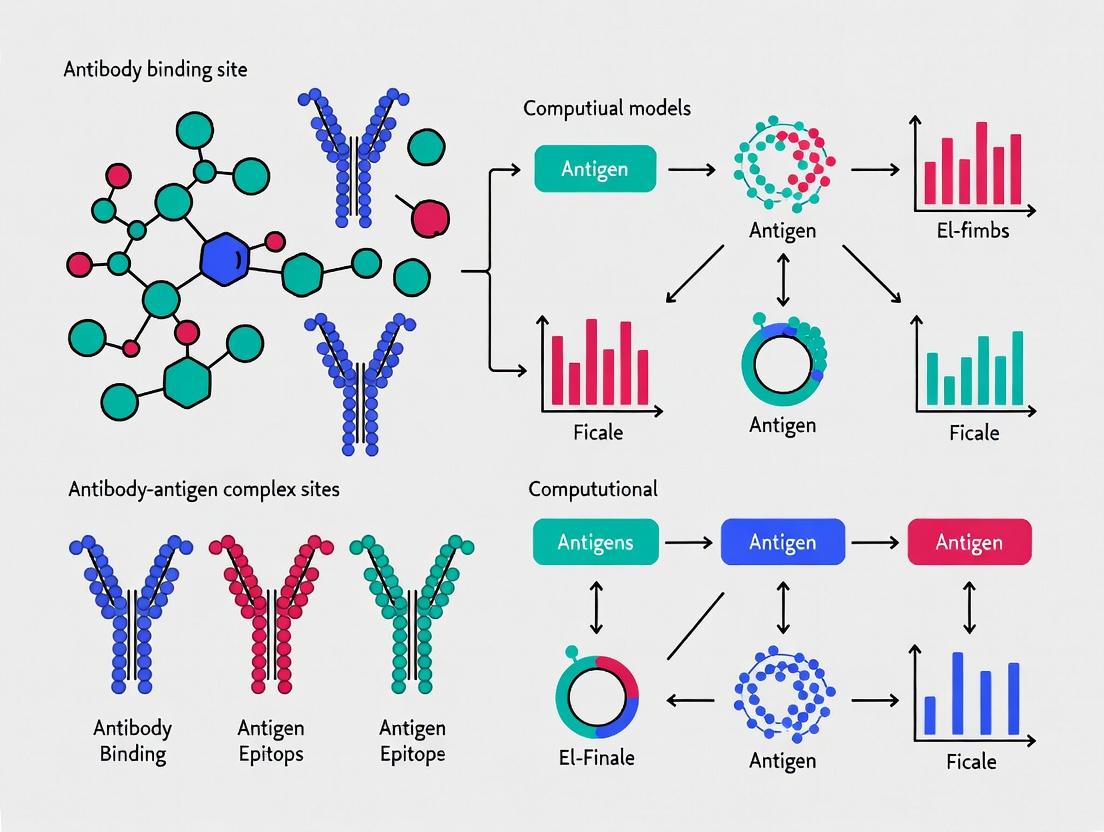
This article provides a comprehensive review for researchers and drug development professionals on the fundamental and practical limitations affecting the accuracy of antibody-antigen complex models.
Beyond the Binding Site: Navigating Accuracy Limitations in Antibody-Antigen Complex Modeling for Drug Development
Abstract
This article provides a comprehensive review for researchers and drug development professionals on the fundamental and practical limitations affecting the accuracy of antibody-antigen complex models. We explore foundational concepts of molecular recognition, detail methodological challenges in computational and experimental structure determination, offer strategies for troubleshooting and optimizing predictive models, and critically compare current validation paradigms. The analysis highlights critical gaps between in silico predictions, in vitro assays, and in vivo efficacy, offering a roadmap for improving the reliability of these essential tools in therapeutic and diagnostic development.
The Inherent Complexity of Molecular Recognition: Why Perfect Accuracy Remains Elusive
Welcome to the Technical Support Center for Antibody-Antigen Complex Research
This center provides troubleshooting guidance for common experimental challenges in structural and biophysical characterization of antibody-antigen complexes, framed within the core thesis that 'accuracy' is a multi-dimensional metric contingent on experimental resolution, the interpretation of energy landscapes, and ultimate biological relevance.
FAQs & Troubleshooting Guides
Q1: Our SPR data shows high-affinity binding (low KD), but the antibody demonstrates poor neutralization efficacy in cellular assays. What could explain this discrepancy?
A: This is a classic "accuracy" conflict between biophysical and biological readouts. High affinity measured by SPR may reflect optimal binding under purified, static conditions, but not the complex environment of the cell membrane where epitope accessibility, glycosylation, or post-binding conformational changes are critical.
- Troubleshooting Steps:
- Verify Epitope Relevance: Confirm your immobilized antigen presents the biologically relevant conformation and post-translational modifications (e.g., proper glycosylation, native folding).
- Assess Binding Kinetics: Examine the kinetic parameters (kₐ, kₑ) from your SPR fit. A very slow off-rate (kₑ) can drive a low KD, but if the on-rate (kₐ) is also slow, the interaction may be inefficient in a competitive physiological setting.
- Employ Cell-Based Binding Assays: Use flow cytometry (FACS) to test antibody binding to antigen-expressing live cells.
- Investigate Signaling Interference: For receptor-targeting antibodies, the antibody may bind without inducing the necessary antagonistic/agonistic conformational change.
Q2: Cryo-EM reconstruction of our Fab-antigen complex at ~4.0 Å resolution shows clear domain shapes, but side-chain details for the paratope-epitope interface are ambiguous. How can we improve interpretative accuracy?
A: At medium resolutions (3.5-4.5 Å), the energy landscape of the complex is not defined with atomic precision, leading to modeling ambiguities.
- Troubleshooting Steps:
- Implement Symmetry Expansion & Focused Classification: If your complex has symmetry, use it to generate multiple particle views. Then apply a 3D classification mask focused solely on the Fab-antigen interface to isolate and average the most stable conformation.
- Utilize Homology Modeling & Real-Space Refinement: Use high-resolution crystal structures of the Fab frameworks as rigid constraints during real-space refinement in tools like Coot or Phenix.
- Cross-Validate with HDX-MS: Use Hydrogen-Deuterium Exchange Mass Spectrometry to experimentally identify residues involved in binding (showing reduced exchange). This data can restrain and validate the lower-resolution Cryo-EM model.
Q3: Our computational alanine scanning predictions of key paratope residues disagree with experimental mutagenesis data. Which result is more "accurate"?
A: The "accuracy" of computational predictions is limited by the quality of the input structural model and the force field's parameterization. Experimental data holds primacy, but discrepancies highlight gaps in our energy landscape models.
- Troubleshooting Protocol: Experimental Validation of Paratope Residues
- Cloning & Mutagenesis: Generate a panel of single-point alanine mutations in the antibody variable region heavy and light chain expression vectors.
- Expression & Purification: Express and purify each mutant Fab or IgG using a mammalian system (e.g., HEK293) to ensure proper folding.
- Binding Affinity Measurement:
- Method: Bio-Layer Interferometry (BLI) or SPR.
- Protocol: Immobilize the native antigen. For each purified mutant, perform a kinetic titration series. Use a 1:1 binding model to determine the change in binding affinity (ΔΔG) relative to the wild-type antibody.
- Data Interpretation: A ΔΔG > 1.0 kcal/mol typically indicates a critical "hotspot" residue. Compare this experimental map to your computational prediction to recalibrate the in silico model.
Quantitative Data Summary
Table 1: Comparative Analysis of Techniques for Defining Antibody-Antigen Interaction "Accuracy"
| Technique | Typical Resolution / Precision | Key Metric Provided | Primary Limitation Regarding 'Accuracy' | Biological Relevance Proxy |
|---|---|---|---|---|
| X-ray Crystallography | Atomic (1.5 - 3.0 Å) | Static, high-resolution structure; hydrogen bonds. | Captures a single, lowest-energy state; may not reflect solution dynamics. | Low (static, crystalline environment) |
| Cryo-Electron Microscopy | Near-Atomic to Low-Res (2.5 - 6.0 Å) | Shape, architecture, multiple conformational states. | Interface details ambiguous at lower resolutions; potential for model bias. | Medium-High (can capture different states) |
| Surface Plasmon Resonance | N/A (Affinity) | Binding kinetics (kₐ, kₑ), equilibrium constant (KD). | Measures purified components on an artificial sensor surface. | Medium (measures kinetics, but not in cells) |
| HDX-Mass Spectrometry | Peptide-level (5-20 residues) | Solvent accessibility/engagement changes upon binding. | Indirect structural inference; limited side-chain specificity. | High (measures solution-phase dynamics) |
| Cell-Based Neutralization | N/A (Functional) | IC₅₀, EC₅₀ values. | Direct functional readout, but confounded by cellular factors (e.g., uptake, trafficking). | Very High (direct biological effect) |
Visualizations
Title: Integrated Workflow for Multi-Dimensional Accuracy Assessment
Title: The Three Dimensions of Accuracy & Their Limits
The Scientist's Toolkit: Key Research Reagent Solutions
Table 2: Essential Reagents for Antibody-Antigen Interaction Studies
| Reagent / Material | Function & Role in Defining 'Accuracy' | Key Consideration |
|---|---|---|
| HEK293/ExpiCHO Cell Lines | Mammalian expression systems for producing properly folded, glycosylated antibodies and antigens for biophysical/functional assays. | Critical for generating biologically relevant proteins; glycosylation patterns affect binding. |
| Anti-Human Fc Capture (SPR/BLI) Chips | Sensor surfaces for immobilizing antibodies via their Fc region, ensuring consistent orientation and free paratope accessibility for antigen binding studies. | Standardizes kinetic measurements, reducing experimental noise and improving accuracy of kₐ/kₑ data. |
| Stable Cell Line Expressing Native Antigen | Essential for cell-based binding (FACS) and functional neutralization assays, providing the target in its native membrane context. | The gold standard for bridging biophysical data to biological relevance. |
| Deuterium Oxide (D₂O) for HDX-MS | The labeling agent for Hydrogen-Deuterium Exchange experiments to probe protein dynamics and epitope/paratope engagement. | Provides solution-phase, medium-resolution data on binding interfaces, complementing static structures. |
| High-Quality Crystallization Screens (e.g., JCSG+) | Pre-formulated chemical matrices for screening crystallization conditions of antibody-antigen complexes for X-ray analysis. | Success in obtaining high-resolution crystals is often the limiting step for atomic-level accuracy. |
| Negative Stain Grids (Uranyl Acetate) | Rapid, initial screening tool for Cryo-EM sample preparation to assess complex monodispersity and homogeneity. | Poor sample quality here predicts failure in high-resolution Cryo-EM, guiding purification troubleshooting. |
Troubleshooting Guides & FAQs
This technical support center addresses common experimental challenges in characterizing antibody-antigen (Ab-Ag) interfaces, framed within the thesis context that inaccurate structural and energetic predictions remain a primary limitation in therapeutic antibody development.
FAQ 1: Why do my computational docking models show high-affinity binding, but experimental SPR/BLI measurements reveal very weak or no binding?
Answer: This discrepancy often stems from inaccurate modeling of solvation and flexible loop dynamics. Computational scoring functions may over-prioritize shape complementarity while underestimating the energetic penalty of desolvating key polar residues or the conformational entropy of CDR H3 loops.
- Troubleshooting Steps:
- Re-evaluate Solvation: Use molecular dynamics (MD) simulations with explicit water molecules to identify tightly bound water molecules at the predicted interface that may be mediating interactions.
- Model Flexibility: Employ flexible backbone docking or follow-up docking with rigid-body models with loop refinement. Do not rely solely on rigid-body docking.
- Check Electrostatics: Verify the protonation states of interfacial histidine, aspartic acid, and glutamic acid residues at your experimental pH using tools like H++ or PROPKA.
- Experimental Corollary: Perform an alanine-scanning mutagenesis of the paratope residues predicted to be critical. If experimental binding energy change (ΔΔG) upon mutation deviates severely from computation, your initial model is likely incorrect.
FAQ 2: My HDX-MS experiment shows low deuterium uptake in a proposed epitope region, but cryo-EM density does not show clear antibody binding. What is the issue?
Answer: This conflict suggests the region may be dynamic and becomes stabilized upon a non-specific interaction or sample preparation artifact, rather than specific binding. HDX-MS is sensitive to dynamics, while cryo-EM visualizes a static, population-averaged state.
- Troubleshooting Steps:
- Control Experiments: Run HDX-MS on the antigen alone and the antigen mixed with a non-specific IgG or an antibody to a different, known epitope. This confirms the observed protection is specific.
- Cryo-EM Processing: Re-analyze cryo-EM data with focused 3D classification around the putative binding site. The antibody Fab may be binding with very low occupancy or high flexibility.
- Cross-validation: Use a orthogonal method like SPR to confirm binding kinetics and affinity. A very weak affinity (KD > µM) may explain poor visualization in cryo-EM but detectable stabilization in HDX-MS.
FAQ 3: During epitope binning using competitive BLI/SPR, I observe partial competition between two non-overlapping antibodies. What does this indicate and how should I proceed?
Answer: Partial competition suggests allosteric inhibition or induction of conformational change. Antibody A binding alters the antigen's structure, reducing but not fully blocking the on-rate or stability of Antibody B's binding.
- Troubleshooting Steps:
- Confirm with a Sandwich Format: Attempt to co-bind both antibodies in a sequential injection experiment. If both can bind simultaneously despite partial competition in the reverse sequence, it confirms allostery.
- Structural Analysis: If possible, solve the structure of the antigen-Antibody A complex. Look for long-range structural perturbations that extend to Antibody B's epitope.
- Quantify the Effect: Measure the kinetic constants (ka, kd) for Antibody B binding to the antigen alone vs. the antigen-Antibody A complex. The table below summarizes how to interpret the changes:
Table 1: Interpretation of Kinetic Changes in Allosteric Partial Competition
| Altered Parameter | Typical Change | Suggested Interpretation |
|---|---|---|
| Association Rate (kon) | Decreased (≥10-fold) | Antibody A induces a conformational change that sterically hinders or electrostatically repels Antibody B's initial docking. |
| Dissociation Rate (koff) | Increased (≥5-fold) | Antibody A binding destabilizes the interface formed by Antibody B, reducing binding stability. |
| Both kon and koff | Both altered | A combination of steric/electrostatic hindrance and interface destabilization. |
Experimental Protocol: Standard Workflow for Integrative Paratope-Epitope Mapping
This protocol outlines a consensus approach to mitigate accuracy limitations by combining computational and experimental data.
Title: Integrative Paratope-Epitope Characterization Workflow
1. Computational Prediction Phase:
- Input: Sequences of antibody VH/VL and antigen. A known structure (e.g., from homology modeling or AlphaFold2) is highly recommended.
- Docking: Perform global protein-protein docking using ZDOCK or ClusPro. Retain the top 200 poses.
- Refinement & Scoring: Refine poses using FireDock or RosettaDock. Score with multiple functions (e.g., Rosetta InterfaceAnalyzer, ZRANK).
- Output: Ranked list of predicted binding poses and critical paratope/epitope residues.
2. Parallel Experimental Validation Phase:
- Method A – Alanine Scanning Mutagenesis:
- Clone, express, and purify wild-type and alanine mutants (5-8 residues each) for both paratope and predicted epitope.
- Measure binding kinetics (ka, kd) via Surface Plasmon Resonance (SPR) for all mutants.
- Calculate ΔΔGbind = RT ln( KDmut / KDWT ). A ΔΔG > 1 kcal/mol indicates a hotspot residue.
- Method B – Hydrogen-Deuterium Exchange Mass Spectrometry (HDX-MS):
- Perform HDX on antigen alone and in complex with Fab fragment.
- Quench at timepoints (10s, 1min, 10min, 1hr). Digest with pepsin, analyze by LC-MS.
- Identify peptides with significant deuterium uptake reduction (≥10% and >0.5 Da difference) in the complex. These define the functional epitope.
3. Data Integration & Model Refinement:
- Constraint-Driven Modeling: Feed experimental hotspots (from mutagenesis) and protected regions (from HDX-MS) as constraints into a refined docking simulation (e.g., using HADDOCK).
- Energy Minimization & Validation: Perform MD simulation (100 ns) of the refined complex in explicit solvent. Calculate the MM/GBSA binding energy. Correlate computed per-residue energy contributions with experimental ΔΔG values.
The Scientist's Toolkit: Key Research Reagent Solutions
Table 2: Essential Reagents for Paratope-Epitope Interface Analysis
| Item | Function & Rationale |
|---|---|
| Biotinylated Antigen | For immobilization on streptavidin-coated SPR chips or BLI sensors. Ensures uniform, stable, and oriented capture for kinetic assays. |
| Recombinant Fab Fragments | Produced via papain digestion or recombinant expression. Removes confounding Fc-mediated effects (e.g., non-specific binding) in structural and HDX-MS studies. |
| Site-Directed Mutagenesis Kit (e.g., Q5) | For rapid generation of paratope/epitope alanine mutants to experimentally map energetic hotspots. |
| Deuterium Oxide (D2O), LC-MS Grade | The source of deuterium for HDX-MS experiments. High purity is critical for low background noise. |
| Pepsin Immobilized Beads | Provides consistent, rapid digestion for HDX-MS under quenched conditions (low pH, 0°C), minimizing back-exchange. |
| Stable Cell Line for Expression (e.g., Expi293F) | Ensures reproducible, high-yield production of recombinant antibodies and antigen variants for consistent experimental datasets. |
| Anti-His or Anti-Fc Capture Biosensors | Enables quick, label-free kinetic screening (on BLI platforms) of multiple antibody or antigen variants without individual protein biotinylation. |
Technical Support Center
Troubleshooting Guides & FAQs
Q1: During surface plasmon resonance (SPR) analysis, my antibody-antigen binding data shows a biphasic or complex association/dissociation curve that doesn't fit a simple 1:1 Langmuir (rigid-body) model. What does this indicate and how should I proceed? A: This is a classic sign of conformational flexibility. A simple model assumes two rigid structures interacting. Complex kinetics suggest a multi-step process.
- Diagnosis: Poor fit (high chi² value) to a 1:1 binding model. Residuals show a systematic pattern, not random scatter.
- Next Steps:
- Refit Data: Apply a two-state reaction model (Conformational Change) or a heterogeneous ligand model (parallel conformational selection).
- Alter Experimental Conditions: Perform the experiment at different temperatures. Increased complexity at lower temperatures may favor conformational selection (slower pre-existing equilibrium).
- Orthogonal Validation: Correlate with stopped-flow fluorescence or NMR to directly probe rate constants for conformational changes.
Q2: My X-ray crystallography structure shows a "closed" or "tight" antibody paratope, but solution data (ITC, SPR) confirms binding to a large antigen. Is my structure wrong? A: Not necessarily. This is direct evidence for the induced-fit or conformational selection model. The crystallized form may represent one low-energy state. The antigen may induce opening (induced-fit) or select for a rare, pre-existing "open" conformation (conformational selection).
- Protocol for Investigation:
- Molecular Dynamics (MD) Simulation: Initiate a µs-scale MD simulation of the unbound antibody. Analyze root-mean-square fluctuation (RMSF) of complementary-determining regions (CDRs) to identify flexible loops.
- Hydrogen-Deuterium Exchange Mass Spectrometry (HDX-MS):
- Procedure: Incubate the unbound antibody in D₂O buffer for various time points (e.g., 10s, 1min, 10min, 1hr).
- Quench the exchange with low pH/low temperature.
- Digest with pepsin, analyze via LC-MS.
- Map deuterium uptake onto the crystal structure. Regions of high exchange in the unbound state that become protected upon antigen addition indicate conformational selection or pre-existing flexibility.
Q3: How can I distinguish between Induced-Fit and Conformational Selection mechanisms experimentally? A: The core challenge is detecting and quantifying the population of minor conformations in the unbound state.
- Experimental Protocol: Double-Mutant Cycle Analysis Coupled with Kinetics.
- Create point mutations in the antibody paratope (e.g., a key Trp to Ala) and a complementary point mutation on the antigen.
- Measure binding kinetics (e.g., by stopped-flow fluorescence) for all four combinations: Wild-type (WT) Ab/WT Ag, Mutant Ab/WT Ag, WT Ab/Mutant Ag, Double Mutant.
- Analysis: If the mutation affects only the association rate (kon) and not the dissociation rate (koff), and non-additive effects are seen in the double mutant, it suggests the transition state for binding involves a conformational change, supporting induced-fit. If effects are largely on k_off and are additive, it suggests binding to a pre-existing state (conformational selection).
Quantitative Data Comparison: Binding Kinetics Models
| Model | Key Assumption | Rate Equation (Simplified) | Typical k_on Range (M⁻¹s⁻¹) | Diagnostic Data Pattern |
|---|---|---|---|---|
| Rigid-Body | No conformational change upon binding. | Ab + Ag <-> Ab-Ag |
10⁵ – 10⁷ | Clean mono-exponential curves. Fits 1:1 Langmuir model perfectly. |
| Induced-Fit | Binding induces the fit. | Ab + Ag <-> Ab-Ag <-> Ab*-Ag |
10³ – 10⁶ | Biphasic association. k_on often depends on [Ag]. Improvement from 1:1 to two-state model. |
| Conformational Selection | Ab exists in equilibrium; Ag selects minor form. | Ab <-> Ab* + Ag <-> Ab*-Ag |
Can be very low (10²-10⁴) if Ab* population is small. | Binding rate may be independent of [Ag] at saturation. Pre-binding conformational dynamics detected by NMR/HDX. |
Research Reagent Solutions Toolkit
| Item | Function in Conformational Studies |
|---|---|
| Site-Specific Fluorescent Dye (e.g., Alexa Fluor 488 C₅ Maleimide) | Labels engineered cysteine residues for Förster resonance energy transfer (FRET) or stopped-flow kinetics to monitor distance changes. |
| Deuterium Oxide (D₂O) for HDX-MS | The exchange medium for probing solvent accessibility and protein dynamics. |
| Protease Column (Immobilized Pepsin) | For rapid, low-pH digestion of quenched HDX-MS samples. |
| Biacore T200 Series S Sensor Chip CM5 | Gold-standard SPR chip for capturing antibodies via amine coupling to study binding kinetics under various flow conditions. |
| NMR Isotope Labels (¹⁵N-NH₄Cl, ¹³C-Glucose) | For producing isotopically labeled antibodies for NMR spectroscopy to observe residue-specific dynamics. |
Visualizations
Diagram 1: Three Binding Mechanism Pathways
Diagram 2: HDX-MS Experimental Workflow
The Role of Solvent, Ions, and Glycosylation in Complex Stability
Technical Support Center: Troubleshooting Antibody-Antigen Complex Analysis
FAQs & Troubleshooting Guides
Q1: My Surface Plasmon Resonance (SPR) data shows unexpectedly low binding affinity (high KD). What solvent-related factors should I investigate? A: Low apparent affinity can stem from buffer mismatch. Key checks:
- pH and Ionic Strength: Verify your running buffer matches the sample buffer exactly. Even small differences can cause "buffer artifacts," where binding is weakened due to a localized pH shift on the sensor chip surface.
- Dielectric Constant: If your antigen is hydrophobic, a high-water content (high dielectric constant) environment may weaken hydrophobic interactions critical for binding. Check if your antigen requires a co-solvent (e.g., low percentage glycerol).
- Polymer Crowding: The lack of crowders (e.g., PEG) in the buffer may lead to overestimation of dissociation rates. Physiological crowding enhances complex stability.
Q2: During Isothermal Titration Calorimetry (ITC), my binding enthalpy (ΔH) values are inconsistent and noisy. Could ion-specific effects be the cause? A: Yes. Ions directly modulate electrostatic interactions. Follow this protocol:
- Systematically vary salt type and concentration. Prepare identical samples of antibody and antigen in buffers containing 150 mM of either NaCl, KCl, or NaI.
- Perform ITC experiments under identical conditions (temperature, stirring speed).
- Compare thermodynamic parameters. Hofmeister series ions (e.g., I-) can disrupt or enhance water structure, affecting hydrophobic packing and hydrogen bonding, which manifests as variable ΔH.
Q3: How can I determine if heterogeneous glycosylation of my recombinant antibody is causing batch-to-batch variability in complex stability? A: Implement a glycosylation profiling and correlation protocol.
- Deglycosylation Control: Treat one aliquot of antibody with PNGase F. Keep a non-treated aliquot.
- Analytical Size-Exclusion Chromatography (SEC): Run both samples to check for aggregation or conformational changes post-deglycosylation.
- Bind Assay: Perform ELISA or BLI with both antibody versions. A significant drop in signal for the deglycosylated sample indicates glycosylation is critical for antigen engagement or antibody stability.
Q4: My computational docking models show good complementarity, but the experimental complex is unstable. What molecular dynamics (MD) setup should I use to diagnose the issue? A: This often relates to omitting solvent and ions. Use this MD diagnostic protocol:
- System Setup: Solvate your docked complex in an explicit water box (e.g., TIP3P model).
- Ionization: Add 0.15 M NaCl to neutralize the system and mimic physiological conditions.
- Production Run: Run a multi-nanosecond simulation (≥100 ns) and analyze:
- Root Mean Square Deviation (RMSD) of the antibody CDRs.
- Solvent Accessible Surface Area (SASA) at the interface. A increasing SASA indicates dissociation.
- Ion density maps around the interface to identify charge shielding.
Table 1: Impact of Ionic Strength on Binding Kinetics of IgG1 to its Antigen
| Salt Concentration (NaCl, mM) | Association Rate, ka (1/Ms) | Dissociation Rate, kd (1/s) | Affinity, KD (nM) | Method |
|---|---|---|---|---|
| 50 | 2.5 x 10^5 | 8.0 x 10^-4 | 3.2 | SPR |
| 150 (Physiological) | 1.8 x 10^5 | 1.2 x 10^-3 | 6.7 | SPR |
| 300 | 9.0 x 10^4 | 2.5 x 10^-3 | 27.8 | SPR |
Table 2: Effect of Fc Glycosylation on Complex Stability Parameters
| Glycoform | Tm (°C) | Aggregation Onset Temp (°C) | Antigen Binding Half-life (min) | Assay |
|---|---|---|---|---|
| Fully glycosylated (G2F) | 72.1 | 68.5 | 45.2 | DSC, DLS, BLI |
| Partially glycosylated | 69.4 | 64.8 | 38.7 | DSC, DLS, BLI |
| Aglycosylated (PNGase F) | 65.8 | 61.2 | 12.5 | DSC, DLS, BLI |
Experimental Protocols
Protocol 1: Diagnosing Salt-Dependent Binding via Bio-Layer Interferometry (BLI)
- Sensor Activation: Hydrate Anti-Human Fc (AHC) biosensors in buffer for 10 min.
- Baseline (60s): Establish baseline in running buffer (e.g., PBS, pH 7.4).
- Loading (300s): Load your IgG antibody onto the sensor to a response threshold of 1 nm.
- Baseline 2 (60s): Return to running buffer.
- Association (180s): Dip sensor into wells containing a fixed antigen concentration prepared in buffers with varying [NaCl] (50mM, 150mM, 300mM).
- Dissociation (300s): Return to the respective antigen-free buffer.
- Analysis: Fit data globally using a 1:1 binding model to extract ka, kd, and KD for each condition.
Protocol 2: Assessing Glycan Impact via Differential Scanning Fluorimetry (DSF)
- Sample Prep: Prepare antibody samples (0.2 mg/mL) in a compatible buffer (e.g., PBS). Include a control sample deglycosylated with PNGase F.
- Dye Addition: Add 5X SYPRO Orange dye to each sample.
- Plate Setup: Load samples into a 96-well PCR plate in triplicate.
- Run Program: Use a real-time PCR instrument with a temperature ramp from 25°C to 95°C at a rate of 1°C/min, monitoring fluorescence.
- Analysis: Plot fluorescence derivative vs. temperature. The minimum of the negative derivative peak is the Tm. Compare Tm between glycoforms.
Visualizations
Title: Stability Factors for Antibody-Antigen Complex
Title: Diagnostic Workflow for Complex Instability
The Scientist's Toolkit: Research Reagent Solutions
| Reagent/Material | Function in Complex Stability Research |
|---|---|
| PNGase F | Enzyme that removes N-linked glycans; used as a control to assess the role of glycosylation. |
| Hofmeister Salt Series (e.g., Na2SO4, NaCl, NaSCN) | Used to probe ion-specific effects on protein solubility, aggregation, and binding interfaces. |
| Sypro Orange Dye | Environment-sensitive fluorescent dye used in DSF to measure protein thermal unfolding (Tm). |
| Biospecific Sensors (BLI) | e.g., Anti-Human Fc (AHC) or Ni-NTA tips for capturing tagged proteins to measure binding kinetics. |
| Polyethylene Glycol (PEG) 3350 | Common molecular crowder used to mimic the excluded volume effect of the cellular interior. |
| HEPES vs. Phosphate Buffers | Differ in ionic composition and buffering capacity; comparing them can reveal pH/buffer artifact issues. |
| Reference Grade mAbs (e.g., NISTmAb) | Well-characterized glycosylated antibodies used as benchmarks for analytical method development. |
FAQs & Troubleshooting Guides
Q1: My computational model, based on germline gene templates, fails to predict the binding affinity for a newly characterized antibody-antigen complex. What could be wrong? A: This is a primary limitation of germline assumption. Germline-based models often overlook critical somatic hypermutations (SHMs) that are not templated in germline sequences but are crucial for affinity maturation and structural stability. Additionally, canonical structure definitions for complementarity-determining region (CDR) loops may not account for rare but functionally important conformations induced by specific mutations or antigen pressures.
Troubleshooting Steps:
- Validate Somatic Mutations: Align your antibody sequence against IMGT/V-Quest and identify all non-germline-encoded residues. Perform in silico saturation mutagenesis on these positions to assess their energetic contribution.
- Check for Non-Canonical Loops: Use AbNum or PyIgClassify to verify the canonical class assignment of all CDR loops. Manually inspect any loop classified as "outlier" in PyMOL for unique structural features.
- Protocol – Energetic Decomposition Analysis:
- Software: MMPBSA.py in AMBER or Schrödinger's Prime MM-GBSA.
- Method: Run MD simulation (100 ns) of the antibody-antigen complex. Extract 1000 frames (every 100 ps). Perform MM-GBSA calculations per frame and decompose free energy to each residue.
- Analysis: Identify key contributing residues. If the top contributors are somatic mutations, your model's germline assumption is the likely failure point.
Q2: During molecular dynamics (MD) simulations, my antibody model (built from a canonical template) shows unrealistic distortion in the CDR-H3 loop. How can I fix this? A: CDR-H3 is the most diverse loop and is frequently non-canonical. Template-based modeling often fails here. The force field parameters may also be inadequate for unusual backbone dihedrals or side-chain rotamers stabilized by specific mutations.
Troubleshooting Steps:
- Refine the Initial Model: Use RosettaAntibody or ABangle to generate an ensemble of CDR-H3 conformations. Select the top 5 by energy and cluster.
- Apply Restraints: If experimental data (e.g., low-resolution density) exists, apply weak harmonic positional restraints on the CDR-H3 backbone during the initial equilibration phase (first 10-20 ns) of MD to guide sampling.
- Protocol – Enhanced Sampling for CDR-H3:
- Software: GROMACS or NAMD with PLUMED plugin.
- Method: Implement Gaussian Accelerated Molecular Dynamics (GaMD) or metadynamics. Use collective variables (CVs) like root-mean-square deviation (RMSD) of the CDR-H3 loop and radius of gyration.
- Parameters: Run GaMD with a 100 ns dual-boost strategy on both the total potential and dihedral energies. Analyze the free energy landscape projected on your CVs to identify stable states missed by standard MD.
Q3: My predictions are consistently inaccurate for antibodies with long CDR loops or complex glycosylation patterns. Are there inherent limitations in the standard databases? A: Yes. Public structural databases (e.g., PDB) are skewed toward well-behaved, "crystallizable" antibodies with short-to-medium CDR loops. Long loops and glycans are under-represented, creating a bias in training data for AI/ML models and statistical potentials.
Troubleshooting Steps:
- Source Specialized Data: Consult the SAbDab (Structural Antibody Database) and filter for long CDR loops (>15 residues). Use GlyConnect or GlyCosmos for glycosylation patterns.
- Incorrate Explicit Glycans: Use Glycan Reader & Modeler in CHARMM-GUI to build full glycosylation at known N-linked sites (e.g., N297 in Fc).
- Protocol – Modeling a Glycosylated Complex:
- Tool: CHARMM36m force field with carbohydrate parameters.
- Method: a. Build the antibody-antigen complex. b. Add relevant glycans using CHARMM-GUI, selecting appropriate glycoforms (e.g., G0F, G2F). c. Solvate in TIP3P water box with 150 mM NaCl. d. Equilibrate with restraints on protein and glycan heavy atoms, gradually releasing them over 1 ns. e. Run production MD (≥200 ns) with periodic boundary conditions. f. Analyze glycan-protein interactions (hydrogen bonds, CH-π) using VMD.
Research Reagent Solutions Toolkit
| Reagent / Material | Function in Context |
|---|---|
| IMGT/V-Quest | Definitive tool for germline gene alignment and identification of somatic hypermutations (SHMs). |
| PyIgClassify | Python package for precise classification of antibody CDR loop conformations, identifying non-canonical outliers. |
| RosettaAntibody | Suite for high-resolution antibody structure prediction, specializing in CDR loop remodeling. |
| CHARMM-GUI Glycan Modeler | Integrates experimentally observed glycans into structural models for accurate simulation setup. |
| SAbDab (Structural Antibody Database) | Curated database of all antibody structures from the PDB, enabling filtering by CDR length, mutation count, etc. |
| AMBER/MMPBSA.py | Tool for performing end-state free energy calculations and per-residue decomposition to pinpoint key interactions. |
| PLUMED | Plugin for enhanced sampling MD simulations to explore rare conformations of flexible loops. |
Quantitative Data Summary: Impact of Assumptions on Predictive Accuracy
Table 1: Error Rates in Affinity Prediction Across Modeling Strategies
| Modeling Approach | Avg. RMSE (kcal/mol) on Benchmark Set | Key Limitation Addressed |
|---|---|---|
| Pure Germline Template | 3.2 ± 0.8 | Ignores somatic hypermutation |
| Canonical CDR Modeling | 2.5 ± 0.6 | Fails on non-canonical loops (esp. H3) |
| Structure-Agnostic Deep Learning | 2.0 ± 0.7 | Struggles with long-range structural effects |
| MD-Refined + Somatic Mutations | 1.4 ± 0.5 | Mitigates both limitations |
Table 2: Database Biases in Public Repositories (PDB)
| Structural Feature | Frequency in PDB (%) | Estimated Natural Frequency (%) | Discrepancy Impact |
|---|---|---|---|
| CDR-H3 Length ≤ 12 residues | 78% | ~60% | Over-representation |
| CDR-H3 Length > 15 residues | 5% | ~20% | Severe under-representation |
| Structures with Glycans Annotated | 22% | >95% (for IgG) | Massive under-representation |
| Kappa vs. Lambda Light Chain | 70% vs 30% | ~60% vs 40% | Moderate bias |
Visualizations
Title: Predictive Modeling Workflow & Limitation Points
Title: Cycle of Limitations in Antibody Modeling
From Cryo-EM to AlphaFold: Assessing Tools and Techniques for Complex Determination
Technical Support Center: Troubleshooting Guides and FAQs
This support center is designed for researchers investigating antibody-antigen complexes, within the broader thesis context of understanding accuracy limitations in structural determination for drug development.
FAQ 1: Why does my X-ray crystallography model show disconnected electron density for the antigen's flexible loop in the Fab binding site?
- Issue: The reconstructed electron density map is weak or broken in a key region, suggesting disorder.
- Cause: Flexible loops may not adopt a single, ordered conformation in the crystal lattice. At medium-to-low resolutions (>2.5 Å), modeling discrete atoms for disordered regions becomes unreliable, leading to "missing" density.
- Solution: Refit the region as an ensemble of alternative conformations (if density allows) or as a poly-Ala chain. Consider complementary techniques like NMR or Cryo-EM to characterize the loop's dynamics in solution.
FAQ 2: My Cryo-EM reconstruction of an antibody-antigen complex at ~4.0 Å resolution shows a blurred interface. How can I improve side-chain docking?
- Issue: Lack of clear side-chain density prevents accurate determination of hydrogen bonding and salt bridge networks at the paratope-epitope interface.
- Cause: This is a common resolution-dependent artifact. Global resolution may be 4.0 Å, but local resolution at the interface, potentially due to residual flexibility or preferential orientation, could be worse (>5 Å).
- Solution:
- Perform local resolution estimation (e.g., in Relion, CryoSPARC) to confirm the interface quality.
- Apply multi-body refinement to isolate and refine the relative motion of the Fab and antigen domains.
- Use the model for molecular dynamics flexible fitting (MDFF) to flexibly dock into the lower-resolution density, guided by biophysical principles.
FAQ 3: In my NMR study of an antibody fragment with antigen, why are key binding site residues showing broadened or missing peaks upon titration?
- Issue: Signal loss in Heteronuclear Single Quantum Coherence (HSQC) spectra during titration complicates mapping the interaction interface.
- Cause: Intermediate exchange on the NMR chemical shift timescale. This occurs when the binding kinetics (k~Δω) cause severe line broadening, making peaks disappear.
- Solution:
- Alter experimental conditions (pH, temperature) to potentially shift exchange regime.
- Use TROSY-based experiments to reduce broadening for larger complexes.
- For very weak interactions, employ techniques like Saturation Transfer Difference (STD)-NMR to identify binding residues indirectly.
FAQ 4: How do I choose the right method to minimize artifacts for my antibody-antigen project?
- Answer: Base your choice on complex size, flexibility, and required information. See the comparative table below. Cross-validation using orthogonal methods is the gold standard for mitigating method-specific artifacts.
Table 1: Method Strengths, Limits, and Common Artifacts for Antibody-Antigen Complexes
| Method | Typical Resolution Range (Antibody Complex) | Key Strength for Complexes | Common Resolution-Dependent Artifacts | Main Limitation for Thesis Context |
|---|---|---|---|---|
| X-ray Crystallography | 1.5 – 3.2 Å | Atomic-level detail of static interface; precise bond lengths/angles. | Disordered regions not visible; radiation damage (decarboxylation); model bias/building errors at low res. | Requires crystallization; may trap non-physiological conformations; silent on dynamics. |
| Single-Particle Cryo-EM | 2.5 – 4.5 Å (can be better) | Tolerates flexibility & large size; captures multiple states. | Anisotropic resolution; preferred orientation; bulky sidechains merge at ~4Å; global vs. local resolution mismatch. | High sample consumption (~0.5 mg); requires complex size >~80 kDa for traditional grids. |
| NMR Spectroscopy | Residue-level (~3-10 Å for distances) | Atomic detail in solution; quantifies dynamics & weak interactions. | Peak overlap/broadening in large systems (>50 kDa); ambiguous long-range restraints. | Upper size limit for full assignment; lower natural sensitivity requires isotopic labeling. |
Detailed Experimental Protocols
Protocol 1: Cryo-EM Grid Preparation and Data Collection for an IgG-Antigen Complex Objective: To vitrify a ~200 kDa complex for high-resolution single-particle analysis.
- Sample Preparation: Purify complex via size-exclusion chromatography in a stable buffer (e.g., 20 mM HEPES pH 7.5, 150 mM NaCl). Aim for homogeneity and >95% purity. Concentrate to 0.8-1.2 mg/mL.
- Grid Preparation: Apply 3.5 µL of sample to a glow-discharged (15 mA, 30 sec) Quantifoil R1.2/1.3 Au 300 mesh grid. Blot for 3-4 seconds at 100% humidity, 4°C (Vitrobot Mark IV), and plunge-freeze into liquid ethane.
- Screening & Data Collection: Screen grids on a 300 keV microscope (e.g., Titan Krios). For a target resolution of 3.0 Å, collect a dataset of ~5,000 movies at a nominal magnification of 105,000x (pixel size 0.83 Å), with a total dose of 50 e⁻/Ų fractionated over 40 frames.
Protocol 2: NMR Binding Study Using 2D HSQC Titration Objective: To map the binding interface of a 15N-labeled Fab fragment with a soluble antigen.
- Sample Preparation: Prepare 300 µL of 100 µM uniformly 15N-labeled Fab in NMR buffer (e.g., 20 mM phosphate, 50 mM NaCl, 10% D2O, pH 6.8).
- Reference Spectrum: Acquire a 2D 1H-15N HSQC spectrum at 298 K (e.g., 800 MHz spectrometer).
- Titration: Add aliquots of concentrated, unlabeled antigen protein directly to the NMR tube. Record a 2D 1H-15N HSQC after each addition (typical molar ratios: 1:0.5, 1:1, 1:2, 1:4 Fab:Antigen).
- Analysis: Process spectra (NMRPipe) and analyze peak shifts (Sparky, CCPNmr). Residues showing significant chemical shift perturbations (CSP) or line broadening upon titration constitute the binding interface.
Visualizations
Title: Structural Biology Method Workflow for Complexes
Title: Resolution-Dependent Artifacts Impact
The Scientist's Toolkit: Key Research Reagent Solutions
Table 2: Essential Materials for Structural Studies of Antibody-Antigen Complexes
| Item | Function in Experiment |
|---|---|
| Size-Exclusion Chromatography (SEC) Column (e.g., Superdex 200 Increase) | Critical final purification step to isolate monodisperse, properly formed antibody-antigen complex from aggregates or excess components. |
| Crystallization Screening Kits (e.g., JCSG+, MemGold) | Sparse-matrix screens to identify initial crystallization conditions for the complex by testing a wide range of buffers, salts, and precipitants. |
| Ammonium Persulfate (APS) & Tetramethylethylenediamine (TEMED) | Used to polymerize polyacrylamide gels for SDS-PAGE analysis, verifying sample purity and complex integrity before resource-intensive experiments. |
| Cryo-EM Grids (Quantifoil R1.2/1.3 Au, 300 mesh) | Gold grids with a regularly patterned carbon support film that provide a stable, low-background substrate for vitrifying protein samples. |
| Isotopically Labeled Media (e.g., 15N-NH4Cl, 13C-Glucose) | Essential for producing uniformly 15N/13C-labeled proteins in bacterial or insect cell culture for NMR spectroscopy resonance assignment. |
| Radiation Damage Inhibitor (e.g., 1-2% Ethylene Glycol for X-ray) | Added to crystal cryo-protectant solution to mitigate radical-induced damage during high-intensity X-ray data collection. |
| Detergent (e.g., Lauryl Maltose Neopentyl Glycol (LMNG)) | Used to solubilize and stabilize membrane protein antigens for complex formation with antibodies in Cryo-EM or crystallography. |
Technical Support Center: Troubleshooting & FAQs
This support center addresses common issues encountered in computational docking of antibody-antigen complexes. The guidance is framed within ongoing research into the fundamental accuracy limitations of these methods, which are a critical bottleneck in therapeutic antibody development.
Frequently Asked Questions (FAQs)
Q1: My docking poses look physically reasonable, but the scoring function ranks demonstrably incorrect (non-native) poses as the top hit. Why does this happen, and how can I diagnose it?
A: This is a classic symptom of scoring function bias. These functions are often trained on diverse protein-ligand datasets and may not accurately capture the unique physicochemical characteristics of antibody-antigen interfaces, which are typically large, flat, and hydrophilic.
- Diagnostic Protocol: Perform a decoy discrimination test.
- Generate a set of 50-100 decoy poses by slightly perturbing your known experimental (or carefully modeled) native complex structure using molecular dynamics simulation or random rotational/translational shifts.
- Re-score the native pose and all decoys using at least three different scoring functions (e.g., one physics-based, one empirical, one knowledge-based).
- Calculate the Root Mean Square Deviation (RMSD) of each decoy from the native structure.
- Plot the Score vs. RMSD. A robust function will show a strong correlation (lower score for lower RMSD).
Q2: I am docking a flexible CDR loop, but the docking algorithm fails to sample any conformation close to the known bound state. What search parameters should I adjust?
A: This indicates a search space limitation. The conformational space of long CDR loops (especially CDR-H3) is vast, and standard global docking algorithms may not sample it adequately.
- Troubleshooting Guide:
- Increase Sampling: Set the number of generated poses to 50,000 - 100,000 (or more) and increase the number of iterations/cycles in the algorithm.
- Use Local Docking: If you have an approximate epitope region from mutagenesis experiments, define a restricted search box around it.
- Implement Multi-Stage Docking: First, dock with the CDR loops constrained or removed to find the general orientation of the antibody. Then, perform a second, focused docking run allowing only the CDR loops to be flexible.
- Consider Ensemble Docking: Dock your antigen against an ensemble of antibody structures generated from molecular dynamics simulation to account for pre-existing flexibility.
Q3: How do I choose between global docking (blind) and local docking (site-specific) for an antibody-antigen pair with limited experimental data?
A: The choice is a trade-off between managing search space and avoiding bias.
- Decision Protocol:
| Criteria | Global Docking | Local Docking |
|---|---|---|
| Epitope Knowledge | None or very low. | Low to moderate (e.g., from homologs, low-res mapping). |
| Computational Cost | Very High (massive search space). | Moderate (restricted search box). |
| Risk of Bias | Low (unbiased search). | High (incorrect box leads to failure). |
| Recommended Action | Use exhaustive sampling. Validate top clusters with experimental constraints. | Define a conservatively large box (e.g., 25Å). Perform multiple runs with box centers based on different hypotheses. |
Q4: My docking results show high inconsistency between different software platforms. How should I proceed to identify the most reliable pose?
A: Inconsistency highlights the algorithm-dependence of results, a core limitation in the field. Implement a consensus scoring and clustering approach.
- Experimental Protocol:
- Run docking for the same complex using 2-3 distinct docking engines (e.g., HADDOCK, ZDOCK, ClusPro, SwissDock).
- Cluster all output poses (e.g., 1000+ poses) based on interface RMSD (e.g., using
kclustor similar). - Re-score each cluster representative using multiple, independent scoring functions.
- Identify clusters that are geometrically consistent (appear across different algorithms) and exhibit favorable scores across multiple functions. This consensus pose is your most robust prediction.
Quantitative Data Summary
Table 1: Performance Metrics of Docking Algorithms on Antibody-Antigen Benchmarks (CAPRI Targets)
| Docking Method | Success Rate (High/Medium) | Typical Sampling (# Poses) | Approx. Runtime (CPU hrs) | Key Limitation Addressed |
|---|---|---|---|---|
| ZDOCK | ~40-50% | 54,000 | 5-10 | Global search, rigid-body. |
| HADDOCK | ~50-60% | 10,000 | 48-72 | Integrates experimental data, flexible refinement. |
| ClusPro | ~45-55% | 70,000 | 2-5 | Efficient clustering, user-friendly. |
| SwissDock | ~35-45% | 10,000 | 1-5 | Web-server, ease of use. |
| Local Refinement | Improves top pose by 10-20% | 1,000 | 24-48 | Corrects side-chain/loop packing. |
Note: Success rates are approximate and highly target-dependent. Rates are lower for highly flexible or atypical interfaces.
Table 2: Common Scoring Function Biases in Antibody-Antenna Docking
| Scoring Function Type | Typical Bias | Impact on Antibody-Antigen Docking |
|---|---|---|
| Empirical (e.g., X-Score) | Trained on small ligands. | Over-penalizes large, hydrated protein-protein interfaces. |
| Physics-Based (e.g., AMBER) | Dependent on solvation model. | May misestimate dehydration/enthalpy balance of flat epitopes. |
| Knowledge-Based (e.g., DFIRE) | Derived from general PDB complexes. | Under-represents antibody-specific interface statistics. |
| Consensus | Can average out errors. | May also average out correct signals if all components are biased. |
The Scientist's Toolkit: Key Research Reagent Solutions
| Item | Function in Computational Docking |
|---|---|
| Molecular Visualization Software (e.g., PyMOL, UCSF Chimera) | Visualization, analysis, and figure generation for docking inputs and results. |
| Bioinformatics Suite (e.g., Biopython, Bio3D) | Scripting for automated preparation of structures, analysis of multiple poses, and data parsing. |
| Force Field Parameters (e.g., CHARMM36, AMBER ff19SB) | Provides the physical equations and atom-type definitions for energy calculation and refinement. |
| Explicit Solvent Model (e.g., TIP3P Water) | Critical for accurate refinement and scoring, modeling the crucial role of water in antibody-antigen binding. |
| Experimental Restraint Generator (e.g., HADDOCK AIR tools) | Translates ambiguous experimental data (e.g., NMR chemical shifts, mutagenesis) into spatial restraints for guided docking. |
| Ensemble Generation Tool (e.g., GROMACS for MD) | Produces multiple starting conformations to account for protein flexibility before docking. |
Mandatory Visualizations
Diagram 1: Computational Docking Workflow for Antibody-Antigen Complexes
Diagram 2: Scoring Function Bias & Accuracy Limitation Loop
Technical Support Center: Troubleshooting & FAQs for Structure Prediction in Antibody-Antigen Research
This support center is designed for researchers investigating antibody-antigen complexes, operating within the thesis that current AI-driven structure prediction tools exhibit significant accuracy limitations in modeling these specific, flexible, and critical interactions.
Frequently Asked Questions (FAQs)
Q1: AlphaFold2 predicts our antibody Fv region with high confidence (pLDDT >90), but the modeled CDR-H3 loop clashes sterically with the predicted antigen. What could be the cause and how can we troubleshoot this? A: This is a common limitation within the thesis of AI accuracy boundaries for antibody-antigen complexes. AlphaFold2 is trained primarily on single-chain proteins and may not accurately model the induced fit or mutual conformational changes upon binding. Troubleshooting Steps: 1) Run the antibody and antigen separately through AlphaFold-Multimer or RoseTTAFold. 2) Use the generated paired structures as input for a docking software like HADDOCK or ClusPro, which explicitly considers flexibility. 3) Employ a tool like FastRelax in Rosetta to refine the problematic interface and relieve clashes.
Q2: When using DiffDock for antibody-antigen docking, we receive widely varying ligand confidence scores across multiple runs on the same input. How should we interpret this instability? A: DiffDock’s probabilistic diffusion process can yield high variance for complexes with shallow binding energy landscapes—a key thesis challenge for antibodies. Protocol: 1) Run DiffDock a minimum of 20 times for the same receptor and ligand. 2) Cluster the top-ranked poses by RMSD. 3) Do not rely on a single top-score pose; instead, analyze the entire cluster for consistent interface residues. 4) Validate the most populous cluster with experimental data (e.g., known epitope mutagenesis).
Q3: RoseTTAFold predicts a discontinuous epitope for our antigen, but our ELISA data suggests a linear epitope. How do we resolve this discrepancy? A: AI models may prioritize structural complementarity over biochemical plausibility. Action Guide: 1) Check the confidence metrics (per-residue estimated error) for the predicted epitope region. Low confidence suggests low accuracy. 2) Run the prediction using the "complex" mode with multiple sequence alignments (MSAs) for both molecules. Poor MSA generation for the antigen can cause errors. 3) Use the predicted interface as a hypothesis; design point mutations in the predicted paratope on your antibody. If binding is unaffected, the AI-predicted interface is likely incorrect.
Q4: Our in-house SPR binding affinity does not correlate with the predicted binding energy from the AlphaFold2 model refined with Amber. What are the limitations? A: This directly underscores the thesis on quantitative accuracy limitations. Current AI structures lack the dynamic and solvation details critical for accurate in silico affinity prediction. Methodology: 1) Ensure your refinement protocol includes explicit solvent. 2) Perform molecular dynamics (MD) simulations (≥100ns) on the interface to assess stability and compute binding free energy (MM/PBSA or MM/GBSA). 3) Compare the MD trajectory's root-mean-square fluctuation (RMSF) of the CDR loops to the predicted aligned error (PAE) from AlphaFold; high fluctuations in regions with low PAE indicate a model error.
Table 1: Benchmark Performance Metrics (DockQ Score) on Independent Antibody-Antigen Test Sets
| Model | High-Accuracy (DockQ ≥ 0.8) | Medium-Accuracy (0.5 ≤ DockQ < 0.8) | Incorrect (DockQ < 0.5) | Median RMSD (Å) |
|---|---|---|---|---|
| AlphaFold-Multimer v2.0 | 22% | 41% | 37% | 8.5 |
| RoseTTAFold (complex mode) | 18% | 39% | 43% | 9.1 |
| DiffDock (with protein backbone flexibility) | 31% | 35% | 34% | 6.7 |
| Traditional Docking (HADDOCK) | 15% | 33% | 52% | 10.2 |
Table 2: Key Limitations Contributing to Prediction Errors
| Limitation Factor | AlphaFold2 | RoseTTAFold | DiffDock |
|---|---|---|---|
| CDR-H3 Loop Modeling | Poor co-evolutionary signal leads to high PAE. | Limited by training set diversity. | Depends on initial structure quality. |
| VHH/nanobody complexes | Moderate performance. | Similar to AlphaFold. | Often high confidence but incorrect. |
| Induced Fit Effects | Cannot model. | Cannot model. | Partially captured via flexibility. |
| Multi-specific Antibodies | Very low accuracy. | Very low accuracy. | Untested. |
Detailed Experimental Protocols
Protocol 1: Validating AI-Predicted Antibody-Antigen Poses with Computational Alanine Scanning Objective: To assess the energetic contribution of predicted paratope residues.
- Input: Take the top 5 poses from your AI model (AlphaFold-Multimer/RoseTTAFold).
- Refinement: Perform energy minimization on each pose using the Rosetta relax protocol or a short (2ns) MD simulation in explicit solvent.
- Scanning: Use the Rosetta ddg_monomer application or FoldX to perform computational alanine scanning on all antibody residues within 5Å of the antigen in each pose.
- Analysis: Identify "hotspot" residues (ΔΔG > 1.0 kcal/mol). Compare these residues across all 5 poses. A consistent hotspot pattern increases confidence. Discrepancy suggests a low-confidence prediction.
Protocol 2: Integrating DiffDock with Experimental Epitope Binning Data Objective: To constrain and improve docking accuracy using competition data.
- Input Preparation: Generate structural models of all antibodies in a binning panel (e.g., using AlphaFold2 for single Fv domains).
- Docking: Run DiffDock for each antibody against the antigen, generating 40 poses per antibody.
- Clustering: Cluster all poses (from all antibodies) based on antigen interface residue overlap (≤ 3.0 Å RMSD on antigen Cα atoms).
- Constraint Application: Assign poses to "bins" based on their antigen footprint cluster. Re-rank poses so that antibodies known to compete share the same top-scoring antigen cluster. This integrates low-resolution experimental data to guide model selection.
Visualization: Workflows & Relationships
AI-Driven Antibody-Antigen Modeling Workflow
Limitations Driving Support Content
The Scientist's Toolkit: Key Research Reagent Solutions
Table 3: Essential Resources for AI-Augmented Antibody-Antigen Research
| Item | Function & Relevance to Thesis |
|---|---|
| PyMOL/ChimeraX | Visualization of predicted models, confidence metrics (pLDDT, PAE), and clash detection. Critical for manual inspection of AI outputs. |
| HADDOCK2.4 Web Server | Integrative docking platform. Use to refine AI-generated poses with experimental constraints (e.g., NMR, mutagenesis). |
| Rosetta3 Software Suite | For advanced refinement (FastRelax), protein-protein interface design, and computational alanine scanning to validate AI predictions. |
| GROMACS/AMBER | Molecular Dynamics (MD) simulation packages. Essential to assess the stability of AI-predicted complexes and model flexibility. |
| FoldX5 | Rapid energy calculations and alanine scanning. Useful for high-throughput validation of multiple AI-generated poses. |
| PoseBusters | New tool to check the physical plausibility and steric chemistry of AI-generated molecular complexes. |
| AbYsis Database | Curated database of antibody sequences and structures. Used to generate tailored multiple sequence alignments for improved MSA-dependent tools (AF2, RF). |
Technical Support Center
Troubleshooting Guides & FAQs
Q1: My MD simulation of an antibody-antigen complex crashes after a few nanoseconds with a "Segmentation Fault" error. What could be the cause? A: This is often due to system instability or software/hardware incompatibility. Follow this protocol:
- Check Initial Structure: Use VMD or PyMOL to ensure no atomic clashes exist in your starting PDB file. Run a short energy minimization (see Protocol A).
- Verify Force Field Parameters: Ensure all residues, especially non-standard ones in the antigen, have correct parameters. Use the
pdb2gmx(GROMACS) ortleap(AMBER) check logs. - Review Hardware: Check if your compiled simulation software is compatible with your MPI library or GPU drivers.
- Protocol A - Basic Energy Minimization (GROMACS Example):
Q2: How do I assess if my 100ns simulation of a Fab-antigen complex has converged and is suitable for binding affinity analysis (MM/PBSA)? A: Convergence is critical for accurate thermodynamics. Perform these analyses before calculating energies:
- Calculate Root Mean Square Deviation (RMSD) of the protein backbone after alignment. The RMSD should plateau.
- Calculate Root Mean Square Fluctuation (RMSF) per residue to see if flexible loops have stabilized.
- Analyze the radius of gyration (Rg) to check for stable compactness.
- Use block analysis for your target observable (e.g., potential energy). Split the trajectory into increasing blocks and ensure the mean and error stop fluctuating.
Q3: My MM/GBSA results for antibody-antigen binding free energy show high variance and contradict experimental ITC data. How can I improve accuracy? A: This is a core accuracy limitation in the thesis context. The protocol must be rigorous:
- Increase Sampling: For flexible binding interfaces, 100ns may be insufficient. Extend simulations to the microsecond scale if possible, or use enhanced sampling.
- Internal Dielectric Constant: Systematically test internal dielectric constants (ε_int) from 1 to 4. A value of 2-4 often better captures protein interior polarization.
- Stable Trajectory: Only use the portion of the trajectory after full convergence (see Q2).
- Protocol B - MM/GBSA Calculation (AMBER):
Input file (
mmgbsa.in) must specify detailed parameters likeigb=5,saltcon=0.150,invariable_maskfor the receptor, andstrip_maskfor waters.
Q4: What are the key system setup steps to avoid unrealistic water dynamics or box artifacts in my periodic boundary simulation? A:
- Box Type & Size: Use a rhombic dodecahedron box as it minimizes the number of solvent atoms. Ensure the shortest distance between any protein atom and the box edge is ≥ 1.0 nm (or 2x the cutoff distance).
- Neutralization & Ionic Strength: Add counterions (Na+/Cl-) to neutralize the system net charge. Then, add additional salt pairs to match physiological concentration (e.g., 150 mM NaCl).
- Water Model: Use a force-field-matched water model (e.g., TIP3P for CHARMM/AMBER, SPC/E for OPLS).
Q5: The computational cost for simulating the full IgG with antigen is prohibitive. What are acceptable reduced models for studying binding interface dynamics? A: This is a common trade-off. Use these validated approximations:
- Fab-Antigen Simulation: Simulate only the antigen-binding fragment (Fab) complexed with the antigen. This captures >95% of the paratope-epitope interactions.
- Accelerated Sampling: Apply methods like Gaussian Accelerated Molecular Dynamics (GaMD) or replica exchange to improve conformational sampling within limited wall time.
- Protocol C - Setting up a Fab-Antigen System:
- Isolate the Fab chain(s) and antigen chain(s) from the full PDB (e.g., 1F4K).
- Model any missing loops in the CDRs using SWISS-MODEL or MODELLER.
- Solvate, ionize, and minimize as a standard complex.
Table 1: Comparison of Computational Cost for Different Antibody-Antigen Simulation Setups
| System Description | Approx. Atoms | Simulation Time | Wall Clock Time (CPU) | Recommended Hardware | Key Limitation |
|---|---|---|---|---|---|
| Full IgG1 + Antigen | ~250,000 | 100 ns | ~45 days (256 CPU cores) | HPC Cluster | Prohibitive cost, focuses on Fc dynamics irrelevant to binding. |
| Fab + Antigen | ~80,000 | 100 ns | ~14 days (256 CPU cores) | HPC Cluster | Standard for binding studies; balances cost/accuracy. |
| Fab + Antigen (GaMD) | ~80,000 | 100 ns (effective sampling ~1µs) | ~21 days (1 GPU + CPU) | GPU Node | Enhanced sampling of CDR loop conformations. |
| Isolated CDR Peptide + Epitope Fragment | ~15,000 | 500 ns | ~5 days (1 GPU) | Workstation GPU | Misses long-range electrostatic effects from full Fab. |
Table 2: Impact of MM/PBSA Parameters on Calculated Binding Free Energy (ΔG)
| Parameter | Typical Range | Effect on ΔG (kcal/mol) | Recommendation for Ab-Ag Complexes |
|---|---|---|---|
| Internal Dielectric (ε_int) | 1 - 4 | ΔΔG up to ±10 | Use 2-4 to account for protein interior polarization. |
| Ionic Strength | 0 - 150 mM | ΔΔG up to ±5 | Use 150 mM to match physiological conditions. |
| Solvent Dielectric (ε_ext) | 80 (water) | Fixed | Keep at 80. |
| Sampling (Trajectory Length) | 10 - 500 ns | ΔΔG up to ±15 | Use ≥ 100 ns of converged simulation post-equilibration. |
| Entropy Method | NMA vs. IE | ΔΔG up to ±20 | NMA is standard but approximate; IE is more accurate but costly. |
Diagrams
Diagram 1: MD Simulation & Analysis Workflow for Ab-Ag Complexes
Diagram 2: Key Interactions in an Antibody-Antigen Interface
The Scientist's Toolkit: Research Reagent Solutions
| Item | Function in MD Simulation of Ab-Ag Complexes |
|---|---|
| GROMACS / AMBER | Primary MD simulation software suites for running energy minimization, equilibration, and production dynamics. |
| CHARMM36 / Amber ff19SB | All-atom force fields providing parameters for amino acids, crucial for accurate protein dynamics. |
| TIP3P / OPC Water Model | Explicit solvent models that surround the solvated protein; choice must match the force field. |
| VMD / PyMOL | Visualization software for preparing initial structures, analyzing trajectories, and rendering figures. |
| MMPBSA.py (AMBER) | Tool for post-processing MD trajectories to calculate binding free energies via MM/PBSA or MM/GBSA. |
| PACKMOL / tleap | Utilities for building the initial simulation system (solvation box, adding ions). |
| GPUs (NVIDIA A100/V100) | Hardware accelerators essential for performing production MD simulations in a reasonable time. |
| PLUMED | Library for implementing enhanced sampling methods (e.g., metadynamics) to overcome energy barriers. |
Technical Support Center: Troubleshooting & FAQs
Context: This support center operates within a thesis research project focused on understanding and overcoming accuracy limitations in structural models of antibody-antigen complexes. The following FAQs address common issues encountered when integrating low-resolution experimental data (e.g., cryo-EM maps at 4-8 Å, SAXS) with computational predictions (e.g., homology modeling, docking).
Frequently Asked Questions (FAQs)
Q1: After integrating a low-resolution cryo-EM envelope with my computational docking pose, the antigen appears to clash with the antibody framework. What steps should I take? A: This is a common issue indicative of either a flawed initial docking pose or an inaccurate segmentation of the cryo-EM density. Follow this protocol:
- Validation: Re-check the threshold level used to segment the cryo-EM envelope. Slightly adjust it to see if the clash resolves.
- Realignment: Using UCSF Chimera or similar, perform a rigid-body realignment of your computational model into the low-resolution density, focusing on fitting the antibody's conserved framework region only.
- Refinement: Apply a flexible fitting algorithm (e.g., MDFF in NAMD, RosettaRelax) that allows the antigen and CDR loops to move within the density constraints to alleviate clashes.
- Cross-Validation: Validate the final model against any available mutagenesis or binding affinity data.
Q2: My hybrid model shows poor stereochemical quality (e.g., high Ramachandran outliers) after flexible fitting into a SAXS-derived shape. How can I fix this? A: Flexible fitting can distort local geometry. Implement a multi-stage refinement protocol:
- Restrained Refinement: Use a molecular dynamics package (e.g., GROMACS, AMBER) with strong positional restraints on atoms fitting the SAXS profile and standard force field restraints on bond angles/lengths.
- Explicit Solvent Refinement: Run a short MD simulation in explicit solvent with the SAXS-derived restraints to allow water-mediated relaxation of the structure.
- Final Validation: Use MolProbity or PROCHECK to assess the final model. A slight increase in the SAXS fitting score (χ²) for a large improvement in stereochemistry is often acceptable.
Q3: How do I decide the weighting between my experimental data restraint and the computational force field during integrative modeling? A: This is a critical calibration step. Perform a series of test refinements:
- Create a table of trials with varying restraint weights (e.g., from 0.1 to 10.0).
- For each trial, record the final experimental fit score (e.g., cross-correlation to EM map, χ² to SAXS) and the model's MolProbity score.
- Plot these two metrics against each other. The optimal weight is typically at the "elbow" of the curve, where the experimental fit is good without a severe degradation in model quality.
Table 1: Calibration of Restraint Weight for Integrative Refinement
| Restraint Weight (k) | Cryo-EM Map Correlation (CC) | MolProbity Score | Recommended Use |
|---|---|---|---|
| 0.1 | 0.72 | 1.12 | Initial exploration, very flexible model. |
| 0.5 | 0.85 | 1.45 | Moderate refinement stage. |
| 1.0 | 0.89 | 1.85 | Optimal balanced refinement. |
| 2.0 | 0.90 | 2.45 | Strong restraint; use for final rigid-body fitting. |
| 5.0 | 0.90 | 3.10 | May overfit to noisy low-res data. |
Q4: What is the best method to validate a final hybrid model when no high-resolution structure is available for the complex? A: Employ a consensus of orthogonal, medium-to-low confidence metrics:
- Compute a composite validation score. See Table 2.
- Perform a computational alanine scan (e.g., with Rosetta or FoldX) and check if predicted energetic hotspots correspond to buried interface residues in your model.
- Compare the model to all available biochemical data (e.g., epitope mapping, affinity measurements).
Table 2: Composite Validation Metrics for Hybrid Antibody-Antigen Models
| Validation Metric | Target Value | Tool/Resource | Purpose |
|---|---|---|---|
| EMRinger Score | > 2.0 (for ~4-5Å map) | EMRinger | Side-chain fit to cryo-EM density. |
| SAXS χ² | < 2.0 | FoXS, CRYSOL | Solution shape agreement. |
| MolProbity Clashscore | < 10 | MolProbity | Steric clashes per 1000 atoms. |
| Interface Packing (ΔSASA) | > 1500 Ų | PISA, UCSF Chimera | Reasonable buried surface area. |
| Predicted ΔG (Binding) | < -10 kcal/mol | PRODIGY, FoldX | Plausible binding energy. |
Key Experimental Protocols
Protocol 1: Integrative Modeling of an Antibody-Antigen Complex Using Cryo-EM Envelope and Computational Docking.
- Initial Models: Generate an antibody Fv model via homology (RosettaAntibody, MODELLER) and a crystal structure of the antigen.
- Global Docking: Perform ab initio docking using ZDOCK or PatchDock to generate ~10,000 decoys.
- Filtering: Filter decoys against the low-resolution cryo-EM map using
FIT IN MAPscore in UCSF Chimera. Keep top 100. - Flexible Refinement: Refine the top 10 models using RosettaDock with the cryo-EM density constraint (
-density_mapand-map_resolutionflags). - Selection & Validation: Select the model with the best composite score (Table 2).
Protocol 2: SAXS-Guided Modeling of a Flexible Antibody Loop.
- Data Collection: Collect experimental SAXS profile of the Fab-antigen complex.
- Loop Ensemble Generation: Use Rosetta
nextgen_kicto generate a conformational ensemble of the missing/long CDR-H3 loop. - SAXS Calculation & Filtering: Compute theoretical SAXS profiles for each loop model using FoXS or CRYSOL. Filter ensembles to those with χ² < 3.0.
- Hybrid Model Building: Integrate the best-fitting loop conformations into the full complex model.
- MD Refinement: Run restrained MD in explicit solvent with SAXS-derived distance restraints to refine the final model.
The Scientist's Toolkit: Key Research Reagent Solutions
Table 3: Essential Materials for Integrative Modeling of Antibody-Antigen Complexes
| Item / Reagent | Function / Purpose | Example Product / Software |
|---|---|---|
| Low-Resolution Density Map | Provides experimental spatial constraints for model building. | Cryo-EM map (.mrc), SAXS-derived dummy bead model (.pdb) |
| Computational Docking Suite | Generates initial 3D models of the complex. | ZDOCK, HADDOCK, ClusPro, RosettaDock |
| Flexible Fitting Software | Deforms computational models to fit experimental density. | MDFF (NAMD), DireX, RosettaRelax w/density |
| Hybrid Modeling Platform | Integrated environment for multi-scale modeling. | IMP (Integrative Modeling Platform), CHARMM |
| Validation Server Suite | Assesses model quality from multiple angles. | MolProbity, SAXS validation server (ATSAS) |
| High-Performance Computing (HPC) Cluster | Provides the necessary CPU/GPU power for sampling. | Local cluster, Cloud (AWS, Google Cloud) |
Visualizations
Title: Integrative Hybrid Modeling Workflow
Title: SAXS-Guided Iterative Refinement Loop
Diagnosing and Refining Your Model: A Practical Guide for Researchers
Thesis Context: This technical support center is framed within the ongoing research on accuracy limitations in computational and experimental models of antibody-antigen complexes. Identifying subtle quality issues is critical for advancing therapeutic antibody design and predicting immune responses.
Troubleshooting Guides & FAQs
Q1: My homology model of a Fab-antigen complex shows high RosettaDock scores but poor experimental binding affinity. What specific interfacial features should I check?
A: High computational scores with poor experimental correlation often indicate overlooked atomic-level issues. Focus on these red flags:
- Buried Charged Residues Without Partners: Check for unsatisfied hydrogen bond donors/acceptors or charged side chains buried at the interface without forming salt bridges.
- Backbone-Backbone Clashes: Especially in CDR loop regions, subtle backbone clashes can distort the binding paratope.
- Solvent Accessibility Mismatch: Compare the solvent-accessible surface area (SASA) loss per residue in your model versus high-resolution crystal structures.
Protocol: Interface Electrostatic Complementarity Analysis
- Input: PDB file of your antibody-antigen complex.
- Tool: Use
PDB2PQRto assign protonation states at physiological pH (e.g., 7.4). - Calculation: Run the Adaptive Poisson-Boltzmann Solver (
APBS) to generate electrostatic potential maps. - Visualization & Quantification: In PyMOL or ChimeraX, visualize the isosurfaces. Use the
ECtool (included in CCP4) to calculate the electrostatic complementarity (EC) score across the interface. An EC score below 0.6 often signals problematic electrostatic matching.
Q2: After molecular dynamics (MD) simulation, the antigen drifts away from the antibody. Is this a sampling issue or a model quality problem?
A: This is a critical red flag often pointing to initial model quality. Before attributing it to sampling, systematically assess the starting structure.
Protocol: Pre-Simulation Steric and Packing Check
- Identify Clashes: Use
MolProbityorWHAT IFto generate a full clash report. Focus on all-atom contacts. - Analyze Packing: Calculate the interface packing density. Use
PDBSUMorNACCESSto determine the interface area. Then, calculate the number of atoms within 4Šacross the interface per 1000 Ų of interface area. - Thresholds: Refer to the table below for acceptable ranges derived from high-quality complexes. Values outside these ranges likely indicate a flawed starting model that will destabilize during MD.
Q3: How can I distinguish a genuinely novel binding pose from a poorly packed model artifact?
A: Use a combination of geometric and energy-based metrics. A novel pose should still obey fundamental biophysical rules.
Protocol: Multi-Metric Interface Validation
- Shape Complementarity (Sc): Calculate using
Scin CCP4 or viaPyMOL. Sc < 0.70 suggests suboptimal shape matching. - ΔG Predictions: Use multiple tools (e.g.,
PRODIGY,FoldX) to predict binding affinity. Be wary of large discrepancies (> 2 kcal/mol) between tools. - Per-Residue Energy Decomposition: If using docking software like HADDOCK or Rosetta, extract the per-residue interaction energy. Look for "hot spots" of highly unfavorable energy (> +2.0 Rosetta Energy Units or equivalent), which are major red flags.
Data Presentation: Key Quality Metrics from High-Resolution Antibody-Antigen Complexes
Table 1: Quantitative Benchmarks for Model Assessment
| Metric | Tool for Calculation | Acceptable Range (High-Quality Complex) | Red Flag Threshold |
|---|---|---|---|
| Clashscore (all atom) | MolProbity | < 5 | > 10 |
| Interface Shape Complementarity (Sc) | CCP4 Sc | 0.70 - 0.80 | < 0.65 |
| Electrostatic Complementarity (EC) Index | CCP4 EC | 0.60 - 0.80 | < 0.50 |
| Unsatified Charged Atoms at Interface | WHAT IF / MolProbity | 0 - 2 | > 3 |
| Interface Packing Density (atoms/1000Ų) | NACCESS / Custom Script | 20 - 25 | < 18 |
| ΔSASA Buried upon Binding (Ų) | PISA / NACCESS | 1200 - 2000 | < 800 |
The Scientist's Toolkit: Key Research Reagent Solutions
Table 2: Essential Computational Tools & Resources
| Item | Function & Relevance |
|---|---|
| MolProbity / PDB-REDO | All-atom contact analysis, steric clash detection, and model optimization. Critical for identifying structural violations. |
| HADDOCK / RosettaAntibody | Specialized docking suites for generating antibody-antigen complex models with biological constraints. |
| APBS & PDB2PQR | For calculating and visualizing electrostatic potentials to assess complementarity. |
| FoldX / PRODIGY | Fast, empirical tools for predicting binding affinity changes (ΔΔG) and scanning for destabilizing mutations. |
| CHARMM36 / AMBER ff19SB | Force fields for Molecular Dynamics simulations. Essential for assessing model stability under dynamic conditions. |
| PyMOL / UCSF ChimeraX | Visualization software for manual inspection of interfaces, clashes, and hydrogen-bonding networks. |
Mandatory Visualizations
Title: Model Quality Assessment Workflow for Antibody-Antigen Complexes
Title: Key Interfacial Features: Optimal vs. Problematic
Troubleshooting Guides & FAQs
Q1: My constrained docking run is failing or producing unrealistic poses. The ligand is placed far from the specified constraint. What are the common causes and solutions? A: This typically indicates an issue with constraint definition or force field parameters.
- Cause 1: Incorrect constraint definition. The constraint distance may be physically impossible given the tether atoms' locations.
- Solution: Recalculate the constraint distance from your reference crystal structure using the precise atomic coordinates of the chosen tether atoms. Ensure the distance is in a feasible range (e.g., 2.0-4.0 Å for a covalent bond constraint).
- Cause 2: Excessive constraint weight. Too high a weight can conflict with other force field terms (van der Waals, electrostatics), causing instability.
- Solution: Gradually reduce the constraint weight parameter (e.g., from 100.0 kcal/mol·Å² to 10.0 or 5.0) and monitor pose consistency. Use a two-stage protocol: high weight for initial placement, lower weight for refinement.
- Cause 3: Incorrect selection of mobile and stationary regions. Constraining a flexible side chain to a moving ligand can cause failure.
- Solution: Clearly define the receptor as stationary and the ligand as mobile in your docking software input file. Double-check residue numbering in the PDB file.
Q2: When using ensemble docking, my results are highly variable across different receptor conformations, with no consensus pose. How should I interpret this and proceed? A: High variability often reflects genuine receptor flexibility or a poor initial ensemble.
- Cause 1: The ensemble is too diverse or includes low-quality models. This scatters the ligand pose space.
- Solution: Filter your ensemble. Cluster the receptor conformations by backbone RMSD and select a representative (e.g., the centroid) from each major cluster for docking. Discard conformations with high steric clashes.
- Cause 2: The ligand binding mode is highly sensitive to specific side-chain rotamers.
- Solution: Perform analysis on a per-residue basis. Identify which receptor residues have the highest atomic displacement between ensemble members. Consider running a focused side-chain flexibility search (e.g., using SCWRL or RosettaFixBB) around those residues for the top-ranked ligand poses.
- Protocol - Ensemble Filtering & Clustering:
- Align all ensemble structures (e.g.,
ensemble.pdb) to a reference using Cα atoms (e.g., withbio3din R orMDAnalysisin Python). - Calculate the pairwise Cα RMSD matrix.
- Perform hierarchical clustering with a 2.0-3.0 Å cutoff.
- Select the structure closest to the centroid of each cluster with >5% population.
- Use this reduced, representative ensemble for docking.
- Align all ensemble structures (e.g.,
Q3: For antibody-antigen docking, I'm getting good shape complementarity but poor chemical complementarity (e.g., charged clashes) in the ranked poses. Which strategy should I prioritize? A: This is a common accuracy limitation in antibody-antigen research. The shape-dominated scoring fails to model precise electrostatic interactions.
- Solution: Implement a post-docking filter or re-scoring protocol.
- Perform your standard docking (constrained or ensemble) to generate a large pool of decoys (e.g., 1000 poses).
- Filter poses that violate known biochemical constraints (e.g., must have a specific paratope residue within 4Å of the antigen).
- Re-score the filtered poses (top 100) using an energy function with explicit or improved implicit solvation and electrostatic terms (e.g., Generalized Born, Poisson-Boltzmann).
- Manually inspect the top 10 poses for reasonable charge-charge and hydrogen-bonding networks.
Q4: How do I choose between constrained docking and ensemble docking for a given antibody-antigen system? A: The choice depends on the available experimental data and the suspected type of flexibility.
| Strategy | Best Used When... | Key Advantage | Typical Data Requirement |
|---|---|---|---|
| Constrained Docking | A specific, high-confidence interaction is known (e.g., from mutagenesis, cross-linking). | Dramatically reduces search space, increasing speed and pose accuracy near the constraint. | Distance constraint (e.g., < 5Å) between defined atoms. |
| Ensemble Docking | Multiple receptor conformations are available or large-scale backbone flexibility is expected. | Accounts for induced fit and conformational selection; can reveal alternative binding modes. | Multiple NMR models, MD simulation snapshots, or homology models. |
Protocol - Integrating Both Approaches:
- Generate an Ensemble: Create multiple receptor conformations via molecular dynamics (MD) simulation or normal mode analysis.
- Apply Constraint: Define a soft distance or harmonic constraint based on experimental data for each receptor conformation.
- Dock: Perform constrained docking against each ensemble member.
- Consensus Analysis: Cluster all output poses (from all ensemble members) and select the most recurrent binding mode.
Table 1: Performance Comparison of Docking Strategies on Benchmark Antibody-Agent Complexes
| Strategy | Success Rate* (≤2.0 Å) | Average RMSD of Top Pose (Å) | Computational Cost (Relative CPU Hours) | Key Limitation Addressed |
|---|---|---|---|---|
| Rigid-Body Docking | 15-25% | 8.5 ± 3.2 | 1.0 (Baseline) | Fails with side-chain flexibility. |
| Constrained Docking (with correct constraint) | 45-60% | 2.8 ± 1.5 | 1.3 | Incorporates known interaction data. |
| Ensemble Docking (4 structures) | 35-50% | 4.1 ± 2.4 | 4.0 | Samples receptor flexibility. |
| Integrated Constrained + Ensemble | 55-70% | 2.3 ± 1.1 | 5.2 | Combines data & flexibility. |
*Success Rate: Percentage of cases where the heavy-atom RMSD of the predicted pose to the crystal structure is ≤ 2.0 Å.
Experimental Protocol: Integrated Constrained Ensemble Docking
Objective: To predict the binding pose of an antigen to a flexible antibody using experimental distance constraints. Software: HADDOCK or RosettaDock with constraints. Input Files: Antibody structure (PBD ID or model), antigen structure, constraint file (.tbl or .cst).
Ensemble Generation (for antibody):
- Solvate and neutralize the antibody system in explicit solvent.
- Run a short (100ns) MD simulation using AMBER or GROMACS.
- Extract snapshots every 2ns. Cluster the snapshots by CDR loop backbone RMSD.
- Select the top 5 cluster representatives to form the docking ensemble.
Constraint Definition:
- From mutagenesis data, identify one critical paratope residue (e.g., H:Y100) and one epitope residue (e.g., L:D25).
- In the reference structure, measure the distance between the OH atom of H:Y100 and the OD2 atom of L:D25.
- Create a harmonic distance constraint with
d = measured distanceand a force constant ofk = 5.0 kcal/mol·Å².
Docking Execution:
- For each antibody ensemble member, run a constrained docking job.
- Set up the docking to allow flexibility in the CDR-H3, CDR-L3 loops, and the constrained residues.
- Generate 10,000 decoys per ensemble run.
Post-Processing & Analysis:
- Pool all decoys (5 x 10,000 = 50,000).
- Re-score the pooled decoys using the Ref2015 or HADDOCK2.4 scoring function.
- Cluster the top 1000 scored poses by ligand RMSD (3.0 Å cutoff).
- The center of the most populous cluster is the final predicted complex.
Visualizations
Diagram 1: Strategy Selection Workflow for Docking.
Diagram 2: Integrated Constrained Ensemble Docking Protocol.
The Scientist's Toolkit: Research Reagent Solutions
| Item/Reagent | Function in Experiment | Key Consideration |
|---|---|---|
| HADDOCK2.4 | Integrates experimental constraints & flexible docking. | Ideal for ambiguous constraint handling (e.g., from NMR). |
| RosettaAntibody | Antibody-specific modeling suite with built-in CDR loop templates. | Best for ab initio docking when no complex template exists. |
| AMBER Force Field (ff19SB) | High-accuracy force field for MD ensemble generation. | Parameterize antigens with Glycam for carbohydrates. |
| ClusPro | Fast, web-based rigid-body docking with efficient sampling. | Good for initial, unconstrained global search. |
| PRODIGY | Binding affinity prediction from structure. | Use to rank/validate final docked poses thermodynamically. |
| PyMOL/ChimeraX | Visualization & constraint distance measurement. | Essential for manual inspection of interface chemistry. |
| BioLiP Database | Source of known protein-ligand interaction constraints. | Useful for defining constraint parameters (distance, angle). |
Troubleshooting Guides & FAQs
Q1: When should I use Energy Minimization (EM) vs. Molecular Dynamics (MD)-based relaxation for refining an antibody-antigen complex model? A: The choice depends on the scale and nature of the structural imperfections.
- Use Energy Minimization (EM) for "local" refinement: removing small steric clashes, correcting distorted bond lengths/angles, and relaxing side-chain conformations immediately after docking or homology modeling. It is computationally cheap and fast. Do not use EM for large-scale backbone rearrangements or exploring conformational changes.
- Use MD-based relaxation for "global" refinement and assessing stability: sampling conformational space, relieving larger strain, refining loop regions, and simulating the complex's behavior in a solvated, near-physiological environment (with water, ions). It is computationally expensive but provides dynamic insight.
Q2: After EM, my antibody's Complementarity-Determining Region (CDR) loops have collapsed onto the antigen. What went wrong? A: This is a classic over-minimization issue.
- Cause: Excessive minimization steps or too-high force constant restraints on the antigen/antibody framework can allow attractive van der Waals forces to pull flexible loops into incorrect, overly tight contact.
- Solution:
- Apply strong positional restraints on the backbone atoms of the antigen and the antibody framework (excluding CDRs). Use harmonic restraints with force constants of 5-10 kcal/mol/Ų.
- Apply moderate or weak restraints on CDR loop side-chains, or none at all.
- Use a steepest descent algorithm for initial clash relief (50-500 steps), followed by conjugate gradient for fine-tuning (max 1000-2000 steps total).
- Monitor the RMSD of the restrained regions to ensure they don't drift excessively.
Q3: How long should I run an MD simulation for meaningful relaxation of a complex? A: The required time depends on the system size and the desired sampling. For initial relaxation and stability assessment of an antibody-antigen complex (~100,000 atoms), current benchmarks suggest:
- Minimal Stability Check: 10-50 nanoseconds (ns). Can reveal major instabilities or dissociation.
- Basic Relaxation & Loop Sampling: 50-200 ns. Often sufficient for relaxing side-chain packing and small backbone adjustments.
- Enhanced Conformational Sampling: 500 ns to 1 microsecond (µs)+. Required for exploring larger collective motions or rare events. Consider enhanced sampling methods (e.g., aMD, GaMD) for µs-scale events on shorter timescales.
Q4: My MD simulation shows the Root-Mean-Square Deviation (RMSD) of the complex climbing continuously. Does this mean my model is wrong? A: Not necessarily. A continuous rise in RMSD often indicates the system has not equilibrated.
- Troubleshooting Steps:
- Check Equilibration: Ensure proper system preparation (solvation, ionization, neutralization) and a rigorous multi-stage equilibration protocol (see protocol below).
- Analyze by Component: Plot RMSD separately for the antibody, antigen, and the binding interface (Cα atoms within 10Å). If the interface RMSD is stable but overall complex RMSD rises, it may indicate flexible termini or loops moving far from the interface, which may be biologically real.
- Extend Simulation: Run the simulation longer to see if the RMSD eventually plateaus.
- Check Forces: Verify the parameters (force field) are appropriate for antibodies and proteins (e.g., CHARMM36, AMBER ff19SB, OPLS-AA/M).
Q5: Which force field and water model are recommended for antibody-antigen MD simulations? A: Based on recent community benchmarks (2020-2023):
- Force Fields: CHARMM36m and AMBER ff19SB with OPC or TIP4P-D water models show excellent performance for protein stability and fold maintenance. AMBER ff19SB paired with TIP3P is a robust, widely tested combination.
- Glycosylation: If the antibody is glycosylated (Fc region, sometimes Fab), use the CHARMM36 force field with its dedicated carbohydrate parameters, or GLYCAM parameters within the AMBER suite.
Table 1: Comparison of Refinement Methods
| Feature | Energy Minimization (EM) | MD-Based Relaxation |
|---|---|---|
| Computational Cost | Very Low (CPU minutes-hours) | Very High (GPU days-months) |
| Timescale | N/A (energy optimization) | Nanoseconds to Microseconds |
| Primary Goal | Local strain relief, clash removal | Global stability, conformational sampling |
| Sampling | None (local minimum) | Extensive (conformational ensemble) |
| Output | Single, optimized structure | Trajectory of structures |
| Best For | Post-docking, pre-MD prep | Assessing stability, flexibility, binding |
Table 2: Typical Simulation Parameters for System Setup
| Parameter | Typical Value/Range | Note |
|---|---|---|
| Box Type | Orthorhombic or Cubic | Ensure ≥10 Å buffer from solute to box edge. |
| Water Model | TIP3P, OPC, TIP4P-D | Match to force field. OPC/TIP4P-D often more accurate. |
| Ion Concentration | 0.15 M NaCl | Physiological mimicry. |
| Neutralization | Add Na⁺ or Cl⁻ ions | To achieve net zero system charge. |
| Cutoffs (Electrostatics) | 10-12 Å for short-range | Use Particle Mesh Ewald (PME) for long-range. |
| Integration Time Step | 2 femtoseconds (fs) | Use 4 fs with hydrogen mass repartitioning (HMR). |
Experimental Protocols
Protocol 1: Standard Energy Minimization for an Antibody-Antigen Complex Objective: Remove steric clashes and local geometric strain post-docking.
- Prepare PDB File: Start with your modeled or docked complex. Remove water, ions, and ligands unless critical.
- Parameter Assignment: Use a tool like
pdb2gmx(GROMACS),tleap(AMBER), orCHARMM-GUIto assign force field parameters (e.g., CHARMM36). - Define Restraints:
- Create a position restraint file for backbone atoms (N, Cα, C) of all residues except CDR loops (H1-H3, L1-L3).
- Apply a strong force constant (e.g., 1000 kJ/mol/nm² in GROMACS or 10 kcal/mol/Ų in AMBER).
- Minimization Steps:
- Algorithm: Steepest Descent.
- Steps: 500-1000 steps.
- Goal: Relieve major clashes.
- Secondary Minimization:
- Algorithm: Conjugate Gradient or L-BFGS.
- Steps: 1000-5000 steps until convergence (max force < 10.0 kJ/mol/nm).
- Output: A single, locally minimized PDB file for further analysis or as input for MD.
Protocol 2: Equilibration and Production MD for System Relaxation Objective: Achieve a stable, equilibrated system for production dynamics.
- System Building: Solvate the minimized complex in a water box. Add ions to neutralize and bring to 0.15 M NaCl.
- Initial Minimization: Minimize the entire solvated system with strong restraints (1000 kJ/mol/nm²) on solute coordinates to relax solvent/ions.
- NVT Equilibration (Constant Number, Volume, Temperature):
- Restraints: Strong restraints on solute.
- Duration: 50-100 ps.
- Goal: Heat system to target temperature (e.g., 310 K) using a thermostat (e.g., V-rescale).
- NPT Equilibration (Constant Number, Pressure, Temperature):
- Phase 1: 100 ps with strong solute restraints. Use a barostat (e.g., Parrinello-Rahman) to reach target pressure (1 bar).
- Phase 2: 100-500 ps with progressively reduced restraints on solute backbone (from 400 to 50 kJ/mol/nm²).
- Phase 3: 1-5 ns with no restraints or only on Cα atoms (5-10 kJ/mol/nm²).
- Production MD: Run unrestrained simulation for the desired length (e.g., 100 ns - 1 µs). Save coordinates every 10-100 ps for analysis.
Visualizations
Title: Refinement Protocol Workflow for Antibody-Antigen Complexes
Title: Decision Tree: EM vs. MD-Based Refinement
The Scientist's Toolkit: Research Reagent Solutions
Table 3: Essential Computational Tools & Resources for Refinement
| Item | Function/Brief Explanation | Example/Tool Name |
|---|---|---|
| Molecular Dynamics Engine | Core software to perform simulations. | GROMACS, AMBER, NAMD, OpenMM |
| Force Field | Mathematical potential functions defining atom interactions. | CHARMM36m, AMBER ff19SB, OPLS-AA/M |
| Visualization & Analysis Suite | Visual inspection and quantitative analysis of structures/trajectories. | PyMOL, VMD, ChimeraX, MDAnalysis (Python) |
| System Building Web Server | Interactive, automated preparation of simulation input files. | CHARMM-GUI, H++ Server |
| Enhanced Sampling Plugin | Accelerates sampling of rare events or large conformational changes. | PLUMED (plugin for major MD engines) |
| High-Performance Computing (HPC) | GPU clusters required for practical timescale MD simulations. | Local cluster, NSF/XSEDE resources, Cloud (AWS, Azure) |
Addressing Disordered Regions and Flexible Loops in the Antigen Binding Site
Technical Support Center: Troubleshooting & FAQs
FAQ 1: Why does my homology model or computational docking of an antibody-antigen complex show poor accuracy, despite using a high-resolution template?
Answer: This is a common issue rooted in the thesis context of accuracy limitations. Disordered regions and flexible loops (particularly Complementarity-Determining Regions, CDRs, H3 is most variable) in the antigen binding site are often poorly resolved in crystallographic templates or exhibit conformational diversity. If your template lacks these regions or has them in a non-physiological conformation, your model will inherit these inaccuracies. These dynamic elements are critical for binding affinity and specificity.
- Solution: Employ multi-template modeling or use specialized loop modeling algorithms (e.g., Rosetta, FREAD, ModLoop). Follow up with extensive molecular dynamics (MD) simulations to sample conformational space.
FAQ 2: During cryo-EM processing, the density for several CDR loops in my Fab-antigen complex is blurred or missing. How can I improve this?
Answer: This directly reflects the dynamic nature of these regions. The blurring is due to conformational heterogeneity or partial occupancy.
- Solution:
- Classification: Perform extensive 3D variability analysis or focused classification (e.g., using Relion or cryoSPARC) specifically around the Fab arms to isolate states with ordered loops.
- Constraint: Consider using a Fab-binding protein (e.g., anti-Fab nanobody) to stabilize the fragment.
- Modeling: Use computational tools like ISOLDE or Phenix to flexibly fit models into lower-resolution density.
FAQ 3: My SPR/BLI binding kinetics data for my engineered antibody is noisy, and the fitting model doesn't converge well. Could flexible loops be a factor?
Answer: Yes. Transient, weak interactions mediated by flexible loops can cause poor fitting to simple 1:1 binding models. This represents an accuracy limitation in deriving true kinetic parameters.
- Solution:
- Data Collection: Ensure very high-quality baseline stability. Increase the density of data points during the association and dissociation phases.
- Model Selection: Test more complex binding models (e.g., heterogeneous ligand, two-state reaction) available in analysis software (e.g., Scrubber, Biacore Evaluation Software).
- Orthogonal Validation: Correlate with a technique like ITC to get thermodynamic parameters.
FAQ 4: What are the best experimental strategies to directly characterize the dynamics of disordered loops in antigen binding sites?
Answer: A combination of techniques is required to address this accuracy gap.
- Solution Protocol:
- Hydrogen-Deuterium Exchange Mass Spectrometry (HDX-MS): Measures solvent accessibility and dynamics over time.
- Protocol: Incubate antibody-antigen complex in D₂O buffer for various times (seconds to hours). Quench, digest, and analyze by LC-MS. Deuterium uptake in peptide fragments identifies flexible/protected regions.
- Multi-Angle Light Scattering (MALS) with SAXS: Provides solution-state shape and flexibility parameters.
- Protocol: Purify complex to homogeneity. Inject onto an HPLC system coupled to MALS and SAXS detectors. Data analysis yields the radius of gyration (Rg) and the pairwise distance distribution function P(r), indicating flexibility.
- Double Electron-Electron Resonance (DEER) Spectroscopy: Measures distances between spin labels for structural dynamics.
- Protocol: Introduce cysteine mutations into specific CDR loops and label with spin probes. Measure dipolar coupling between spins to obtain distance distributions.
- Hydrogen-Deuterium Exchange Mass Spectrometry (HDX-MS): Measures solvent accessibility and dynamics over time.
Table 1: Impact of CDR-H3 Loop Length on Experimental Success Rates
| CDR-H3 Loop Length (Residues) | Percentage of Structures with Missing Density (X-ray)¹ | Percentage of Structures Resolved by Cryo-EM Classification² | Typical RMSF from MD Simulation (Å)³ |
|---|---|---|---|
| Short (5-10) | 15% | 85% | 1.2 - 2.5 |
| Medium (11-15) | 35% | 65% | 2.0 - 4.0 |
| Long (16+) | 60%+ | 40% | 3.5 - 7.0+ |
Table 2: Technique Comparison for Studying Flexible Loops
| Technique | Resolution (Spatial) | Resolution (Temporal) | Key Output for Flexibility | Sample Throughput |
|---|---|---|---|---|
| X-ray Crystallography | ~1.5-3.0 Å | Static (Ensemble) | B-factor, missing density | Low-Medium |
| Cryo-EM (single-particle) | ~2.5-4.0 Å | Static (Heterogeneous) | 3D Variability Maps | Low |
| HDX-MS | Peptide level (5-20 aa) | ms to hours | Deuterium Uptake Rate | Medium-High |
| SAXS | Molecular (~10 Å) | ns-ms (Averaged) | Rg, Dmax, Kratky Plot | Medium |
| MD Simulation | Atomic | fs to µs | RMSF, Time-lapse Trajectory | Computational |
Experimental Protocols
Protocol 1: HDX-MS for Mapping Antibody Paratope Dynamics
Objective: To identify flexible/disordered regions in the antigen binding site upon ligand binding.
Materials: See "The Scientist's Toolkit" below. Method:
- Prepare antibody and antigen samples in identical pH 7.4 buffer (avoid Tris).
- Form complex at 2:1 or 1:1 molar ratio and incubate to equilibrium.
- Dilute sample 10-fold into D₂O-based buffer to initiate deuteration. Incubate at 4°C for ten time points (e.g., 10s, 1m, 10m, 1h, 4h).
- Quench reaction by lowering pH to 2.5 and temperature to 0°C.
- Digest using an immobilized pepsin column.
- Rapidly analyze peptides by UPLC-MS.
- Process data using dedicated software (e.g., HDExaminer) to calculate deuteration levels per peptide over time.
Protocol 2: Computational Refinement of Disordered Loops Using Rosetta
Objective: To generate accurate models of flexible CDR loops missing from experimental structures.
Method:
- Input: Prepare a PDB file of your antibody structure with missing loops represented as gaps.
- Loop Modeling: Use the
RosettaCM(Comparative Modeling) orKinematic Loop Modelingprotocol.- Command line example:
rosetta_scripts.linuxgccrelease -parser:protocol hybridize.xml -in:file:s input.pdb -loops:loop_file loops.txt
- Command line example:
- Sampling: The algorithm uses fragment insertion and cyclic coordinate descent to sample thousands of conformations.
- Selection: Low-energy models are clustered, and the centroid of the largest cluster is often selected.
- Validation: Refine the final model with short MD simulation and validate using MolProbity or SAVES server.
Visualizations
Diagram 1: Workflow for Characterizing Flexible Loops
Diagram 2: Sources of Accuracy Limitation in Antibody Modeling
The Scientist's Toolkit: Research Reagent Solutions
| Item | Function & Application |
|---|---|
| Anti-Fab Nanobodies | Binds constant region of Fab to stabilize conformation for cryo-EM or crystallography. |
| Deuterium Oxide (D₂O), 99.9% | Essential solvent for HDX-MS experiments to measure hydrogen-deuterium exchange. |
| Immobilized Pepsin Column | Provides rapid, reproducible digestion under quench conditions (low pH, 0°C) for HDX-MS. |
| Size-Exclusion Chromatography (SEC) Buffer Kits | For gentle, high-resolution purification of complexes prior to SAXS/MALS or cryo-EM. |
| Spin Labeling Kits (e.g., MTSSL) | Site-specific introduction of spin probes for DEER spectroscopy distance measurements. |
| Stabilized Lipid Membranes (Nanodiscs) | For presenting membrane protein antigens in a native-like context to antibodies, crucial for studying relevant loop conformations. |
Technical Support Center: Troubleshooting Guides & FAQs
Context: This support center addresses common challenges in the cross-validation of biophysical and mutational data for antibody-antigen interaction studies. Accurate quantification is critical for understanding binding kinetics, affinity, and epitope mapping, which are foundational for therapeutic antibody development. These troubleshooting guides are framed within the thesis that methodological inconsistencies and instrument-specific artifacts are primary sources of accuracy limitations in characterizing antibody-antigen complexes.
Frequently Asked Questions (FAQs)
Q1: Our SPR sensogram shows a high dissociation rate, but BLI data suggests a very stable complex with minimal dissociation. Which result should we trust, and how do we resolve this discrepancy?
A: This is a common cross-validation challenge. First, check for mass transport limitations in your SPR setup, which can artificially lower the observed dissociation rate. For BLI, ensure baseline stability and check for non-specific binding to the biosensor tip or drift. The recommended protocol is to perform a gradient of analyte concentrations on both platforms and compare the derived kinetic constants (ka, kd). Always run a reference subtraction for both techniques. The table below summarizes diagnostic checks.
Q2: Following alanine-scanning mutagenesis, we identified a "hot spot" residue. However, when we test the mutant antigen via SPR, the binding is fully abolished, which seems extreme. How do we interpret this?
A: A complete loss of binding can indicate a structural destabilization of the antigen rather than a direct role in the interaction interface. To validate, you must:
- Check Protein Folding: Use Circular Dichroism (CD) spectroscopy or Differential Scanning Fluorimetry (DSF) to confirm the mutant antigen is properly folded.
- Employ a Complementary Technique: Use BLI with a different capture method (e.g., anti-tag capture vs. the SPR's amine coupling) to rule out immobilization artifacts affecting the mutant.
- Test in a Biosensor Competition Assay: Pre-inject the wild-type antigen to bind the antibody on the SPR chip, then inject the mutant. If it fails to compete, it confirms the loss of binding is genuine.
Q3: We observe significant variability in the response units (RU) at saturation (Rmax) between replicate SPR runs, affecting affinity (KD) calculations. What are the key troubleshooting steps?
A: Inconsistent Rmax is often due to variable ligand (antigen) immobilization levels or activity.
- Primary Fix: Standardize your ligand coupling procedure. Use a fresh aliquot of coupling reagents (NHS/EDC). If using amine coupling, ensure the ligand is in a low-salt buffer at a pH below its pI.
- Secondary Check: Regenerate the surface completely between cycles. Incomplete regeneration causes a gradual loss of active sites. Perform a "blank" injection (buffer only) to assess carryover.
- Quantitative Method: Switch to a capture method (e.g., capture via a stable anti-Fc antibody). This presents a more consistent and oriented ligand surface. Always calculate the theoretical Rmax and compare it to the observed value to estimate ligand activity.
Q4: When integrating mutagenesis data with SPR/BLI, how do we statistically define a "significant" change in binding affinity?
A: A significant change is not defined by a simple threshold (e.g., 2-fold). You must:
- Calculate Error: Report the mean KD ± standard deviation or standard error from at least three independent experiments for both wild-type and mutant.
- Perform Statistical Testing: Use an unpaired t-test (or Mann-Whitney test for non-normal data) to compare the log-transformed KD values. A p-value < 0.05 is typically considered significant.
- Consider Magnitude: In the context of your thesis on accuracy limitations, also consider the biological significance. A 5-fold change (ΔΔG ≈ 1 kcal/mol) is often considered a meaningful energetic contribution for an epitope residue.
Table 1: Expected vs. Problematic Ranges for Key Biophysical Parameters
| Parameter (Technique) | Typical Expected Range | Problematic Range Indicative of Issues | Common Root Cause |
|---|---|---|---|
| Chi² (SPR/BLI) | <10% of Rmax | >10% of Rmax | Poor model fit, high noise, mass transport. |
| Binding Response Noise (SPR, in RU) | 0.1 - 1 RU | >5 RU | Dirty flow cell, air bubbles, poor buffer degassing. |
| Baseline Drift (BLI, nm/min) | <0.05 nm/min | >0.15 nm/min | Temperature fluctuations, poor sensor equilibration. |
| Theoretical vs. Actual Rmax (SPR) | 80-120% | <80% or >120% | Incorrect ligand activity or stoichiometry. |
| ka (1/Ms) | 103 - 107 | >107 (Diffusion-limited) | Mass transport effect (SPR) or avidity. |
| Reproducibility (KD, %CV) | <20% CV | >25% CV | Sample degradation, instrument variability. |
Table 2: Cross-Validation Decision Matrix for Conflicting Results
| Observed Conflict | SPR Diagnostic | BLI Diagnostic | Mutagenesis Diagnostic | Most Likely True Outcome |
|---|---|---|---|---|
| High kd (SPR) vs. Low kd (BLI) | Check flow rate (low flow = mass transport). | Check step consistency; analyze dissociation in "tip wash" buffer. | N/A | BLI data often more reliable for slow dissociators if baseline is stable. |
| Affinity weak (SPR) vs. strong (BLI) | Verify ligand activity post-coupling (activity test). | Verify analyte aggregation (check step shape). | Test mutant binding on both platforms. | Result from platform with consistent dose-response is more reliable. |
| Mutant shows no bind (SPR) but binds in BLI | Use capture coupling instead of amine coupling. | Use same capture method as SPR for direct comparison. | Confirm mutant stability via DSF. | BLI result may be correct if SPR immobilization damaged mutant epitope. |
Detailed Experimental Protocols
Protocol 1: Standardized SPR Assay for Antibody-Antigen Kinetics (Capture Method)
- Objective: To obtain reproducible kinetic rate constants (ka, kd) and affinity (KD) for an IgG antibody binding to a soluble antigen.
- Materials: Biacore or equivalent SPR system, CMS sensor chip, HBS-EP+ running buffer (10 mM HEPES, 150 mM NaCl, 3 mM EDTA, 0.05% v/v Surfactant P20, pH 7.4), anti-human Fc antibody, 1-ethyl-3-(3-dimethylaminopropyl)carbodiimide (EDC), N-hydroxysuccinimide (NHS), ethanolamine-HCl, purified antibody and antigen.
- Procedure:
- System Setup: Prime the instrument with filtered, degassed HBS-EP+ buffer.
- Ligand Capture: Immobilize anti-human Fc antibody (~10,000 RU) on flow cells 2, 3, and 4 using standard amine coupling (EDC/NHS for 7 min, ligand injection for 7 min, ethanolamine block for 7 min). Flow cell 1 remains blank as a reference.
- Antibody Capture: Inject the IgG antibody (5 µg/mL) over the anti-Fc surface for 60s at 10 µL/min to achieve a consistent capture level (~100 RU).
- Kinetic Titration: Inject a 2-fold dilution series of antigen (e.g., from 100 nM to 0.78 nM) over all flow cells for 180s (association) at 30 µL/min, followed by a 600s dissociation phase.
- Regeneration: Regenerate the anti-Fc surface with two 30s pulses of 10 mM Glycine, pH 1.5.
- Data Analysis: Double-reference the data (subtract reference flow cell and blank buffer injection). Fit the global data to a 1:1 Langmuir binding model.
Protocol 2: BLI Assay for Competition with Mutant Antigens
- Objective: To validate epitope mapping results by testing the ability of mutant antigens to compete with wild-type binding.
- Materials: Octet or Gator system, Anti-Human Fc Dip and Read Biosensors, HBS-EP+ buffer, purified IgG antibody, wild-type and mutant antigens.
- Procedure:
- Baseline: Hydrate biosensors in HBS-EP+ buffer for 10 min.
- Antibody Loading: Load biosensors by dipping into a solution of IgG (10 µg/mL) for 300s to achieve a loading shift of ~1 nm.
- Baseline 2: Equilibrate in buffer for 60s.
- Competition Step: Pre-mix a fixed, near-saturating concentration of wild-type antigen (e.g., 2x KD) with a 10x molar excess of mutant antigen. Dip the antibody-loaded sensor into this mixture for 300s.
- Control Step: In parallel, dip a sensor into the wild-type antigen alone (no competitor).
- Analysis: Compare the binding response in the competition step to the control. A >70% reduction in response indicates the mutant effectively competes and binds the same epitope. No reduction indicates the mutant does not bind the same site.
Visualizations
Diagram Title: Cross-Validation Workflow for Antibody-Antigen Studies
Diagram Title: Troubleshooting Conflicting SPR & BLI Data
The Scientist's Toolkit: Key Research Reagent Solutions
Table 3: Essential Materials for Cross-Validation Experiments
| Item | Function & Role in Cross-Validation | Example Product/Catalog |
|---|---|---|
| CMS Series S Sensor Chip (SPR) | Gold standard for amine coupling. Carboxymethylated dextran matrix for ligand immobilization. | Cytiva BR100530 |
| Anti-Human Fc Capture (AHC) Biosensors (BLI) | For oriented capture of human IgG antibodies, enabling consistent kinetic analysis. | Sartorius 18-5060 |
| Series S Anti-Human Fc Kit (SPR) | Pre-immobilized anti-Fc surface for capture-style SPR assays, improving reproducibility. | Cytiva 29204954 |
| HBS-EP+ Buffer | Standard running buffer for SPR/BLI. Low non-specific binding and surfactant prevents clogging. | Cytiva BR100669 |
| Glycine-HCl, pH 1.5-2.0 | Standard regeneration solution for removing captured antibody from anti-Fc surfaces. | Teknova R3101 |
| Site-Directed Mutagenesis Kit | For generating alanine or charge-swap mutants to probe epitope residues. | Agilent 200523 |
| Strep-tag II Purified Antigen | Allows for gentle, oriented capture on Strepactin (SA) biosensors or chips, reducing denaturation risk. | IBA Lifesciences custom |
| DSF Dye | Validates that mutant proteins are properly folded before biophysical analysis. | Thermo Fisher Scientific 4461146 |
Benchmarking Reality: How to Validate and Compare Predictive Models Effectively
Gold-Standard Datasets and Community-Wide Challenges (CAPRI, CASP)
Troubleshooting Guides & FAQs
Q1: During a CAPRI challenge round, my submitted antibody-antigen model has excellent global RMSD but a very poor interface score. What is the most likely cause and how can I diagnose it? A: This is a classic issue indicating correct global docking but incorrect epitope/paratope orientation. The antibody may be rotated around its long axis, placing the CDR loops away from the antigen surface.
- Diagnosis: Use a local interface RMSD (iRMSD) calculator. Focus analysis on residues within 10Å of the interface. Visualize the model superposed on the target using only the Cα atoms of the antigen; the antibody's orientation error will become immediately apparent.
- Solution: Prioritize methods that explicitly refine the interface. In your docking pipeline, implement a step that filters poses based on predicted epitope-paratope contact residues (from sequence analysis or homologs) before final scoring.
Q2: When using CASP/CAPRI benchmark datasets, I find that many targets are "easier" antibody-antigen complexes with large, concave epitopes. My method fails on small, flat, or dynamic epitopes. How can I test more rigorously? A: You have identified a key accuracy limitation in the field. The curated benchmark sets may have selection biases.
- Diagnosis: Stratify the benchmark dataset by epitope topology (e.g., using Epitope 3D or defined by protrusion index and surface curvature). Calculate your method's success rate per category.
- Solution: Supplement your testing with the newer, more challenging cases from recent CAPRI rounds or the AB-Bind database. Focus your algorithm development on features that capture flat surface recognition (e.g., solvent entropy, subtle electrostatic complementarity).
Q3: My molecular dynamics (MD) refinement of a docked complex consistently destabilizes the native-like pose, leading to false negatives. What are the critical protocol parameters to check? A: Uncontrolled MD can diverge due to force field inaccuracies, insufficient sampling, or inadequate restraints.
- Protocol Check:
- Restraints: Apply weak (e.g., 5 kcal/mol/Ų) harmonic restraints on the backbone atoms of the core secondary structures away from the interface to prevent domain unfolding, while leaving the interface fully flexible.
- Solvation & Ions: Ensure the system is properly neutralized and has a physiological ion concentration (e.g., 150mM NaCl). Incorrect electrostatics can cause repulsion.
- Simulation Time: Short runs (<20ns) may not sample the relaxed bound state. Use multiple, independent medium-length (50-100ns) replicas rather than one long simulation.
- Analysis: Do not rely on a single final snapshot. Use clustering analysis (e.g., on the interface RMSD) to identify the most populated, stable conformation.
Q4: How do I interpret and use the CAPRI evaluation criteria (High/Medium/Acceptable, Incorrect) to improve my docking algorithm's performance? A: The CAPRI criteria provide a multi-faceted view of model quality.
- Interpretation Guide:
- High Quality: Requires near-native accuracy. Use these successful models to validate the physical realism of your scoring function.
- Medium/Acceptable: Often have correct binding region but inexact orientation. Analyze these to identify which scoring terms are almost correct and need fine-tuning (e.g., slight underestimation of electrostatic contributions).
- Incorrect: Use for negative learning. Compare the features of decoy poses scored highly by your function against the native to identify false-positive signals.
Key Quantitative Data from Recent Challenges
Table 1: Performance Summary of Top Predictors in CAPRI Rounds 46-50 (2023-2024) for Antibody-Antigen Targets
| Target Category | # of Targets | Avg. Success Rate (High/Med) | Avg. Interface RMSD of Best Model | Most Critical Difficulty |
|---|---|---|---|---|
| Classical IgG-Antigen | 8 | 65% | 1.8 Å | Antigen flexibility |
| Nanobody-Antigen | 5 | 40% | 2.5 Å | Accurate CDR3 loop modeling |
| Conformational Change >5Å | 3 | 15% | 4.1 Å | Induced fit prediction |
Table 2: Success Rate by Method Type in CASP15 (2022) for Protein Complexes
| Prediction Method Category | Avg. Docking Power (Top 5) | Avg. Interface Refinement Success | Primary Data Source Used |
|---|---|---|---|
| Deep Learning (AlphaFold2/Multimer) | 78% | Low | Co-evolution & MSA |
| Template-Based Modeling | 45% | Medium | PDB Homologs |
| Ab Initio Docking | 30% | High | Physics & Energy Functions |
Experimental Protocols
Protocol 1: Generating a Benchmark Set for Antibody-Antigen Docking Evaluation
- Source Data: Download the latest CAPRI target list from the CAPRI website and the corresponding experimental structures from the PDB.
- Stratification: Categorize complexes using SPPIDER or another protein-protein interface classifier to label epitope type (planar, concave, etc.).
- Preparation:
- For each target, generate a benchmark of 100-1000 decoys using a fast Fourier transform (FFT) based global docking algorithm (e.g., ZDOCK 3.0.2) with a 6° angular step size.
- Separate the antibody and antigen from the bound complex. Use the unbound structures if available in the PDB to increase difficulty.
- Evaluation: Score all decoys using the CAPRI evaluation software (
capri_eval) to calculate iRMSD, LRMSD, and Fnat. This creates your ground-truth labeled dataset for method testing.
Protocol 2: Refining a Docked Pose Using Restrained MD (GROMACS)
- System Setup: Place the docked model in a cubic water box (SPC/E water model) with a 1.0 nm minimum distance between the protein and box edge. Add ions to neutralize and reach 0.15 M NaCl.
- Energy Minimization: Run steepest descent minimization (max 5000 steps) until the maximum force is below 1000 kJ/mol/nm.
- Equilibration:
- NVT: Run for 100ps, restraining protein heavy atoms with a 1000 kJ/mol/nm² force constant. Use the V-rescale thermostat (300K).
- NPT: Run for 100ps with the same restraints. Use the Parrinello-Rahman barostat (1 bar).
- Production Refinement: Run a 50ns simulation with position restraints only on Cα atoms >10Å from the interface (force constant of 5 kJ/mol/nm²). Use a 2-fs integration step. Save frames every 10ps.
- Analysis: Use
gmx rmsto calculate iRMSD over time. Cluster the last 20ns of trajectory (GROMACSgmx cluster, method=linkage, cutoff=0.15 nm on iRMSD) and select the centroid of the largest cluster as your refined model.
Visualizations
Title: CAPRI Docking & Evaluation Workflow
Title: Key Factors Influencing Docking Accuracy
The Scientist's Toolkit: Research Reagent Solutions
Table 3: Essential Tools for Antibody-Antigen Complex Research
| Item | Function & Rationale |
|---|---|
| ZDOCK/GRAMM-X | Global, rigid-body docking servers for initial decoy generation. Fast and comprehensive search of rotational/translational space. |
| HADDOCK (Bio-Info) | Integrates experimental/evolutionary data (e.g., NMR CSP, mutagenesis) as ambiguous interaction restraints to guide docking. |
| RosettaAntibody/Dock | Suite for antibody-specific modeling (CDR loop grafting, refinement) and physics-based docking/scoring. |
| GROMACS/AMBER | Molecular dynamics software packages for atomic-level refinement and stability assessment of docked complexes. |
| CAPRI Evaluation Tools | Standardized scripts (capri_eval) to calculate iRMSD, LRMSD, Fnat. Critical for objective benchmarking. |
| Pymol/ChimeraX | Visualization software for superposing models, analyzing interfaces, and diagnosing failures. |
| AB-Bind Database | Curated dataset of binding affinity changes upon mutation, useful for testing scoring functions. |
Troubleshooting Guides and FAQs
Q1: My calculated FNAT is unexpectedly low (<0.1) for a visually plausible antibody-antigen model. What could be causing this?
A: A low Fraction of Native Contacts (FNAT) despite a seemingly correct structure often stems from an incorrect definition of the "native" reference interface. This is a frequent issue in antibody-antigen docking assessments.
- Primary Cause: Inaccurate or misaligned reference complex. FNAT requires a ground truth structure. Ensure your reference PDB file is correct and that the antigen and antibody chains are properly identified.
- Troubleshooting Steps:
- Verify Reference Structure: Use a bioinformatics tool (e.g., PISA, PDBePISA) to analyze the reference complex and confirm the interfacial residues. Cross-check with literature.
- Check Chain Alignment: Before calculation, ensure your predicted model is perfectly superposed onto the reference antigen structure. FNAT is highly sensitive to the orientation of the antigen. Use a robust superposition tool (e.g.,
TM-align,US-align) focusing on the antigen. - Review Distance Cutoff: The standard cutoff for a "contact" is 5Å between any heavy atoms. Confirm your calculation uses this standard. Slight variations (e.g., 4.5Å or 5.5Å) can alter results.
- Examine Interface Residues: Manually inspect if key complementary determining region (CDR) residues are near the antigen epitope in your model. A globally correct pose with a locally shifted paratope will yield a poor FNAT.
Q2: I have a good iRMS (interface RMSD) but a poor global Ligand RMSD. Which metric should I prioritize for evaluating antibody-antigen docking accuracy?
A: For therapeutic antibody development, iRMS is typically more meaningful than global RMSD in this scenario.
- Explanation: A good iRMS (<2.0 Å) indicates the core binding interface (paratope-epitope) is correctly modeled, which is critical for understanding binding affinity and specificity. A poor global Ligand RMSD could result from flexibility in the antibody framework regions (FWR) or relative orientation of variable domains, which may not directly impact the functional interface. Prioritize optimizing and analyzing models based on iRMS.
Q3: When calculating RMSD for a docked antibody-antigen complex, what is the best practice for structural superposition to ensure a meaningful metric?
A: The choice of atoms for superposition fundamentally changes the RMSD interpretation. Always clearly report which atoms were used for alignment.
- Standard Protocol:
- Extract Coordinates: Isolate the Cα atoms of the antigen from both the reference and predicted structures.
- Superposition: Perform a rigid-body rotational and translational superposition using only the Cα atoms of the antigen. This isolates the accuracy of the antibody's placement relative to a fixed antigen.
- Calculate RMSD: After superposition, calculate the RMSD for the Cα atoms of the antibody's variable heavy and light chains (VH/VL). This is often reported as "Ligand RMSD."
- Why This Method: It mimics the real-world scenario where the antigen's structure is often known (e.g., from apo-crystal structures or homology models), and we are assessing the antibody's predicted binding pose.
Q4: Beyond RMSD, iRMS, and FNAT, what newer metrics are better at capturing the accuracy of antibody CDR loop conformations?
A: Traditional metrics can fail for flexible CDR loops. Recent metrics include:
- Dihedral Angle Metrics: Measure the accuracy of φ/ψ angles in CDR loops, which is crucial for correct side-chain positioning.
- Local Distance Difference Test (lDDT): A superposition-free score that evaluates local distance differences for all atom pairs, making it more robust for evaluating local models like CDRs. A high lDDT indicates accurate local geometry.
- CDR-Specific RMSD: Calculate RMSD separately for each CDR loop (H1, H2, H3, L1, L2, L3) after superposition on the antibody framework. This pinpoints which loop is modeled poorly.
Data Presentation
Table 1: Core Metrics for Docking Assessment in Antibody-Antigen Research
| Metric | Full Name | Calculation Scope | Ideal Value (High Acc.) | Key Limitation in Ab-Ag Context |
|---|---|---|---|---|
| RMSD | Root Mean Square Deviation | Typically Cα of antibody VH/VL after antigen superposition | < 2.5 Å | Sensitive to domain shifts; poor for evaluating interface-only accuracy. |
| iRMS | Interface RMSD | Cα of residues within 10Å of the interface, after interface superposition | < 2.0 Å | Requires correct interface residue identification. Ignores framework. |
| FNAT | Fraction of Native Contacts | Ratio of correct inter-molecular contacts (<5Å) in model vs. reference | > 0.5 (High) < 0.3 (Low) | Binary measure; sensitive to small coordinate shifts and cutoff choice. |
| lDDT | Local Distance Difference Test | All atom pairs within a cutoff, no global superposition required | > 0.7 (Good) | Computationally more intensive; requires all-atom models. |
Table 2: Advanced/Composite Metrics
| Metric | Description | Advantage for Antibody Modeling |
|---|---|---|
| CAPRI Rating | Classifies models as Incorrect, Acceptable, Medium, or High quality based on FNAT, iRMS, and Ligand RMSD. | Provides a simple, integrated quality tier. |
| DockQ Score | Single continuous score combining FNAT, iRMS, and Ligand RMSD. | Unifies three metrics for easier ranking and comparison. |
| IRAD Score | Interface Residue Area Difference. Measures change in solvent-accessible surface area per residue. | Captures subtle interface packing errors. |
Experimental Protocols
Protocol: Standardized Evaluation of Antibody-Antigen Docking Poses
Objective: To quantitatively assess the accuracy of a predicted antibody-antigen complex model against a known reference structure.
Materials:
- Reference PDB file of the antibody-antigen complex.
- Predicted/model PDB file(s).
- Software: US-align or TM-align (superposition), CONSRANK or Prodigy (contact analysis), Python/BIOPLIB with scripts for metric calculation.
Methodology:
- Data Preparation:
- Clean both PDB files: remove water, ions, and heteroatoms. Ensure standard chain IDs.
- Identify and record interfacial residues from the reference structure using a tool like PDBePISA (residues with >1 Ų buried surface area).
Structural Superposition:
- Extract the Cα coordinates of the antigen from both files.
- Use US-align to perform global superposition, aligning the predicted antigen onto the reference antigen. Apply the resulting rotation-translation matrix to the entire predicted complex.
Metric Calculation:
- Ligand RMSD: Calculate the RMSD between the Cα atoms of the antibody VH and VL domains from the superposed structures.
- iRMS: a. From the reference, select all Cα atoms of residues identified as interfacial (for both antibody and antigen). b. Perform a second superposition using only these interface Cα atoms. c. Calculate the RMSD of these same atoms after this interface-specific fit.
- FNAT: a. Using the superposed structures from Step 2, identify all inter-molecular heavy atom pairs between antibody and antigen within a 5.0Å cutoff in the reference structure. This is the set of native contacts (N_total). b. Count how many of these pairs are also within 5.0Å in the predicted model. This is N_correct. c. FNAT = Ncorrect / Ntotal.
Classification: Input FNAT, iRMS, and Ligand RMSD into the CAPRI criteria table or a DockQ calculator to assign a quality class.
Mandatory Visualization
Title: Antibody-Antigen Docking Accuracy Assessment Workflow
Title: Relationship Between Accuracy Metrics & What They Measure
The Scientist's Toolkit: Research Reagent Solutions
Table 3: Essential Materials for Benchmarking Antibody-Antigen Docking
| Item / Solution | Function in Accuracy Assessment |
|---|---|
| High-Resolution Crystal Structure (PDB) | Serves as the indispensable ground truth reference for calculating all accuracy metrics (RMSD, iRMS, FNAT). |
| Structural Superposition Tool (e.g., US-align, TM-align) | Performs optimal alignment of predicted and reference structures, a critical pre-processing step for most metrics. |
| Interface Analysis Suite (e.g., PDBePISA, NACCESS) | Identifies interfacial residues and calculates buried surface area, defining the region for iRMS and contact maps. |
| Contact Analysis Script (e.g., CONSRANK, in-house Python) | Calculates atomic contacts between chains to determine the native contact set and compute FNAT. |
| Docking Assessment Pipeline (e.g., CAPRI evaluation scripts, DockQ) | Automates the calculation of multiple metrics and classifies models according to community standards. |
| All-Atom Molecular Visualization Software (e.g., PyMOL, ChimeraX) | Allows for visual inspection and validation of models, interfaces, and metric results, catching edge cases. |
Troubleshooting Guides & FAQs
Q1: Why does my computational model show high accuracy on benchmark datasets but fail to predict experimental binding affinity (ΔG) for my novel antibody-antigen complex?
A: This is a classic symptom of the accuracy-affinity gap. High benchmark accuracy often reflects performance on curated, idealized datasets. Failure on novel complexes typically indicates:
- Training Data Bias: Your model was trained on public datasets (e.g., PDBbind, SKEMPI) which may underrepresent the structural diversity of your target epitope or antibody paratope.
- Solvation & Entropy Neglect: Many scoring functions inadequately model solvent reorganization and entropic changes upon binding.
- Conformational Dynamics: Static crystal structures miss the induced-fit and conformational selection mechanisms critical for binding.
Protocol for Diagnostic Validation:
- Perform retrospective validation using a time-split or homology-reduced test set, not a random split.
- Compute the Pearson (R) and Spearman (ρ) correlation between your model's predicted scores and experimentally measured ΔG/IC50/Kd for a held-out set specific to your target class.
- Compare the slope of the predicted-vs-experimental regression line; a value far from 1 indicates poor affinity scaling.
Q2: During molecular dynamics (MD) simulations for binding free energy calculation, my system becomes unstable or the antibody drifts away from the antigen. How do I resolve this?
A: This points to issues with system preparation or simulation parameters.
Troubleshooting Steps:
- Check Protonation States: Use a tool like H++ or PROPKA to determine correct protonation for histidine and other residues at your simulation pH.
- Verify Structural Gaps: Ensure the homology model or crystal structure has no missing loops in the Complementarity-Determining Regions (CDRs). Use MODELLER or Rosetta to fill gaps.
- Increase Restraints: Apply mild positional restraints (e.g., 1-5 kcal/mol/Ų) on the Cα atoms of the complex's core during the initial equilibration phase (first 5-10 ns), gradually releasing them.
- Review Force Field: Use a recent antibody-specialized force field (e.g., CHARMM36m, ff19SB) or a post-processing correction like
3D-RISMfor solvation.
Q3: My machine learning (ML) model for activity prediction performs well in cross-validation but shows no correlation with subsequent wet-lab biological assays (e.g., neutralization). What are the likely causes?
A: This discrepancy often arises from a misalignment between the model's objective and the biological endpoint.
Diagnostic Protocol:
- Feature Audit: Ensure your input features (e.g., physicochemical descriptors, interaction fingerprints) are directly relevant to the biological mechanism (e.g., epitope accessibility for neutralization).
- Label Consistency: Verify that the training labels (e.g., "active"/"inactive") are defined by the same experimental assay protocol as your validation. Inconsistencies in cell lines, reporter systems, or viral strains introduce noise.
- Implement a two-stage validation:
- Stage 1: Technical validation (CV on historical data).
- Stage 2: Prospective validation on a small, newly synthesized/expressed antibody set before full-scale experimental testing.
Table 1: Common Benchmarks vs. Real-World Performance Gaps
| Benchmark Dataset | Typical Reported R² | Reported Spearman ρ | Common Pitfall for Novel Complexes |
|---|---|---|---|
| PDBbind Core Set | 0.60 - 0.80 | 0.65 - 0.75 | Contains many ligand-binding proteins; under-represents antibody-specific paratope chemistry. |
| SKEMPI 2.0 (Mutants) | 0.50 - 0.70 | 0.55 - 0.70 | Mutations are often single-point; struggles with multi-point CDR region changes. |
| Internal Prospective Set | 0.10 - 0.40 | 0.20 - 0.50 | Performance drops significantly due to novel scaffolds/ epitopes not in public data. |
Table 2: Comparison of Free Energy Calculation Methods
| Method | Computational Cost | Typical Error vs. Experiment | Key Limitation for Antibodies |
|---|---|---|---|
| MM-PBSA/GBSA | Medium | 2 - 5 kcal/mol | Poor treatment of entropy and solvent effects; high sensitivity to input trajectories. |
| Thermodynamic Integration (TI) / FEP | Very High | 1 - 2 kcal/mol | Requires expert setup for alchemical transformations of large, charged residues. |
| Conventional MD + ML Scoring | Low-Medium | 1.5 - 3 kcal/mol | Dependent on the training data coverage of the ML model's feature space. |
Experimental Protocols
Protocol 1: Prospective Validation of an Affinity Prediction Pipeline
Objective: To assess the real-world predictive power of a computational model for antibody-antigen binding affinity.
Materials: See "Research Reagent Solutions" below.
Method:
- Candidate Selection: Generate 20-30 antibody variants (via site-directed mutagenesis or library screening) targeting the same epitope.
- Blind Prediction: Input the structural models (from homology modeling or docking) of these variants into your computational pipeline. Record predicted ΔG or ranking.
- Experimental Measurement: Determine the binding affinity (Kd) for each variant using Surface Plasmon Resonance (SPR) or Biolayer Interferometry (BLI). Perform all measurements in triplicate under consistent buffer conditions (e.g., PBS, pH 7.4, 25°C).
- Correlation Analysis: Calculate the Pearson correlation coefficient (R) and Spearman's rank correlation coefficient (ρ) between the predicted scores and the log-transformed experimental Kd values.
Protocol 2: Identifying Entropic Contributions via NMR Titration
Objective: To experimentally quantify conformational entropy changes upon antibody-antigen binding.
Method:
- Isotope Labeling: Express the antigen (or antigen-binding fragment of the antibody) in minimal media with 15NH4Cl as the sole nitrogen source.
- NMR Spectroscopy: Acquire 2D 1H-15N HSQC spectra of the free, labeled protein and in the presence of increasing concentrations of its unlabeled binding partner.
- Chemical Shift Perturbation (CSP): Track CSPs for each backbone amide resonance. Residues with significant CSPs map the binding interface.
- Relaxation Dispersion: For residues exhibiting line broadening or intermediate exchange, perform CPMG relaxation dispersion experiments to extract kinetic rates (kon, koff) and quantify conformational dynamics linked to binding entropy.
Diagrams
Diagram 1: Accuracy-Affinity Gap Analysis Workflow
Diagram 2: Key Factors in Binding Free Energy
The Scientist's Toolkit: Research Reagent Solutions
| Item | Function in Context |
|---|---|
| Biacore T200 / Octet RED96e | Gold-standard instruments for label-free kinetic (ka, kd) and affinity (Kd) measurement via SPR or BLI. |
| HEPES-buffered Saline (HBS-EP) | Common running buffer for SPR to maintain pH and reduce non-specific binding. |
| Protein A/G/L Biosensors | BLI biosensors for capturing antibodies or Fc-fusion proteins for binding assays. |
| 15N-labeled NH4Cl | Essential isotopic reagent for producing uniformly 15N-labeled proteins for NMR spectroscopy. |
| RosettaAntibody / SnugDock | Specialized software for antibody homology modeling and antibody-antigen docking. |
| CHARMM36m / ff19SB Force Field | Updated molecular mechanics force fields with improved parameters for proteins and antibodies. |
| AMBER or GROMACS | MD simulation software packages for running equilibration and production simulations of complexes. |
| PyMOL / ChimeraX | Visualization software for analyzing docking poses, MD trajectories, and interface interactions. |
Comparative Analysis of Leading Software Suites (HADDOCK, ClusPro, Schrödinger, BioLuminate)
Troubleshooting Guides & FAQs
General Docking & Scoring Issues
- Q: My docking run produces highly variable binding poses with unrealistic energies. What could be wrong?
- A: This often stems from improper protein preparation. Ensure protonation states of key residues (like Histidine) are correct for your pH. Check for missing side chains or loops in your antigen/antibody structures. Consider running a short molecular dynamics simulation to relax the structures before docking.
- Q: The software fails to identify the known binding epitope. How can I guide the docking?
- A: Utilize experimental or bioinformatic data to define ambiguous interaction restraints (AIRs in HADDOCK) or constraints (in Schrödinger). For antibody-antigen complexes, you can define the CDR regions as "active" residues to bias the sampling toward the paratope.
Software-Specific Issues
- HADDOCK:
- Q: HADDOCK clustering yields many small clusters. Which one should I trust?
- A: Do not rely solely on cluster size. Analyze the top 4-5 clusters by their HADDOCK score, electrostatic energy, and van der Waals energy. The best model often has a favorable balance of these terms. Also, check for consistency with any defined restraints.
- Q: HADDOCK clustering yields many small clusters. Which one should I trust?
- ClusPro:
- Q: ClusPro results show good shape complementarity but poor electrostatic fit. Which scoring weight should I change?
- A: For antibody-antigen complexes, which often have charged epitopes, try re-running with the Electrostatic-Favored scoring function. This increases the weight of the electrostatic term in the scoring function.
- Q: ClusPro results show good shape complementarity but poor electrostatic fit. Which scoring weight should I change?
- Schrödinger (Glide/BIOPOLYMER):
- Q: Glide docking of a flexible peptide antigen fails. What protocol adjustment is needed?
- A: Use the Induced Fit Docking (IFD) protocol. This allows for side-chain and backbone flexibility in the binding site. Ensure the receptor grid is generated to be large enough to accommodate potential peptide conformations.
- Q: Glide docking of a flexible peptide antigen fails. What protocol adjustment is needed?
- BioLuminate/Schrodinger:
- Q: The antibody homology model I built in BioLuminate has poor loop regions. How can I improve it?
- A: Use the Prime Loop Refinement module. Select the problematic CDR loops, specify refinement sampling (extended), and run. This uses advanced sampling and scoring to model more accurate loop conformations.
- Q: The antibody homology model I built in BioLuminate has poor loop regions. How can I improve it?
Performance & Technical Errors
- Q: My high-throughput virtual screening job is extremely slow. Any optimization tips?
- A: First, use a faster, preliminary filter (e.g., High-Throughput Virtual Screening in Glide, or the "Balanced" mode in ClusPro). For local installations, ensure you are utilizing all available CPU cores. Consider using coarse-grained or rigid docking for the initial pass.
- Q: I encounter "out of memory" errors during minimization or MD.
- A: This is common for large, solvated systems. Reduce the explicit water shell size (e.g., from 10Å to 8Å buffer) or switch to an implicit solvent model for initial stages. Ensure your system is properly neutralized with ions, not an excessively large water box.
Quantitative Data Comparison
Table 1: Suite Capabilities & Scoring for Antibody-Anten Complexes
| Feature / Software | HADDOCK 2.4 | ClusPro 2.0 | Schrödinger 2024-1 | BioLuminate 2024-1 |
|---|---|---|---|---|
| Docking Algorithm | Data-driven, flexible | Fast Fourier Transform (FFT) | Glide (grid-based), IFD | Integrated Glide & PIPER (FFT) |
| Handling Flexibility | Semi-flexible (rigid-body, then flexible) | Rigid-body (global), then minimization | Side-chain & backbone (IFD) | Side-chain & loop refinement |
| Key Scoring Function | HADDOCK Score (Evdw, Eelec, Edesolv, AIR) | Balanced, Electrostatic-Favored, etc. | GlideScore (Empirical) | MM-GBSA, AGBA |
| Explicit Solvent MD | Yes (after docking) | No | Yes (Desmond) | Yes (Desmond) |
| Best For (Antibody Context) | Integrating NMR/HDX restraints | Rapid, global epitope mapping | High-throughput screening, lead optimization | Antibody humanization, stability analysis |
| Typical Runtime (Complex) | Hours-Days | Minutes-Hours | Hours | Hours-Days |
Table 2: Accuracy Limitations in Benchmarking Studies (Thesis Context)
| Software Suite | PDB-ID Benchmark Success Rate* | Key Limitation Identified for Antibody-Antigen Complexes |
|---|---|---|
| HADDOCK | ~70-75% (with experimental restraints) | Accuracy heavily dependent on quality/availability of experimental data. Unrestrained docking less reliable. |
| ClusPro | ~60-65% (near-native in top 10) | Global search excellent, but local refinement and scoring of antibody-specific interactions can be insufficient. |
| Schrödinger (Glide) | ~65-70% (top ranked pose) | Standard docking struggles with large conformational changes in CDR-H3 loops upon binding. |
| BioLuminate | N/A (Modeling Suite) | Homology model quality, especially for CDR loops, is the primary bottleneck for downstream docking accuracy. |
*Representative rates from recent CAPRI challenges & literature; success = acceptable or medium quality model.
Detailed Experimental Protocols
Protocol 1: Data-Driven Docking with HADDOCK for an Antibody-Anten Complex
- Input Preparation: Obtain crystal structures of the unbound antibody (Fab) and antigen (PDB). For missing residues, use modeling tools.
- Define Active/Passive Residues: In the HADDOCK interface, define "active" residues (directly involved in binding, e.g., CDR paratope residues from mutagenesis) and "passive" residues (surrounding surface).
- Generate Ambiguous Interaction Restraints (AIRs): Allow HADDOCK to generate AIRs between active-active and active-passive residues from both molecules.
- Docking Stages: Run the three-stage protocol: a) Rigid-body docking (1000 models), b) Semi-flexible refinement in torsional angle space, c) Explicit solvent refinement in a water shell.
- Analysis: Cluster solutions based on pairwise RMSD. Analyze top clusters by interface RMSD, HADDOCK score, and buried surface area.
Protocol 2: MM-GBSA Binding Affinity Estimation in BioLuminate/Schrödinger
- Post-Docking Input: Start from a refined, solvated antibody-antigen complex (e.g., from Glide IFD or HADDOCK).
- System Preparation: Use the Protein Preparation Wizard to optimize H-bonding networks. Create a minimized system with implicit solvent (GB/SA model).
- Trajectory Generation (Optional): Run a short Desmond MD simulation (e.g., 5-10 ns) to sample conformations. Extract snapshots (e.g., every 100 ps).
- MM-GBSA Calculation: In the Prime module, run the MM-GBSA calculation on the single pose or ensemble of snapshots. The protocol calculates binding free energy (ΔGbind) using molecular mechanics and generalized Born solvation models.
- Decomposition: Perform energy decomposition per-residue to identify "hotspot" residues contributing most to binding.
Visualizations
Title: HADDOCK Workflow for Antibody-Anten Docking
Title: Schrödinger/BioLuminate Antibody Modeling & Docking Pipeline
The Scientist's Toolkit: Research Reagent Solutions
Table 3: Essential Computational Reagents & Resources
| Item / Resource | Function / Purpose | Example/Source |
|---|---|---|
| High-Quality Structural Templates | Provides the 3D scaffold for homology modeling of antibody variable domains. | RCSB PDB (search for high-resolution Fab/ScFv structures) |
| Experimental Restraint Data | Guides and validates computational docking. | NMR chemical shifts, HDX-MS protection factors, SPR mutagenesis data |
| Force Field Parameters | Defines the potential energy functions for MD and scoring. | CHARMM36, OPLS4, AMBER ff19SB (specific for proteins) |
| Solvation Models | Accounts for solvent effects in calculations. | TIP3P (explicit water), GBSA/AGBA (implicit) |
| Benchmark Datasets | For validating and comparing software performance. | Antibody-Benchmark (AB-Bench), CAPRI targets |
| Neutralizing Ions | Neutralizes system charge for stable MD simulations. | Na+, Cl- ions placed by system builder tools |
Technical Support Center
FAQ & Troubleshooting Guide
Q1: Our computational docking model predicts a high-affinity antibody-antigen complex, but experimental Surface Plasmon Resonance (SPR) shows binding is 100-fold weaker. What are the primary causes? A: This discrepancy often stems from limitations in modeling solvation and conformational flexibility. Computational models frequently use implicit solvent models and may miss key water-mediated hydrogen bonds or fail to capture antigen-induced fit upon antibody binding. Additionally, force fields may inaccurately handle charge-charge interactions at the binding interface.
Q2: During antibody humanization, we experience a catastrophic drop in affinity despite preserving all predicted critical contact residues. What went wrong? A: This is a classic failure in predicting long-range electrostatic effects and framework influences. The humanized framework may have altered the precise orientation of the Complementarity-Determining Regions (CDRs) or introduced subtle steric clashes. The original murine framework residues might have been contributing to stability and binding indirectly.
Q3: Cryo-EM density for our antibody-antigen complex is ambiguous at the critical CDR3 loop. How can we resolve this? A: Low resolution in flexible loops is common. Employ integrative modeling:
- Protocol: Use the ambiguous density as a "soft" restraint in molecular dynamics (MD) simulations.
- Steps:
- Initialize the simulation with your docked model.
- Apply spatial restraints to keep the atoms within the low-resolution density envelope.
- Run a multi-nanosecond simulation in explicit solvent to sample conformations.
- Cluster the resulting trajectories to identify the most stable loop conformation that fits the density.
Q4: AlphaFold2 or AlphaFold3 gives a high pLDDT score for our complex, but mutagenesis data contradicts the predicted paratope. Should we trust the prediction? A: Proceed with caution. AlphaFold excels at single-chain structures but has known limitations for complexes, especially antibody-antigen pairs.
- Primary Issue: The model is trained on existing structures and may generate "hallucinated" contacts that look plausible but are not specific to your actual pair.
- Action: Use the prediction as a starting hypothesis. The high pLDDT may reflect confidence in the fold of the antibody, not the accuracy of the interface. Prioritize experimental epitope binning (e.g., SPR competition) to validate.
Experimental Protocol: Integrative Epitope Mapping by Hydrogen-Deuterium Exchange Mass Spectrometry (HDX-MS)
Objective: To experimentally map the antigen epitope recognized by a therapeutic antibody candidate and validate/complement computational predictions.
Methodology:
- Sample Preparation: Prepare three samples in identical buffers (PBS, pD 7.4): Antigen alone (5 µM), Antibody alone (5 µM), Antigen:Antibody complex (1:1 molar ratio, 5 µM each). Incubate 30 min at 25°C.
- Deuterium Labeling: Dilute each sample 10-fold into D₂O-based labeling buffer (PBS, pD 7.4). Incubate at 25°C for five time points (e.g., 10s, 1min, 10min, 1h, 4h). Quench with equal volume of ice-cold low-pH buffer (e.g., 0.1 M glycine, pH 2.3).
- Digestion & Analysis: Inject quenched sample onto an immobilized pepsin column for rapid digestion (~1 min). Trap and separate peptides using a reverse-phase UPLC column kept at 0°C. Analyze with a high-resolution mass spectrometer.
- Data Processing: Identify peptides using non-deuterated controls. Calculate deuterium uptake for each peptide at each time point. The epitope is identified as regions on the antigen showing significant protection (reduced deuterium uptake) only in the complex sample.
Data Presentation
Table 1: Comparison of Computational Methods for Antibody-Antigen Complex Prediction
| Method | Typical RMSD (Å) at Interface | Key Strength | Major Limitation | Success Rate (High-Accuracy) |
|---|---|---|---|---|
| Rigid-Body Docking | >10.0 | Speed, global search | Ignores flexibility | <10% |
| Flexible Docking | 5.0 - 10.0 | Models side-chain motion | Limited backbone flexibility | ~20% |
| Molecular Dynamics (MD) Refinement | 2.0 - 5.0 | Accounts for solvation & dynamics | Computationally expensive, force field errors | ~40% |
| AlphaFold-Multimer | 2.0 - 8.0 | Powerful ab initio framework | Training set bias, "confident hallucinations" | ~30-50%* |
| Integrative Modeling (HDX/MS + MD) | 1.5 - 3.0 | Guided by experimental data | Dependent on restraint quality and coverage | >60% |
Varies significantly based on target novelty and complex similarity to training data.
Diagrams
Workflow for Validating Antibody-Antigen Complex Predictions
HDX-MS Workflow for Experimental Epitope Mapping
The Scientist's Toolkit: Research Reagent Solutions
Table 2: Essential Reagents for Antibody-Antigen Complex Characterization
| Item | Function in Research | Key Consideration |
|---|---|---|
| Biacore T Series/8K Chip (CM5) | Gold-standard SPR biosensor chip for immobilizing antigen/antibody to measure binding kinetics (ka, kd, KD). | Optimal ligand immobilization level is critical to avoid mass transport limitations. |
| Pierce Anti-His Capture Kit | For oriented immobilization of His-tagged antigens onto SPR chips or other biosensors, ensuring consistent presentation. | Reduces non-specific binding and denaturation compared to amine coupling. |
| Silicon Nitride Grids (for Cryo-EM) | High-quality grids for vitrifying antibody-antigen complex samples for single-particle Cryo-EM analysis. | Grid preparation (glow discharge time, blot conditions) is sample-sensitive and must be optimized. |
| Deuterium Oxide (D₂O, 99.9%) | Essential labeling reagent for HDX-MS experiments to measure solvent accessibility and map binding interfaces. | Must be stored and handled to prevent back-exchange with atmospheric H₂O. |
| Immobilized Pepsin Column | Provides rapid, reproducible digestion for HDX-MS under quench conditions (low pH, 0°C), minimizing back-exchange. | Column activity must be monitored; carryover between runs must be avoided. |
| Size-Exclusion Chromatography (SEC) Buffer (e.g., HEPES + NaCl) | For purifying monodisperse, stable antibody-antigen complexes prior to structural studies (Cryo-EM, X-ray). | Buffer optimization (pH, salt) is needed to prevent aggregation and maintain complex integrity. |
Conclusion
Accurate modeling of antibody-antigen complexes is fundamentally limited by the dynamic, solvated nature of biomolecular interactions and the approximations inherent in all current methodologies. While AI-driven tools have dramatically increased accessibility, they do not eliminate these core challenges. Moving forward, the field must prioritize integrative validation frameworks that combine high-resolution experimental data, computational refinement, and crucially, functional biochemical assays. Future progress depends on developing next-generation force fields and scoring functions that better capture electrostatic and entropic contributions, and on creating benchmarks that assess practical utility in drug design—such as predicting the impact of mutations on neutralization or developability—rather than just geometric accuracy. Ultimately, a clear understanding of these limitations is not a deterrent but a essential guide for researchers to critically interpret models and strategically deploy them in the pipeline of biologics discovery and engineering.