Computational Biology: The Essential Guide to Methods, Applications, and Future Directions
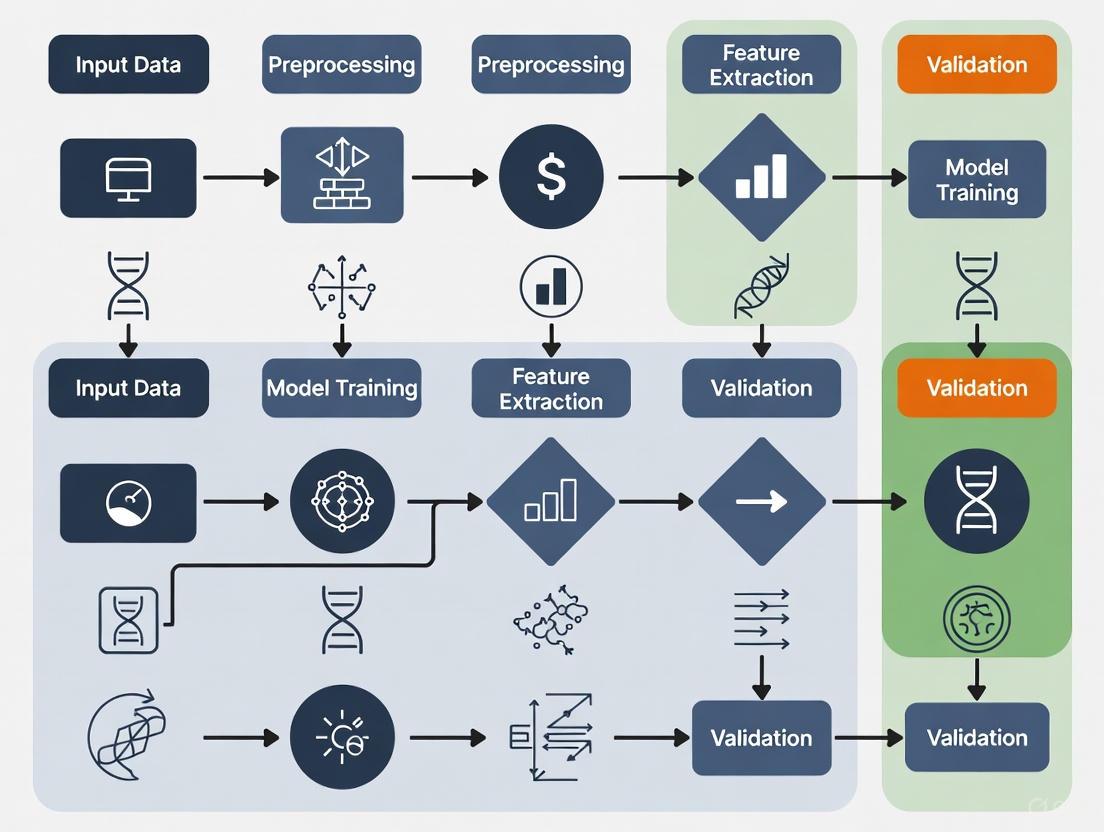
This article provides a comprehensive overview of computational biology, an interdisciplinary field that uses computational techniques to understand biological systems.
Computational Biology: The Essential Guide to Methods, Applications, and Future Directions
Abstract
This article provides a comprehensive overview of computational biology, an interdisciplinary field that uses computational techniques to understand biological systems. Tailored for researchers, scientists, and drug development professionals, it explores the field's foundations from its origins to modern applications in genomics, drug discovery, and systems biology. The content details essential algorithms and methodologies, offers best practices for troubleshooting and optimizing computational workflows, and discusses frameworks for validating models and comparing analytical tools. By synthesizing these core intents, the article serves as a critical resource for leveraging computational power to accelerate biomedical research and innovation.
From Turing to Today: Defining the Foundations of Computational Biology
What is Computational Biology? Core Definitions and Distinctions from Bioinformatics
Computational biology is an interdisciplinary field that develops and applies data-analytical and theoretical methods, mathematical modeling, and computational simulation techniques to the study of biological, behavioral, and social systems [1]. It represents a fusion of computer science, applied mathematics, statistics, and various biological disciplines to solve complex biological problems [2] [3].
Core Definitions and Key Distinctions
Computational Biology vs. Bioinformatics: A Comparative Analysis
While the terms are often used interchangeably, subtle distinctions exist in their primary focus and application. The table below summarizes the core differences.
Table 1: Core Distinctions Between Computational Biology and Bioinformatics
| Feature | Computational Biology | Bioinformatics |
|---|---|---|
| Core Focus | Developing theoretical models and computational solutions to biological problems; concerned with the "big picture" of biological meaning [4] [5]. | The process of interpreting and analyzing biological problems posed by the assessment of biodata; focuses on data organization and management [5]. |
| Primary Goal | To build highly detailed models of biological systems (e.g., the human brain, genome mapping) [5] and answer fundamental biological questions [4]. | To record, store, and analyze biological data, such as genetic sequences, and develop the necessary algorithms and databases [5]. |
| Characteristic Activities | - Computational simulations and mathematical modeling [4]- Theoretical model development [3]- Building models of protein folding and motion [5] | - Developing algorithms and databases for genomic data [5]- Analyzing and integrating genetic and genomic data sets [5]- Sequence alignment and homology analysis [3] |
| Typical Data Scale | Often deals with smaller, specific data sets to answer a defined biological question [4]. | Geared toward the management and analysis of large-scale data sets, such as full genome sequencing [4]. |
| Relationship | Often uses the data structures and tools built by bioinformatics to create models and find solutions [5]. | Provides the foundational data and often poses the biological problems that computational biology addresses [5]. |
In practice, the line between the two is frequently blurred. As one expert notes, "The computational biologist is more concerned with the big picture of what’s going on biologically," while bioinformatics involves the "programming and technical knowledge" to handle complex analyses, especially with large data [4]. Both fields are essential partners in modern biological research.
Major Research Domains in Computational Biology
The applications of computational biology are vast and span multiple levels of biological organization, from molecules to entire ecosystems.
Table 2: Key Research Domains in Computational Biology
| Research Domain | Description | Specific Applications |
|---|---|---|
| Computational Anatomy | The study of anatomical shape and form at a visible or gross anatomical scale, using coordinate transformations and diffeomorphisms to model anatomical variations [3]. | Brain mapping; modeling organ shape and form [3]. |
| Systems Biology (Computational Biomodeling) | A computer-based simulation of a biological system used to understand and predict interactions within that system [6]. | Networking cell signaling and metabolic pathways; identifying emergent properties [3] [6]. |
| Computational Genomics | The study of the genomes of cells and organisms [3]. | The Human Genome Project; personalized medicine; comparing genomes via sequence homology and alignment [3]. |
| Evolutionary Biology | Using computational methods to understand evolutionary history and processes [3]. | Reconstructing the tree of life (phylogenetics); modeling population genetics and demographic history [2] [3]. |
| Computational Neuroscience | The study of brain function in terms of its information processing properties, using models that range from highly realistic to simplified [3]. | Creating realistic brain models; understanding neural circuits involved in mental disorders (computational neuropsychiatry) [3]. |
| Computational Pharmacology | Using genomic and chemical data to find links between genotypes and diseases, and to screen drug data [3]. | Drug discovery and development; overcoming data scale limitations ("Excel barricade") in pharmaceutical research [3]. |
| Computational Oncology | The application of computational biology to analyze tumor samples and understand cancer development [3]. | Analyzing high-throughput molecular data (DNA, RNA) to diagnose cancer and understand tumor causation [3]. |
Experimental Protocol: Single-Cell RNA Sequencing Analysis
Single-cell RNA sequencing (scRNA-seq) has revolutionized biology by allowing researchers to measure gene expression at the level of individual cells. The computational analysis of this data is a prime example of a modern computational biology workflow. The following protocol outlines a detailed methodology for a specific research project that developed "scRNA-seq Dynamics Analysis Tools" [7].
Detailed Computational Methodology
1. Problem Formulation & Experimental Design:
- Objective Definition: Clearly state the biological question. For example: "Identify novel cell types in a tissue," "Trace cell lineage development," or "Understand heterogeneous responses to a drug in a population of cancer cells."
- Experimental Setup: Plan the biological experiment, including cell isolation, library preparation, and sequencing. The number of cells to be sequenced must be determined based on the expected heterogeneity and statistical power requirements.
2. Data Generation & Acquisition:
- Wet-lab Protocol: Isolate single cells using microfluidics or droplet-based technologies (e.g., 10x Genomics). Convert RNA into cDNA and prepare sequencing libraries using standard kits.
- Sequencing: Sequence the libraries on a high-throughput platform (e.g., Illumina). The output is millions of short DNA sequences (reads) corresponding to transcripts from individual cells.
3. Primary Computational Analysis (Bioinformatics Phase):
- Demultiplexing: Assign sequenced reads to the correct sample based on barcodes.
- Quality Control (QC): Use tools like FastQC to assess read quality. Trim adapter sequences and low-quality bases with tools like Cutadapt or Trimmomatic.
- Alignment: Map the cleaned reads to a reference genome (e.g., GRCh38 for human) using splice-aware aligners like STAR or HISAT2.
- Quantification: Count the number of reads mapped to each gene for each cell using tools like featureCounts or HTSeq. The output is a digital gene expression matrix (cells x genes).
4. Advanced Computational Analysis (Computational Biology Phase):
- Data Preprocessing:
- Quality Control (Cell-level): Filter out low-quality cells based on metrics like the number of genes detected per cell, total counts per cell, and the percentage of mitochondrial reads. This is typically performed using R (
Seuratpackage) or Python (Scanpypackage). - Normalization: Normalize gene expression counts to account for technical variations (e.g., sequencing depth) using methods like SCTransform in Seurat or
pp.normalize_totalin Scanpy. - Feature Selection: Identify highly variable genes that drive biological heterogeneity.
- Quality Control (Cell-level): Filter out low-quality cells based on metrics like the number of genes detected per cell, total counts per cell, and the percentage of mitochondrial reads. This is typically performed using R (
- Dimensionality Reduction: Project the high-dimensional data into 2 or 3 dimensions for visualization and further analysis using techniques like Principal Component Analysis (PCA), t-Distributed Stochastic Neighbor Embedding (t-SNE), or Uniform Manifold Approximation and Projection (UMAP).
- Clustering: Identify groups of cells with similar expression profiles using graph-based clustering (e.g., Louvain algorithm) or k-means. This step is crucial for hypothesizing the existence of distinct cell types or states.
- Differential Expression Analysis: Statistically identify genes that are significantly expressed between clusters or conditions using methods like Wilcoxon rank-sum test or MAST. This provides biological validation for the clusters and identifies marker genes.
- Biological Interpretation & Trajectory Inference: Use the clustering and differential expression results to annotate cell types based on known marker genes. For developmental processes, apply pseudotime analysis tools (e.g., Monocle, PAGA) to reconstruct the dynamic process of cell differentiation and transition.
5. Validation: Correlate computational findings with orthogonal experimental data, such as fluorescence-activated cell sorting (FACS) or immunohistochemistry, to confirm the identity and function of computationally derived cell clusters.
Research Reagent Solutions
Table 3: Essential Tools and Reagents for a scRNA-seq Workflow
| Item | Function in the Experiment |
|---|---|
| Single-Cell Isolation Kit (e.g., 10x Genomics Chromium) | Partitions individual cells into nanoliter-scale droplets along with barcoded beads, ensuring transcriptome-specific barcoding. |
| Reverse Transcriptase Enzyme | Synthesizes complementary DNA (cDNA) from the RNA template within each cell, creating a stable molecule for amplification and sequencing. |
| Next-Generation Sequencer (e.g., Illumina NovaSeq) | Performs high-throughput, parallel sequencing of the prepared cDNA libraries, generating millions to billions of reads. |
| Reference Genome (e.g., from UCSC Genome Browser) | Serves as the map for aligning short sequencing reads to their correct genomic locations and assigning them to genes. |
| Alignment Software (e.g., STAR) | A splice-aware aligner that accurately maps RNA-seq reads to the reference genome, accounting for introns. |
| Analysis Software Suite (e.g., Seurat in R) | An integrated toolkit for the entire computational biology phase, including QC, normalization, clustering, and differential expression. |
Workflow Visualization
The following diagram illustrates the logical flow and dependencies of the key steps in the single-cell RNA sequencing analysis protocol.
Current Research and Educational Pathways
Current research in computational biology is heavily driven by artificial intelligence and machine learning. Recent studies focus on AI-driven de novo design of enzymes and inhibitors [8], using deep learning for live-cell imaging automation [7], and improving the prediction of protein-drug interactions [9] [10].
Educational programs reflect the field's interdisciplinary nature. Undergraduate and graduate degrees, such as those offered at Brown University [2] and the joint Pitt-CMU PhD program [1], provide rigorous training in both biological sciences and quantitative fields like computer science and applied mathematics, preparing the next generation of scientists to advance this rapidly evolving field.
The past quarter-century has witnessed a profound transformation in biological science, driven by the integration of computational power and algorithmic innovation. This period, bracketed by two landmark achievements—the Human Genome Project (HGP) and the development of AlphaFold—marks the maturation of computational biology from a supplementary tool to a central driver of discovery. These projects exemplify a broader thesis: that complex biological problems are increasingly amenable to computational solution, accelerating the pace of research and reshaping approaches to human health and disease.
The HGP established the foundational paradigm of big data biology, demonstrating that a comprehensive understanding of life's blueprint required not only large-scale experimental data generation but also sophisticated computational assembly and analysis [11] [12]. AlphaFold, emerging years later, represents a paradigm shift toward artificial intelligence (AI)-driven predictive modeling, solving a 50-year-old grand challenge in biology by accurately predicting protein structures from amino acid sequences [13] [14]. Together, these milestones bookend an era of unprecedented progress, creating a new field where computation no longer merely supports but actively leads biological discovery.
The Human Genome Project: The Foundational Data Revolution
Project Conception and Execution
The Human Genome Project was an international, publicly funded endeavor launched in October 1990 with the primary goal of determining the complete sequence of the human genome [11]. This ambitious project represented a fundamental shift toward large-scale, collaborative biology. The initial timeline projected a 15-year effort, but competition from the private sector, notably Craig Venter's Celera Genomics, intensified the race and accelerated the timeline [12] [15]. The project culminated in the first draft sequence announcement in June 2000, with a completed sequence published in April 2003, two years ahead of the original schedule [11] [12].
The computational challenges were immense. The process generated over 400,000 DNA fragments that required assembly into a coherent sequence [15]. The breakthrough came from Jim Kent, a graduate student at UC Santa Cruz, who developed a critical assembly algorithm in just one month, enabling the public project to compete effectively with private efforts [15]. This effort was underpinned by a commitment to open science and data sharing, with the first genome sequence posted freely online on July 7, 2000, ensuring unrestricted access for the global research community [15].
Technical Methodologies and Workflows
The experimental and computational workflow of the HGP involved multiple coordinated stages:
- Sample Preparation and Sequencing: DNA fragments were cloned into bacterial artificial chromosomes (BACs) and other vectors to create manageable segments for sequencing [12].
- Fragment Sequencing: The initial sequencing used Sanger sequencing methodology, a capillary-based technique that formed the gold standard at the time [12].
- Computational Assembly: Kent's GigAssembler algorithm stitched together the fragmented sequences by identifying overlapping regions, creating a contiguous genome sequence [15].
- Data Annotation and Release: The assembled sequence was annotated with predicted genes and other functional elements and made publicly available through platforms like the UCSC Genome Browser [15].
The following workflow diagram illustrates the key stages of the genome sequencing and assembly process:
Quantitative Impact and Legacy
The Human Genome Project established a transformative precedent for large-scale biological data generation. The table below summarizes its key quantitative achievements and the technological evolution it triggered.
Table 1: Quantitative Impact of the Human Genome Project
| Metric | Initial Project (2003) | Current Standard (2025) | Impact |
|---|---|---|---|
| Time to Sequence | 13 years [12] | ~5 hours [15] | Enabled rapid diagnosis for rare diseases and cancers |
| Cost per Genome | ~$2.7 billion [12] | ~Few hundred dollars [12] | Made large-scale genomic studies feasible |
| Data Output | 1 human genome | 50 petabases of DNA sequenced [12] | Powered unprecedented insights into human health and disease |
| Genomic Coverage | 92% of genome [15] | 100% complete (Telomere-to-Telomere Consortium, 2022) [15] | Provided a complete, gap-free reference for variant discovery |
The project's legacy extends beyond these metrics. It catalyzed new fields like personalized medicine and genomic diagnostics, and demonstrated the power of international collaboration and open data sharing—principles that continue to underpin genomics research [12] [15]. The HGP provided the essential dataset that would later train a new generation of AI tools, including AlphaFold.
The AlphaFold Revolution: AI-Driven Structural Prediction
Solving a 50-Year Grand Challenge
The "protein folding problem"—predicting a protein's precise 3D structure from its amino acid sequence—had been a fundamental challenge in biology for half a century [13] [14]. Proteins, the functional machinery of life, perform their roles based on their unique 3D shapes. While experimental methods like X-ray crystallography could determine these structures, they were often painstakingly slow, taking a year or more per structure and costing over $100,000 each [13] [14].
AlphaFold 2, developed by Google DeepMind, decisively solved this problem in 2020. At the Critical Assessment of protein Structure Prediction (CASP 14) competition, it demonstrated accuracy comparable to experimental methods [13] [14]. This breakthrough was built on a transformer-based neural network architecture, which allowed the model to efficiently establish spatial relationships between amino acids in a sequence [14]. The system was trained on known protein structures from the Protein Data Bank and integrated evolutionary information from multiple sequence alignments [14].
Evolution of the AlphaFold Platform
The AlphaFold platform has evolved significantly since its initial release:
- AlphaFold 2 (2020): Achieved atomic-level accuracy in predicting single-protein structures [13] [14].
- AlphaFold Multimer: Extended capabilities to predict structures of multi-protein complexes [14].
- AlphaFold 3 (2024): Represented a major expansion, predicting the structures and interactions of a broad range of biomolecules beyond proteins, including DNA, RNA, ligands, and small molecules [13] [16]. AlphaFold 3 uses a diffusion-based architecture, similar to that in AI image generators, which progressively refines a random distribution of atoms into the most plausible structure [16].
Table 2: Evolution of the AlphaFold Platform and its Capabilities
| Version | Key Innovation | Primary Biological Scope | Performance Claim |
|---|---|---|---|
| AlphaFold 2 | Transformer-based attention mechanisms [14] | Single protein structures | Atomic-level accuracy (width of an atom) [14] |
| AlphaFold Multimer | Prediction of multi-chain complexes [14] | Protein-protein complexes | Enabled reliable study of protein interactions |
| AlphaFold 3 | Diffusion-based structure generation [16] | Proteins, DNA, RNA, ligands, etc. | 50%+ improvement on protein interactions; up to 200% in some categories [16] |
Technical Architecture and Workflow
The core innovation of AlphaFold 2 was its ability to model the spatial relationships and physical constraints within a protein sequence. The model employed an "Evoformer" module, a deep learning architecture that jointly processed information from the input sequence and multiple sequence alignments of related proteins, building a rich understanding of evolutionary constraints and residue-residue interactions.
The following diagram outlines the core inference workflow of AlphaFold 2 for structure prediction:
In 2021, DeepMind and EMBL-EBI launched the AlphaFold Protein Database, providing free access to over 200 million predicted protein structures [13]. This resource has been used by more than 3 million researchers in over 190 countries, dramatically lowering the barrier to structural biology [13].
Experimental Validation and Real-World Impact
Key Validation Experiments
The predictive power of AlphaFold has been rigorously validated in both computational benchmarks and real-world laboratory experiments, demonstrating its utility in accelerating biomedical research.
Table 3: Experimental Validations of AlphaFold-Generated Hypotheses
| Research Area | Experimental Protocol | Validation Outcome |
|---|---|---|
| Drug Repurposing for AML [17] | 1. AI co-scientist (utilizing AlphaFold) proposed drug repurposing candidates.2. Candidates tested in vitro on AML cell lines.3. Measured tumor viability at clinical concentrations. | Validated drugs showed significant inhibition of tumor viability, confirming therapeutic potential. |
| Target Discovery for Liver Fibrosis [17] | 1. System proposed and ranked novel epigenetic targets.2. Targets evaluated in human hepatic organoids (3D models).3. Assessed anti-fibrotic activity. | Identified targets demonstrated significant anti-fibrotic activity in organoid models. |
| Honeybee Immunity [13] [14] | 1. Used AlphaFold to model key immunity protein Vitellogenin (Vg).2. Structural insights guided analysis of disease resistance.3. Applied to AI-assisted breeding programs. | Structural insights are now used to support conservation of endangered bee populations. |
The Computational Biologist's Toolkit
The shift from the HGP to the AlphaFold era has been enabled by a suite of key reagents, datasets, and software tools that form the essential toolkit for modern computational biology.
Table 4: Essential Research Reagents and Tools in Computational Biology
| Tool / Resource | Type | Primary Function |
|---|---|---|
| BAC Vectors [12] | Wet-lab reagent | Clone large DNA fragments (100-200 kb) for stable sequencing. |
| Sanger Sequencer [12] | Instrument | Generate high-quality DNA sequence reads ( foundational for HGP). |
| UCSC Genome Browser [15] | Software/Database | Visualize and annotate genomic sequences and variations. |
| Protein Data Bank (PDB) | Database | Repository of experimentally determined 3D structures of biological macromolecules (training data for AlphaFold). |
| AlphaFold Protein DB [13] | Software/Database | Open-access database of 200+ million predicted protein structures. |
| AlphaFold Server [13] | Software Tool | Free platform for researchers to run custom structure predictions. |
The Modern Frontier: AI as a Collaborative Scientist
The trajectory from HGP to AlphaFold has established a new frontier: the development of AI systems that act as active collaborators in the scientific process. Systems like Google's "AI co-scientist," built on the Gemini 2.0 model, represent this new paradigm [17]. This multi-agent AI system is designed to mirror the scientific method itself, generating novel research hypotheses, designing detailed experimental protocols, and iteratively refining ideas based on automated feedback and literature analysis [17].
Laboratory validations have demonstrated this system's ability to independently generate hypotheses that match real experimental findings. In one case, it successfully proposed the correct mechanism by which capsid-forming phage-inducible chromosomal islands (cf-PICIs) spread across bacterial species, a discovery previously made in the lab but not yet published [17]. This illustrates a future where AI does not just predict structures or analyze data, but actively participates in the creative core of scientific reasoning.
The journey from the Human Genome Project to AlphaFold chronicles the evolution of biology into a quantitative, information-driven science. The HGP provided the foundational data layer—the code of life—while AlphaFold and its successors built upon this to create a predictive knowledge layer, revealing how this code manifests in functional forms. This progression underscores a broader thesis: computational biology is no longer a subsidiary field but is now the central engine of biological discovery.
The convergence of massive datasets, advanced algorithms, and increased computational power is ushering in an era of "digital biology." This new era promises to accelerate the pace of discovery across fundamental research, drug development, and therapeutic design, ultimately fulfilling the promise of precision medicine that the Human Genome Project first envisioned a quarter-century ago.
Computational biology represents a fundamental shift in biological research, forged at the intersection of three core disciplines: biology, computer science, and data science. This interdisciplinary field leverages computational approaches to analyze vast biological datasets, generate biological insights, and solve complex problems in biomedicine. The symbiotic relationship between these domains has transformed biology into an information science, where computer scientists develop new analytical methods for biological data, leading to discoveries that in turn inspire new computational approaches [18]. This convergence has become essential in the postgenomic era, where our ability to generate biological data has far outpaced our capacity to process and interpret it using traditional methods [19]. Computational biology now stands as a distinct interdisciplinary field that combines research from diverse areas including physics, chemistry, computer science, mathematics, biology, and statistics, all unified by the theme of using computational tools to extract insight from biological data [18].
The field has experienced remarkable growth, driven by technological advancements and increasing recognition of its value in biological research and drug development. The global computational biology market, valued at $6.34 billion in 2024, is projected to reach $21.95 billion by 2034, expanding at a compound annual growth rate (CAGR) of 13.22% [20]. This growth trajectory underscores the critical role computational approaches now play across the life sciences, from basic research to clinical applications.
Quantitative Landscape: Market Growth and Applications
The expanding influence of computational biology is reflected in robust market growth and diverse application areas. This growth is fueled by increasing demand for data-driven drug discovery, personalized medicine, and genomics research [21]. As biological data from next-generation sequencing becomes more readily available and predictive models are increasingly needed in therapy development and disease diagnosis, computational solutions are becoming the centerpiece of modern life sciences [21].
Table 1: Global Computational Biology Market Projections
| Market Size Period | Market Value | Compound Annual Growth Rate (CAGR) |
|---|---|---|
| 2024 | $6.34 billion | - |
| 2025 | $7.18 billion | 13.22% (2025-2034) |
| 2034 | $21.95 billion | 13.22% (2025-2034) |
Source: Precedence Research [20]
The market exhibits distinct regional variations in adoption and growth potential. North America dominated the global market with a 49% share in 2024, while the Asia Pacific region is estimated to grow at the fastest CAGR of 15.81% during the forecast period between 2025 and 2034 [20]. This geographical distribution reflects differences in research infrastructure, investment patterns, and regulatory environments across global markets.
Table 2: Computational Biology Market by Application and End-use (2024)
| Category | Segment | Market Share | Growth Notes |
|---|---|---|---|
| Application | Clinical Trials | 28% | Largest application segment |
| Computational Genomics | - | Fastest growing (16.23% CAGR) | |
| End-use | Industrial | 64% | Highest market share |
| Academic & Research | - | Anticipated fastest growth |
Source: Precedence Research [20]
The service landscape is dominated by software platforms, which held a 42% market share in 2024 [20]. This segment's dominance highlights the critical importance of specialized analytical tools and platforms in extracting value from biological data. The ongoing advancements in software development technologies, including AI-powered tools covering areas such as code generation, source code management, software packaging, containerization technologies, and cloud computing platforms are further enhancing scientific discovery processes [20].
Core Methodologies and Experimental Protocols
Genome Sequencing and Assembly
Computational biology relies on sophisticated methodologies for processing and interpreting biological data. Genome sequencing, particularly using shotgun approaches, remains a foundational protocol. This technique involves sequencing random small cloned fragments (reads) in both directions from the genome, with multiple iterations to provide sufficient coverage and overlap for assembly [19]. The process employs two main strategies: whole genome shotgun approach for smaller genomes and hierarchical shotgun approach for larger genomes, with the latter utilizing an added step to reduce computational requirements by first breaking the genome into larger fragments in known order [19].
The assembly process typically employs an "overlap-layout-consensus" methodology [19]. Initially, reads are compared to identify overlapping regions using hashing strategies to minimize computational time. When potentially overlapping reads are positioned, computationally intensive multiple sequence alignment produces a consensus sequence. This draft genome requires further computational and manual intervention to reach completion, with some pipelines incorporating additional steps using sequencing information from both directions of each fragment to reconstruct contigs into larger sections, creating scaffolds that minimize potential misassembly [19].
Specialized Computational Tools and Algorithms
Beyond foundational sequencing methods, computational biologists develop specialized algorithms to address specific biological questions. These include tools for analyzing repeats in genomes, such as EquiRep, which identifies repeated patterns in error-prone sequencing data by reconstructing a "consensus" unit from the pattern, demonstrating particular robustness against sequencing errors and effectiveness in detecting repeats of low copy numbers [18]. Such tools are crucial for understanding neurological and developmental disorders like Huntington's disease, Friedreich's ataxia, and Fragile X syndrome, where repeats constitute 8-10% of the human genome and have been closely linked to disease pathology [18].
Another advanced approach involves applying satisfiability solving—a fundamental problem in computer science—to biological questions. Researchers have successfully applied satisfiability to solve the double-cut-and-join distance, which measures large-scale genomic changes during evolution [18]. Such large-scale events, known as genome rearrangements, are associated with various diseases including cancers, congenital disorders, and neurodevelopmental conditions. Studying these rearrangements may identify specific genetic changes that contribute to diseases, potentially aiding diagnostics and targeted therapies [18].
For k-mer based analyses, where k-mers represent fixed-length subsequences of genetic material, structures like the Prokrustean graph enable practitioners to quickly iterate through all k-mer sizes to determine optimal parameters for applications ranging from determining microbial composition in environmental samples to reconstructing whole genomes from fragments [18]. This data structure addresses the computational challenge of selecting appropriate k-mer sizes, which significantly impacts analysis outcomes.
Visualization Principles for Biological Data
Effective data visualization represents a critical methodology in computational biology, requiring careful consideration of design principles. Successful visualizations exploit the natural tendency of the human visual system to recognize structure and patterns through preattentive attributes—visual properties including size, color, shape, and position that are processed at high speed by the visual system [22]. The precision of different visual encodings varies significantly, with length and position supporting highly precise quantitative judgments, while width, size, and intensity offer more imprecise encodings [22].
Color selection follows specific schemas based on data characteristics: qualitative palettes for categorical data without inherent ordering, sequential palettes for numeric data with natural ordering, and diverging palettes for numeric data that diverges from a center value [22]. Genomic data visualization presents unique challenges, requiring consideration of scalability across different resolutions—from chromosome-level structural rearrangements to nucleotide-level variations—and accommodation of diverse data types including Hi-C, epigenomic signatures, and transcription factor binding sites [23].
Visualization tools must balance technological innovation with usability, exploring emerging technologies like virtual and augmented reality while ensuring accessibility for diverse users, including accommodating visually impaired individuals who represent over 3% of the global population [23]. Effective tools make data complexity intelligible through derived measures, statistics, and dimension reduction techniques while retaining the ability to detect patterns that might be missed through computational means alone [23].
Computational biology research relies on a diverse toolkit of software, databases, and analytical resources. These tools form the essential infrastructure that enables researchers to transform raw data into biological insights.
Table 3: Essential Computational Biology Tools and Resources
| Tool Category | Examples | Primary Function |
|---|---|---|
| Sequence Analysis | Phred-PHRAP-CONSED [19] | Base calling, sequence assembly, and quality assessment |
| Visualization | JBrowse, IGV, Cytoscape [23] | Genomic data visualization and biological network analysis |
| Specialized Algorithms | EquiRep, Prokrustean graph [18] | Identify genomic repeats and optimize k-mer size selection |
| AI-Powered Platforms | PandaOmics, Chemistry42 [21] | AI-driven drug discovery and compound design |
| Data Resources | NCBI, Ensembl [19] [23] | Access to genomic databases and reference sequences |
The toolkit continues to evolve with emerging technologies, particularly artificial intelligence and machine learning. Different types of AI algorithms—including machine learning, deep learning, natural language processing, and data mining tools—are increasingly employed for analyzing vast biological datasets [20]. Implementation of generative AI models shows promise for predicting 3D molecular structures, generating genomic sequences, and simulating biological systems [20]. These tools are being applied across diverse areas including gene therapy vector design, personalized medicine strategy development, metagenomics and microbiome analysis, protein identification, automated biological image analysis, cancer outcome prediction, and enhancement of gene editing technologies such as CRISPR [20].
Future Directions and Emerging Trends
The future of computational biology is being shaped by several convergent technologies and methodologies. Artificial intelligence and machine learning continue to transform the field, with recent demonstrations including Insilico Medicine's AI-designed drug candidate ISM001-055, developed through proprietary platforms PandaOmics and Chemistry42, advancing to Phase IIa clinical trials for idiopathic pulmonary fibrosis [21]. This milestone illustrates how computational modeling and AI-driven compound design can accelerate drug development, moving quickly from target discovery to mid-stage trials while reducing timelines, costs, and risks [21].
The integration of Internet of Things (IoT) technologies with computational biology, termed Bio-IoT, enables collecting, transmitting, and analyzing biological data using sensors, devices, and interconnected networks [20]. This approach finds application in real-time monitoring and data collection, automated experiments, precision healthcare, and translational bioinformatics. Concurrently, rising investments and collaborations among venture capitalists, industries, and governments are fueling development of innovative computational tools with advanced diagnostic and therapeutic capabilities [20].
Educational initiatives are evolving to address the growing need for computational biology expertise. Programs like the Experiential Data science for Undergraduate Cross-Disciplinary Education (EDUCE) initiative aim to progressively build data science competency across several years of integrated practice [24]. These programs focus on developing core competencies including recognizing and defining uses of data science, exploring and manipulating data, visualizing data in tables and figures, and applying and interpreting statistical tests [24]. Such educational innovations are essential for preparing the next generation of scientists to thrive at the intersection of biology, computer science, and data science.
As computational biology continues to evolve, the interdisciplinary pillars of biology, computer science, and data science will become increasingly integrated, driving innovations that transform our understanding of biological systems and accelerate the development of novel therapeutics for human diseases.
Computational biology is an interdisciplinary field that develops and applies data-analytical and theoretical methods, mathematical modeling, and computational simulation techniques to the study of biological systems. The field encompasses a wide range of subdisciplines, each addressing different biological questions using computational approaches. This guide provides an in-depth technical overview of four core subfields—Genomics, Proteomics, Systems Biology, and Computational Neuroscience—framed within the context of contemporary research and drug development. The integration of these domains is accelerating biomarker discovery, clarifying disease mechanisms, and uncovering potential therapeutic targets, ultimately supporting the advancement of precision medicine [25].
Genomics
Genomics involves the comprehensive study of genomes, the complete set of DNA within an organism. Computational genomics focuses on developing and applying analytical methods to extract meaningful biological information from DNA sequences and their variations. This subfield has evolved from initial sequencing efforts to now include functional genomics, which aims to understand the relationship between genotype and phenotype, and structural genomics, which focuses on the three-dimensional structure of every protein encoded by a given genome. The scale of genomic data has grown exponentially, with large-scale projects like the U.K. Biobank Pharma Proteomics Project now analyzing hundreds of thousands of samples, generating unprecedented data volumes that require sophisticated computational tools for interpretation [25].
Key Experimental Protocols and Methodologies
Protocol: NanoVar for Structural Variant Detection Structural variants (SVs) are large-scale genomic alterations that can have significant functional consequences. NanoVar is a specialized structural variant caller designed for low-depth long-read sequencing data [26].
- Sample Preparation and Sequencing: Extract high-molecular-weight genomic DNA. Prepare a sequencing library according to the long-read sequencing platform's specifications (e.g., Oxford Nanopore or PacBio). Sequence the library to achieve the desired low-depth coverage.
- Quality Assessment and Preprocessing: Assess raw data quality using tools like NanoPlot. Filter and trim reads based on quality scores and length.
- Alignment and SV Calling: Align the processed reads to a reference genome using a compatible aligner. Run NanoVar on the aligned BAM file to detect non-reference insertion variants and other SVs. A key feature of NanoVar is its ability to perform repeat element annotation on inserted sequences.
- Downstream Analysis: Annotate the called SVs with gene information, functional impact predictions, and population frequency data. Visually validate high-confidence SVs using tools like Integrative Genomics Viewer (IGV).
Protocol: Single-Cell and Spatial Transcriptomics Analysis This protocol involves the generation and computational analysis of single-cell RNA sequencing (scRNA-seq) data to profile gene expression at the level of individual cells [27] [28].
- Single-Cell Isolation and Library Preparation: Dissociate fresh tissue into a single-cell suspension. Viable cells are captured, and libraries are prepared using microfluidic platforms (e.g., 10x Genomics) or plate-based methods. The libraries are then sequenced on a high-throughput platform.
- Primary Data Processing: Demultiplex the raw sequencing data. Align reads to a reference genome and generate a gene expression count matrix, where rows represent genes and columns represent individual cells.
- Quality Control and Normalization: Filter out low-quality cells based on metrics like the number of genes detected per cell and the percentage of mitochondrial reads. Normalize the data to account for technical variation (e.g., sequencing depth).
- Dimensionality Reduction and Clustering: Reduce the high-dimensional data using principal component analysis (PCA). Cluster the cells using graph-based or k-means algorithms to identify putative cell types or states.
- Differential Expression and Biomarker Identification: Identify genes that are differentially expressed between clusters, which serve as potential marker genes for each cell type.
- Spatial Mapping (if applicable): For spatial transcriptomics datasets, the single-cell expression data is mapped back to its original spatial location within the tissue, allowing for the analysis of cellular organization and cell-cell communication [28].
Key Research Reagent Solutions
- Olink Explore HT Platform: An affinity-based proteomics platform used in large-scale genomics-proteomics integration studies to quantify protein targets in blood serum samples. It uses DNA-barcoded antibodies for highly multiplexed protein measurement [25].
- Ultima UG 100 Sequencing Platform: A novel short-read sequencing system that utilizes a large open surface area supported by a silicon wafer instead of conventional flow cells. It is designed for high-throughput, cost-efficient sequencing, making it suitable for population-scale studies [25].
- 10x Genomics Single Cell Reagents: A suite of products for preparing single-cell RNA-seq libraries, enabling the partitioning of individual cells and barcoding of their transcripts for high-throughput profiling.
- NanoVar Software: A specialized computational tool for calling structural variants from low-depth long-read sequencing data, with particular strength in annotating repeat elements in inserted sequences [26].
Genomics Data Analysis Workflow
The following diagram illustrates the standard computational workflow for analyzing single-cell RNA sequencing data, from raw data to biological interpretation.
Proteomics
Proteomics is the large-scale study of the complete set of proteins expressed in a cell, tissue, or organism. In contrast to genomics, proteomics captures dynamic events such as protein degradation, post-translational modifications (PTMs), and changes in subcellular localization, providing a more direct view of cellular function [25]. Computational proteomics involves the development of algorithms for protein identification, quantification, and the analysis of complex proteomic datasets. Recent breakthroughs include the development of benchtop protein sequencers, advances in spatial proteomics, and the feasibility of running proteomics at a population scale to uncover associations between protein levels, genetics, and disease phenotypes [25].
Key Experimental Protocols and Methodologies
Protocol: SNOTRAP for S-Nitrosoproteome Profiling This protocol provides a robust, proteome-wide approach for exploring S-nitrosylated proteins (a key PTM) in human and mouse tissues using the SNOTRAP probe and mass spectrometry [26].
- Sample Preparation and Labeling: Homogenize tissue samples in labeling buffer. Incubate the lysate with the SNOTRAP probe, which selectively reacts with S-nitrosylated cysteine residues.
- Enrichment and Digestion: Capture the labeled proteins using click chemistry-based enrichment on beads. Wash the beads to remove non-specifically bound proteins. On-bead, digest the captured proteins into peptides using trypsin.
- Mass Spectrometry Analysis: Analyze the resulting peptides using nano-liquid chromatography–tandem mass spectrometry (nano-LC-MS/MS). The mass spectrometer records the mass-to-charge ratios and intensities of peptides.
- Data Processing and Protein Identification: Compare the experimental MS/MS spectra to established theoretical spectra in protein databases to identify the peptides and proteins. Quantify the relative abundance of S-nitrosylated proteins across different samples.
Protocol: Mass Photometry for Biomolecular Quantification Mass photometry is a label-free method that measures the mass of individual molecules by detecting the optical contrast they generate when landing on a glass-water interface [26].
- Sample and Microscope Preparation: Clean the glass coverslip thoroughly. Calibrate the mass photometer using proteins of known molecular weight.
- Data Acquisition: Apply a dilute solution of the biomolecular sample (e.g., a protein mixture) to the coverslip. Focus the microscope on the glass-water interface and record a short video of the molecules diffusing into the field of view.
- Image Analysis and Mass Calculation: Software identifies and analyzes the contrast signal generated by each individual molecule. The contrast is proportional to the molecule's mass, allowing the construction of a mass histogram for the entire population.
- Validation: The protocol emphasizes the need to optimize and validate the method for each specific biological system to ensure accurate mass measurement.
Key Research Reagent Solutions
- SomaScan Platform (Standard BioTools): An affinity-based proteomic platform that uses modified nucleotides (SOMAmers) to bind and quantify thousands of proteins simultaneously. It is commonly used in large-scale clinical studies [25].
- Quantum-Si Platinum Pro Benchtop Sequencer: A single-molecule protein sequencer that operates on a laboratory benchtop. It determines the identity and order of amino acids in peptides, providing a different type of data from mass spectrometry or affinity assays [25].
- Phenocycler Fusion Platform (Akoya Biosciences): An imaging-based platform for multiplexed spatial proteomics that uses antibodies with fluorescent readouts to map protein expression in intact tissues [25].
- ANPELA Software: A software package for comparing and assessing the performance of different computational workflows for processing single-cell proteomic data, ensuring the selection of the most appropriate pipeline [26].
Proteomics Technology Comparison
Table 1: Comparison of Major Proteomics Technologies
| Technology | Principle | Key Applications | Advantages | Limitations |
|---|---|---|---|---|
| Mass Spectrometry [25] | Measures mass-to-charge ratio of ionized peptides. | Discovery proteomics, PTM analysis, quantification. | High accuracy, comprehensive, untargeted. | Expensive instrumentation, requires expertise. |
| Affinity-Based Assays (Olink, SomaScan) [25] | Uses antibodies or nucleotides to bind specific proteins. | High-throughput targeted quantification, biomarker validation. | High multiplexing, good sensitivity, high throughput. | Targeted (pre-defined protein panel). |
| Benchtop Protein Sequencing (Quantum-Si) [25] | Optical detection of amino acid binding to peptides. | Protein identification, variant detection, low-throughput applications. | Single-molecule resolution, no special expertise needed. | Lower throughput compared to other methods. |
| Spatial Proteomics (Phenocycler) [25] | Multiplexed antibody-based imaging on tissue sections. | Spatial mapping of protein expression in intact tissues. | Preserves spatial context, single-cell resolution. | Limited multiplexing compared to sequencing. |
Spatial Proteomics Workflow
The following diagram outlines the key steps in an imaging-based spatial proteomics workflow, which preserves the spatial context of protein expression within a tissue sample.
Systems Biology
Systems biology is an interdisciplinary field that focuses on the complex interactions within biological systems, with the goal of understanding and predicting emergent behaviors that arise from these interactions. It integrates computational modeling, high-throughput omics data, and experimental biology to study biological systems as a whole, rather than as isolated components [29] [30]. A key application is in bioenergy and environmental research, where systems biology aims to understand, predict, manipulate, and design plant and microbial systems for innovations in renewable energy and environmental sustainability [29]. The field relies heavily on mathematical models to represent networks and to simulate system dynamics under various conditions.
Key Experimental Protocols and Methodologies
Protocol: Multiscale Modeling of Brain Activity This computational framework is used to study how molecular changes impact large-scale brain activity, bridging scales from synapses to the whole brain [31].
- Define the Biological Question: Formulate a specific question, such as how an anesthetic drug acting on synaptic receptors leads to changes in brain-wide activity observed in fMRI.
- Model Synaptic Dynamics: Develop biophysically grounded mean-field models that simulate the microscopic action of the drug on specific synaptic receptors (e.g., GABA-A receptors). These models calculate the resulting changes in synaptic currents and neuronal firing rates.
- Upscale to Macroscale Activity: Integrate the local synaptic dynamics into a large-scale brain network model. This model typically consists of multiple interconnected brain regions, with connectivity based on empirical tractography data.
- Simulate and Validate: Run simulations to generate predictions of macroscale brain activity (e.g., fMRI BOLD signals). Compare these simulated signals with empirical data collected under the same conditions (e.g., during anesthesia) to validate the model.
- Model Analysis: Use the validated model to run in silico experiments, such as predicting the effects of different drug doses or mutations in the receptors.
Protocol: MMIDAS for Single-Cell Data Analysis Mixture Model Inference with Discrete-coupled Autoencoders (MMIDAS) is an unsupervised computational framework that jointly learns discrete cell types and continuous, cell-type-specific variability from single-cell omics data [31].
- Data Input: Input a high-dimensional single-cell dataset (e.g., scRNA-seq or multi-omics data) into the MMIDAS framework.
- Joint Learning: The model's variational autoencoder architecture simultaneously performs two tasks: it learns discrete clusters (representing cell types) and continuous latent factors that capture within-cell-type variability (e.g., differentiation gradients or metabolic activity).
- Interpretation: Analyze the learned discrete clusters to define robust cell types. Interrogate the continuous latent factors to understand the biological sources of variability within each cell type, which may relate to processes like cell cycle, stress, or activation.
- Validation: Validate the identified cell types and continuous variations using known marker genes or through comparison with independent datasets.
Key Research Reagent Solutions
- Digital Brain Platform: A computational platform capable of simulating spiking neuronal networks at the scale of the human brain. It can be used to reproduce brain activity signals like BOLD fMRI for both resting state and action conditions [31].
- BAAIWorm: An integrative, data-driven model of C. elegans that simulates closed-loop interactions between the brain, body, and environment. It uses a biophysically detailed neuronal model to replicate locomotive behaviors [31].
- SNOPS (Spiking Network Optimization System): An automatic framework for configuring a spiking network model to reproduce neuronal recordings, used to discover limitations of existing models and guide their development [31].
- T-PHATE Software: A multi-view manifold learning algorithm for high-dimensional time-series data. It is used to embed functional brain imaging data into low dimensions, revealing trajectories through brain states that predict cognitive processing [31].
Multiscale Systems Biology Modeling
The following diagram illustrates the integrative, multiscale approach of systems biology, connecting molecular-level interactions to macroscopic, system-level phenotypes.
Computational Neuroscience
Computational neuroscience employs mathematical models, theoretical analysis, and simulations to understand the principles governing the structure and function of the nervous system. The field spans multiple scales, from the dynamics of single ion channels and neurons to the complexities of whole-brain networks and cognitive processes [31]. Recent research has focused on creating virtual brain twins for personalized medicine in epilepsy, aligning large language models with brain activity during language processing, and using manifold learning to map trajectories of brain states underlying cognitive tasks [31]. These approaches provide a causal bridge between biological mechanisms and observable neural phenomena.
Key Experimental Protocols and Methodologies
Protocol: Creating a Virtual Brain Twin for Epilepsy This protocol involves creating a high-resolution virtual brain twin to estimate the epileptogenic network, offering a step toward non-invasive diagnosis and treatment of drug-resistant focal epilepsy [31].
- Data Acquisition: Acquire multi-modal neuroimaging data from the patient, including structural MRI (sMRI), diffusion-weighted MRI (dMRI) for connectivity, and resting-state functional MRI (fMRI).
- Personalized Brain Network Model: Reconstruct the patient's brain anatomy from the sMRI. Use dMRI tractography to map the structural connectivity between brain regions. Create a large-scale brain network model where each node represents a population of neurons, with its dynamics governed by mean-field models.
- Model Fitting and Seizure Induction: Fit the model parameters to the patient's empirical fMRI data. Then, simulate stimulation across different network nodes to identify which stimulations can induce seizure-like activity in silico. The set of nodes that can induce seizures defines the estimated epileptogenic network.
- Clinical Application: The identified network can inform treatment strategies, such as planning surgical interventions or targeted neuromodulation to disrupt the seizure-generating circuitry.
Protocol: Brain Rhythm-Based Inference (BRyBI) for Speech Processing BRyBI is a computational model that elucidates how gamma, theta, and delta neural oscillations guide the process of speech recognition by providing temporal windows for integrating bottom-up input with top-down information [31].
- Model Architecture: Design a hierarchical neural network model where different levels of speech representation (e.g., features, syllables, words) are processed at different temporal scales, corresponding to brain rhythms (gamma, theta, delta).
- Simulate Rhythmic Activity: Implement oscillatory dynamics in the model to create rhythmic sampling and integration windows. Gamma oscillations may sample acoustic features, theta may chunk syllables, and delta may track prosodic information.
- Input Processing and Prediction: Feed natural speech signals into the model. The model uses the rhythmic activity to dynamically predict context and parse the continuous speech stream into recognizable units.
- Validation: Compare the model's internal activity and its output (e.g., word recognition performance) with empirical data from electrophysiological recordings (e.g., EEG or MEG) during the same speech tasks.
Key Research Reagent Solutions
- Virtual Brain Twin Platform: A personalized modeling platform that uses a patient's own MRI data to create a simulation of their brain, used to map epileptogenic networks and plan treatments [31].
- BRyBI Model: A computational model of speech processing in the auditory cortex that incorporates gamma, theta, and delta neural oscillations to explain how the brain robustly parses continuous speech [31].
- Neural Code Conversion Tools: Deep learning-based methods that align brain activity data across different individuals without the need for shared stimuli, enabling inter-individual brain decoding and visual image reconstruction [31].
- SNOPS (Spiking Network Optimization System): An automatic framework for configuring a spiking network model to reproduce neuronal recordings, used to discover limitations of existing models and guide their development [31].
Virtual Brain Twin Workflow
The following diagram outlines the process of creating and using a personalized virtual brain twin for clinical applications such as epilepsy treatment planning.
Core Algorithms and Transformative Applications in Biomedicine
Computational biology research leverages sophisticated algorithms to extract meaningful patterns from vast biological datasets. Among these, sequence alignment tools, BLAST, and Hidden Markov Models (HMMs) constitute a foundational toolkit, enabling researchers to decipher evolutionary relationships, predict molecular functions, and annotate genomic elements. These methods transform raw sequence data into biological insights, powering applications from drug target identification to understanding disease mechanisms. HMMs, in particular, provide a powerful statistical framework for modeling sequence families and identifying distant homologies that simpler methods miss [32] [33]. This whitepaper provides an in-depth technical examination of these core algorithms, their methodologies, and their practical applications in biomedical research and drug development.
Foundational Sequence Alignment Algorithms
Sequence alignment forms the bedrock of comparative genomics, enabling the identification of similarities between DNA, RNA, or protein sequences. These similarities reveal functional, structural, and evolutionary relationships.
Algorithmic Methodologies and Protocols
Needleman-Wunsch Algorithm: This dynamic programming algorithm performs global sequence alignment, optimal for sequences of similar length where the entire sequence is assumed to be related. It considers all possible alignments to find the optimal one based on a predefined scoring matrix for matches, mismatches, and gaps [34]. The algorithm initializes a scoring matrix, fills it based on maximizing the alignment score, and traces back to construct the optimal alignment.
Smith-Waterman Algorithm: Designed for local sequence alignment, this method identifies regions of local similarity between two sequences without requiring the entire sequences to align. It uses dynamic programming with a similar scoring approach but resets scores to zero for negative values, allowing it to focus on high-scoring local segments. While optimal, it is computationally intensive compared to heuristic methods [34].
Multiple Sequence Alignment (MSA) Tools: Aligning more than two sequences is an NP-hard problem, leading to heuristic-based tools:
- CLUSTAL: Uses a progressive alignment approach, constructing a guide tree from pairwise distances to determine the alignment order [34].
- MUSCLE: Employs iterative refinement and log-expectation scoring, offering improved speed and accuracy for large datasets [34].
- MAFFT: Utilizes Fast Fourier Transform (FFT) to rapidly identify homologous regions, supporting various strategies including iterative refinement [34].
Table 1: Key Sequence Alignment Algorithms and Tools
| Algorithm/Tool | Alignment Type | Core Methodology | Primary Use Case |
|---|---|---|---|
| Needleman-Wunsch | Global | Dynamic Programming | Aligning sequences of similar length |
| Smith-Waterman | Local | Dynamic Programming | Finding local regions of similarity |
| CLUSTAL | Multiple | Progressive Alignment | Phylogenetic analysis |
| MUSCLE | Multiple | Iterative Refinement | Large dataset alignment |
| MAFFT | Multiple | Fast Fourier Transform | Sequences with large gaps |
Advanced MSA Post-Processing Methods
Given that MSA is inherently NP-hard and initial alignments may contain errors, post-processing methods have been developed to enhance accuracy. These are categorized into two main strategies [35]:
- Meta-alignment: Integrates multiple independent MSA results to produce a consensus alignment. Tools like M-Coffee build a consistency library from input alignments, weighting character pairs by their consistency, then generate a final MSA that best reflects the consensus [35].
- Realigner: Directly refines a single existing alignment by locally adjusting regions with potential errors. Strategies include:
- Single-type partitioning: One sequence is extracted and realigned against a profile of the remaining sequences.
- Double-type partitioning: The alignment is split into two profiles which are then realigned.
- Tree-dependent partitioning: The alignment is divided based on a guide tree, and the subtrees are realigned [35].
BLAST: Basic Local Alignment Search Tool
BLAST is a cornerstone heuristic algorithm for comparing a query sequence against a database to identify local similarities. Its speed and sensitivity make it indispensable for functional annotation and homology detection.
Experimental Protocol for Protein BLAST (BLASTP)
A standard BLASTP analysis involves the following steps [36]:
- Query Submission: Input a protein sequence (e.g., in FASTA format) into the BLASTP interface.
- Database Selection: Select the target protein database (e.g.,
nr,Swiss-Prot, orClusteredNR). - Parameter Configuration: Adjust parameters (e.g., scoring matrix, expectation threshold) if needed, though defaults are often sufficient.
- Result Analysis: Interpret the output, which includes:
- Score: The bit score, which assesses alignment quality.
- E-value: The probability that the alignment occurred by chance; lower values indicate greater significance.
- Identities: The percentage of identical residues in the alignment.
Advances in BLAST Databases
A significant recent development is the upcoming default shift to the ClusteredNR database for protein BLAST searches. This database groups sequences from the standard nr database into clusters based on similarity, representing each cluster with a single, well-annotated sequence. This offers [37]:
- Faster search times due to reduced database size.
- Decreased redundancy in results, presenting a cleaner output.
- Broader taxonomic coverage per query, increasing the chance of detecting distant homologs.
Hidden Markov Models: Theory and Applications
HMMs are powerful statistical models for representing probability distributions over sequences of observations. In bioinformatics, they excel at capturing dependencies between adjacent symbols in biological sequences, making them ideal for modeling domains, genes, and other sequence features.
Core Concepts and Model Parameters
An HMM is a doubly-embedded stochastic process with an underlying Markov chain of hidden states that is not directly observable, but can be inferred through a sequence of emitted symbols [32] [38]. An HMM is characterized by the parameter set λ = (A, B, π) [32]:
- State Space (Q): The set of all possible hidden states, e.g.,
{q1, q2, ..., qN}. - Observation Space (V): The set of all possible observable symbols, e.g.,
{v1, v2, ..., vM}. - Transition Probability Matrix (A): Defines the probability
aijof transitioning from stateito statej. - Emission Probability Matrix (B): Defines the probability
bj(k)of emitting symbolkwhile in statej. - Initial State Distribution (π): The probability
πiof starting in stateiat timet=1.
The model operates under two key assumptions: the Markov property (the next state depends only on the current state) and observation independence (each observation depends only on the current state) [32].
The Three Canonical Problems of HMMs
HMM applications revolve around solving three fundamental problems [32]:
- Evaluation Problem: Given a model
λand an observation sequenceO, compute the probabilityP(O|λ)that the model generated the sequence. Solved efficiently by the Forward-Backward Algorithm. - Decoding Problem: Given
λandO, find the most probable sequence of hidden statesX. Solved optimally using the Viterbi Algorithm, which employs dynamic programming to find the best path. - Learning Problem: Given
O, adjust the model parametersλto maximizeP(O|λ). This is typically addressed by the Baum-Welch Algorithm, an Expectation-Maximization (EM) algorithm that iteratively refines parameter estimates.
Table 2: HMM Algorithms and Their Applications in Bioinformatics
| HMM Algorithm | Problem Solved | Key Bioinformatics Application |
|---|---|---|
| Forward-Backward | Evaluation | Assessing how well a sequence fits a gene model |
| Viterbi | Decoding | Predicting the most likely exon-intron structure |
| Baum-Welch | Learning | Training a model from unannotated sequences |
HMM Variants and Specialized Applications
Several HMM topologies and variants have been developed to address specific biological problems [33]:
- Profile HMMs: Linear, left-right models with match (M), insert (I), and delete (D) states. They are the foundation of tools like HMMER and databases like Pfam for sensitive homology detection and protein family classification [34] [33].
- Pair HMMs (PHMMs): Generate a pair of sequences and are used for probabilistic pairwise sequence alignment, calculating the probability that two sequences are related [33].
- Generalized HMMs (GHMMs): Also known as hidden semi-Markov models, they allow states to emit segments of symbols of variable length from a non-geometric distribution. This is critical for gene prediction in tools like GENSCAN, as exon lengths are not geometrically distributed [33].
Table 3: Essential Bioinformatics Resources for Algorithmic Analysis
| Resource Name | Type | Function in Research |
|---|---|---|
| NCBI BLAST | Web Tool / Algorithm | Identifies regions of local similarity between sequences; primary tool for homology searching. |
| HMMER | Software Suite | Performs sequence homology searches using profile HMMs; more sensitive than BLAST for remote homologs. |
| Pfam | Database | Collection of protein families, each represented by multiple sequence alignments and profile HMMs. |
| ClusteredNR | Database | Non-redundant protein database of sequence clusters; provides faster BLAST searches with broader taxonomic coverage. |
| SCOPe | Database | Structural Classification of Proteins database; used for benchmarking homology detection methods. |
Emerging Trends and Future Directions
The field of bioinformatics algorithms is rapidly evolving. Key trends include:
- Integration of Deep Learning: New methods like the Dense Homolog Retriever (DHR) use protein language models and dense retrieval techniques to detect remote homologs. DHR is alignment-free, making it up to 28,700 times faster than HMMER while achieving superior sensitivity, particularly at the superfamily level [39].
- Hybrid Approaches: Combining the strengths of different algorithms, such as using fast, deep learning-based methods like DHR for initial retrieval followed by rigorous profile-based tools like JackHMMER for multiple sequence alignment construction, creates powerful and efficient pipelines [39].
- Advanced Post-Processing: Continued development of meta-alignment and realigner methods for multiple sequence alignment refines initial results, improving the quality of downstream phylogenetic and structural analyses [35].
Sequence alignment, BLAST, and Hidden Markov Models represent a core algorithmic triad that continues to underpin computational biology research. From their foundational mathematical principles to their sophisticated implementations in tools like HMMER and advanced BLAST databases, these algorithms empower researchers to navigate the complexity of biological data. The ongoing integration with machine learning and the refinement of post-processing techniques ensure that these methods will remain indispensable for driving discovery in genomics, proteomics, and drug development, transforming raw data into profound biological understanding.
Computational biology leverages computational techniques to analyze biological data, fundamentally advancing our understanding of complex biological systems. This field sits at the intersection of biology, computer science, and statistics, enabling researchers to manage and interpret the vast datasets generated by modern high-throughput technologies. The core workflow of genomics research—encompassing genome assembly, variant calling, and gene prediction—serves as a foundational pipeline in this discipline. Genome assembly reconstructs complete genome sequences from short sequencing reads, variant calling identifies differences between the assembled genome and a reference, and gene prediction annotates functional elements within the genomic sequence. Framed within the broader context of computational biology research, this pipeline transforms raw sequencing data into biologically meaningful insights, driving discoveries in personalized medicine, rare disease diagnosis, and evolutionary studies [40]. The integration of long-read sequencing technologies and advanced algorithms has recently propelled these methods to new levels of accuracy and completeness, allowing scientists to investigate previously inaccessible genomic regions and complex variations [41] [42].
Genome Assembly: Reconstructing the Genomic Puzzle
Genome assembly is the process of reconstructing the original DNA sequence from numerous short or long sequencing fragments. This computational challenge is akin to assembling a complex jigsaw puzzle from millions of pieces. Recent advances, particularly in long-read sequencing (LRS) technologies, have dramatically improved the continuity and accuracy of genome assemblies, enabling the construction of near-complete, haplotype-resolved genomes [41].
Technologies and Data Types
The choice of sequencing technology critically influences assembly quality. A multi-platform approach often yields the best results:
- Pacific Biosciences (PacBio) HiFi Sequencing: Generates highly accurate reads (~99.9% accuracy) of 15-20 kilobases (kb) in length. These reads are ideal for resolving complex regions with high base-level precision [41] [42].
- Oxford Nanopore Technologies (ONT) Sequencing: Produces very long reads (10-100 kb, with ultra-long reads exceeding 100 kb). While base-level accuracy is lower than HiFi, the exceptional length is invaluable for spanning long repetitive elements and resolving large structural variations [41] [42].
- Supplementary Data: Assembly is often strengthened by incorporating additional data types:
- Hi-C Sequencing: Captures chromatin interactions to scaffold contigs into chromosomes and resolve haplotypes [41].
- Strand-seq: Provides global phasing information, enabling the separation of maternal and paternal chromosomes [41].
- Bionano Genomics Optical Mapping: Generates long-range restriction maps to validate assembly structure and correct mis-assemblies [42].
Assembly Algorithms and Workflow
Modern assemblers like Verkko and hifiasm automate the process of generating haplotype-resolved assemblies from a combination of LRS data and phasing information [41]. The process can be broken down into several key stages, as shown in the workflow below.
Diagram 1: Workflow for generating a haplotype-resolved genome assembly.
The following table summarizes the experimental outcomes from a recent large-scale study that employed this workflow on 65 diverse human genomes, highlighting the power of contemporary assembly methods [41].
Table 1: Assembly Metrics from a Recent Study of 65 Human Genomes [41]
| Metric | Result (Median) | Description and Significance |
|---|---|---|
| Number of Haplotype Assemblies | 130 | Two (maternal and paternal) for each of the 65 individuals. |
| Assembly Continuity (auN) | 137 Mb | Area under the Nx curve; a measure of contiguity (higher is better). |
| Base-Level Accuracy (Quality Value) | 54-57 | A QV of 55 indicates an error rate of about 1 in 3 million bases. |
| Gaps Closed from Previous Assemblies | 92% | Dramatically improves completeness, especially in repetitive regions. |
| Telomere-to-Telomere (T2T) Chromosomes | 39% | Chromosomes assembled from one telomere to the other with no gaps. |
| Completely Resolved Complex Structural Variants | 1,852 | Highlights the ability to resolve structurally complex genomic regions. |
The Scientist's Toolkit: Genome Assembly Reagents & Materials
Table 2: Essential research reagents and materials for long-read genome assembly.
| Item | Function |
|---|---|
| Circulomics Nanobind CBB Big DNA Kit | Extracts high-molecular-weight (HMW) DNA, critical for long-read sequencing [42]. |
| Diagenode Megaruptor 3 | Shears DNA to an optimal fragment size (e.g., ~50 kb peak) for library preparation [42]. |
| PacBio SRE (Short Read Eliminator) Kit | Removes short DNA fragments to enrich for long fragments, improving assembly continuity [42]. |
| ONT Ligation Sequencing Kit (SQK-LSK114) | Prepares sheared HMW DNA for sequencing on Nanopore platforms [42]. |
| ONT R10.4.1 Flow Cell | Nanopore flow cell with updated chemistry for improved base-calling accuracy, especially in homopolymers [42]. |
Variant Calling: Identifying Genomic Variations
Variant calling is the bioinformatic process of identifying differences (variants) between a newly sequenced genome and a reference genome. These variants range from single nucleotide changes to large, complex structural rearrangements. LRS has significantly increased the sensitivity and accuracy of variant detection, particularly for structural variants (SVs) which are often implicated in rare diseases [42].
Variant Types and Detection Methods
The spectrum of genomic variation is broad, and different computational methods are required to detect each type accurately.
- Single Nucleotide Variants (SNVs) and Small Indels: Traditionally detected from short-read data, tools like DeepVariant use deep learning to achieve high accuracy by recognizing patterns in sequencing data [40]. LRS data can also be used, with careful modeling of its distinct error profile.
- Structural Variants (SVs): Defined as variants ≥50 base pairs (bp), SVs include deletions, duplications, insertions, inversions, and translocations. LRS technologies are the gold standard for SV detection because their long reads can span repetitive regions where SVs often occur, enabling precise breakpoint resolution [41] [42].
- Tandem Repeats and Repeat Expansions: These are short DNA sequences repeated head-to-tail. Changes in their number can cause diseases (e.g., Huntington's). LRS reads are long enough to capture entire expanded repeats, making them ideal for detection [42].
A Typical Variant Calling Workflow
A robust variant calling pipeline integrates data from multiple sources and employs multiple callers for comprehensive variant discovery. The following workflow is adapted from studies that successfully used LRS for rare disease diagnosis [42].
Diagram 2: An integrated workflow for comprehensive variant calling using long-read data.
Key Experimental Outcomes
The application of this LRS-based variant calling pipeline in a rare disease cohort of 41 families demonstrated a significant increase in diagnostic yield [42]. Key quantitative results are summarized below.
Table 3: Variant Calling and Diagnostic Outcomes from a Rare Disease Study [42]
| Metric | Result | Significance |
|---|---|---|
| Average Coverage | ~36x | Achieved from a single ONT flow cell, demonstrating cost-effectiveness. |
| Completely Phased Protein-Coding Genes | 87% | Enables determination of compound heterozygosity for recessive diseases. |
| Diagnostic Variants Established | 11 probands | Included SVs, SNVs, and epigenetic modifications missed by short-read sequencing. |
| Previously Undiagnosed Individuals | 3 | Showcases the direct clinical impact of LRS-based variant calling. |
| Additional Rare, Annotated Variants | Significant increase vs. SRS | Includes SVs and tandem repeats in regions inaccessible to short reads. |
Gene Prediction and Genome Annotation
Gene prediction, or gene finding, is the process of identifying the functional elements within a genome sequence, particularly protein-coding genes. Accurate annotation is the final step that transforms a raw genome sequence into a biologically useful resource, enabling hypotheses about gene function and regulation.
Methodological Approaches
Gene prediction algorithms can be classified into two main categories:
- Evidence-Based Annotation: This is the most accurate method. It relies on experimental data to pinpoint gene locations.
- RNA-Seq and Iso-Seq: Transcriptomic sequencing data provides direct evidence of transcribed regions, including exon-intron boundaries and alternative splice variants [41]. PacBio's Iso-Seq allows for the sequencing of full-length cDNA transcripts, which is invaluable for defining complete gene models without assembly.
- Homology Searching: Tools like BLAST are used to align known protein sequences from related organisms to the genome, identifying conserved coding regions.
- Ab Initio Prediction: These methods use computational models to identify genes based on intrinsic sequence properties, such as:
- Open Reading Frame (ORF) Detection: Searching for long stretches of codons without a stop codon.
- Signal Sensors: Identifying promoter regions (e.g., TATA box), splice sites (GT-AG rule), and polyadenylation signals.
- Content Sensors: Distinguishing statistical differences in codon usage and hexamer frequencies between coding and non-coding DNA.
Modern annotation pipelines (e.g., MAKER, BRAKER) combine both ab initio predictions and all available evidence to generate a consensus, high-confidence gene set.
The Annotation Workflow
A comprehensive annotation pipeline integrates multiple sources of evidence to produce a final, curated gene set.
Diagram 3: A unified workflow for structural and functional genome annotation.
The integrated pipeline of genome assembly, variant calling, and gene prediction represents a cornerstone of modern computational biology. The advent of long-read sequencing technologies has dramatically improved the completeness and accuracy of each step, enabling researchers to generate near-complete genomes, discover novel and complex variants, and annotate genes with high precision. This technical progress is directly translating into real-world impact, particularly in clinical genomics, where it is narrowing the diagnostic gap for rare diseases and advancing the goals of personalized medicine [41] [42]. As these computational methods continue to evolve in tandem with AI and multi-omics integration, they will further deepen our understanding of the genetic blueprint of life and disease [40].
Computational biology represents a foundational shift in modern biological research, utilizing mathematics, statistics, and computer science to study complex biological systems. This field focuses on developing algorithms, models, and simulations for testing hypotheses and organizing vast amounts of biological data [20]. The global computational biology market, valued at USD 6.34 billion in 2024 and projected to reach USD 21.95 billion by 2034, demonstrates the field's expanding influence, particularly in pharmaceutical research [20].
Within this computational paradigm, Structure-Based Virtual Screening (SBVS) has emerged as a powerful methodology for identifying potential drug candidates by computationally analyzing interactions between small molecules and their target proteins [43]. SBVS enables rapid screening of massive compound libraries, significantly accelerating the hit identification phase while reducing costs [43]. The integration of Artificial Intelligence (AI) and Machine Learning (ML) further enhances these capabilities, creating a sophisticated framework for predicting drug-target interactions with increasing accuracy [44]. This whitepaper examines the technical foundations, methodologies, and emerging applications of SBVS and AI-driven approaches within computational biology, providing researchers with both theoretical understanding and practical implementation guidelines.
Structure-Based Virtual Screening: Methodological Foundations
Core Principles and Workflow
Structure-Based Virtual Screening leverages the three-dimensional structural information of biological targets to identify potential ligands. The quality of SBVS depends on both the composition of the screening library and the availability of high-quality structural data [43]. When structural quality is insufficient, campaigns may be paused or redirected to alternative strategies based on predefined criteria [43].
The fundamental steps in a typical SBVS workflow include:
- Target Structure Preparation: Identification, cleaning, and validation of the binding pocket
- Compound Library Preparation: Custom-designed or pre-curated collections of commercially available, drug-like compounds
- Molecular Docking: Systematic evaluation of compound libraries against the target
- Result Analysis: Filtering and ranking using scoring functions and geometry-based criteria
- Manual Validation: Assessment of top-ranked poses by computational chemists for chemical relevance and structural plausibility [43]
Experimental Protocols and Implementation
Recent studies demonstrate sophisticated SBVS implementations. In research targeting the human αβIII tubulin isotype, scientists employed homology modeling to construct three-dimensional atomic coordinates using Modeller 10.2 [45]. The template structure was the crystal structure of αIBβIIB tubulin isotype bound with Taxol (PDB ID: 1JFF.pdb, resolution 3.50 Å), which shares 100% sequence identity with humans for β-tubulin [45]. The natural compound library consisted of 89,399 compounds retrieved from the ZINC database in SDF format, subsequently converted to PDBQT format using Open-Babel software [45].
For the tuberculosis target CdnP (Rv2837c), researchers conducted high-throughput virtual screening followed by enzymatic assays, identifying four natural product inhibitors: one coumarin derivative and three flavonoid glucosides [46]. Surface plasmon resonance measurements confirmed direct binding of these compounds to CdnP with nanomolar to micromolar affinities [46].
Advanced infrastructure can dramatically accelerate these processes. Some platforms report docking capabilities of up to 500,000 compounds per day using standard molecular docking software, while in-house AI screening tools can virtually evaluate millions of structures per hour [43].
The following diagram illustrates the core SBVS workflow:
Key Research Reagents and Computational Tools
Table 1: Essential Research Reagents and Computational Tools for SBVS
| Category | Specific Tool/Resource | Function/Application | Example Use Case |
|---|---|---|---|
| Protein Structure Resources | RCSB Protein Data Bank (PDB) | Source of experimental 3D protein structures | Template retrieval for homology modeling [45] |
| Compound Libraries | ZINC Database | Repository of commercially available compounds | Source of 89,399 natural compounds for tubulin screening [45] |
| Homology Modeling | Modeller | 3D structure prediction from sequence | Construction of human βIII tubulin coordinates [45] |
| File Format Conversion | Open-Babel | Chemical file format conversion | SDF to PDBQT format conversion [45] |
| Molecular Docking | AutoDock Vina | Protein-ligand docking with scoring function | Virtual screening of Taxol site binders [45] |
| Structure Analysis | PyMol | Molecular visualization system | Binding pocket analysis and structure manipulation [45] |
| Model Validation | PROCHECK | Stereo-chemical quality assessment | Ramachandran plot analysis for homology models [45] |
AI and Machine Learning Integration in Ligand Discovery
Machine Learning Approaches for Active Compound Identification
Machine learning has become integral to modern virtual screening pipelines, enabling more sophisticated compound prioritization. In the αβIII tubulin study, researchers employed a supervised ML approach to differentiate between active and inactive molecules based on chemical descriptor properties [45]. The methodology included:
- Training Dataset Preparation: Taxol site-targeting drugs as active compounds; non-Taxol targeting drugs as inactive compounds
- Decoy Generation: Using Directory of Useful Decoys - Enhanced (DUD-E) server to generate decoys with similar physicochemical properties but different topologies
- Descriptor Calculation: Using PaDEL-Descriptor software to generate 797 molecular descriptors and 10 types of fingerprints from SMILES codes
- Model Validation: 5-fold cross-validation with performance indices including precision, recall, F-score, accuracy, Matthews Correlation Coefficient, and Area Under Curve [45]
This approach narrowed 1,000 initial virtual screening hits to 20 active natural compounds, dramatically improving screening efficiency [45].
Advanced AI Architectures for Drug-Target Interactions
More sophisticated AI architectures are emerging for drug-target interaction prediction. The Context-Aware Hybrid Ant Colony Optimized Logistic Forest (CA-HACO-LF) model represents one such advancement, combining:
- Feature Selection: Ant colony optimization for identifying relevant molecular features
- Classification: Logistic forest classification integrating random forest with logistic regression
- Context-Aware Learning: Incorporating contextual information to enhance adaptability across diverse medical data conditions [47]
Implementation of this model utilized text normalization (lowercasing, punctuation removal, number elimination), stop word removal, tokenization, and lemmatization during pre-processing [47]. Feature extraction employed N-grams and Cosine Similarity to assess semantic proximity of drug descriptions, enabling the model to identify relevant drug-target interactions and evaluate textual relevance in context [47].
The model demonstrated superior performance across multiple metrics, including accuracy (98.6%), precision, recall, F1 Score, RMSE, and AUC-ROC [47].
Industry Platforms and Clinical Translation
AI-driven drug discovery platforms have progressed from experimental curiosities to clinical utilities, with AI-designed therapeutics now in human trials [48]. Leading platforms encompass several technological approaches:
- Generative Chemistry: Using deep learning models trained on chemical libraries to propose novel molecular structures
- Phenomics-First Systems: Incorporating patient-derived biology into discovery workflows
- Integrated Target-to-Design Pipelines: Combining algorithmic creativity with human domain expertise
- Knowledge-Graph Repurposing: Leveraging existing biomedical knowledge for new indications
- Physics-Plus-ML Design: Integrating physics-based simulations with machine learning [48]
Notable achievements include Insilico Medicine's generative-AI-designed idiopathic pulmonary fibrosis drug progressing from target discovery to Phase I trials in 18 months, and Exscientia's report of in silico design cycles approximately 70% faster with 10× fewer synthesized compounds than industry norms [48].
Table 2: Quantitative Performance Metrics from Recent SBVS and AI-Driven Studies
| Study Focus | Screening Library Size | Initial Hits | Final Candidates | Key Performance Metrics |
|---|---|---|---|---|
| αβIII tubulin inhibitors [45] | 89,399 natural compounds | 1,000 | 4 | Binding affinity: -12.4 to -11.7 kcal/mol; Favorable ADME-T properties |
| CdnP inhibitors for Tuberculosis [46] | Not specified | 4 natural products | 1 lead | Nanomolar to micromolar affinities; Superior inhibitory potency for ligustroflavone |
| CA-HACO-LF model [47] | 11,000 drug details | N/A | N/A | Accuracy: 98.6%; Enhanced precision, recall, F1 Score across multiple metrics |
| FP-GNN for anticancer drugs [47] | 18,387 drug-like chemicals | N/A | N/A | Accuracy: 0.91 for DNA gyrase inhibition |
| AI-driven platform efficiencies [48] | Variable | N/A | 8 clinical compounds | 70% faster design cycles; 10× fewer synthesized compounds |
Implementation Considerations and Best Practices
Data Management and Quality Assurance
Successful implementation of SBVS and AI approaches requires rigorous data management. Key considerations include:
- Data Disintegration Challenges: The absence of standardized formats and metadata complicates comparison and integration of data from various sources, affecting research reproducibility [20]
- Quality Control: Issues in data quality, complexity of biological systems, and need for robust computational resources present significant implementation barriers [20]
- Traceability: Comprehensive metadata capture is essential for AI reliability, as noted by industry experts: "If AI is to mean anything, we need to capture more than results. Every condition and state must be recorded, so models have quality data to learn from" [49]
Computational Infrastructure Requirements
The computational demands of these approaches necessitate substantial infrastructure:
- Hardware Resources: High-performance computing (HPC) resources are essential for large-scale docking and molecular dynamics simulations
- Cloud Integration: Expansion of cloud infrastructure with robotics-mediated automation creates closed-loop design-make-test-learn cycles [48]
- Scalability: Infrastructure must support docking of up to 500,000 compounds per day using conventional methods, with AI tools enabling evaluation of millions of structures per hour [43]
Emerging Trends and Technologies
The computational biology landscape continues to evolve rapidly, driven by several key trends:
- AI and ML Integration: Deep learning approaches are causing paradigm shifts in protein structure prediction, raising expectations for transformative effects in other areas of biology [50]
- Multi-Omics Data Integration: Sophisticated tools for analyzing complex imaging, multi-omic, and clinical data within unified analytical frameworks [49]
- Explainable AI: Increasing emphasis on transparent workflows using trusted and tested tools to build confidence in AI predictions [49]
- Automation and Robotics: Integration of automated laboratory systems with computational design platforms [48]
The expanding applications of foundation models to extract features from imaging data, using large-scale AI models trained on thousands of histopathology and multiplex imaging slides, represent particularly promising directions for identifying new biomarkers and linking them to clinical outcomes [49].
Structure-Based Virtual Screening and AI-driven ligand discovery have fundamentally transformed the early drug discovery landscape. These computational approaches enable researchers to rapidly identify and optimize potential therapeutic candidates with unprecedented efficiency. As computational biology continues to evolve, integrating increasingly sophisticated AI methodologies with experimental validation, these technologies promise to further accelerate the development of novel therapeutics against challenging disease targets.
The successful implementation of these approaches requires careful attention to data quality, model validation, and computational infrastructure. By adhering to best practices and maintaining awareness of emerging methodologies, researchers can leverage these powerful technologies to address previously intractable biological challenges and advance the frontiers of drug discovery.
Complex biological systems, from molecular interactions within a single cell to the spread of diseases through populations, can be modeled as networks of interconnected components. Network analysis provides a powerful framework for understanding the structure, dynamics, and function of these systems, while predictive simulations enable researchers to model system behavior under various conditions. In computational biology research, these approaches have become indispensable for integrating and making sense of large-scale biological data, leading to discoveries that would be impossible through experimental methods alone. The fundamental premise is that biological function emerges from complex interactions between biological entities, rather than from these entities in isolation. By mapping these interactions as networks and applying computational models, researchers can identify key regulatory elements, predict system responses to perturbations, and generate testable hypotheses for experimental validation.
Network modeling finds application across diverse biological scales: molecular networks (protein-protein interactions, metabolic pathways, gene regulation), cellular networks (neural connectivity, intracellular signaling), and population-level networks (epidemiology, ecological interactions). The choice of network representation and analysis technique depends heavily on the biological question, the nature of available data, and the desired level of abstraction. A well-constructed network model not only captures the static structure of interactions but can also incorporate dynamic parameters to simulate temporal changes, making it a versatile tool for both theoretical and applied research in computational biology [51] [52].
Foundational Concepts in Biological Network Analysis
Network Representations and Their Applications
Biological networks can be represented mathematically as graphs G(V, E) where V represents a set of nodes (vertices) and E represents a set of edges (links) connecting pairs of nodes. The choice of representation significantly influences both the computational efficiency of analysis and the biological insights that can be derived. The two primary representations are node-link diagrams and adjacency matrices, each with distinct advantages for different biological contexts and network properties [51].
Table 1: Comparison of Network Representation Methods
| Representation Type | Description | Biological Applications | Advantages | Limitations |
|---|---|---|---|---|
| Node-Link Diagrams | Nodes represent biological entities; edges represent interactions or relationships | Protein-protein interaction networks, metabolic pathways, gene regulatory networks | Intuitive visualization of local connectivity and network topology | Can become cluttered with dense networks; node labels may be difficult to place clearly [51] |
| Adjacency Matrices | Rows and columns represent nodes; matrix elements indicate connections | Correlation networks from omics data, brain connectivity networks, comparative network analysis | Effective for dense networks; clear visualization of node neighborhoods and clusters | Less intuitive for understanding global network structure [51] [52] |
| Fixed Layouts | Node positions encode additional data (e.g., spatial or genomic coordinates) | Genomic interactions (Circos plots), spatial transcriptomics, anatomical atlases | Integrates network structure with physical or conceptual constraints | Limited flexibility in visualizing topological features [51] |
| Implicit Layouts | Relationships encoded through adjacency and containment | Taxonomic classifications, cellular lineage trees, functional hierarchies | Effective for hierarchical data; efficient use of space | Primarily suited for tree-like structures without cycles [51] |
Network Comparison Methods
Quantifying similarities and differences between networks is essential for comparative analyses, such as contrasting healthy versus diseased states or evolutionary relationships. Network comparison methods fall into two broad categories: those requiring known node-correspondence (KNC) and those that do not (UNC). The choice between these approaches depends on whether the same set of entities is being measured across different conditions or whether fundamentally different systems are being compared [52].
KNC methods assume the same nodes exist in both networks with known correspondence, making them suitable for longitudinal studies or perturbation experiments. These include:
- Adjacency Matrix Norms: Simple measures like Euclidean, Manhattan, or Canberra distances between adjacency matrices provide baseline comparisons but may not capture important topological features [52].
- DeltaCon: This method compares networks by measuring the similarity between all node pairs using a similarity matrix derived from the network adjacency structure. It accounts for not just direct connections but also multi-step paths, making it more sensitive to important structural differences. The distance between two networks is calculated as: (d = \left( \sum{i,j=1}^{N} (\sqrt{s{ij}^1} - \sqrt{s{ij}^2})^2 \right)^{1/2}) where (s{ij}^1) and (s_{ij}^2) are elements of the similarity matrices for the two networks being compared [52].
UNC methods are valuable when comparing networks with different nodes, sizes, or from different domains. These include:
- Graphlet-based Methods: Compare local network structures through small connected subgraphs.
- Spectral Methods: Use eigenvalues of network matrices to capture global properties.
- Portrait Divergence: Summarizes network structure at multiple scales.
- NetLSD: Creates a spectral signature that is invariant to node ordering [52].
Predictive Modeling of Biological Networks
Model-Informed Drug Development (MIDD)
Predictive modeling has become integral to modern drug development, helping to optimize decisions across the entire pipeline from discovery to clinical application. The Model-Informed Drug Development (MIDD) framework employs quantitative modeling and simulation to improve drug development efficiency and decision-making. MIDD approaches are "fit-for-purpose," meaning they are selected and validated based on their alignment with specific research questions and contexts of use [53].
Table 2: Predictive Modeling Approaches in Drug Development
| Modeling Approach | Description | Primary Applications in Drug Development |
|---|---|---|
| Quantitative Structure-Activity Relationship (QSAR) | Computational modeling predicting biological activity from chemical structure | Early candidate screening and optimization; toxicity prediction [53] |
| Physiologically Based Pharmacokinetic (PBPK) | Mechanistic modeling of drug disposition based on physiology | Predicting drug-drug interactions; dose selection for special populations [53] |
| Quantitative Systems Pharmacology (QSP) | Integrative modeling combining systems biology with pharmacology | Mechanism-based efficacy and toxicity prediction; biomarker identification [53] |
| Population Pharmacokinetics/Exposure-Response (PPK/ER) | Statistical models of drug exposure and response variability in populations | Dose optimization; clinical trial design; label recommendations [53] |
| Network Meta-Analysis | Statistical framework comparing multiple interventions simultaneously | Comparative effectiveness research; evidence-based treatment recommendations [54] |
Advanced Predictive Applications
Predicting Synergistic Drug Combinations
The identification of effective drug combinations represents a particularly challenging problem in therapeutics, especially for complex diseases like cancer that involve multiple pathological pathways. Traditional experimental screening approaches are resource-intensive and low-throughput. Computational methods like iDOMO (in silico drug combination prediction using multi-omics data) have emerged to address this challenge [55].
iDOMO uses gene expression data and established gene signatures to predict both beneficial and detrimental effects of drug combinations. The method analyzes activity levels of genes in biological samples and compares these patterns with known disease states and drug responses. In a recent application, iDOMO successfully predicted trifluridine and monobenzone as a synergistic combination for triple-negative breast cancer, which was subsequently validated in laboratory experiments showing significant inhibition of cancer cell growth beyond what either drug achieved alone [55].
Network Meta-Analysis
Network meta-analysis (NMA) extends traditional pairwise meta-analysis by simultaneously comparing multiple interventions through a network of direct and indirect comparisons. This approach is particularly valuable when few head-to-head clinical trials exist for all interventions of interest. NMA allows for the estimation of relative treatment effects between all interventions in the network, even those that have never been directly compared in clinical trials [54].
In NMA, interventions are represented as nodes, and direct comparisons available from clinical trials are represented as edges connecting these nodes. The geometry of the resulting network provides important information about the evidence base, with closed loops (where all interventions are directly connected) providing both direct and indirect evidence. The statistical framework of NMA can incorporate both direct evidence (from head-to-head trials) and indirect evidence (through common comparators), strengthening inference about relative treatment efficacy and enabling ranking of interventions [54].
Experimental and Computational Methodologies
Protocol for Network-Based Drug Repurposing
Network-based approaches provide a powerful strategy for identifying new therapeutic uses for existing drugs. The following protocol outlines a standard methodology for network-based drug repurposing:
Network Construction:
- Assemble a comprehensive protein-protein interaction network from public databases (e.g., STRING, BioGRID).
- Annotate nodes with gene expression data from disease versus normal states.
- Identify differentially expressed genes and incorporate as node attributes.
Module Detection:
- Apply community detection algorithms (e.g., Louvain method, Infomap) to identify densely connected subnetworks.
- Prioritize modules enriched for differentially expressed genes using hypergeometric tests.
- Calculate module significance scores based on topological properties and functional enrichment.
Drug Target Mapping:
- Map known drug targets to network nodes using databases such as DrugBank and ChEMBL.
- Calculate network proximity between drug targets and disease modules.
- Score drugs based on the significance of network proximity to disease modules.
Mechanistic Validation:
- Select top candidate drugs for experimental validation.
- Perform in vitro assays in disease-relevant cell models.
- Confirm target engagement using techniques like Cellular Thermal Shift Assay (CETSA) [56].
Functional Assessment:
- Evaluate phenotypic effects of candidate drugs on disease-relevant pathways.
- Assess efficacy in appropriate animal models of the disease.
- Analyze results in context of network predictions to refine the model.
Workflow for Predictive Simulation of Signaling Pathways
Network Simulation Flow
This workflow illustrates the process for developing and validating predictive models of signaling pathways, incorporating iterative refinement based on experimental validation.
Quantitative Analysis of Network Perturbations
Perturbation Analysis Flow
This methodology enables systematic evaluation of how biological networks respond to targeted interventions, identifying critical nodes whose perturbation maximally disrupts network function.
Visualization and Interpretation of Biological Networks
Effective Visual Encodings for Biological Networks
Creating interpretable visualizations of biological networks requires careful consideration of visual encodings to accurately represent biological meaning while maintaining readability. The following principles guide effective biological network visualization:
Determine Figure Purpose First: Before creating a visualization, clearly define its purpose and the specific message it should convey. This determines which network characteristics to emphasize through visual encodings such as color, shape, size, and layout. For example, a figure emphasizing protein interaction functions might use directed edges with arrows, while one focused on network structure would use undirected connections [51].
Consider Alternative Layouts: While node-link diagrams are most common, alternative representations like adjacency matrices may be more effective for dense networks. Matrix representations excel at showing node neighborhoods and clusters while avoiding the edge clutter common in node-link diagrams of dense networks. The effectiveness of matrix representations depends heavily on appropriate row and column ordering to reveal patterns [51].
Beware of Unintended Spatial Interpretations: The spatial arrangement of nodes in network diagrams influences perception through Gestalt principles of grouping. Nodes drawn in proximity will be interpreted as conceptually related, while central positioning suggests importance. These spatial cues should align with the biological reality being represented to avoid misinterpretation [51].
Provide Readable Labels and Captions: Labels and captions are essential for interpreting network visualizations but often present challenges in dense layouts. Labels should be legible at the publication size, which may require strategic placement or layout adjustments. When label placement is impossible without clutter, high-resolution interactive versions should be provided for detailed exploration [51].
Color Optimization in Network Visualization
Color serves as a primary channel for encoding node and edge attributes in biological networks, but requires careful application to ensure accurate interpretation:
Identify Data Nature: The type of data being visualized (nominal, ordinal, interval, ratio) determines appropriate color schemes. Qualitative (categorical) data requires distinct hues, while quantitative data benefits from sequential or diverging color gradients [57].
Select Appropriate Color Space: Device-dependent color spaces like RGB may display differently across devices. Perceptually uniform color spaces (CIE Luv, CIE Lab) maintain consistent perceived differences between colors, which is crucial for accurately representing quantitative data [57].
Optimize Node-Link Discriminability: The discriminability of node colors in node-link diagrams is influenced by link colors. Complementary-colored links enhance node color discriminability, while similar hues reduce it. Shades of blue are more effective than yellow for quantitative node encoding when combined with complementary-colored or neutral (gray) links [58].
Assess Color Deficiencies: Approximately 8% of the male population has color vision deficiency. Color choices should remain distinguishable to individuals with common forms of color blindness, avoiding problematic combinations like red-green [57].
Essential Research Reagents and Computational Tools
Research Reagent Solutions for Network Validation
Table 3: Essential Research Reagents for Experimental Validation
| Reagent/Technology | Function | Application in Network Validation |
|---|---|---|
| Cellular Thermal Shift Assay (CETSA) | Measures drug-target engagement in intact cells and native tissues | Validates predicted drug-target interactions in physiologically relevant environments [56] |
| High-Resolution Mass Spectrometry | Identifies and quantifies proteins and their modifications | Couples with CETSA for system-wide assessment of drug binding; detects downstream pathway effects [56] |
| Multiplexed Imaging Reagents | Antibody panels for spatial profiling of multiple targets simultaneously | Validates coordinated expression patterns predicted from network models in tissue context [59] |
| CRISPR Screening Libraries | Genome-wide or pathway-focused gene perturbation tools | Functionally tests importance of network-predicted essential nodes and edges [59] |
| Single-Cell RNA Sequencing Kits | Reagents for profiling gene expression at single-cell resolution | Provides data for constructing cell-type-specific networks and identifying rare cell states [59] |
Computational Tools for Network Analysis and Prediction
The computational biology ecosystem offers diverse software tools and algorithms for network analysis and predictive simulation. Selection of appropriate tools depends on the specific biological question, data types, and scale of analysis:
Network Construction: Tools like Cytoscape provide interactive environments for network visualization and analysis, while programming libraries (NetworkX in Python, igraph in R) enable programmatic network construction and manipulation [51].
Specialized Prediction Algorithms: Domain-specific tools have been developed for particular biological applications. For example, ImmunoMatch predicts cognate pairing of heavy and light immunoglobulin chains, while Helixer performs ab initio prediction of primary eukaryotic gene models by combining deep learning with hidden Markov models [59].
Foundational Models: Recent advances include foundation models pretrained on large-scale biological data, such as Nicheformer for single-cell and spatial omics analysis. These models capture general biological principles that can be fine-tuned for specific prediction tasks [59].
Network Comparison: Methods like DeltaCon, Portrait Divergence, and NetLSD offer different approaches for quantifying network similarities and differences, each with particular strengths depending on network properties and comparison goals [52].
The integration of these computational tools with experimental validation creates a powerful cycle of hypothesis generation and testing, accelerating the pace of discovery in computational biology and expanding our understanding of complex biological systems.
Computational biology is undergoing a transformative revolution, driven by the convergence of advanced sequencing technologies, artificial intelligence, and quantum computing. This whitepaper examines three emerging toolkits that are redefining research capabilities: single-cell genomics for resolving cellular heterogeneity, AI-driven CRISPR design for precision genetic engineering, and quantum computing for solving currently intractable biological problems. These technologies represent a fundamental shift toward data-driven, predictive biology that accelerates therapeutic development and deepens our understanding of complex biological systems. By integrating computational power with biological inquiry, researchers can now explore questions at unprecedented resolutions and scales, from modeling individual molecular interactions to simulating entire cellular systems.
Single-Cell Genomics: Decoding Cellular Heterogeneity
Technological Foundations and Workflows
Single-cell RNA sequencing (scRNA-seq) has emerged as a pivotal technology for characterizing gene expression at the resolution of individual cells, revealing cellular heterogeneity previously obscured in bulk tissue analyses. The core innovation lies in capturing and barcoding individual cells, then sequencing their transcriptomes to create high-dimensional datasets representing the full diversity of cell states within a sample. Modern platforms can simultaneously sequence up to 2.6 million cells at 62% reduced cost compared to previous methods, enabling unprecedented scale in cellular mapping projects [60].
The experimental workflow begins with cell suspension preparation and partitioning into nanoliter-scale droplets or wells, where each cell is lysed and its mRNA transcripts tagged with cell-specific barcodes and unique molecular identifiers (UMIs). After reverse transcription to cDNA and library preparation, next-generation sequencing generates raw data that undergoes sophisticated computational processing to extract biological insights [61].
Computational Analysis Pipeline
The transformation of scRNA-seq libraries into biological insights follows a structured computational pipeline with distinct stages:
Primary Analysis: Raw sequencing data in BCL format is converted to FASTQ files, then processed through alignment to a reference transcriptome. The critical output is a cell-feature matrix generated by counting unique barcode-UMI combinations, with genes as rows and cellular barcodes as columns. Quality filtering removes barcodes unlikely to represent true cells based on RNA profiles [61].
Secondary Analysis: Dimensionality reduction techniques including Principal Component Analysis (PCA), t-Distributed Stochastic Neighbor Embedding (t-SNE), and Uniform Manifold Approximation and Projection (UMAP) condense the high-dimensional data into visualizable 2D or 3D representations. Graph-based clustering algorithms then group cells with similar expression profiles, potentially representing distinct cell types or states [61].
Tertiary Analysis: Cell annotation assigns biological identities to clusters using reference datasets, followed by differential expression analysis to identify marker genes across conditions. Advanced applications include trajectory inference for modeling differentiation processes and multi-omics integration with epigenomic or proteomic data from the same cells [61].
Table 1: Key Stages in Single-Cell RNA Sequencing Data Analysis
| Analysis Stage | Key Processes | Primary Outputs |
|---|---|---|
| Primary Analysis | FASTQ generation, alignment, UMI counting, quality filtering | Cell-feature matrix, quality metrics |
| Secondary Analysis | Dimensionality reduction (PCA, UMAP, t-SNE), clustering | Cell clusters, visualizations, preliminary groupings |
| Tertiary Analysis | Cell type annotation, differential expression, trajectory inference | Biological interpretations, marker genes, developmental pathways |
The following diagram illustrates the complete single-cell data analysis workflow from physical sample to biological insights:
Research Reagent Solutions for Single-Cell Genomics
Table 2: Essential Research Reagents and Platforms for Single-Cell Genomics
| Reagent/Platform | Function | Application Context |
|---|---|---|
| Chromium Controller (10x Genomics) | Partitions cells into nanoliter-scale droplets for barcoding | High-throughput single-cell partitioning and barcoding |
| Cell Ranger Pipeline | Processes raw sequencing data into cell-feature matrices | Primary analysis, alignment, and UMI counting |
| UMI/Barcode Systems | Tags individual mRNA molecules for accurate quantification | Digital counting of transcripts, elimination of PCR duplicates |
| Reference Transcriptomes | Species-specific genomic references for read alignment | Sequence alignment and gene identification |
| Loupe Browser | Interactive visualization of single-cell data | Exploratory data analysis, cluster visualization |
AI-Driven CRISPR Design: Precision Genetic Engineering
Computational Framework for Gene Editor Design
Artificial intelligence has revolutionized CRISPR design by moving beyond natural microbial systems to create optimized gene editors through machine learning. The foundational innovation comes from training large language models on massive-scale biological diversity, exemplified by researchers who curated a dataset of over 1 million CRISPR operons through systematic mining of 26 terabases of assembled genomes and metagenomes [62]. This CRISPR-Cas Atlas represents a 2.7-fold expansion of protein clusters compared to UniProt at 70% sequence identity, with particularly dramatic expansions for Cas12a (6.7×) and Cas13 (7.1×) families [62].
The AI design process involves fine-tuning protein language models (such as ProGen2) on the CRISPR-Cas Atlas, then generating novel protein sequences with minimal prompting—sometimes just 50 residues from the N or C terminus of a natural protein to guide generation toward specific families. This approach has yielded a 4.8-fold expansion of diversity compared to natural proteins, with generated sequences typically showing only 40-60% identity to any natural protein while maintaining predicted structural folds [62].
CRISPR-GPT: Experimental Design Automation
For experimentalists, AI assistance comes through tools like CRISPR-GPT, a large language model that functions as a gene-editing "copilot" to automate experimental design and troubleshooting. Trained on 11 years of expert discussions and published scientific literature, CRISPR-GPT can generate complete experimental plans, predict off-target effects, and explain methodological rationales through conversational interfaces [63].
The system operates in three specialized modes: beginner mode (providing explanations with recommendations), expert mode (collaborating on complex problems without extraneous context), and Q&A mode (addressing specific technical questions). In practice, this AI assistance has enabled novice researchers to successfully execute CRISPR experiments on their first attempt, significantly flattening the learning curve traditionally associated with gene editing [63].
Case Study: OpenCRISPR-1 Validation
The functional validation of AI-designed editors represents a critical milestone. OpenCRISPR-1, an AI-generated gene editor 400 mutations away from any natural Cas9, demonstrates comparable or improved activity and specificity relative to the prototypical SpCas9 while maintaining compatibility with base editing systems [62]. The development workflow proceeded through multiple validated stages:
- Data Curation: Systematic mining of genomic and metagenomic databases to construct the CRISPR-Cas Atlas
- Model Training: Fine-tuning of protein language models on CRISPR protein families
- Sequence Generation: Creating novel protein sequences expanding natural diversity
- Functional Screening: Testing generated editors in human cell systems
- Characterization: Comprehensive assessment of editing efficiency and specificity
The following diagram illustrates the AI-driven gene editor development pipeline:
Quantum Computing in Biological Research
Current Applications and Near-Term Potential
Quantum computing represents the frontier of computational biology, offering potential solutions to problems that remain intractable for classical computers. Current research focuses on leveraging quantum mechanical phenomena—including superposition, entanglement, and quantum interference—to model molecular systems with unprecedented accuracy [64]. Unlike classical bits restricted to 0 or 1 states, quantum bits (qubits) can exist in superposition states described by |ψ⟩ = α₁|0⟩ + α₂|1⟩, where α₁ and α₂ are complex amplitudes representing probability coefficients [64].
The Wellcome Leap Quantum for Bio (Q4Bio) program is pioneering this frontier, funding research to develop quantum algorithms that overcome computational bottlenecks in genetics within 3-5 years. One consortium led by the University of Oxford and including the Wellcome Sanger Institute has set a bold near-term goal: encoding and processing an entire genome (bacteriophage PhiX174) on a quantum computer, which would represent a milestone for both genomics and quantum computing [65].
Molecular Simulation: FeMoco and P450 Case Studies
Practical applications are advancing rapidly in molecular simulation, where quantum computers can model electron interactions in complex molecules that defy classical computational methods. Recent resource estimations demonstrate promising progress:
Table 3: Quantum Computing Resource Estimates for Molecular Simulations
| Molecule | Biological Function | Qubit Requirements | Computational Significance |
|---|---|---|---|
| Cytochrome P450 (P450) | Drug metabolism in pharmaceuticals | 99,000 physical qubits (27× reduction from prior estimates) | Enables detailed modeling of drug metabolism mechanisms |
| Iron-Molybdenum Cofactor (FeMoco) | Nitrogen fixation in agriculture | 99,000 physical qubits (27× reduction from prior estimates) | Supports development of sustainable fertilizer production |
These estimates, generated using error-resistant cat qubits developed by Alice & Bob, represent a 27-fold reduction in physical qubit requirements compared to previous 2021 estimates from Google, dramatically shortening the anticipated timeline for practical quantum advantage in drug discovery and sustainable agriculture [66].
Hardware Advances and Error Correction
Underpinning these applications are significant hardware innovations, including Quantinuum's System H2 which has achieved a record Quantum Volume of 8,388,608—a key metric of quantum computing performance. Advances in quantum error correction are equally critical, with new codes like concatenated symplectic double codes providing both high encoding rates and simplified logical gate operations essential for fault-tolerant quantum computation [65].
The following diagram illustrates how quantum computing applies to biological problem-solving:
Integrated Workflow: Convergent Technologies in Action
The true power of these emerging tools emerges through integration, creating synergistic workflows that accelerate discovery timelines. A representative integrated pipeline might begin with single-cell RNA sequencing to identify novel cellular targets, proceed to AI-designed CRISPR editors for functional validation, and employ quantum computing for small molecule therapeutic design targeting identified pathways.
This convergence is particularly evident in partnerships such as Quantinuum's collaboration with NVIDIA to integrate quantum systems with GPU-accelerated classical computing, creating hybrid architectures that already demonstrate 234-fold speedups in training data generation for molecular transformer models [65]. Similarly, the development of CRISPR-GPT illustrates how AI can democratize access to complex biological technologies while improving experimental success rates [63].
The emerging tools of single-cell genomics, AI-driven CRISPR design, and quantum computing applications represent a fundamental shift in computational biology research. Together, they enable a transition from observation to prediction and design across biological scales—from individual molecular interactions to cellular populations and ultimately to organism-level systems. As these technologies continue to mature and converge, they promise to accelerate therapeutic development, personalize medical interventions, and solve fundamental biological challenges through computational power. The researchers, scientists, and drug development professionals who master these integrated tools will lead the next decade of biological discovery and therapeutic innovation.
Best Practices for Robust, Reproducible, and Scalable Analysis
Computational biology research stands at the intersection of biological inquiry and data science, aiming to develop algorithmic and analytical methods to solve complex biological problems. The field faces an unprecedented data deluge, where high-throughput technologies generate massive, complex datasets that far exceed the capabilities of traditional analytical tools like Excel. This limitation, often termed the "Excel Barricade," represents a critical bottleneck in biomedical research and drug development. While Excel remains adequate for small-scale data management and basic graphing in educational settings [67], its limitations become severely apparent in large-scale research contexts—where issues with data integrity, such as locale-dependent formatting altering numerical values (e.g., 123.456 becoming 123456), can introduce undetectable errors that compromise research findings [68].
The challenges extend far beyond simple spreadsheet errors. Modern biological data encompasses diverse modalities—from genomic sequences and proteomic measurements to multiscale imaging and dynamic cellular simulations—creating what researchers describe as "high-throughput data and data diversity" [69]. This data complexity, combined with the sheer volume of information generated by contemporary technologies, necessitates a paradigm shift in how researchers manage, analyze, and extract knowledge from biological data. As the field moves toward AI-driven discovery, the need for specific, shared datasets becomes paramount, yet unlike the wealth of online data used to train large language models, biology lacks an "internet's worth of data" in a readily usable format [70].
Understanding the Limitations of Conventional Tools
The Inadequacy of Spreadsheet-Based Approaches
The "Excel Barricade" manifests through several critical limitations when applied to large-scale biological data. Spreadsheet software introduces substantial risks to data integrity, particularly through silent data corruption. As noted in collaborative research settings, locale-specific configurations can automatically alter numerical values—changing "123.456" to "123456" without warning—creating errors that may remain undetectable indefinitely if the values fall within plausible ranges, ultimately distorting experimental conclusions [68]. Furthermore, these tools lack the capacity and performance needed for modern biological datasets, which routinely span petabytes and eventually exabytes of information [70]. Attempting to manage such volumes in spreadsheet applications typically results in application crashes, unacceptably slow processing times, and an inability to perform basic analytical operations.
Perhaps most fundamentally, spreadsheet environments provide insufficient data modeling capabilities for the complex, interconnected nature of biological information. They cannot adequately represent the hierarchical, multiscale relationships inherent in biological systems—from molecular interactions to cellular networks and tissue-level organization [69]. This limitation extends to metadata management, where spreadsheets fail to capture the essential experimental context, standardized annotations, and procedural details required for reproducible research according to community standards like the Minimum Information for Biological and Biomedical Investigations (MIBBI) checklists [69].
Impacts on Research Reproducibility and Scalability
The consequences of these limitations extend beyond individual experiments to affect the entire scientific ecosystem. Inadequate data management tools directly undermine research reproducibility, as inconsistent data formatting, incomplete metadata, and undocumented processing steps make it difficult or impossible for other researchers to verify or build upon published findings. This problem is compounded by interoperability challenges, where data trapped in proprietary or inconsistent formats cannot be readily combined or compared across studies, institutions, or experimental modalities [69]. The collaboration barriers that emerge from these issues are particularly damaging in an era where large-scale consortia—such as ERASysBio+ (85 research groups from 14 countries) and SystemsX (250 research groups)—represent the forefront of biological discovery [69]. Finally, the analytical limitations of spreadsheet-based approaches prevent researchers from applying advanced computational methods, including machine learning and AI-based discovery, which require carefully curated, standardized data architectures [70].
Strategic Frameworks for Biological Data Management
Foundational Principles for Data Strategy
Overcoming the Excel Barricade requires adopting systematic approaches to biological data management built on several core principles. Interoperability stands as the foremost consideration—ensuring that data generated by one organization can be seamlessly combined with data from other sources through consistent formats and standardized schemas [70]. This interoperability enables the federated data architectures that are increasingly essential for cost-effective large-scale collaboration, where moving entire datasets becomes prohibitively expensive (potentially exceeding $100,000 to transfer or reprocess a single dataset) [70]. A focus on specific biological problems helps prioritize data collection efforts, as comprehensively measuring all possible cellular interactions remains technologically infeasible [70]. Strategic areas for focused data generation include cellular diversity and evolution, chemical and genetic perturbation, and multiscale imaging and dynamics [70]. Additionally, leveraging existing ontologies and knowledge frameworks—such as those developed by model organism communities and organizations like the European Bioinformatics Institute—provides a foundation of structured, machine-readable metadata that encodes decades of biological knowledge [70].
Requirements for Professional Data Management Systems
Transitioning to professional data management solutions requires systems capable of addressing the specific challenges of biological research. The table below outlines core functional requirements:
Table 1: Core Requirements for Biological Data Management Systems
| Requirement Category | Specific Capabilities | Examples/Standards |
|---|---|---|
| Data Collection | Batch import, automated harvesting, data security, storage abstraction | Support for petabyte-scale repositories [69] [70] |
| Data Integration | Standardized metadata, annotation tools, community standards | MIBBI checklists, MIAME, MIAPE [69] |
| Data Delivery | Public dissemination, access control, embargo periods, repository upload | Digital Object Identifiers (DOIs) for data citation [69] |
| Extensibility | Support for new data types, API integration, modular architecture | Flexible templates (e.g., JERM templates in SysMO-SEEK) [69] |
| Quality Control | Curation workflows, validation checks, quality metrics | Tiered quality ratings (e.g., curated vs. non-curated datasets in BioModels) [69] |
These requirements reflect the complex lifecycle of biological data, from initial generation through integration, analysis, and eventual dissemination. Effective systems must also address the long-term sustainability of data resources, including funding for ongoing maintenance, preservation, and accessibility beyond initial project timelines [69].
Practical Implementation: Tools and Workflows
Data Management Infrastructures and Platforms
Several specialized data management systems have been successfully deployed in large-scale biological research projects. These systems typically offer capabilities far beyond conventional spreadsheet software, addressing the specific needs of heterogeneous biological data. The SysMO-SEEK platform, for instance, implements "Just Enough Results Model" (JERM) templates to support diverse 'omics data types within systems biology projects [69]. CZ CELLxGENE represents a specialized tool for exploring single-cell transcriptomics data, creating structured datasets suitable for AI training [70]. For specific data modalities, tailored solutions like BASE for microarray transcriptomics and XperimentR for combined transcriptomics, metabolomics, and proteomics provide optimized functionality for particular experimental types [69]. Emerging cloud-based platforms and federated data architectures enable researchers to access and analyze distributed data resources without the prohibitive costs of data transfer and duplication [69] [70].
The following workflow diagram illustrates the systematic approach required for effective biological data management:
Data Management Workflow
Implementing robust data management strategies requires both technical infrastructure and conceptual frameworks. The table below outlines key resources in the computational biologist's toolkit:
Table 2: Essential Research Reagents and Resources for Biological Data Management
| Resource Category | Specific Examples | Function/Purpose |
|---|---|---|
| Data Standards | MIBBI, MIAME, MIAPE, SBML | Standardize data reporting formats for reproducibility and interoperability [69] |
| Ontologies | Cell Ontology, Gene Ontology, Disease Ontology | Provide structured, machine-readable knowledge frameworks [70] |
| Analysis Environments | Python, R, specialized biological workbenches | Enable scalable data analysis and visualization [71] [72] |
| Specialized Databases | BioModels, CZ CELLxGENE, CryoET Data Portal | Store, curate, and disseminate specialized biological datasets [69] [70] |
| Federated Architectures | CZI's command-line interface, cloud platforms | Enable collaborative analysis without costly data transfer [70] |
These resources collectively enable researchers to move beyond the limitations of spreadsheet-based data management while maintaining alignment with community standards and practices.
Visualization and Analysis of Complex Datasets
Principles for Effective Biological Data Visualization
Creating meaningful visualizations of biological data requires careful consideration of both aesthetic and technical factors. The foundation of effective visualization begins with identifying the nature of the data—determining whether variables are nominal (categorical without order), ordinal (categorical with order), interval (numerical without true zero), or ratio (numerical with true zero) [57]. This classification directly informs appropriate color scheme selection and visualization design choices. Selecting appropriate color spaces represents another critical consideration, with perceptually uniform color spaces (CIE Luv, CIE Lab) generally preferable to device-dependent spaces (RGB, CMYK) for scientific visualization [57]. Additionally, visualization designers must assess color deficiencies by testing visualizations for interpretability by users with color vision deficiencies and avoiding problematic color combinations like red/green [73] [57].
The following guidelines summarize key principles for biological data visualization:
Table 3: Data Visualization Guidelines for Biological Research
| Principle | Application | Rationale |
|---|---|---|
| Use full axis | Bar charts must start at zero; line graphs may truncate when appropriate [74] | Prevents visual distortion of data relationships |
| Simplify non-essential elements | Reduce gridlines, reserve colors for highlighting [74] | Directs attention to most important patterns |
| Limit color palette | Use ≤6 colors for categorical differentiation [74] | Preves visual confusion and aids discrimination |
| Avoid 3D effects | Use 2D representations instead of 3D perspective [74] | Improves accuracy of visual comparison |
| Provide direct labels | Label elements directly rather than relying solely on legends [74] | Reduces cognitive load for interpretation |
Ensuring Accessibility in Data Visualization
Accessibility considerations must be integrated throughout the visualization design process to ensure that biological data is interpretable by all researchers, including those with visual impairments. Color contrast requirements represent a fundamental accessibility concern, with WCAG guidelines specifying minimum contrast ratios of 4.5:1 for normal text and 3:1 for large text (AA compliance) [75] [73]. Enhanced contrast ratios of 7:1 for normal text and 4.5:1 for large text support even broader accessibility (AAA compliance) [73]. These requirements apply not only to text elements but also to non-text graphical elements such as chart components, icons, and interface controls, which require a 3:1 contrast ratio against adjacent colors [73]. Practical implementation involves using high-contrast color schemes that feature dark text on light backgrounds (or vice versa) while avoiding problematic combinations like light gray on white or red on green [73]. Finally, designers should test contrast implementations using online tools (WebAIM Contrast Checker), browser extensions (WAVE, WCAG Contrast Checker), and mobile applications to verify accessibility across different devices and viewing conditions [73].
Navigating the "Excel Barricade" requires a fundamental shift in how the computational biology community approaches data management. This transition involves moving from isolated, file-based data storage toward integrated, systematically managed data resources that support the complex requirements of modern biological research. The strategic path forward emphasizes collaborative frameworks where institutions share not just data, but also standards, infrastructures, and analytical capabilities [69] [70]. This collaborative approach enables the AI-ready datasets needed for the next generation of biological discovery, where carefully curated, large-scale data resources train models that generate novel biological insights [70].
As the field advances, the integration of multiscale data—spanning molecular, cellular, tissue, and organismal levels—will be essential for developing comprehensive models of biological systems [71] [70]. This integration must be supported by sustainable infrastructures that preserve data accessibility and utility beyond initial publication [69]. Ultimately, overcoming the Excel Barricade represents not merely a technical challenge, but a cultural one—requiring renewed commitment to data sharing, standardization, and interoperability across the biological research community. Through these coordinated efforts, computational biologists can transform the current data deluge into meaningful insights that advance human health and biological understanding.
In the data-intensive landscape of modern computational biology, research is fundamentally driven by complex analyses that process vast amounts of genomic, transcriptomic, and proteomic data. These analyses typically involve numerous interconnected steps—from raw data quality control and preprocessing to advanced statistical modeling and visualization. Scientific Workflow Management Systems (WfMS) have emerged as essential frameworks that automate, orchestrate, and ensure the reproducibility of these computational processes [76]. By managing task dependencies, parallel execution, and computational resources, WfMS liberate researchers from technical intricacies, allowing them to focus on scientific inquiry [76].
This guide examines four pivotal technologies—Snakemake, Nextflow, CWL (Common Workflow Language), and WDL (Workflow Description Language)—that have become central to computational biology research. The choice among these systems is not merely technical but strategic, influencing a project's scalability, collaborative potential, and adherence to the FAIR principles (Findable, Accessible, Interoperable, Reusable) that underpin open scientific research [77] [78]. These principles have been adapted specifically for computational workflows to maximize their value as research assets and facilitate their adoption by the wider research community [78].
Core Concepts and System Architectures
Foundational Paradigms
Workflow managers in bioinformatics predominantly adopt the dataflow programming paradigm, where process execution is reactively triggered by the availability of input data [79]. This approach naturally enables parallel execution and is well-suited for representing pipelines as Directed Acyclic Graphs (DAGs), where nodes represent computational tasks and edges represent data dependencies [79].
- Declarative vs. Imperative: Snakemake, CWL, and WDL are primarily declarative; users specify what should be accomplished rather than how to compute it. Nextflow blends declarative workflow structure with imperative Groovy scripting for complex logic [80].
- Dataflow Model: Nextflow employs a channel-based dataflow model where processes communicate via asynchronous channels (streams of data), while Snakemake's execution is file-based, with rules defining how to produce output files from input files [81].
- Portability and Reproducibility: All four systems support containerization (Docker, Singularity) and environment management (Conda), crucial for creating reproducible analyses across different computational environments [82] [77].
Architectural Comparison and Language Expressiveness
Table 1: Architectural Foundations of Bioinformatics Workflow Systems
| Feature | Snakemake | Nextflow | CWL | WDL |
|---|---|---|---|---|
| Primary Language Model | Python-based, Makefile-inspired rules [81] | Groovy-based DSL with dataflow channels [81] [80] | YAML/JSON-based language specification [80] | YAML-like, human-readable syntax [80] |
| Execution Model | File-based, rule-driven [81] | Dataflow-driven, process-based [81] | Declarative, tool & workflow definitions [80] | Declarative, task & workflow definitions [80] |
| Modularity Support | Rule-based includes and sub-workflows | DSL2 modules and sub-workflows [80] | CommandLineTool & Workflow classes supporting nesting [80] | Intuitive task and workflow calls with strong scoping [80] |
| Complex Pattern Support | Conditional execution, recursion [79] | Rich patterns: feedback loops, parallel branching [80] | Limited; conditionals recently added, advises against complex JS blocks [80] | Limited operations; restrictive for complex logic [80] |
| Learning Curve | Gentle for Python users [81] | Moderate (DSL2 syntax) [82] | Steep due to verbosity and explicit requirements [80] | Moderate; readable but verbose with strict typing [82] |
The language philosophy significantly impacts development experience. Nextflow's Groovy-based Domain Specific Language (DSL) provides substantial expressiveness, treating "functions as first-class objects" and enabling sophisticated patterns like upstream process synchronization and feedback loops [80]. Snakemake offers a familiar Pythonic environment, integrating conditionals and custom logic seamlessly [81]. In contrast, CWL and WDL are more restrictive language specifications designed to enforce clarity and portability, sometimes at the expense of flexibility [80]. CWL requires explicit, verbose definitions of all parameters and runtime environments, while WDL emphasizes human readability through its structured syntax separating tasks from workflow logic [80].
Comparative Performance and Scalability Analysis
Execution Environments and Scalability Profiles
Table 2: Performance and Scalability Characteristics
| Characteristic | Snakemake | Nextflow | CWL | WDL |
|---|---|---|---|---|
| Local Execution | Excellent for prototyping [82] | Robust local execution [82] | Requires compatible engine (e.g., Cromwell, Toil) | Requires Cromwell or similar engine [82] |
| HPC Support | Native SLURM, SGE, Torque support [82] | Extensive HPC support (may require config) [82] | Engine-dependent (e.g., Toil supports HPC) | Engine-dependent (Cromwell with HPC backend) |
| Cloud Native | Limited compared to Nextflow [82] | First-class cloud support (AWS, GCP, Kubernetes) [82] | Engine-dependent (e.g., Toil cloud support) | Strong cloud execution, particularly in Terra/Broad ecosystem [82] |
| Failure Recovery | Checkpoint-based restart | Robust resume from failure point [82] | Engine-dependent | Engine-dependent (Cromwell provides restart capability) |
| Large-scale Genomics | Good for medium-scale analyses [82] | Excellent for production-scale workloads [82] | Strong with Toil for large-scale workflows [83] | Excellent in regulated, large-scale environments [82] |
Empirical Performance Insights
Real-world performance varies significantly based on workload characteristics and execution environment. Nextflow's reactive dataflow model allows it to efficiently manage massive parallelism in cloud environments, making it particularly suitable for production-grade genomics pipelines where scalability is critical [82]. Its "first-class container support" and native Kubernetes integration minimize operational overhead in distributed environments [82].
Snakemake excels in academic and research settings where readability and Python integration are valued, though it may not scale as effortlessly to massive cloud workloads as Nextflow [82]. Its strength lies in rapid prototyping and creating "paper-ready, reproducible science workflows" [82].
CWL and WDL, being language specifications, derive their performance from execution engines. Cromwell as a WDL executor is "not lightweight to deploy or debug" but powerful for large genomics workloads in structured environments [82]. Toil as a CWL executor provides strong support for large-scale workflows with containerization and cloud support [83]. A key consideration is that CWL's verbosity, while aiding portability, was "never meant to be written by hand" but rather generated by tools or GUI builders [83].
Figure 1: Performance and Deployment Characteristics Across Workflow Systems
Implementation Guide: From Prototyping to Production
Workflow Development Methodology
Effective workflow implementation follows a structured approach that balances rapid prototyping with production robustness:
Start with Modular Design: Decompose analyses into logical units with clear inputs and outputs. Both WDL and Nextflow DSL2 provide explicit mechanisms for modular workflow scripting, making them "highly extensible and maintainable" [80]. In WDL, this means defining distinct tasks that wrap Bash commands or Python code, then composing workflows through task calls [80].
Implement Flexible Configuration: Use configuration stacking to separate user-customizable settings from immutable pipeline parameters. As outlined in Rule 2 of the "Ten simple rules" framework, this allows runtime parameters to be supplied via command-line arguments while protecting critical settings from modification [77].
Enable Comprehensive Troubleshooting: Integrate logging and benchmarking from the outset. All workflow systems support capturing standard error streams and recording computational resource usage, which is crucial for debugging and resource planning [77]. For example, in Snakemake:
The Scientist's Toolkit: Essential Research Reagents
Table 3: Essential Computational Tools for Workflow Implementation
| Tool/Category | Specific Examples | Function in Workflow Development |
|---|---|---|
| Containerization | Docker, Singularity, Podman | Package dependencies and ensure environment consistency across platforms [82] [78] |
| Package Management | Conda, Mamba, Bioconda | Resolve and install bioinformatics software dependencies [81] [77] |
| Execution Engines | Cromwell (WDL), Toil (CWL), Native (Snakemake/Nextflow) | Interpret workflow definitions and manage task execution on target infrastructure [82] [80] |
| Version Control | Git, GitHub, GitLab | Track workflow changes, enable collaboration, and facilitate reproducibility [78] |
| Workflow Registries | WorkflowHub, Dockstore, nf-core | Share, discover, and reuse community-vetted workflows [78] |
| Provenance Tracking | Native workflow reporters, RO-Crate | Capture execution history, parameters, and data lineage for reproducibility [78] |
Implementing FAIR Principles in Computational Workflows
The FAIR principles provide a critical framework for maximizing workflow reusability and impact:
Findability: Register workflows in specialized registries like WorkflowHub or Dockstore with rich metadata and persistent identifiers (DOIs) [78]. For example, the nf-core project provides a curated set of pipelines that follow strict best practices, enhancing discoverability [81].
Accessibility: While the workflow software should be accessible via standard protocols, consider that some systems have ecosystem advantages. For instance, WDL has "strong GATK/omics ecosystem support" within the Broad/Terra environment [82].
Interoperability: Use standard workflow languages and common data formats. CWL excels here as it was specifically "designed with interoperability and standardization in mind" [81].
Reusability: Provide comprehensive documentation, example datasets, and clear licensing. The dominance of "How" type questions in developer discussions underscores the need for clear procedural guidance [76].
Figure 2: Implementing FAIR Principles in Computational Workflows
Advanced Applications and Future Directions
Specialized Use Cases in Computational Biology
Each workflow system has found particular strength in different domains of computational biology:
Large-Scale Genomic Projects: Nextflow and the nf-core community provide "production-ready workflows from day one" for projects requiring massive scalability across heterogeneous computing infrastructure [82]. Its "dataflow model makes it natural to parallelize and scale workflows across HPC clusters and cloud environments" [81].
Regulated Environments and Consortia: WDL/Cromwell and CWL excel in settings requiring strict compliance, audit trails, and portability across platforms. WDL has a "strong focus on portability and reproducibility within clinical/genomics pipelines" and is "built to support structured, large-scale workflows in highly regulated environments" [82].
Algorithm Development and Exploratory Research: Snakemake's Python integration makes it ideal for "exploratory work" and connecting with Jupyter notebooks for interactive analysis [82]. Its readable syntax supports rapid iteration during method development.
Complex Workflow Patterns: Emerging tools like DeBasher, which adopts the Flow-Based Programming (FBP) paradigm, enable complex patterns including cyclic workflows and interactive execution, addressing limitations in traditional DAG-based approaches [79].
Emerging Trends and Community Evolution
The workflow system landscape continues to evolve with several significant trends:
AI-Assisted Development: Tools like Snakemaker use "generative AI to take messy, one-off terminal commands or Jupyter notebook code and propose structured Snakemake pipelines" [81]. While still emerging, this approach could significantly lower barriers to workflow creation.
Enhanced Interactivity and Triggers: Research systems are exploring workflow interactivity, where "the user can alter the behavior of a running workflow" and define "triggers to initiate execution" [79], moving beyond static pipeline definitions.
Cross-Platform Execution Frameworks: The separation between workflow language and execution engine (as seen in CWL and WDL) enables specialization, with engines like Toil and Cromwell optimizing for different execution environments while maintaining language standardization [83].
Community-Driven Standards: Initiatives like nf-core for Nextflow demonstrate how "community-driven, production-grade workflows" can establish best practices and reduce duplication of effort across the research community [81].
Choosing among Snakemake, Nextflow, WDL, and CWL requires careful consideration of both technical requirements and community context. The following guidelines support informed decision-making:
Choose Snakemake when: Your team has strong Python expertise; you prioritize readability and rapid prototyping; your workflows are primarily research-focused with moderate scaling requirements [81] [82].
Select Nextflow when: You require robust production deployment across cloud and HPC environments; you value strong community standards (nf-core); your workflows demand sophisticated patterns and efficient parallelization [81] [82].
Opt for WDL/Cromwell when: Operating in regulated environments or the Broad/Terra ecosystem; working with clinical genomics pipelines requiring strict auditing; needing structured, typed workflow definitions [82] [80].
Implement CWL when: Maximum portability and interoperability across platforms is essential; participating in consortia mandating standardized workflow descriptions; using GUI builders or tools that generate CWL [81] [83].
The "diversity of tools is a strength" that drives innovation and prevents lock-in to single solutions [83]. As computational biology continues to generate increasingly complex and data-rich research questions, these workflow systems will remain essential for transforming raw data into biological insights, ensuring that analyses are not only computationally efficient but also reproducible, scalable, and collaborative.
In computational biology research, mathematical models are indispensable tools for simulating everything from intracellular signaling networks to whole-organism physiology [84]. The reliability of these models hinges on their parameters—kinetic rates, binding affinities, initial concentrations—which are often estimated from experimental data rather than directly measured [84] [85]. Systematic parameter exploration through sensitivity analysis and sanity checks provides the methodological foundation for assessing model robustness, quantifying uncertainty, and establishing confidence in model predictions [86]. This practice is particularly crucial in drug development, where models inform critical decisions despite underlying uncertainties in parameter estimates [87].
Parameter identifiability presents a fundamental challenge in computational biology [84]. Many biological models contain parameters that cannot be uniquely determined from available data, potentially compromising predictive accuracy [85]. Furthermore, the widespread phenomenon of "sloppiness"—where model outputs exhibit exponential sensitivity to a few parameter combinations while remaining largely insensitive to others—complicates parameter estimation and experimental design [87]. Within this context, sensitivity analysis and sanity checks emerge as essential practices for ensuring model reliability and interpretability before deployment in research or clinical applications.
Theoretical Foundations of Parameter Analysis
Key Concepts and Definitions
Parameter analysis in computational models operates through several interconnected theoretical concepts:
- Structural Identifiability: A parameter is structurally identifiable if it can be uniquely determined from error-free experimental data, considering only the model structure itself. This represents a theoretical prerequisite for parameter estimation [84].
- Practical Identifiability: This empirical concept assesses whether parameters can be reliably estimated from actual, noisy experimental data. Unlike structural identifiability, practical identifiability directly reflects limitations in available measurements [84] [85].
- Sloppiness: Many biological models exhibit sloppiness, characterized by a hierarchical eigenvalue spectrum of the Fisher Information Matrix where most parameters have minimal effect on model outputs while a few "stiff" combinations dominate system behavior [87].
The relationship between these concepts can be visualized through their interaction in the modeling workflow:
Mathematical Frameworks
The mathematical basis for parameter analysis primarily builds upon information theory and optimization:
Fisher Information Matrix (FIM): For a parameter vector θ and model observations ξ, the FIM is defined as ( F(\theta){ij} = \left\langle \frac{\partial \log P(\xi|\theta)}{\partial \thetai} \frac{\partial \log P(\xi|\theta)}{\partial \theta_j} \right\rangle ), where ( P(\xi|\theta) ) is the probability of observations ξ given parameters θ [87]. The FIM's eigenvalues determine practical identifiability—parameters corresponding to small eigenvalues are difficult to identify from data [84] [87].
Sensitivity Indices: Global sensitivity analysis often employs variance-based methods that decompose output variance into contributions from individual parameters and their interactions [86]. For a model ( y = f(x) ) with inputs ( x1, x2, \ldots, xp ), the total sensitivity index ( STi ) measures the total effect of parameter ( x_i ) including all interaction terms [86].
Methodologies for Sensitivity Analysis
Local Sensitivity Analysis
Local methods examine how small perturbations around a specific parameter point affect model outputs:
Partial Derivatives: The fundamental approach calculates ( \left| \frac{\partial Y}{\partial Xi} \right|{x^0} ), the partial derivative of output Y with respect to parameter ( X_i ) evaluated at a specific point ( x^0 ) in parameter space [86]. This provides a linear approximation of parameter effects near the chosen point.
Efficient Computation: Adjoint modeling and Automated Differentiation techniques enable computation of all partial derivatives at a computational cost only 4-6 times greater than a single model evaluation, making these methods efficient for models with many parameters [86].
Global Sensitivity Analysis
Global methods explore parameter effects across the entire parameter space, capturing nonlinearities and interactions:
Table 1: Comparison of Global Sensitivity Analysis Methods
| Method | Key Features | Computational Cost | Interaction Detection | Best Use Cases |
|---|---|---|---|---|
| Morris Elementary Effects | One-at-a-time variations across parameter space; computes mean (μ) and standard deviation (σ) of elementary effects [86] | Moderate (tens to hundreds of runs per parameter) | Limited | Screening models with many parameters for factor prioritization |
| Latin Hypercube Sampling (LHS) | Stratified sampling ensuring full coverage of each parameter's range; often paired with regression or correlation analysis [88] | Moderate to high (hundreds to thousands of runs) | Yes, through multiple combinations | Efficient exploration of high-dimensional parameter spaces |
| Variance-Based Methods (Sobol) | Decomposes output variance into contributions from individual parameters and interactions [86] | High (thousands to millions of runs) | Complete quantification of interactions | Rigorous analysis of complex models where interactions are important |
| Derivative-Based Global Sensitivity | Uses average of local derivatives across parameter space [86] | Low to moderate | No | Preliminary analysis of smooth models |
- Latin Hypercube Sampling Implementation: LHS divides each parameter's range into equal intervals and ensures each interval is sampled once, providing more comprehensive coverage of parameter space than random sampling [88]. This method is particularly valuable when dealing with moderate to high parameter dimensions where traditional one-at-a-time approaches become computationally prohibitive.
Practical Identifiability Analysis
Practical identifiability assessment determines whether parameters can be reliably estimated from available data:
Profile Likelihood Approach: This method varies one parameter while re-optimizing others to assess parameter identifiability [84]. Though computationally expensive, it provides rigorous assessment of identifiability limits.
FIM-Based Approach: The Fisher Information Matrix offers a computationally efficient alternative when invertible [84]. Eigenvalue decomposition of FIM reveals identifiable parameter combinations: ( F(\theta^*) = [Ur, U{k-r}] \begin{bmatrix} \Lambda{r \times r} & 0 \ 0 & 0 \end{bmatrix} [Ur, U{k-r}]^T ), where parameters corresponding to non-zero eigenvalues (( Ur^T \theta )) are identifiable [84].
Sanity Checks for Model Validation
Model Parameter Randomisation Test (MPRT)
The MPRT serves as a fundamental sanity check for explanation methods in complex models:
Original MPRT Protocol: This test progressively randomizes model parameters layer by layer (typically from output to input layers) and quantifies the resulting changes in model explanations or behavior [89]. According to the original formulation, significant changes in explanations during progressive randomization indicate higher explanation quality and sensitivity to model parameters [89].
Methodological Enhancements: Recent research has proposed improvements to address MPRT limitations:
- Smooth MPRT (sMPRT): Reduces noise sensitivity by averaging attribution results across multiple perturbed inputs [89].
- Efficient MPRT (eMPRT): Measures explanation faithfulness through increased complexity after full parameter randomization, eliminating reliance on potentially biased similarity measures [89].
The workflow for conducting comprehensive sanity checks incorporates both traditional and enhanced methods:
Additional Validation Techniques
Beyond MPRT, several complementary sanity checks strengthen model validation:
Predictive Power Assessment: Evaluating whether identifiable parameters yield accurate predictions for new experimental conditions, particularly important in sloppy systems where parameters may be identifiable but non-predictive [87].
Regularization Methods: Incorporating identifiability-based regularization during parameter estimation to ensure all parameters become practically identifiable, using eigenvectors from FIM decomposition to guide the regularization process [84].
Experimental Protocols and Workflows
Comprehensive Parameter Analysis Protocol
A systematic workflow for parameter exploration in computational biology:
Problem Formulation: Define the biological question and identify relevant observables. Establish parameter bounds based on biological constraints and prior knowledge [88] [86].
Structural Identifiability Analysis: Apply differential algebra or Lie derivative approaches to determine theoretical identifiability before data collection [84]. Tools like GenSSI2, SIAN, or STRIKE-GOLDD can automate this analysis [84].
Experimental Design: Implement optimal data collection strategies using algorithms that maximize parameter identifiability. For time-series experiments, select time points that provide maximal information about parameter values [84].
Parameter Estimation: Employ global optimization methods such as enhanced Scatter Search (eSS) to calibrate model parameters against experimental data [90]. The eSS method maintains a reference set (RefSet) of best solutions and combines them systematically to explore parameter space [90].
Practical Identifiability Assessment: Compute the Fisher Information Matrix at the optimal parameter estimate and perform eigenvalue decomposition to identify non-identifiable parameters [84] [87].
Sensitivity Analysis: Apply global sensitivity methods (Morris, LHS with Sobol) to quantify parameter influences across the entire parameter space [86].
Sanity Checks: Implement MPRT and related tests to validate model explanations and behavior under parameter perturbations [89].
Uncertainty Quantification: Propagate parameter uncertainties to model predictions using confidence intervals or Bayesian methods [84] [85].
Hybrid Modeling Approaches for Incomplete Mechanistic Knowledge
When mechanistic knowledge is incomplete, Hybrid Neural Ordinary Differential Equations (HNODEs) combine known mechanisms with neural network components:
HNODE Framework: The system is described by ( \frac{dy}{dt}(t) = f(y, NN(y), t, \theta) ) with ( y(0) = y_0 ), where NN denotes the neural network approximating unknown dynamics [85].
Parameter Estimation Pipeline: The workflow involves (1) splitting time-series data into training/validation sets, (2) tuning hyperparameters via Bayesian optimization, (3) training the HNODE model, (4) assessing local identifiability, and (5) estimating confidence intervals for identifiable parameters [85].
The Scientist's Toolkit
Table 2: Essential Computational Tools for Parameter Analysis
| Tool/Category | Specific Examples | Function/Purpose | Application Context |
|---|---|---|---|
| Structural Identifiability Tools | GenSSI2, SIAN, STRIKE-GOLDD [84] | Determine theoretical parameter identifiability from model structure | Pre-experimental planning to assess parameter estimability |
| Optimization Algorithms | Enhanced Scatter Search (eSS), parallel saCeSS [90] | Global parameter estimation in nonlinear dynamic models | Model calibration to experimental data |
| Sensitivity Analysis Packages | Various MATLAB, Python, R implementations | Compute local and global sensitivity indices | Parameter ranking and model reduction |
| Hybrid Modeling Frameworks | HNODEs (Hybrid Neural ODEs) [85] | Combine mechanistic knowledge with neural network components | Systems with partially known dynamics |
| Sampling Methods | Latin Hypercube Sampling (LHS) [88] | Efficient exploration of high-dimensional parameter spaces | Design of computer experiments |
| Identifiability Analysis | Profile likelihood, FIM-based methods [84] | Assess practical identifiability from available data | Post-estimation model diagnostics |
Limitations and Future Directions
Despite methodological advances, parameter exploration in computational biology faces persistent challenges:
Sloppy Systems Limitations: In sloppy models, optimal experimental design may inadvertently make omitted model details relevant, increasing systematic error and reducing predictive power despite accurate parameter estimation [87].
Computational Burden: Methods like profile likelihood and variance-based sensitivity analysis require numerous model evaluations, becoming prohibitive for large-scale models [84] [86]. Parallel strategies like self-adaptive cooperative enhanced scatter search (saCeSS) can accelerate these computations [90].
Curse of Dimensionality: Models with many parameters present challenges for comprehensive sensitivity analysis, necessitating sophisticated dimension reduction techniques [86].
Future methodological development should focus on integrating sensitivity analysis with experimental design, developing more efficient algorithms for high-dimensional problems, and establishing standardized validation protocols for biological models across different domains. As computational biology continues to tackle increasingly complex systems, robust parameter exploration will remain essential for building trustworthy models that advance biological understanding and therapeutic development.
Computational biology research hinges on the ability to manage, analyze, and draw insights from large-scale biological data. The core challenge has shifted from data generation to analysis, making robust research foundations not just beneficial but essential [91]. The FAIR Guiding Principles—ensuring that digital assets are Findable, Accessible, Interoperable, and Reusable—provide a framework for tackling this challenge [92]. These principles emphasize machine-actionability, which is critical for handling the volume, complexity, and velocity of modern biological data [92]. This guide details the practical implementation of FAIR principles through effective data management, version control, and software wrangling, providing a foundation for rigorous and reproducible computational biology.
Mastering Data Management and Organization
The FAIR Data Principles
The FAIR principles provide a robust framework for managing scientific data, optimizing it for reuse by both humans and computational systems [92] [93].
- Findability: The first step in data reuse is discovery. Data and metadata must be easy to find. This is achieved by assigning a globally unique and persistent identifier (e.g., a Digital Object Identifier or DOI) and rich, machine-readable metadata that is indexed in a searchable resource [92] [93].
- Accessibility: Once found, users need to understand how to access the data. This often involves a standardized protocol to retrieve the data by its identifier. Importantly, metadata should remain accessible even if the data itself is no longer available [92] [93].
- Interoperability: Data must be able to be integrated with other datasets and applications. This requires the use of formal, accessible, shared languages and vocabularies for knowledge representation [92] [93].
- Reusability: The ultimate goal of FAIR is to optimize the reuse of data. This depends on rich metadata that provides clear context, detailed provenance about the data's origins, and a clear data usage license [92] [93].
Project Organization and Documentation
A well-organized project structure is the bedrock of reproducible research. The core guiding principle is that someone unfamiliar with your project should be able to look at your computer files and understand in detail what you did and why [94]. This "someone" is often your future self, who may need to revisit a project months later.
A logical yet flexible structure is recommended. A common top-level organization includes directories like data for fixed datasets, results for computational experiments, doc for manuscripts and documentation, and src or bin for source code and scripts [94]. For experimental results, a chronological organization (e.g., subdirectories named YYYY-MM-DD) can be more intuitive than a purely logical one, as the evolution of your work becomes self-evident [94].
Maintaining a lab notebook is a critical parallel practice. This chronologically organized document, which can be a simple text file or a wiki, should contain dated, verbose entries describing your experiments, observations, conclusions, and ideas for future work [94]. It serves as the prose companion to the detailed computational commands, providing the "why" behind the "what."
Table: Recommended Directory Structure for a Computational Biology Project.
| Directory Name | Purpose | Contents Example |
|---|---|---|
data/ |
Fixed or raw data | Reference genomes, input CSV files |
results/ |
Output from experiments | Subdirectories by date (2025-11-27) |
doc/ |
Documentation | Lab notebook, manuscripts, protocols |
src/ |
Source code | Python/R scripts, Snakemake workflows |
bin/ |
Compiled binaries/scripts | Executables, driver scripts |
Implementing Robust Version Control
Version control is a low-barrier method for documenting the provenance of data, code, and documents, tracking how they have been changed, transformed, and moved [95].
Version Control Systems and Tools
For tracking changes in code and text-based documents, Git is the most common and widely accepted version control system [95]. It is typically used in conjunction with hosting services like GitHub, GitLab, or Bitbucket, which provide platforms for collaboration and backup [95]. These systems are ideal for managing the history of scripts, analysis code, and configuration files.
When dealing with large files common in biology (e.g., genomic sequences, images), standard Git can be inefficient. Git LFS (Large File Storage) replaces large files with text pointers inside Git, storing the actual file contents on a remote server, making versioning of large datasets feasible [96].
For more complex data versioning needs, especially in machine learning workflows, specialized tools are available. DVC (Data Version Control) is an open-source system designed specifically for ML projects, focusing on data and pipeline versioning. It is storage-agnostic and helps maintain the combination of input data, configuration, and code used to run an experiment [96]. Other tools like Pachyderm and lakeFS provide complete data science platforms with Git-like branching for petabyte-scale data [96].
Table: Comparison of Selected Version Control and Data Management Tools.
| Tool Name | Primary Purpose | Key Features | Best For |
|---|---|---|---|
| Git/GitHub [95] | Code version control | Tracks code history, enables collaboration, widely adopted | Scripts, analysis code, documentation |
| Git LFS [96] | Large file versioning | Stores large files externally with Git pointers | Genomic data, images, moderate-sized datasets |
| DVC [96] | Data & pipeline versioning | Reproducibility for ML experiments, storage-agnostic | Machine learning pipelines, complex data workflows |
| OneDrive/SharePoint [95] | File sharing & collaboration | Automatic version history (30-day retention) | General project files, document collaboration |
| Open Science Framework [95] | Project management | Integrates with multiple storage providers, version control | Managing entire research lifecycle, connecting tools |
Software Wrangling and Workflow Management
The Role of Workflow Systems
Data-intensive biology often involves workflows with multiple analytic tools applied systematically to many samples, producing hundreds of intermediate files [91]. Managing these manually is error-prone. Data-centric workflow systems are designed to automate this process, ensuring analyses are repeatable, scalable, and executable across different platforms [91].
These systems require that each analysis step specifies its inputs and outputs. This structure creates a self-documenting, directed graph of the analysis, making relationships between steps explicit [91]. The internal scaffolding of workflow systems manages computational resources, software, and the conditional execution of analysis steps, which helps build analyses that are better documented, repeatable, and transferable [91].
Choosing and Using Workflow Systems
The choice of a workflow system depends on the analysis needs. For iterative development of novel methods ("research" workflows), flexibility is key. For running standard analyses on new samples ("production" workflows), scalability and maturity are more important [91].
- Snakemake and Nextflow are popular for research pipelines due to their flexibility and iterative, branching development features [91].
- Common Workflow Language (CWL) and Workflow Description Language (WDL) are specification formats geared toward scalability and are often used for production-level pipelines on platforms like Terra [91].
A significant benefit of the bioinformatics community's adoption of workflow systems is the proliferation of open-access, reusable workflow code for routine analysis steps [91]. This allows researchers to build upon existing, validated components rather than starting from scratch.
Diagram: A generalized bioinformatics workflow for RNA-seq analysis, showing the progression from raw data to a final report, with each step potentially managed by a workflow system.
The Computational Biologist's Toolkit
Successful computational biology research relies on a suite of tools and reagents that extend beyond biological samples. The following table details key "research reagent solutions" in the computational domain.
Table: Essential Materials and Tools for Computational Biology Research.
| Tool / Resource | Category | Function / Purpose |
|---|---|---|
| Reference Genome [94] | Data | A standard genomic sequence for aligning and comparing experimental data. |
| Unix Command Line [94] [97] | Infrastructure | The primary interface for executing most computational biology tools and workflows. |
| Git & GitHub [95] [98] | Version Control | Tracks changes to code and documents; enables collaboration and code sharing. |
| Snakemake/Nextflow [91] | Workflow System | Automates multi-step analyses, ensuring reproducibility and managing computational resources. |
| Jupyter Notebooks [98] | Documentation | Interactive notebooks that combine live code, equations, visualizations, and narrative text. |
| R/Python [94] [91] | Programming Language | Core programming languages for statistical analysis, data manipulation, and visualization. |
| Open Science Framework [95] [98] | Project Management | A free, open-source platform to manage, store, and share documents and data across a project's lifecycle. |
| Protocols.io [98] | Documentation | A platform for creating, managing, and sharing executable research protocols. |
Experimental Protocols for Computational Research
Protocol: Carrying Out a Single Computational Experiment
When working within a designated project directory, the overarching principle is to record every operation and make the process as transparent and reproducible as possible [94]. This is achieved by creating a driver script (e.g., runall) that carries out the entire experiment automatically or a detailed README file documenting every command.
Methodology:
- Create a Driver Script: This script (e.g., a shell script or Python script) should contain all commands required to run the experiment from start to finish [94].
- Comment Generously: The script should be heavily commented so that someone can understand the process from the comments alone, given the often-eclectic mix of custom scripts and Unix utilities used [94].
- Automate to Avoid Manual Editing: Avoid editing intermediate files by hand. Use command-line utilities (e.g.,
sed,awk,grep) to perform edits programmatically, ensuring the entire process can be rerun with a single command [94]. - Centralize File Management: Store all file and directory names in the driver script. If auxiliary scripts are called, pass these names as parameters. This makes the organization easy to track and modify [94].
- Use Relative Paths: Use relative pathnames to access other files within the project. This ensures the script is portable and will work for others who check out the project in their local environment [94].
- Make it Restartable: Structure long-running steps as:
if (output file does not exist) then (perform operation). This allows you to easily rerun selected parts of an experiment by deleting specific output files [94].
Protocol: Adopting and Developing with Workflow Systems
Transitioning to a workflow system like Snakemake or Nextflow involves an initial investment that pays dividends in reproducibility and scalability [91].
Methodology:
- Start by Visualizing Your Workflow: Before coding, map out the steps of your analysis as a directed acyclic graph (DAG), identifying all inputs, outputs, and tools for each step. This mirrors the structure the workflow system will internally create [91].
- Leverage Existing Community Resources: Search for existing workflows (e.g., on nf-core) that match your analysis type. Even if not a perfect fit, they provide excellent templates and examples of best practices [91].
- Begin with a Core Module: Implement a small, critical part of your analysis (e.g., read quality control with FastQC) in the workflow syntax. Get this working before adding more steps [91].
- Integrate Software Management: Use a package manager like Conda or Bioconda within your workflow rules to explicitly declare software dependencies. This ensures the same tool versions are used across runs, enhancing reproducibility [91].
- Iterate and Scale: Gradually add more steps to your workflow. Use the workflow system's built-in commands to scale the analysis from a test sample to your entire dataset, leveraging parallel execution on a cluster or cloud [91].
Diagram: A high-level logical workflow for a computational biology project, illustrating the integration of project planning, data management, workflow execution, and FAIR principles.
Computational biology research represents the critical intersection of biological data, computational theory, and algorithmic development, aimed at generating novel biological insights and advancing predictive modeling. The field stands as a cornerstone of modern biomedical science, fundamentally transforming our capacity to understand complex biological systems. However, this rapid evolution has created a persistent computational skills gap within the biomedical research workforce, highlighting a divide between the creation of powerful computational tools and their effective application by non-specialists [50]. The inherent limitations of traditional classroom teaching and institutional core support underscore the urgent need for accessible, continuous learning frameworks that enable researchers to keep pace with computational advancements [50].
The challenge is further amplified by the exponential growth in the volume and diversity of biological data. An analysis of a single research institute's genomics core revealed a dramatic shift: the proportion of experiments other than bulk RNA- or DNA-sequencing grew from 34% to 60% within a decade [50]. This diversification necessitates more tailored and sophisticated computational analyses, pushing the boundaries of conventional methods. Simultaneously, the adoption of computational tools has become nearly universal across biological disciplines, with the majority of laboratories, including those not specialized in computational research, now routinely utilizing high-performance computing resources [50]. This widespread integration underscores the critical importance of overcoming the computational limits imposed by biological complexity to unlock the full potential of data-rich biological research.
Core Computational Challenges in Modeling Biological Systems
The primary obstacle in computational biology is the accurate representation and analysis of multi-scale, heterogeneous biological systems. A quintessential example is the solid tumor, which functions not merely as a collection of cancer cells but as a complex organ involving short-lived and rare interactions between cancer cells and the Tumor Microenvironment (TME). The TME consists of blood and lymphatic vessels, the extracellular matrix, metabolites, fibroblasts, neuronal cells, and immune cells [99]. Capturing these dynamic interactions experimentally is profoundly difficult, and computational models have provided unprecedented insights into these processes, directly contributing to improved treatment strategies [99]. Despite this promise, significant barriers hinder the widespread adoption and effectiveness of these models.
Table 1: Key Challenges in Computational Modeling of Biological Systems
| Challenge Category | Specific Limitations | Impact on Research |
|---|---|---|
| Data Integration & Quality | Scarcity of high-quality, longitudinal datasets for parameter calibration and benchmarking; difficulty integrating heterogeneous data (e.g., omics, imaging, clinical records) [99]. | Reduces model accuracy and reliability; limits the ability to simulate complex, real-world biological scenarios. |
| Model Fidelity vs. Usability | High computational cost and scalability issues with biologically realistic models; oversimplification reduces fidelity or overlooks emergent behaviors [99]. | Creates a trade-off where models are either too complex to be practical or too simple to be predictive. |
| Interdisciplinary Barriers | Requirement for collaborative expertise from mathematics, computer science, oncology, biology, and immunology for model development [99]. | Practical barriers to establishing effective collaborations and securing long-term funding for non-commercializable projects. |
| Validation & Adoption | Complexity leads to clinician skepticism over interpretability; regulatory uncertainty regarding use in clinical settings; rapid pace of biological discovery renders models obsolete [99]. | Slows the integration of powerful computational tools into practice and necessitates continuous model refinement. |
A critical challenge lies in the trade-off between model realism and computational burden. Complex models attempting to analyze the TME are computationally intensive and can suffer from scalability issues. Conversely, the oversimplification of models can reduce their predictive fidelity or cause them to overlook critical emergent behaviors—unexpected multicellular phenomena that arise from individual cells responding to local cues and cell-cell interactions [99]. Perhaps the most fundamental limitation is that omitting a critical biological mechanism can render a model non-predictive, underscoring that these tools are powerful complements to, but not replacements for, experimental methods and deep biological knowledge [99].
Strategic Approaches and Computational Solutions
Hybrid Modeling Frameworks
The convergence of mechanistic models and artificial intelligence (AI) is paving the way for next-generation computational frameworks. While mechanistic models are grounded in established biological theory, AI and machine learning excel at identifying complex patterns within high-dimensional datasets. The integration of these paradigms has led to the development of powerful hybrid models with enhanced clinical applicability [99].
Table 2: AI-Enhanced Solutions for Computational Modeling Challenges
| Solution Strategy | Description | Application Example |
|---|---|---|
| Parameter Estimation & Surrogate Modeling | Using machine learning to estimate unknown model parameters or to generate efficient approximations of computationally intensive models (e.g., Agent-Based Models, partial differential equations) [99]. | Enables real-time predictions and rapid sensitivity analyses that would be infeasible with the original, complex model. |
| Biologically-Informed AI | Incorporating known biological constraints from mechanistic models directly into AI architectures [99]. | Improves model interpretability and ensures predictions are consistent with established biological knowledge. |
| Data Assimilation & Integration | Leveraging machine learning for model calibration from time-series data and facilitating the integration of heterogeneous datasets (genomic, proteomic, imaging) [99]. | Allows for robust model initialization and calibration, even when some parameters are experimentally inaccessible. |
| Model Discovery | Applying techniques like symbolic regression and physics-informed neural networks to derive functional relationships and governing equations directly from data [99]. | Offers new, data-driven insights into fundamental tumor biology and system dynamics. |
A transformative application of these hybrid frameworks is the creation of patient-specific 'digital twins'—virtual replicas of individuals that simulate disease progression and treatment response. These digital avatars integrate real-time patient data into mechanistic frameworks that are enhanced by AI, enabling personalized treatment planning, real-time monitoring, and optimized therapeutic strategies [99].
Building Computational Capacity through Community
Technical solutions alone are insufficient. Addressing the computational skills gap requires innovative approaches to community building and continuous education. The formation of a volunteer-led Computational Biology and Bioinformatics (CBB) affinity group, as documented at The Scripps Research Institute, serves as a viable model for enhancing computational literacy [50]. This adaptive, interest-driven network of approximately 300 researchers provided continuing education and networking through seminars, workshops, and coding sessions. A survey of its impact confirmed that the group's events significantly increased members' exposure to computational biology educational events (79% of respondents) and expanded networking opportunities (61% of respondents), demonstrating the utility of such groups in complementing traditional institutional resources [50].
Experimental Protocols for Model Development and Validation
The development of a robust computational model requires a rigorous and reproducible methodology, akin to an experimental protocol conducted in silico. The following provides a generalized framework for creating and validating a computational model of a complex biological system, such as a tumor-TME interaction.
Protocol Title: Development and Validation of an Agent-Based Model for Tumor-Immune Microenvironment Interactions
Key Features:
- Enables the study of emergent behavior in cell populations.
- Captures spatial heterogeneity and dynamic cell-cell interactions.
- Integrates multi-omics data for model initialization.
- Uses a hybrid AI-mechanistic approach for parameter estimation.
Background: Agent-Based Models (ABMs) are a powerful computational technique for simulating the actions and interactions of autonomous agents (e.g., cells) within a microenvironment. ABMs are ideal for investigating the TME because they allow for dynamic variation in cell phenotype, cycle, receptor levels, and mutational burden, closely mimicking biological diversity and spatial organization [99].
Materials and Reagents (In Silico)
- Biological Data: Single-cell RNA sequencing data, proteomic data, multiplexed imaging data (e.g., CODEX, IMC), clinical records. Note: The use of human data is subject to IRB approval and may require Data Use Agreements (DUAs).
- Software and Datasets:
- Modeling Platform: CompuCell3D, NetLogo, or a custom framework in Python/C++.
- Programming Language: Python 3.8+, with libraries including NumPy, SciPy, Pandas, and Scikit-learn.
- AI/ML Libraries: TensorFlow 2.10+ or PyTorch 1.12+ for implementing surrogate models or parameter estimation networks.
- High-Performance Computing (HPC) Environment: A Linux-based cluster with SLURM job scheduler, minimum 32 cores, 128 GB RAM.
Procedure
- Problem Formulation and Hypothesis Definition: Clearly state the biological question and the specific hypothesis to be tested (e.g., "How does T-cell infiltration density affect tumor cell killing efficacy under specific metabolic constraints?").
- System Abstraction and Rule Definition:
- Define the agent types (e.g., Cancer Cell, T-cell, Macrophage, Fibroblast).
- Define the virtual space (a discrete or continuous grid).
- Formulate the behavioral rules for each agent type based on known biology (e.g., probability of division, migration direction, secretion of cytokines, cell-cell killing).
- Critical: Document all rules and the literature or data source from which they were derived.
- Model Implementation:
- Code the ABM in the chosen platform/language.
- Implement a function to record the state of the simulation (agent positions, properties) at each time step.
- Parameterization and AI-Assisted Calibration:
- Initialize model parameters from literature or experimental data.
- Where parameters are unknown, use a machine learning technique (e.g., Bayesian optimization) to fit the model outputs to available in vitro or in vivo data [99].
- Pause Point: The calibrated base model can be saved and archived at this stage.
- Sensitivity Analysis: Perform a global sensitivity analysis (e.g., using Sobol indices) to identify which parameters most significantly influence the model outputs. This helps refine the model and focus experimental validation.
Data Analysis
- Quantitative Outputs: Extract metrics from the simulation such as tumor size over time, immune cell counts, and spatial statistics (e.g., cell mixing indices).
- Statistical Testing: Compare simulation outputs against control conditions using appropriate statistical tests (e.g., Mann-Whitney U test, Kruskal-Wallis test). The number of simulation runs (biological replicates in silico) should be sufficient to achieve statistical power (typically n >= 30).
- Validation: Validate model predictions by comparing in silico results with a separate set of experimental data not used for model calibration.
Validation of Protocol This protocol is validated by its ability to recapitulate known in vivo phenomena, such as the emergence of tumor immune evasion following initial T-cell infiltration. Evidence of robustness includes the publication of simulation data that matches experimental observations, demonstrating the protocol's utility for generating testable hypotheses [99].
General Notes and Troubleshooting
- Limitation: ABMs are computationally expensive. For large-scale simulations, consider using a simplified surrogate model trained on the ABM outputs [99].
- Troubleshooting: If the model fails to produce biologically plausible results, revisit the agent behavioral rules and the parameter ranges. The model may be missing a critical biological mechanism.
The following table details key resources, both computational and experimental, required for advanced research in this field.
Table 3: Essential Research Reagents and Computational Tools
| Item Name | Type | Function/Application | Key Considerations |
|---|---|---|---|
| High-Performance Computing (HPC) Cluster | Infrastructure | Provides the computational power needed for running large-scale simulations (ABMs, PDE models) and complex AI training [99]. | Access is often provided by institutional IT services; requires knowledge of job schedulers (e.g., SLURM). |
| Multi-omics Datasets | Data | Used for model initialization, calibration, and validation. Includes genomic, proteomic, and imaging data [99]. | Subject to Data Use Agreements (DUAs); data quality and annotation are critical. |
| Physics-Informed Neural Networks (PINNs) | Software/AI | A type of neural network that incorporates physical laws (or biological rules) as a constraint during training, improving predictive accuracy and interpretability [99]. | Requires expertise in deep learning frameworks like TensorFlow or PyTorch. |
| Protocols.io Workspace | Platform | A private, secure platform for documenting, versioning, and collaborating on detailed experimental and computational protocols, enhancing reproducibility [100]. | Supports HIPAA compliance and 21 CFR Part 11 for electronic signatures, which is crucial for clinical data. |
| Digital Twin Framework | Modeling Paradigm | A virtual replica of a patient or biological system that integrates real-time data to simulate progression and treatment response for personalized medicine [99]. | Raises regulatory (FDA), data privacy (GDPR, HIPAA), and security concerns that must be addressed [99]. |
Workflow and System Diagrams
The following diagrams, generated using Graphviz, illustrate the core logical relationships and workflows described in this guide.
Ensuring Accuracy: Model Validation, Tool Comparison, and Ethical Considerations
In the data-rich landscape of modern computational biology, researchers are frequently faced with a choice between numerous methods for performing data analyses. Benchmarking studies provide a rigorous framework for comparing the performance of different computational methods using well-characterized datasets, enabling the scientific community to identify strengths and weaknesses of various approaches and make informed decisions about their applications [101]. Within the broader context of computational biology research, benchmarking serves as a critical pillar for ensuring robustness, reproducibility, and translational relevance of computational findings, particularly in high-stakes fields like drug development where methodological choices can significantly impact conclusions [101] [102].
The fundamental goal of benchmarking is to calculate, collect, and report performance metrics of methods aiming to solve a specific task [103]. This process requires a well-defined task and typically a definition of correctness or "ground truth" established in advance [103]. Benchmarking has evolved beyond simple method comparisons to become a domain of its own, with two primary publication paradigms: Methods-Development Papers (MDPs), where new methods are compared against existing ones, and Benchmark-Only Papers (BOPs), where sets of existing methods are compared in a more neutral manner [103]. This whitepaper provides a comprehensive technical guide to the design, implementation, and interpretation of benchmarking studies, with particular emphasis on the critical role of mock and simulated datasets in control analyses.
Benchmarking Study Design and Purpose
Defining Benchmarking Objectives
The purpose and scope of a benchmark should be clearly defined at the beginning of any study, as this foundation guides all subsequent design and implementation decisions. Generally, benchmarking studies fall into three broad categories, each with distinct considerations for dataset selection and experimental design [101]:
- Method Development Studies: Conducted by method developers to demonstrate the merits of a new approach, typically comparing against a representative subset of state-of-the-art and baseline methods.
- Neutral Comparison Studies: Performed independently of method development by groups without perceived bias, aiming to systematically compare all available methods for a specific analysis type.
- Community Challenges: Organized as collaborative efforts through consortia such as DREAM, CASP, CAMI, or MAQC/SEQC, where method authors participate in standardized evaluations [101].
For neutral benchmarks and community challenges, comprehensiveness is paramount, though practical resource constraints often necessitate tradeoffs. To minimize bias, research groups conducting neutral benchmarks should be approximately equally familiar with all included methods, reflecting typical usage by independent researchers [101].
Selection of Methods
The selection of methods for inclusion in a benchmark depends directly on the study's purpose. Neutral benchmarks should aim to include all available methods for a specific analysis type, effectively functioning as a review of the literature. Practical inclusion criteria may encompass factors such as freely available software implementations, compatibility with common operating systems, and installability without excessive troubleshooting [101]. When developing new methods, it is generally sufficient to select a representative subset of existing methods, including current best-performing methods, simple baseline methods, and widely used approaches [101]. This selection should ensure an accurate and unbiased assessment of the new method's relative merits compared to the current state-of-the-art.
Table 1: Method Selection Criteria for Different Benchmark Types
| Benchmark Type | Scope of Inclusion | Key Selection Criteria | Bias Mitigation Strategies |
|---|---|---|---|
| Method Development | Representative subset | State-of-the-art, baseline, widely used methods | Consistent parameter tuning across methods; Avoid disadvantaging competing methods |
| Neutral Comparison | Comprehensive when possible | All available methods; may apply practical filters (software availability, installability) | Equal familiarity with all methods; Blinding techniques; Involvement of method authors |
| Community Challenge | Determined by participants | Wide communication of initiative; Document non-participating methods | Balanced research team; Transparent reporting of participation rates |
Dataset Selection and Design Strategies
Simulated vs. Experimental Datasets
The selection of reference datasets represents perhaps the most critical design choice in any benchmarking study. When suitable publicly accessible datasets are unavailable, they must be generated either experimentally or through simulation. Reference datasets generally fall into two main categories, each with distinct advantages and limitations [101]:
Simulated (Synthetic) Data offer the significant advantage of known "ground truth," enabling quantitative performance metrics that measure the ability to recover known signals. However, it is crucial to demonstrate that simulations accurately reflect relevant properties of real data by inspecting empirical summaries of both simulated and real datasets using context-specific metrics [101]. For single-cell RNA-sequencing, this might include dropout profiles and dispersion-mean relationships; for DNA methylation, correlation patterns among neighboring CpG sites; and for sequencing mapping algorithms, error profiles of the sequencing platforms [101].
Experimental (Real) Data often lack definitive ground truth, making performance quantification challenging. In these cases, methods may be evaluated through inter-method comparison (e.g., overlap between sets of detected features) or against an accepted "gold standard" [101]. Experimental datasets with embedded ground truths can be creatively designed through approaches such as spiking synthetic RNA molecules at known concentrations, using sex chromosome genes as methylation status proxies, or fluorescence-activated cell sorting to create known cell subpopulations [101].
Table 2: Comparison of Dataset Types for Benchmarking Studies
| Characteristic | Simulated Data | Experimental Data |
|---|---|---|
| Ground Truth | Known by design | Often unavailable or incomplete |
| Performance Metrics | Direct accuracy quantification possible | Relative comparisons or against "gold standard" |
| Data Variability | Controllable but may not reflect reality | Reflects natural variability but may be confounded |
| Generation Cost | Typically lower once model established | Often high for specially generated sets |
| Common Applications | Method validation under controlled conditions; Scalability testing | Performance assessment in realistic scenarios; Community challenges |
| Key Limitations | Potential oversimplification; Model assumptions may not hold | Limited ground truth; Potential overfitting to specific datasets |
Designing Effective Simulated Datasets
Simulated datasets serve multiple critical functions in benchmarking, from validating methods under basic scenarios to systematically testing aspects like scalability and stability. However, overly simplistic simulations should be avoided, as they fail to provide useful performance information [101]. The design of effective simulated datasets requires careful consideration of several factors:
Complexity Gradients: Incorporating datasets with varying complexity levels helps identify method performance boundaries and failure modes. This approach is particularly valuable for understanding how methods scale with increasing data size or complexity.
Realism Validation: Simulations must capture relevant properties of real data. Empirical summaries should be compared between simulated and real datasets to ensure biological relevance [101]. For example, in single-cell RNA sequencing benchmarks, simulations should reproduce characteristic dropout events and dispersion-mean relationships observed in experimental data [101].
Known Truth Incorporation: The ground truth should be designed to test specific methodological challenges. In multiple sequence alignment benchmarking, for instance, BAliBASE was specifically designed to represent the current problems encountered in the field, with datasets becoming progressively more challenging as algorithms evolved [104].
The following diagram illustrates the key decision points and considerations in the dataset selection and design process:
Practical Methodologies and Protocols
Workflow for Comprehensive Benchmarking
Implementing a robust benchmarking study requires systematic execution across multiple stages, from initial design to final interpretation. The following workflow outlines key steps in the benchmarking process:
Performance Evaluation Metrics
A critical aspect of benchmarking is the selection of appropriate evaluation metrics that align with the biological question and experimental design. Different metrics highlight various aspects of method performance:
Accuracy Metrics: For classification problems, these include sensitivity, specificity, precision, recall, F1-score, and area under ROC curve (AUC-ROC). For simulations with known ground truth, these metrics directly measure a method's ability to recover true signals.
Agreement Metrics: When ground truth is unavailable, methods may be evaluated based on agreement with established methods or consensus approaches. However, this risks reinforcing prevailing methodological biases.
Resource Utilization Metrics: Computational efficiency measures including runtime, memory usage, and scalability with data size provide practical information for researchers with resource constraints.
Robustness Metrics: Performance stability across datasets with different characteristics (e.g., noise levels, sample sizes, technical variations) indicates methodological robustness.
Case Studies in Computational Biology
Biological Network Controllability Analysis
In network biology, benchmarking has revealed important insights into controllability analyses of complex biological networks. Recent work has proposed a criticality metric based on the Hamming distance within a Minimum Dominating Set (MDS)-based control model to quantify the importance of intermittent nodes [105]. This approach demonstrated that intermittent nodes with high criticality in human signaling pathways are statistically significantly enriched with disease genes associated with 16 specific human disorders, from congenital abnormalities to musculoskeletal diseases [105].
The benchmarking methodology in this domain faces significant computational challenges, as the MDS problem itself is NP-hard, and criticality calculation requires enumerating all possible MDS solutions [105]. Researchers developed an efficient algorithm using Hamming distance and Integer Linear Programming (ILP) to make these computations feasible for large biological networks, including signaling pathways, cytokine-cytokine interaction networks, and the complete C. elegans nervous system [105].
Multi-omics Integration and Disease Modeling
In disease modeling and drug development, benchmarking studies have evaluated methods for integrating multi-omics data from genomic, proteomic, transcriptional, and metabolic layers [102]. Static network models that visualize components such as genes or proteins and their interconnections have been benchmarked for their ability to predict potential molecular interactions through shared components across network layers [102].
Benchmarks in this domain typically evaluate methods based on their recovery of known biological relationships, prediction of novel interactions subsequently validated experimentally, and identification of disease modules with clinical relevance [102]. The performance of gene co-expression network construction methods, for example, has been compared using metrics that assess their ability to identify biologically meaningful modules under different parameter settings and data types [102].
The Scientist's Toolkit: Essential Research Reagents
Successful benchmarking requires careful selection of computational tools, datasets, and analytical resources. The following table summarizes key resources available for computational biology benchmarking studies:
Table 3: Essential Resources for Computational Biology Benchmarking
| Resource Category | Specific Examples | Key Features/Applications | Access Information |
|---|---|---|---|
| Dataset Repositories | 1000 Genomes, ENCODE, Tabula Sapiens, Cancer Cell Line Encyclopedia (CCLE) [106] | Large-scale biological datasets preprocessed for analysis | https://dagshub.com/datasets/biology/ |
| Specialized Collections | CompBioDatasetsForMachineLearning [107], UConn Computational Biology Datasets [108] | Curated datasets specifically for method development and testing | GitHub repository: LengerichLab/CompBioDatasetsForMachineLearning |
| Protein Structure Data | Protein Data Bank (PDB) [109] | Macromolecular structural models with experimental data | https://www.rcsb.org/ |
| Benchmarking Platforms | Continuous benchmarking ecosystems [103] | Workflow automation, standardized software environments, metric calculation | Emerging platforms (conceptual frameworks currently) |
| Community Challenges | DREAM challenges, CASP, CAMI, MAQC/SEQC [101] | Standardized evaluations with community participation | Various consortium websites |
Implementation Considerations
When implementing benchmarking studies, several practical considerations ensure robust and reproducible results:
Software Environment Standardization: Containerization technologies (Docker, Singularity) and package management tools (Conda, Bioconductor) help create reproducible software environments across different computing infrastructures [103].
Workflow Management: Pipeline systems (Nextflow, Snakemake, CWL) enable standardized execution of methods across datasets, facilitating automation and reproducibility [103].
Version Control and Documentation: Maintaining detailed records of method versions, parameters, and computational environments is essential for result interpretation and replication.
Performance Metric Implementation: Using standardized implementations of evaluation metrics ensures consistent comparisons across methods and studies.
Benchmarking with mock and simulated datasets represents a cornerstone of rigorous computational biology research, enabling objective method evaluation, identification of performance boundaries, and validation of analytical approaches. As the field continues to evolve with increasingly complex data types and analytical challenges, the principles outlined in this whitepaper provide a framework for designing and implementing benchmarking studies that yield biologically meaningful and technically sound insights.
The future of benchmarking in computational biology points toward more continuous, ecosystem-based approaches that facilitate ongoing method evaluation, reduce redundancy in comparison efforts, and accelerate scientific progress [103]. By adhering to rigorous benchmarking practices and leveraging the rich array of available datasets and tools, researchers can ensure that computational methods meet the demanding standards required for meaningful biological discovery and translational applications in drug development and clinical research.
Comparative Analysis of Computational Tools and Software Suites
Computational biology research represents a fundamental paradigm shift in the life sciences, integrating principles from biology, computer science, mathematics, and statistics to model and analyze complex biological systems. This interdisciplinary field has become indispensable for managing and interpreting the vast datasets generated by modern high-throughput technologies, enabling researchers to uncover patterns and mechanisms that would remain hidden through traditional experimental approaches alone. The exponential growth of biological data—with genomics data alone doubling every seven months—has created an urgent need for sophisticated computational tools that can transform this deluge into actionable biological insights [110]. This transformation is particularly critical in drug discovery and personalized medicine, where computational approaches accelerate the identification of therapeutic targets and the development of treatment strategies tailored to individual genetic profiles.
The evolution of computational biology has been marked by the continuous development of more sophisticated software suites capable of handling increasingly complex analytical challenges. From early sequence alignment algorithms to contemporary artificial intelligence-driven platforms, these tools have dramatically expanded the scope of biological inquiry. In 2025, the field is characterized by the integration of machine learning methods, cloud-based solutions, and specialized platforms that provide end-to-end analytical capabilities [111] [112]. These advancements have positioned computational biology as a cornerstone of modern biological research, with applications spanning genomics, proteomics, structural biology, and systems biology. As the volume and diversity of biological data continue to increase, the strategic selection and application of computational tools have become critical factors determining the success of research initiatives across academic, clinical, and pharmaceutical settings.
Comprehensive Tool Classification and Functional Analysis
Computational tools for biological research can be systematically categorized based on their primary analytical functions and application domains. This classification provides a structured framework for researchers to navigate the complex landscape of available software and select appropriate tools for their specific research requirements. The categorization presented here encompasses the major domains of computational biology, with each category addressing distinct analytical challenges while often integrating with tools in complementary categories to provide comprehensive solutions.
Table 1: Bioinformatics Tools by Primary Analytical Function
| Tool Category | Representative Tools | Primary Application | Data Types Supported |
|---|---|---|---|
| Sequence Analysis | BLAST [111], EMBOSS [111], Clustal Omega [111] | Sequence alignment, similarity search, multiple sequence alignment | Nucleotide sequences, protein sequences, FASTA, GenBank formats |
| Variant Analysis & Genomics | GATK [111], DeepVariant [113], CLC Genomics Workbench [111] | Variant discovery, genotyping, genome annotation | NGS data (WGS, WES), BAM, CRAM, VCF files |
| Structural Biology | PyMOL [112], Rosetta [113], GROMACS [112] | Protein structure prediction, molecular visualization, dynamics simulation | PDB files, molecular structures, cryo-EM data |
| Transcriptomics & Gene Expression | Bioconductor [111], Tophat2 [111], Galaxy [111] | RNA-seq analysis, differential expression, transcript assembly | FASTQ, BAM, count matrices, expression data |
| Pathway & Network Analysis | Cytoscape [111], KEGG [113] | Biological pathway mapping, network visualization, interaction analysis | Network files (SIF, XGMML), pathway data, interaction data |
| Phylogenetics | MEGA [112], RAxML [114], IQ-TREE [114] | Evolutionary analysis, phylogenetic tree construction, ancestral sequence reconstruction | Sequence alignments, evolutionary models, tree files |
| Integrated Platforms | Galaxy [111], Bioconductor [111] | Workflow management, reproducible analysis, multi-omics integration | Multiple data types through modular approach |
The functional specialization of computational tools reflects the diverse analytical requirements across different biological research domains. Sequence analysis tools like BLAST and EMBOSS provide fundamental capabilities for comparing biological sequences and identifying similarities, serving as entry points for many investigative pathways [111]. Genomic analysis tools such as GATK and DeepVariant employ sophisticated algorithms for identifying genetic variations from next-generation sequencing data, with GATK particularly recognized for its accuracy in variant detection and calling [111] [113]. Structural biology tools including PyMOL and Rosetta enable the visualization and prediction of molecular structures, which is crucial for understanding protein function and facilitating drug design [112]. Transcriptomics tools like those in the Bioconductor project provide specialized capabilities for analyzing gene expression data, while pathway analysis tools such as Cytoscape offer powerful environments for visualizing molecular interaction networks [111] [113]. Phylogenetic tools including MEGA and IQ-TREE support evolutionary studies by constructing phylogenetic trees from molecular sequence data [112] [114]. Integrated platforms like Galaxy bridge multiple analytical domains by providing workflow management systems that combine various specialized tools into coherent analytical pipelines [111].
Quantitative Performance Benchmarking and Comparative Analysis
A systematic evaluation of computational tools requires careful consideration of performance metrics across multiple dimensions, including algorithmic efficiency, accuracy, scalability, and resource requirements. This comparative analysis provides researchers with evidence-based criteria for tool selection, particularly important when working with large datasets or requiring high analytical precision. Performance characteristics vary significantly across tools, often reflecting trade-offs between computational intensity and analytical sophistication.
Table 2: Performance Metrics and Technical Specifications of Major Bioinformatics Tools
| Tool Name | Algorithmic Approach | Scalability | Hardware Requirements | Accuracy Metrics |
|---|---|---|---|---|
| BLAST | Heuristic sequence alignment using k-mers and extension [111] | Limited for very large datasets; performance decreases with sequence size [111] | Standard computing resources; web-based version available | High specificity for similarity searches; E-values for statistical significance [111] |
| GATK | Bayesian inference for variant calling; map-reduce framework for parallelization [111] | Optimized for large NGS datasets; efficient distributed processing | High memory and processing power; recommended for cluster environments [111] | High accuracy in variant detection; benchmarked against gold standard datasets [111] |
| Clustal Omega | Progressive alignment with mBed algorithm for guide trees [111] | Efficient for large datasets with thousands of sequences [111] | Standard computing resources; web-based interface available | High accuracy for homologous sequences; decreases with sequence divergence [113] |
| Cytoscape | Graph theory algorithms for network analysis and visualization [111] | Handles large networks but performance decreases with extremely complex visualizations [111] | Memory-intensive for large networks; benefit from high RAM allocation [111] | Visualization accuracy depends on data quality and layout algorithms |
| Rosetta | Monte Carlo algorithms with fragment assembly; deep learning in newer versions [113] | Highly computationally intensive; requires distributed processing for large structures [113] | High-performance computing essential; GPU acceleration beneficial [113] | High accuracy in protein structure prediction; validated in CASP competitions |
| IQ-TREE | Maximum likelihood with model selection via ModelFinder [114] | Efficient for large datasets and complex models [114] | Multi-threading support; memory scales with dataset size | High accuracy in tree reconstruction; ultrafast bootstrap support values [114] |
| DeepVariant | Deep learning convolutional neural networks [113] | Scalable through distributed computing frameworks | GPU acceleration significantly improves performance [113] | High sensitivity and precision for SNP and indel calling [113] |
The performance characteristics of computational tools must be evaluated in the context of specific research applications and data characteristics. For sequence similarity searches, BLAST remains the gold standard due to its well-validated algorithms and extensive database support, though its performance limitations with very large sequences necessitate alternative approaches for massive datasets [111]. Variant discovery tools demonstrate a trade-off between computational intensity and accuracy, with GATK requiring significant hardware resources but delivering exceptional accuracy in variant detection, while DeepVariant leverages deep learning approaches to achieve high sensitivity and specificity [111] [113]. For multiple sequence alignment, Clustal Omega provides an optimal balance of speed and accuracy for most applications, though its performance can decrease with highly divergent sequences [111] [113]. Phylogenetic analysis tools show considerable variation in their computational approaches, with IQ-TREE providing advanced model selection capabilities that improve accuracy but require greater computational resources than more basic tools like MEGA [114] [112]. The resource requirements for structural biology tools like Rosetta and molecular dynamics packages like GROMACS typically necessitate high-performance computing infrastructure, reflecting the computational complexity of molecular simulations [113] [112].
Experimental Protocols for Core Computational Workflows
Robust experimental design in computational biology requires standardized protocols that ensure reproducibility and analytical validity. The following section details methodological frameworks for key analytical workflows commonly employed in biological research. These protocols incorporate best practices for data preprocessing, quality control, analytical execution, and results interpretation, providing researchers with structured approaches for addressing fundamental biological questions through computational means.
Protocol 1: Variant Discovery from Next-Generation Sequencing Data
The identification of genetic variants from high-throughput sequencing data represents a cornerstone of genomic research, with applications in disease genetics, population studies, and clinical diagnostics. This protocol outlines a standardized workflow for variant calling using the GATK toolkit, widely recognized as a best-practice framework for this analytical application [111].
Step 1: Data Preprocessing and Quality Control Begin with raw sequencing data in FASTQ format. Perform quality assessment using FastQC to evaluate base quality scores, sequence length distribution, GC content, and adapter contamination. Execute adapter trimming and quality filtering using Trimmomatic or comparable tools to remove low-quality sequences. Align processed reads to a reference genome (GRCh38 recommended for human data) using BWA-MEM or STAR (for RNA-seq data), generating alignment files in BAM format. Sort alignment files by coordinate and mark duplicate reads using Picard Tools to mitigate artifacts from PCR amplification.
Step 2: Base Quality Score Recalibration and Variant Calling Execute base quality score recalibration (BQSR) using GATK's BaseRecalibrator and ApplyBQSR tools to correct for systematic technical errors in base quality scores. For germline variant discovery, apply the HaplotypeCaller algorithm in GVCF mode to generate genomic VCF files for individual samples. Consolidate multiple sample files using GenomicsDBImport and perform joint genotyping using GenotypeGVCFs to identify variants across the sample set. For somatic variant discovery, employ the Mutect2 tool with matched normal samples to identify tumor-specific mutations.
Step 3: Variant Filtering and Annotation Apply variant quality score recalibration (VQSR) to germline variants using Gaussian mixture models to separate true variants from sequencing artifacts. For somatic variants, implement filter steps based on molecular characteristics such as strand bias, base quality, and mapping quality. Annotate filtered variants using Funcotator or similar annotation tools to identify functional consequences, population frequencies, and clinical associations. Visualize results in genomic context using Integrated Genomics Viewer (IGV) for manual validation of variant calls.
Step 4: Validation and Interpretation Validate variant calls through orthogonal methods such as Sanger sequencing or multiplex PCR where required for clinical applications. Interpret variants according to established guidelines such as those from the American College of Medical Genetics, considering population frequency, computational predictions, functional data, and segregation evidence when available.
Protocol 2: Phylogenetic Tree Construction and Evolutionary Analysis
Phylogenetic analysis reconstructs evolutionary relationships among biological sequences, providing insights into evolutionary history, functional conservation, and molecular adaptation. This protocol details phylogenetic inference using maximum likelihood methods as implemented in IQ-TREE and RAxML, with considerations for model selection and statistical support [114].
Step 1: Multiple Sequence Alignment and Quality Assessment Compile protein or nucleotide sequences of interest in FASTA format. Perform multiple sequence alignment using MAFFT or Clustal Omega with default parameters appropriate for your data type [113]. For divergent sequences, consider iterative refinement methods to improve alignment accuracy. Visually inspect the alignment using alignment viewers such as Jalview to identify regions of poor quality or misalignment. Trim ambiguously aligned regions using trimAl or Gblocks to reduce noise in phylogenetic inference.
Step 2: Substitution Model Selection Execute model selection using ModelFinder as implemented in IQ-TREE, which tests a wide range of nucleotide or amino acid substitution models using the Bayesian Information Criterion (BIC) or Akaike Information Criterion (AIC) [114]. For complex datasets, consider mixture models such as C10-C60 or profile mixture models that better account for site-specific rate variation. Document the selected model and associated parameters for reporting purposes.
Step 3: Tree Reconstruction and Statistical Support Perform maximum likelihood tree search using the selected substitution model. Execute rapid bootstrapping with 1000 replicates to assess branch support, using the ultrafast bootstrap approximation in IQ-TREE for large datasets [114]. For smaller datasets (<100 sequences), consider standard non-parametric bootstrapping. For RAxML implementation, use the rapid bootstrap algorithm followed by a thorough maximum likelihood search. Execute multiple independent searches from different random starting trees to avoid local optima.
Step 4: Tree Visualization and Interpretation Visualize the resulting phylogenetic tree using FigTree or iTOL, annotating clades of interest with bootstrap support values. Perform ancestral state reconstruction if required for specific research questions. Test evolutionary hypotheses using likelihood-based methods such as the approximately unbiased test for tree topology comparisons or branch-site models for detecting positive selection.
Protocol 3: Protein Structure Prediction and Molecular Docking
The prediction of protein three-dimensional structure and its interaction with ligands represents a critical workflow in structural bioinformatics and drug discovery. This protocol outlines a comprehensive approach using Rosetta for structure prediction and PyMOL for visualization and analysis [113] [112].
Step 1: Template Identification and Homology Modeling Submit the query protein sequence to BLAST against the Protein Data Bank (PDB) to identify potential structural templates. For sequences with significant homology to known structures (>30% sequence identity), employ comparative modeling approaches using the RosettaCM module [113]. Generate multiple template alignments and extract structural constraints for model building. For sequences without clear homologs, utilize deep learning-based approaches such as AlphaFold2 through the AlphaFold Protein Structure Database or implement local installation for custom predictions [115].
Step 2: Ab Initio Structure Prediction for Difficult Targets For proteins lacking structural templates, implement fragment-based assembly using Rosetta's ab initio protocol. Generate fragment libraries from the Robetta server or create custom fragments using the NNmake algorithm. Execute large-scale fragment assembly with Monte Carlo simulation, generating thousands of decoy structures. Cluster decoy structures based on root-mean-square deviation (RMSD) and select representative models from the largest clusters.
Step 3: Structure Refinement and Validation Refine initial models using the Rosetta Relax protocol with Cartesian space minimization to remove steric clashes and improve local geometry. Validate refined models using MolProbity or SAVES server to assess stereochemical quality, including Ramachandran outliers, rotamer abnormalities, and atomic clashes. Compare model statistics to high-resolution crystal structures of similar size as quality benchmarks.
Step 4: Molecular Docking and Interaction Analysis Prepare protein structures for docking by adding hydrogen atoms, optimizing protonation states, and assigning partial charges. For protein-ligand docking, use RosettaLigand with flexible side chains in the binding pocket. Generate multiple docking poses and score using the Rosetta REF2015 energy function. For protein-protein docking, implement local docking with RosettaDock for refined starting structures or global docking for completely unbound partners. Visualize and analyze docking results in PyMOL, focusing on interaction interfaces, complementarity, and energetic favorability [112].
Workflow Visualization and Analytical Pipelines
Computational biology research typically involves multi-step analytical workflows that transform raw data into biological insights through a series of interdependent operations. The visualization of these workflows provides researchers with conceptual roadmaps for experimental planning and execution. The following diagrams, generated using Graphviz DOT language, illustrate standard analytical pipelines for key computational biology applications.
Next-Generation Sequencing Analysis Workflow
NGS Analysis Pipeline - This workflow illustrates the standard processing of next-generation sequencing data from raw reads to biological interpretation, incorporating critical quality control steps throughout the analytical process.
Phylogenetic Analysis Workflow
Phylogenetic Analysis Pipeline - This diagram outlines the process of reconstructing evolutionary relationships from molecular sequence data, emphasizing the importance of model selection and statistical support for robust phylogenetic inference.
Structural Bioinformatics Workflow
Structural Analysis Pipeline - This workflow depicts the process of protein structure prediction and analysis, from sequence to functional characterization through molecular docking.
Successful computational biology research requires both software tools and specialized data resources that serve as foundational elements for analytical workflows. The following table catalogues essential research reagents and computational resources that constitute the core infrastructure for computational biology investigations across diverse application domains.
Table 3: Essential Research Reagents and Computational Resources
| Resource Category | Specific Resources | Function and Application | Access Information |
|---|---|---|---|
| Biological Databases | GenBank, RefSeq, UniProt, PDB [111] [115] | Reference data for sequences, structures, and functional annotations | Public access via NCBI, EBI, RCSB websites |
| Reference Genomes | GRCh38 (human), GRCm39 (mouse), other model organisms | Standardized genomic coordinates for alignment and annotation | Genome Reference Consortium, ENSEMBL |
| Specialized Databases | KEGG, GO, BioGRID, STRING [113] | Pathway information, functional ontologies, molecular interactions | Mixed access (some require subscription) |
| Software Environments | R/Bioconductor, Python, Jupyter Notebooks [111] [110] | Statistical analysis, custom scripting, reproducible research | Open-source with extensive package ecosystems |
| Workflow Management | Nextflow, Snakemake, Galaxy [110] | Pipeline orchestration, reproducibility, scalability | Open-source with active developer communities |
| Containerization | Docker, Singularity [110] | Environment consistency, dependency management, portability | Open-source standards |
| Cloud Platforms | AWS, Google Cloud, Microsoft Azure [110] | Scalable computing, storage, specialized bioinformatics services | Commercial with academic programs |
| HPC Resources | Institutional clusters, national computing grids | High-performance computing for demanding applications | Institutional access procedures |
The computational research ecosystem extends beyond analytical software to encompass critical data resources and infrastructure components. Biological databases such as GenBank, UniProt, and the Protein Data Bank provide the reference information essential for contextualizing research findings [111] [115]. Specialized knowledge bases including KEGG and Gene Ontology offer structured biological knowledge that facilitates functional interpretation of analytical results [113]. Software environments like R/Bioconductor and Python provide the programming foundations for statistical analysis and custom algorithm development, while workflow management systems such as Nextflow and Galaxy enable the orchestration of complex multi-step analyses [111] [110]. Containerization technologies including Docker and Singularity address the critical challenge of software dependency management, ensuring analytical reproducibility across different computing environments [110]. Cloud computing platforms and high-performance computing infrastructure provide the computational power required for resource-intensive analyses such as whole-genome sequencing studies and molecular dynamics simulations [110]. Together, these resources form an integrated ecosystem that supports the entire lifecycle of computational biology research, from data acquisition through final interpretation and visualization.
Implementation Considerations and Best Practices
The effective implementation of computational tools requires strategic consideration of multiple factors beyond mere technical capabilities. Research teams must evaluate computational resource requirements, data management strategies, and team composition to ensure sustainable and reproducible computational research practices. Modern bioinformatics platforms address these challenges by providing integrated environments that unify data management, workflow orchestration, and analytical tools through a cohesive interface [110].
Computational resource planning must account for the significant requirements of many bioinformatics applications. Tools such as GATK and Rosetta typically require high-performance computing environments with substantial memory allocation and processing capabilities [111] [113]. For large-scale genomic analyses, storage infrastructure must accommodate massive datasets, with whole-genome sequencing projects often requiring terabytes of storage capacity. Cloud-based solutions offer scalability advantages but require careful cost management and data transfer planning [110]. Organizations should implement robust data lifecycle management policies that automatically transition data through active, archival, and cold storage tiers to optimize costs without compromising accessibility [110].
Data governance and security represent critical considerations, particularly for research involving human genetic information or proprietary data. Modern bioinformatics platforms provide granular access controls, comprehensive audit trails, and compliance frameworks that address regulatory requirements such as HIPAA and GDPR [110]. Federated analysis approaches, which bring computation to data rather than transferring sensitive datasets, are increasingly important for multi-institutional collaborations while maintaining data privacy and residency requirements [110]. These approaches enable secure research on controlled datasets while minimizing the risks associated with data movement.
Team composition and skill development require strategic attention in computational biology initiatives. Effective teams typically combine domain expertise in specific biological areas with computational proficiency in programming, statistics, and data management [50]. The persistent computational skills gap in biomedical research underscores the importance of ongoing training and knowledge sharing [50]. Informal affinity groups and communities of practice have demonstrated effectiveness in building computational capacity through seminars, workshops, and coding sessions that complement formal training programs [50]. Organizations should prioritize computational reproducibility through practices such as version control for analytical code, containerization for software dependencies, and comprehensive documentation of analytical parameters and procedures [110].
Future Directions and Emerging Trends
The computational biology landscape continues to evolve rapidly, with several emerging trends poised to reshape research practices in the coming years. Artificial intelligence and machine learning are transitioning from specialized applications to core components of the analytical toolkit, with deep learning approaches demonstrating particular promise for pattern recognition in complex biological datasets [110]. The integration of AI assistants and copilots within bioinformatics platforms is beginning to help researchers build and optimize analytical workflows more efficiently, potentially reducing technical barriers for non-specialists [110].
The scalability of computational infrastructure will continue to be a critical focus area as dataset sizes increase. Cloud-native approaches and container orchestration platforms such as Kubernetes are becoming standard for managing distributed computational workloads across hybrid environments [110]. Federated learning techniques that enable model training across distributed datasets without centralizing sensitive information represent a promising approach for collaborative research while addressing data privacy concerns [110]. The emergence of standardized application programming interfaces (APIs) and data models is improving interoperability between specialized tools, facilitating more integrated analytical workflows across multi-omics datasets [115].
Methodological advancements in specific application domains continue to expand the boundaries of computational biology. In structural biology, the AlphaFold database has democratized access to high-quality protein structure predictions, shifting research emphasis from structure determination to functional characterization and engineering [115]. Single-cell sequencing technologies are driving the development of specialized computational methods for analyzing cellular heterogeneity and developmental trajectories [110]. Microbiome research is benefiting from increasingly sophisticated tools for metagenomic analysis and functional profiling [112]. These domain-specific innovations are complemented by general trends toward more accessible, reproducible, and collaborative computational research practices that collectively promise to accelerate biological discovery and its translation to clinical applications.
In the field of computational biology research, the translation of data into meaningful biological and clinical insights is a fundamental challenge. This process requires navigating the critical distinction between statistical significance—a mathematical assessment of whether an observed effect is likely due to chance—and clinical relevance, which assesses whether the effect is meaningful in real-world patient care. Despite the proliferation of sophisticated computational tools and high-throughput technologies, misinterpretations between these concepts persist, potentially undermining research validity and clinical application. This technical guide provides researchers, scientists, and drug development professionals with a comprehensive framework for appropriately interpreting results through both statistical and biological lenses. We detail methodologies for robust experimental design, data management, and standardized protocols essential for generating reproducible data. Furthermore, we establish practical guidelines for evaluating when statistically significant findings translate into clinically relevant outcomes, with direct implications for therapeutic development and personalized medicine approaches in computational biology.
Computational biology research operates at the intersection of complex biological systems, sophisticated data analysis, and potential clinical translation. In this context, interpreting results extends beyond mere statistical output to encompass biological plausibility and clinical impact. The field's iterative cycle of hypothesis generation, quantitative experimentation, and mathematical modeling makes correct interpretation paramount [116]. However, several challenges complicate this process, including the inherent complexity of biological networks, limitations in experimental standardization, and the potential disconnect between mathematical models and biological reality [116].
A fundamental issue arises from the common misconception that statistical significance equates to practical importance. In reality, statistical significance, determined through p-values and hypothesis testing, only indicates that an observed effect is unlikely to have occurred by random chance alone [117] [118]. Conversely, clinical relevance concerns whether the observed effect possesses sufficient magnitude and practical importance to influence clinical decision-making or patient outcomes [117]. This distinction is particularly crucial in preclinical research that informs drug development, where misinterpreting statistical artifacts as meaningful signals can lead to costly failed trials or missed therapeutic opportunities.
The growing emphasis on reproducibility in biomedical research further underscores the need for rigorous interpretation frameworks. Studies have shown that many published research findings are not reproducible, due in part to inadequate data management, problematic statistical practices, and insufficient documentation of experimental protocols [119]. This whitepaper addresses these challenges by providing a structured approach to interpreting results within a biological context, ensuring that computational biology research generates both statistically sound and clinically meaningful insights.
Defining Significance: Statistical versus Clinical Perspectives
Statistical Significance: Foundations and Limitations
Statistical significance serves as an initial checkpoint in evaluating research findings, providing a mathematical framework for assessing whether observed patterns likely represent genuine effects rather than random variation. The concept primarily relies on p-values, which quantify the probability of obtaining results at least as extreme as the observed results, assuming the null hypothesis (typically, that no effect exists) is true [117] [118]. The conventional threshold of p < 0.05 indicates less than a 5% probability that the observed data would occur if the null hypothesis were true, leading researchers to reject the null hypothesis [117].
However, p-values depend critically on several factors beyond the actual effect size, including:
- Sample Size: Larger samples reduce random error and can detect smaller effects, potentially producing significant p-values for trivial effects [118]
- Measurement Variability: Studies with high measurement error require larger effects to reach statistical significance [118]
- Effect Magnitude: Larger true effects between groups produce more significant p-values [118]
The American Statistical Association has emphasized that p-values should not be viewed as stand-alone metrics, noting they measure incompatibility between data and a specific statistical model, not the probability that the research hypothesis is true [118]. They specifically caution against basing business decisions or policy conclusions solely on whether a p-value passes a specific threshold [118].
Clinical Relevance: Practical Impact and Decision-Making
Clinical relevance shifts the focus from mathematical probability to practical importance in real-world contexts. A finding possesses clinical relevance if it meaningfully impacts patient care, treatment decisions, or health outcomes [117]. Unlike statistical significance, no universal threshold exists for clinical relevance—it depends on context, including the condition's severity, available alternatives, and risk-benefit considerations [117] [118].
Key considerations for clinical relevance include:
- Effect Size: The magnitude of the difference or relationship observed
- Patient-Important Outcomes: Improvements in survival, quality of life, functional status, or symptom burden
- Practical Impact: Whether the effect is noticeable or meaningful from the patient's perspective
- Risk-Benefit Profile: Whether benefits outweigh costs, harms, and inconveniences [118]
Clinical significance may be evident even without statistical significance, particularly in studies with small sample sizes but large effect sizes [117]. Conversely, statistically significant results may lack clinical relevance when effect sizes are too small to meaningfully impact patient care, or when outcomes measured aren't meaningful to patients [117].
Table 1: Comparison Between Statistical and Clinical Significance
| Aspect | Statistical Significance | Clinical Relevance |
|---|---|---|
| Primary Question | Is the observed effect likely due to chance? | Is the observed effect meaningful in practice? |
| Basis of Determination | Statistical tests (p-values, confidence intervals) | Effect size, patient impact, risk-benefit analysis |
| Key Metrics | P-values, confidence intervals | Effect size, number needed to treat, quality of life measures |
| Influencing Factors | Sample size, measurement variability, effect magnitude | Clinical context, patient preferences, alternative treatments |
| Interpretation | Does the effect exist? | Does the effect matter? |
Quantitative Frameworks for Interpretation
Effect Size Measures and Confidence Intervals
Beyond statistical significance tests, effect size measures provide crucial information about the magnitude of observed effects, offering a more direct assessment of potential practical importance. Common effect size measures in biological research include Cohen's d (standardized mean difference), odds ratios, risk ratios, and correlation coefficients. Unlike p-values, effect sizes are not directly influenced by sample size, making them more comparable across studies.
Confidence intervals provide additional context by estimating a range of plausible values for the true effect size. A 95% confidence interval indicates that if the study were repeated multiple times, 95% of the calculated intervals would contain the true population parameter. The width of the confidence interval reflects the precision of the estimate—narrower intervals indicate greater precision, while wider intervals indicate more uncertainty. Interpretation should consider both the statistical significance (whether the interval excludes the null value) and the range of plausible effect sizes (whether all values in the interval would be clinically important).
Table 2: Statistical Measures for Result Interpretation
| Measure | Calculation/Definition | Interpretation in Biological Context |
|---|---|---|
| P-value | Probability of obtaining results as extreme as observed, assuming null hypothesis is true | p < 0.05 suggests effect unlikely due to chance alone; does not indicate magnitude or importance |
| Effect Size | Standardized measure of relationship magnitude or difference between groups | Directly quantifies biological impact; more comparable across studies than p-values |
| Confidence Interval | Range of plausible values for the true population parameter | Provides precision estimate; intervals excluding null value indicate statistical significance |
| Number Needed to Treat (NNT) | Number of patients needing treatment for one to benefit | Clinically intuitive measure of treatment impact; lower NNT indicates more effective intervention |
Interpreting Combined Evidence
The following diagram illustrates a systematic framework for integrating statistical and clinical considerations when interpreting research findings in computational biology:
Experimental Protocols for Reproducible Research
Standardized Experimental Systems
Reproducible research begins with standardized experimental systems and protocols. In computational biology, where mathematical modeling depends on high-quality quantitative data, standardization is essential for generating reliable, interpretable results [116]. Key considerations include:
- Cell Line Authentication: Use genetically defined cellular systems with regular authentication to prevent cross-contamination and genetic drift [116]
- Culture Condition Documentation: Thoroughly document passage numbers, culture conditions, and reagents to minimize unexplained variability
- Primary Cell Characterization: When using primary cells, standardize preparation methods and document donor characteristics or animal strain information [116]
- Reagent Quality Control: Record lot numbers for critical reagents like antibodies, as performance can vary between batches [116]
Standardization extends to data acquisition procedures. For example, quantitative immunoblotting can be enhanced through systematic standardization of sample preparation, detection methods, and normalization procedures [116]. Similar principles apply to genomic, transcriptomic, and proteomic workflows, where technical variability can obscure biological signals.
Data Management and Documentation Practices
Effective data management ensures long-term usability and reproducibility, particularly important in computational biology where datasets may be repurposed for modeling, meta-analysis, or method development [119]. Key practices include:
- Raw Data Preservation: Maintain original, unprocessed data files in write-protected formats to ensure authenticity [119]
- Processing Documentation: Thoroughly document all data transformation, normalization, and cleaning procedures to enable replication and identify potential biases [119]
- Metadata Standards: Use established minimum information standards to describe experiments, facilitating data exchange and integration [119] [116]
- Version Control: Implement version control for analysis scripts and computational models to track modifications and ensure reproducibility
The distinction between raw and processed data is particularly important. Raw data represents the direct output from instruments without modification, while processed data has undergone cleaning, transformation, or analysis [119]. Both should be preserved, with clear documentation of processing steps to maintain transparency and enable critical evaluation of results.
Table 3: Essential Research Reagent Solutions
| Reagent Category | Specific Examples | Function in Experimental Protocol | Standardization Considerations |
|---|---|---|---|
| Cell Culture Systems | Authenticated cell lines, primary cells, stem cell-derived models | Provide biological context for experiments | Regular authentication, passage number tracking, contamination screening |
| Detection Reagents | Antibodies, fluorescent probes, sequencing kits | Enable measurement and visualization of biological molecules | Lot documentation, validation in specific applications, concentration optimization |
| Analysis Tools | Statistical software, bioinformatics pipelines, modeling platforms | Facilitate data processing and interpretation | Version control, parameter documentation, benchmark datasets |
| Reference Standards | Housekeeping genes, control samples, calibration standards | Enable normalization and quality control | Validation for specific applications, stability monitoring |
Data Visualization for Effective Interpretation
Selecting Appropriate Visualization Methods
Choosing appropriate data visualization methods is essential for accurate interpretation of both statistical and clinical relevance. Different visualization approaches highlight different aspects of data, influencing how patterns and relationships are perceived:
- Bar Charts: Ideal for comparing quantities across categorical variables; ensure bars are proportional to values with axis starting at zero [120]
- Line Charts: Effective for displaying trends over time, such as disease progression or treatment response [121]
- Dot Plots: Useful for displaying individual data points and distributions, particularly when sample sizes are small or when displaying variation is important [120]
- Confidence Interval Plots: Display effect sizes with uncertainty ranges, facilitating assessment of both statistical significance and precision
Visualizations should emphasize effect sizes and confidence intervals rather than solely highlighting p-values, as this encourages focus on the magnitude and precision of effects rather than mere statistical significance.
Avoiding Misleading Representations
Several practices can lead to misinterpretation of visualized data:
- Inappropriate Axis Scaling: Truncated axes can exaggerate small differences; bar chart axes should typically start at zero [120]
- Overcomplicated Graphics: Excessive data series or chart elements can obscure key patterns; follow the principle of minimizing "chartjunk" [122]
- Inadequate Context: Visualizations should include appropriate reference values (e.g., clinical thresholds, historical controls) to facilitate relevance assessment
- Poor Color Contrast: Ensure sufficient contrast for accessibility, with minimum ratios of 4.5:1 for normal text and 3:1 for large text [123]
The following diagram illustrates a standardized workflow for quantitative data generation and processing in computational biology research:
Integrating Computational Biology Approaches
Computational biology provides powerful approaches for contextualizing results within biological systems, moving beyond isolated findings to integrated understanding. Key integration strategies include:
- Pathway Analysis: Positioning results within established biological pathways to identify network-level implications beyond individual molecules [116]
- Multi-Omics Integration: Combining genomic, transcriptomic, proteomic, and metabolomic data to create comprehensive biological pictures
- Mathematical Modeling: Using quantitative models to simulate biological system behavior and predict intervention effects [116]
- Cross-Species Comparison: Leveraging evolutionary conservation to assess potential functional importance of findings
Standardized formats like Systems Biology Markup Language (SBML) enable model sharing and collaboration, facilitating the assembly of large integrated models from individual research contributions [116]. This collective approach enhances the biological context available for interpreting new findings and assessing their potential significance.
Interpretation of research results in computational biology requires careful consideration of both statistical evidence and biological or clinical context. By moving beyond simplistic reliance on p-values to embrace effect sizes, confidence intervals, and practical relevance assessments, researchers can generate more meaningful, reproducible findings. Standardized experimental protocols, comprehensive data management, and appropriate visualization further support accurate interpretation.
The ultimate goal is to bridge the gap between statistical output and biological meaning, ensuring computational biology research contributes valid, significant insights to biomedical science and patient care. This requires maintaining a critical perspective on both statistical methodology and biological context throughout the research process—from initial design through final interpretation. As computational biology continues to evolve, maintaining this integrated approach to interpretation will be essential for translating data-driven discoveries into clinical applications that improve human health.
Computational biology serves as a cornerstone of modern biological research, providing powerful tools to model complex systems from the molecular to the organism level. This whitepaper examines a fundamental challenge confronting the field: managing and quantifying uncertainty in two critical domains—protein function prediction and cellular modeling. Despite significant advances in machine learning and multi-scale modeling, predictive accuracy remains bounded by inherent biological variability, data sparsity, and model simplifications. Understanding these limitations is essential for researchers and drug development professionals who rely on computational predictions to guide experimental design and therapeutic development. This document provides a technical examination of uncertainty sources, presents comparative performance metrics for state-of-the-art methods, and outlines experimental protocols designed to rigorously validate computational predictions.
Uncertainty in Protein Function Prediction
Current Methodologies and Performance Limitations
Accurate annotation of protein function remains a formidable challenge in computational biology, with over 200 million proteins currently uncharacterized [124]. State-of-the-art methods have evolved from simple sequence homology to complex deep learning architectures that integrate evolutionary, structural, and domain information.
Table 1: Performance Comparison of Protein Function Prediction Methods
| Method | Input Data | Fmax (MFO) | Fmax (BPO) | Fmax (CCO) | Key Limitations |
|---|---|---|---|---|---|
| PhiGnet [124] | Sequence, Evolutionary Couplings | 0.72* | 0.68* | 0.75* | Residue community mapping uncertainty |
| DPFunc [125] | Sequence, Structure, Domains | 0.81 | 0.79 | 0.82 | Domain detection reliability |
| ProtFun [126] | LLM Embeddings, Protein Family Networks | 0.78 | 0.76 | 0.80 | Limited to well-studied protein families |
| DeepFRI [125] | Sequence, Structure | 0.73 | 0.71 | 0.74 | Ignores domain importance |
| GAT-GO [125] | Sequence, Structure | 0.65 | 0.56 | 0.55 | Averaging of all residue features |
| DeepGOPlus [125] | Sequence only | 0.62 | 0.59 | 0.61 | No structural information |
*Estimated from methodology description as exact values not provided in search results.
These methods employ diverse strategies to reduce uncertainty: PhiGnet leverages statistics-informed graph networks to quantify residue-level functional significance using evolutionary couplings and residue communities [124]. DPFunc introduces domain-guided attention mechanisms to identify functionally crucial regions within protein structures [125]. ProtFun integrates protein language model embeddings with graph attention networks on protein family networks, enhancing generalization across protein families [126].
Experimental Protocol for Validating Function Predictions
Protocol 1: Residue-Level Functional Validation
Computational Prediction:
- Input protein sequence into prediction tool (e.g., PhiGnet or DPFunc)
- Generate activation scores for all residues (PhiGnet) or domain attention weights (DPFunc)
- Identify putative functional sites with scores ≥0.5
Experimental Validation:
- Clone gene of interest into appropriate expression vector
- Introduce point mutations at high-score residues using site-directed mutagenesis
- Express and purify wild-type and mutant proteins
- Assess functional consequences using:
- Enzyme activity assays (for enzymatic proteins)
- Binding affinity measurements (e.g., SPR, ITC)
- Cellular localization studies (for CCO terms)
- Genetic complementation assays (for BPO terms)
Validation Metrics:
- Calculate precision/recall against known functional sites
- Compare with semi-manually curated databases (e.g., BioLip [124])
- Quantify agreement with experimental determinations (e.g., % accuracy)
This protocol was successfully applied to validate predictions for nine diverse proteins including cPLA2α, Ribokinase, and α-lactalbumin, achieving ≥75% accuracy in identifying significant functional sites [124].
Research Reagent Solutions for Function Prediction
Table 2: Essential Research Reagents for Protein Function Validation
| Reagent/Resource | Function | Application Example |
|---|---|---|
| UniProt Database [124] | Protein sequence repository | Source of input sequences for prediction algorithms |
| InterProScan [125] | Domain and motif detection | Identifies functional domains to guide DPFunc predictions |
| ESM-1b Protein Language Model [125] | Generates residue-level features | Provides initial embeddings for residue importance scoring |
| PDB Database [125] | Experimentally determined structures | Validation of predicted functional sites against known structures |
| Site-Directed Mutagenesis Kit | Creates specific point mutations | Experimental verification of predicted functional residues |
| Surface Plasmon Resonance (SPR) | Measures binding kinetics | Quantifies functional impact of mutations at predicted sites |
Uncertainty in Cellular Modeling
Computational Tumor Modeling Challenges
Cellular modeling, particularly in oncology, faces distinct challenges in managing uncertainty. Tumor models must capture the complex interplay between cancer cells and the tumor microenvironment (TME), consisting of blood vessels, extracellular matrix, metabolites, fibroblasts, neuronal cells, and immune cells [127] [99].
Table 3: Sources of Uncertainty in Computational Tumor Models
| Uncertainty Source | Impact on Model | Mitigation Strategies |
|---|---|---|
| Parameter Identifiability | Multiple parameter sets fit same data | CrossLabFit framework integrating multi-lab data [128] |
| Biological Variability | Model may not generalize across patients | Digital twins personalized with patient-specific data [127] |
| Data Integration Challenges | Heterogeneous data types difficult to combine | AI-enhanced mechanistic modeling [99] |
| Spatial Heterogeneity | Oversimplification of TME dynamics | Agent-based models capturing emergent behavior [127] |
| Longitudinal Data Scarcity | Limited temporal validation | Hybrid modeling with AI surrogates for long-term predictions [99] |
Two primary modeling approaches address these uncertainties differently: continuous models simulate large cell populations as densities, while agent-based models (ABMs) allow dynamic variation in cell phenotype, cycle, receptor levels, and mutational burden, more closely mimicking biological diversity [127]. ABMs excel at capturing emergent behavior and spatial heterogeneities but incur higher computational costs.
CrossLabFit Protocol for Multi-Lab Model Calibration
The CrossLabFit framework addresses parameter uncertainty by integrating qualitative and quantitative data from multiple laboratories [128].
Diagram 1: The CrossLabFit model calibration framework integrates data from multiple laboratories.
Protocol 2: CrossLabFit Model Calibration
Data Collection and Harmonization:
- Designate primary dataset for model fitting
- Collect auxiliary datasets from multiple laboratories
- Apply machine learning clustering to identify significant trends in auxiliary data
- Convert qualitative observations into "feasible windows" representing dynamic domains where model trajectories should reside
Integrative Cost Function Optimization:
- Implement composite cost function: J(θ) = Jquantitative(θ) + Jqualitative(θ)
- Quantitative term: Standard sum of squares between model and primary dataset
- Qualitative term: Penalizes deviations from feasible windows derived from auxiliary data
- Execute GPU-accelerated differential evolution for parameter estimation
Model Validation:
- Assess parameter identifiability using profile likelihood
- Validate against held-out datasets not used in calibration
- Perform sensitivity analysis to quantify uncertainty propagation
This approach significantly improves model accuracy and parameter identifiability by incorporating qualitative constraints from diverse experimental sources without requiring exact numerical agreement [128].
AI-Enhanced Modeling Workflow
The integration of artificial intelligence with traditional mechanistic modeling has created powerful hybrid approaches for managing uncertainty in cellular systems.
Diagram 2: AI-enhanced workflow for developing digital twins in oncology.
Key AI integration strategies include:
- Parameter Estimation: Machine learning techniques infer experimentally inaccessible parameters from time-series or observational data [99]
- Surrogate Modeling: AI generates efficient approximations of computationally intensive ABMs, enabling real-time predictions [127]
- Digital Twins: Virtual patient replicas integrate real-time data into mechanistic frameworks for personalized treatment planning [99]
Research Reagent Solutions for Cellular Modeling
Table 4: Essential Resources for Computational Cellular Modeling
| Resource | Function | Application |
|---|---|---|
| Multi-omics Datasets [99] | Genomic, proteomic, imaging data | Model initialization and validation |
| Agent-Based Modeling Platforms [127] | Simulates individual cell behaviors | Captures emergent tumor dynamics |
| GPU Computing Clusters [128] | Accelerates parameter optimization | Enables practical calibration of complex models |
| FAIR Data Repositories [129] | Structured data following Findable, Accessible, Interoperable, Reusable principles | Facilitates model sharing and reproducibility |
| pyBioNetFit [128] | Parameter estimation with qualitative constraints | Implements inequality constraints in cost functions |
| CompClust [130] | Quantitative comparison of clustering results | Integrates expression data with sequence motifs and protein-DNA interactions |
Uncertainty remains an inherent and formidable challenge in computational biology, particularly in protein function prediction and cellular modeling. This whitepaper has outlined the current state of methodologies, their limitations, and rigorous approaches for validation. The most promising strategies emerging from current research include the integration of multi-modal data, the development of hybrid AI-mechanistic modeling frameworks, and the implementation of rigorous multi-lab validation protocols. For researchers and drug development professionals, understanding these uncertainty landscapes is crucial for effectively leveraging computational predictions while recognizing their limitations. The continued advancement of computational biology depends on acknowledging, quantifying, and transparently reporting these uncertainties while developing increasingly sophisticated methods to navigate within their constraints.
Ethical Frameworks and Data Security in Genomic and Clinical Research
The expansion of computational biology has fundamentally transformed genomic and clinical research, enabling the large-scale analysis of complex biological datasets. This paradigm shift necessitates robust ethical frameworks and stringent data security measures to guide the responsible use of sensitive genetic and health information. Genomic data possesses unique characteristics—it is inherently identifiable, probabilistic in nature, and has implications for an individual's genetic relatives—which compound the ethical and security challenges beyond those of other health data [131]. This whitepaper provides an in-depth technical guide to the prevailing ethical principles, data security protocols, and practical implementation strategies for researchers operating at the intersection of computational biology, genomics, and clinical drug development.
Foundational Ethical Frameworks
Responsible data sharing in genomics is guided by international frameworks that balance the imperative for scientific progress with the protection of individual rights. The Global Alliance for Genomics and Health (GA4GH) Framework is a cornerstone document in this domain.
Core Principles of the GA4GH Framework
The GA4GH Framework establishes a harmonized, human rights-based approach to genomic data sharing, founded on several key principles [132]:
- Right to Benefit from Science: The framework is guided by Article 27 of the Universal Declaration of Human Rights, which guarantees the rights of every individual “to share in scientific advancement and its benefits.” This is interpreted as a corresponding duty for researchers to engage in responsible scientific inquiry and data sharing.
- Respect for Human Dignity and Rights: The framework is underpinned by respect for human dignity and prioritizes the protection of privacy, non-discrimination, and procedural fairness.
- Reciprocity and Justice: It emphasizes that if patients have a duty to share their data for the benefit of society, information holders have a reciprocal duty to be good stewards of that data and ensure its benefits are distributed justly.
Operationalizing Ethics in Research
Translating these broad principles into practice involves addressing specific ethical challenges, as summarized in the table below.
Table 1: Key Ethical Challenges in Genomic Data Sharing and Management Strategies
| Ethical Challenge | Description | Management Strategies |
|---|---|---|
| Informed Consent | Obtaining meaningful consent for future research uses of genomic data, which are often difficult to fully anticipate [131]. | - Development of broad consent models for data sharing [131].- IRB consultation for data sharing consistent with original consent [131]. |
| Privacy & Confidentiality | Genomic data is potentially re-identifiable and can reveal information about genetic relatives [131]. | - De-identification following HIPAA Safe Harbor rules [131].- Controlled-access data repositories [131].- Recognition that complete anonymization is difficult. |
| Rights to Know/Not Know | Managing the return of incidental findings that are not the primary focus of the research [131]. | - Development of expert clinical guidelines for disclosing clinically significant findings [131].- Clear communication of policies during the consent process. |
| Data Ownership | Determining who holds rights to genomic data and derived discoveries [131]. | - Clear agreements that balance donor interests with recognition for researchers and institutions [132]. |
Data Security and Technical Implementation
Ethical data sharing is impossible without a foundation of robust data security. This involves both technical controls and governance policies.
Security Protocols and Computational Considerations
Genomic data analysis presents specific technical hurdles, particularly when dealing with complex samples like microbial communities from surfaces or low-biomass environments. The following workflow outlines a secure, end-to-end pipeline for handling such data, from isolation to integrated analysis.
Diagram 1: Secure Multi-Omics Data Analysis Workflow.
This workflow highlights key stages where specific computational and security measures are critical [133]:
- Sample Isolation & Quality Control: Challenges include low quantity of material, sample contamination, and complexity of the extracellular matrix. Tailored manual and automated protocols are required to isolate high-quality samples [133].
- Data Generation & Secure Storage: During sequencing and preprocessing, issues like low-quality reads and low coverage must be addressed. Data must be immediately transferred to secure, controlled-access storage environments [131].
- Computational Analysis & Integration: Novel computational tools are needed to solve issues like contamination and to integrate diverse omics datasets for a systems-level understanding [133].
Data Access Governance
A layered model of data access is the standard for protecting sensitive genomic and clinical data. The following diagram details the logical flow and controls of such a system.
Diagram 2: Controlled-Access Data Authorization Logic.
This governance model relies on several key components and procedures [132] [131]:
- Data Access Committees (DACs): Committees that review and approve research requests based on the scientific proposal and consistency with participant consent.
- Audit Trails: Comprehensive logging of all data interactions to ensure accountability and monitor for misuse.
- Authentication & Authorization: Strong user authentication and technical enforcement of access permissions.
Practical Research Implementation
Quantitative Data Comparison and Visualization
Effectively communicating research findings requires appropriate statistical comparison and data visualization. When comparing quantitative data between groups, the data should be summarized for each group, and the difference between the means and/or medians should be computed [134].
Table 2: Statistical Summary for Comparing Quantitative Data Between Two Groups
| Group | Mean | Standard Deviation | Sample Size (n) | Median | Interquartile Range (IQR) |
|---|---|---|---|---|---|
| Group A | Value_A | SD_A | n_A | Median_A | IQR_A |
| Group B | Value_B | SD_B | n_B | Median_B | IQR_B |
| Difference (A - B) | ValueA - ValueB | — | — | MedianA - MedianB | — |
For visualization, the choice of graph depends on the data structure and the story to be told [134] [135]:
- Boxplots: Best for comparing distributions and identifying outliers across multiple groups. They display the median, quartiles, and range of the data [134].
- Bar Charts: Ideal for comparing the mean or median values of a numerical variable across different categorical groups [135].
- Line Charts: Used to display trends or changes in data over a continuous period, such as time [135].
Essential Research Reagent Solutions
The following table catalogs key resources and tools essential for conducting rigorous and reproducible computational genomic research.
Table 3: Research Reagent Solutions for Genomic and Clinical Data Analysis
| Item / Resource | Function / Description |
|---|---|
| Protocols.io | A platform for developing, sharing, and preserving detailed research protocols with version control, facilitating reproducibility and collaboration, often with HIPAA compliance features [100]. |
| Controlled-Access Data Repositories | Secure databases (e.g., dbGaP) that provide access to genomic and phenotypic data only to authorized researchers who have obtained approval from a Data Access Committee [131]. |
| WebAIM Contrast Checker | A tool to verify that the color contrast in data visualizations and user interfaces meets WCAG accessibility guidelines, ensuring readability for all users [136]. |
| GA4GH Standards & Frameworks | A suite of free, open-source technical standards and policy frameworks designed to enable responsible international genomic data sharing and interoperability [132]. |
| Tailored Omics Protocols | Experimental methods, both commercial and in-house, specifically designed to overcome challenges in isolating and analyzing nucleic acids, proteins, and metabolites from complex samples like biofilms [133]. |
The integration of computational biology into genomic and clinical research offers immense potential for advancing human health. Realizing this potential requires a steadfast commitment to operating within robust ethical frameworks and implementing rigorous data security measures. The GA4GH Framework provides the foundational principles for responsible conduct, emphasizing human rights, reciprocity, and justice. Technically, this translates to the use of secure, controlled-access data environments, standardized protocols for reproducible analysis, and transparent methods for comparing and visualizing data. As the field continues to evolve with new technologies and larger datasets, the continuous refinement of these ethical and technical guidelines will be paramount to maintaining public trust and ensuring that the benefits of genomic research are equitably shared.
Conclusion
Computational biology has fundamentally reshaped biological inquiry and drug discovery, providing the tools to navigate the complexity of living systems. The synthesis of foundational knowledge, powerful algorithms, robust workflows, and rigorous validation creates a virtuous cycle that accelerates research. As the field advances, the integration of AI and machine learning, the rise of personalized medicine through precision genomics, and the expansion of synthetic biology promise to further streamline drug development and usher in an era of highly targeted, effective therapies. For researchers and drug development professionals, mastering these computational approaches is no longer optional but essential for driving the next wave of biomedical breakthroughs. The future lies in leveraging these computational strategies to not only interpret biological data but to predict, design, and engineer novel solutions to the most pressing challenges in human health.
References
- 1. Program: Computational Biology (PhD) - University of Pittsburgh [https://catalog.upp.pitt.edu/preview_program.php?catoid=224&poid=70328]
- 2. Computational Biology - Brown Bulletin [https://bulletin.brown.edu/the-college/concentrations/csbi/]
- 3. Computational biology [https://en.wikipedia.org/wiki/Computational_biology]
- 4. Computational Biology vs. Bioinformatics: What's the ... [https://graduate.northeastern.edu/knowledge-hub/computational-biology-vs-bioinformatics/]
- 5. Bioinformatics vs. Computational Biology: A Comparison [https://www.medicaltechnologyschools.com/biotechnology/bioinformatics-vs-computational-biology]
- 6. Computational Biology [https://irp.nih.gov/our-research/scientific-focus-areas/computational-biology]
- 7. Thesis Defense: Ke Ni | November 24, 2025 | 10 am [https://www.compbio.cmu.edu/news/thesis-defense-ke-ni.html]
- 8. Computational biology and bioinformatics - Latest research ... [https://www.nature.com/subjects/computational-biology-and-bioinformatics]
- 9. Computational Biology and Chemistry | Vol 115, April 2025 [https://www.sciencedirect.com/journal/computational-biology-and-chemistry/vol/115/suppl/C]
- 10. PLOS Computational Biology [https://journals.plos.org/ploscompbiol/issue]
- 11. The Human Genome Project [https://www.genome.gov/human-genome-project]
- 12. 25 years on from the Human Genome Project [https://sangerinstitute.blog/2025/06/26/how-our-beginning-is-shaping-our-future-25-years-on-from-the-human-genome-project/]
- 13. AlphaFold: Five Years of Impact [https://deepmind.google/blog/alphafold-five-years-of-impact/]
- 14. What's next for AlphaFold: A conversation with a Google ... [https://www.technologyreview.com/2025/11/24/1128322/whats-next-for-alphafold-a-conversation-with-a-google-deepmind-nobel-laureate/]
- 15. Twenty-five years after the human genome project, a new ... [https://news.ucsc.edu/2025/07/twenty-five-years-after-the-human-genome-project-a-new-era-is-dawning/]
- 16. Google DeepMind Unveils AlphaFold 3 [https://www.futuremedicine.com/articles/google-deep-mind-unveils-alpha-fold-3]
- 17. Accelerating scientific breakthroughs with an AI co-scientist [https://research.google/blog/accelerating-scientific-breakthroughs-with-an-ai-co-scientist/]
- 18. Q&A: How does computer science advance biology? [https://news.engr.psu.edu/2025/shao-mingfu-koslicki-david-recomb-qanda.aspx]
- 19. Computational Biology Methods and Their Application to ... [https://pmc.ncbi.nlm.nih.gov/articles/PMC3055744/]
- 20. Computational Biology Market Size to Hit USD 21.95 ... [https://www.precedenceresearch.com/computational-biology-market]
- 21. Computational Biology Market Size, YoY Growth Rate ... [https://www.coherentmarketinsights.com/market-insight/computational-biology-market-3915]
- 22. Designing Effective Data Visualizations [https://guides.library.jhu.edu/datavisualization/design]
- 23. Ten simple rules for developing visualization tools in genomics [https://pmc.ncbi.nlm.nih.gov/articles/PMC9648702/]
- 24. An integrated, modular approach to data science education in ... [https://journals.plos.org/ploscompbiol/article?id=10.1371/journal.pcbi.1008661]
- 25. 2025 Proteomics Breakthroughs [https://www.genengnews.com/topics/drug-discovery/2025-proteomics-breakthroughs/]
- 26. Protocols in 2025 [https://www.nature.com/nprot/articles?type=protocol&year=2025]
- 27. Courses & Workshops - CSHL Meetings [https://meetings.cshl.edu/courses]
- 28. NextGen Omics & Spatial Biology US 2025 [https://oxfordglobal.com/precision-medicine/events/nextgen-omics-us-2025/archive]
- 29. Genomic Science Program: Systems Biology for Energy and ... [https://www.genomicscience.energy.gov/]
- 30. npj Systems Biology and Applications [https://www.nature.com/npjsba/]
- 31. Computational neuroscience | Nature Computational Science [https://www.nature.com/subjects/computational-neuroscience/natcomputsci]
- 32. The hidden Markov model and its applications in ... [https://pmc.ncbi.nlm.nih.gov/articles/PMC12505677/]
- 33. Recent Applications of Hidden Markov Models in ... [https://pmc.ncbi.nlm.nih.gov/articles/PMC5172443/]
- 34. Essential Sequence Alignment Tools to Know for Intro to ... [https://fiveable.me/lists/essential-sequence-alignment-tools]
- 35. Advances in post-processing methods for multiple ... [https://pmc.ncbi.nlm.nih.gov/articles/PMC12640688/]
- 36. Protein BLAST: search protein databases using a protein query [https://blast.ncbi.nlm.nih.gov/Blast.cgi?PAGE=Proteins]
- 37. Faster, Better Results for Protein BLAST Searches [https://ncbiinsights.ncbi.nlm.nih.gov/2025/05/22/faster-better-results-protein-blast/]
- 38. Hidden Markov Models and their Applications in Biological ... [https://pmc.ncbi.nlm.nih.gov/articles/PMC2766791/]
- 39. Fast, sensitive detection of protein homologs using deep ... [https://www.nature.com/articles/s41587-024-02353-6]
- 40. 2025 and Beyond: The Future of Genomic Data Analysis ... [https://blog.crownbio.com/2025-and-beyond-the-future-of-genomic-data-analysis-and-innovations-in-genomics-services]
- 41. Complex genetic variation in nearly complete human ... [https://www.nature.com/articles/s41586-025-09140-6]
- 42. Advancing long-read nanopore genome assembly and ... - NCBI [http://www.ncbi.nlm.nih.gov/pmc/articles/PMC11866955]
- 43. Structure-Based Virtual Screening [https://selvita.com/drug-discovery/small-molecules/expertise-areas/cadd/structure-based-virtual-screening]
- 44. AI-Driven Drug Discovery: A Comprehensive Review - PMC [https://pmc.ncbi.nlm.nih.gov/articles/PMC12177741/]
- 45. Structure based drug design and machine learning ... [https://www.nature.com/articles/s41598-025-17708-5]
- 46. Discovery of natural CdnP inhibitors through structure- ... [https://pubmed.ncbi.nlm.nih.gov/40304517/]
- 47. AI-driven drug discovery using a context-aware hybrid ... [https://www.nature.com/articles/s41598-025-19593-4]
- 48. Leading AI-Driven Drug Discovery Platforms [https://www.sciencedirect.com/science/article/abs/pii/S0031699725075118]
- 49. Inside ELRIG's Drug Discovery 2025 [https://www.drugtargetreview.com/article/190237/inside-elrigs-drug-discovery-2025/]
- 50. Catalyzing computational biology research at an academic ... [https://journals.plos.org/ploscompbiol/article?id=10.1371/journal.pcbi.1013453]
- 51. Ten simple rules to create biological network figures for ... - PMC [https://pmc.ncbi.nlm.nih.gov/articles/PMC6762067/]
- 52. Comparing methods for comparing networks [https://www.nature.com/articles/s41598-019-53708-y]
- 53. Advancing drug development with “Fit-for-Purpose” modeling ... [https://pmc.ncbi.nlm.nih.gov/articles/PMC12436579/]
- 54. Network meta-analysis: a technique to gather evidence ... [https://pmc.ncbi.nlm.nih.gov/articles/PMC5386629/]
- 55. New predictive model identifies synergistic drug pairings [https://www.drugtargetreview.com/news/156469/new-model-predicts-synergistic-drugs/]
- 56. Top 5 Drug Discovery Trends 2025 Driving Breakthroughs [https://www.pelagobio.com/cetsa-drug-discovery-resources/blog/drug-discovery-trends-2025/]
- 57. Ten simple rules to colorize biological data visualization [https://journals.plos.org/ploscompbiol/article?id=10.1371/journal.pcbi.1008259]
- 58. Discriminability of node colors in node-link diagrams and ... [https://www.sciencedirect.com/science/article/pii/S2468502X25000713]
- 59. Computational biology and bioinformatics | Nature Methods [https://www.nature.com/subjects/computational-biology-and-bioinformatics/nmeth]
- 60. New Single cell Methods Guide 2025 [https://www.rna-seqblog.com/new-single-cell-methods-guide-2025/]
- 61. How single cell sequencing data analysis works [https://www.10xgenomics.com/blog/how-single-cell-sequencing-data-analysis-works]
- 62. Design of highly functional genome editors by modelling ... [https://www.nature.com/articles/s41586-025-09298-z]
- 63. AI-powered CRISPR could lead to faster gene therapies ... [https://med.stanford.edu/news/all-news/2025/09/ai-crispr-gene-therapy.html]
- 64. Quantum computing applications in biology [https://link.springer.com/article/10.1007/s10791-025-09803-y]
- 65. Quantum Computing Joins the Next Frontier in Genomics [https://www.quantinuum.com/blog/quantum-computing-joins-the-next-frontier-in-genomics]
- 66. Alice & Bob Shortens Timeline to Quantum Computing ... [https://alice-bob.com/newsroom/alice-bob-quantum-computing-applications-health-agriculture/]
- 67. Using Excel for Data Analysis and Graphing [https://iastate.pressbooks.pub/isudp-2025-205/chapter/using-excel-for-data-analysis-and-graphing/]
- 68. Excel isn't the program of choice for most scientists and ... [https://news.ycombinator.com/item?id=24070601]
- 69. Data management strategies for multinational large-scale ... [https://pmc.ncbi.nlm.nih.gov/articles/PMC3896927/]
- 70. Ambrose Carr: How To Scale Biological Data for AI Discovery [https://chanzuckerberg.com/blog/ambrose-carr-biological-data-ai/]
- 71. Challenge Problems in Bioinformatics and Computational ... [https://www.ncbi.nlm.nih.gov/books/NBK25461/]
- 72. Computational Biology: Current Challenges and ... [https://www.linkedin.com/advice/1/what-some-current-challenges-opportunities-computational]
- 73. Color Contrast Guidelines for Text & UI Accessibility [https://daily.dev/blog/color-contrast-guidelines-for-text-and-ui-accessibility]
- 74. Data Visualization: Chart Dos and Don'ts - Research Guides [https://guides.library.duke.edu/datavis/topten]
- 75. Text has enhanced contrast | ACT Rule | WAI [https://www.w3.org/WAI/standards-guidelines/act/rules/09o5cg/]
- 76. An Empirical Investigation on the Challenges in Scientific ... [https://arxiv.org/html/2411.10890v2]
- 77. Ten simple rules and a template for creating workflows-as- ... [https://pmc.ncbi.nlm.nih.gov/articles/PMC9754251/]
- 78. Computational Workflows - Data Management for Research [https://guides.library.cmu.edu/researchdatamanagement/FAIR_compworkflows]
- 79. DeBasher: a flow-based programming bash extension for ... [https://pmc.ncbi.nlm.nih.gov/articles/PMC12004750/]
- 80. Design considerations for workflow management systems ... [https://www.nature.com/articles/s41598-021-99288-8]
- 81. Battle of the Workflow Managers [https://bridgeinformatics.com/battle-of-the-workflow-managers/]
- 82. Comparing Nextflow, Snakemake, and WDL/Cromwell for ... [https://www.linkedin.com/posts/cristina-guijarro-clarke_workflow-bioinformatics-snakemake-activity-7355922571801862144-FTnA]
- 83. Comparing workflow managers in bioinformatics: CWL, Toil ... [https://www.linkedin.com/posts/cristina-guijarro-clarke_workflowmanagers-snakemake-nextflow-activity-7358458308204109824-uZ47]
- 84. A Systematic Computational Framework for Practical ... [https://pmc.ncbi.nlm.nih.gov/articles/PMC12463036/]
- 85. Robust parameter estimation and identifiability analysis ... [https://www.nature.com/articles/s41540-024-00460-3]
- 86. Sensitivity analysis [https://en.wikipedia.org/wiki/Sensitivity_analysis]
- 87. The Limitations of Model-Based Experimental Design and ... [https://journals.plos.org/ploscompbiol/article?id=10.1371/journal.pcbi.1005227]
- 88. Parameter Sensitivity Analysis - Dr. Manoj Kumar Yadav [https://azmechatech.medium.com/parameter-sensitivity-analysis-bea6688dff91]
- 89. A Fresh Look at Sanity Checks for Saliency Maps [https://arxiv.org/html/2405.02383v1]
- 90. Parameter estimation in large-scale systems biology models [https://bmcbioinformatics.biomedcentral.com/articles/10.1186/s12859-016-1452-4]
- 91. Streamlining data-intensive biology with workflow systems [https://pmc.ncbi.nlm.nih.gov/articles/PMC8631065/]
- 92. FAIR Principles [https://www.go-fair.org/fair-principles/]
- 93. Understanding and Practicing FAIR Data [https://mdpiblog.wordpress.sciforum.net/2025/07/01/fair-data/]
- 94. A Quick Guide to Organizing Computational Biology Projects [https://pmc.ncbi.nlm.nih.gov/articles/PMC2709440/]
- 95. Version Control | Data Management [https://datamanagement.hms.harvard.edu/collect-analyze/version-control]
- 96. Best 7 Data Version Control Tools That Improve Your ... [https://neptune.ai/blog/best-data-version-control-tools]
- 97. My Journey into Computational Biology: Unraveling the ... [https://www.linkedin.com/pulse/my-journey-computational-biology-unraveling-mysteries-harry-akligoh-jwhbe]
- 98. Reproducible Data Management: Organize and Document Data [https://guides.ucsf.edu/datamgmt/organize]
- 99. Challenges and opportunities for the next generation of ... [https://pmc.ncbi.nlm.nih.gov/articles/PMC12286354/]
- 100. Bring structure to your research - protocols.io [https://www.protocols.io/]
- 101. Essential guidelines for computational method benchmarking [https://genomebiology.biomedcentral.com/articles/10.1186/s13059-019-1738-8]
- 102. Computational systems biology in disease modeling and ... [https://pmc.ncbi.nlm.nih.gov/articles/PMC9528884/]
- 103. Building a continuous benchmarking ecosystem in ... [https://journals.plos.org/ploscompbiol/article?id=10.1371/journal.pcbi.1013658]
- 104. Issues in bioinformatics benchmarking: the case study of ... [https://pmc.ncbi.nlm.nih.gov/articles/PMC2995051/]
- 105. Measuring criticality in control of complex biological networks [https://www.nature.com/articles/s41540-024-00333-9]
- 106. Free Biology Datasets for Machine Learning [https://dagshub.com/datasets/biology/]
- 107. Computational Biology Datasets Suitable For Machine ... [https://github.com/LengerichLab/CompBioDatasetsForMachineLearning]
- 108. Datasets - Computational Biology Research Laboratory [https://compbio.engr.uconn.edu/datasets/]
- 109. Ten rules for a structural bioinformatic analysis [https://journals.plos.org/ploscompbiol/article?id=10.1371/journal.pcbi.1013094]
- 110. Bioinformatics Platform: Unlock Insights 2025 [https://lifebit.ai/blog/bioinformatics-platform-best-practices-2025/]
- 111. Top 10 Bioinformatics Tools in 2025: Features, Pros, Cons ... [https://www.devopsschool.com/blog/top-10-bioinformatics-tools-in-2025-features-pros-cons-comparison/]
- 112. Top 10 Bioinformatics Tools in 2025: Features, Pros, Cons ... [https://www.scmgalaxy.com/tutorials/top-10-bioinformatics-tools-in-2025-features-pros-cons-comparison/]
- 113. Top 10 Bioinformatics Tools in 2025: Features, Pros, Cons ... [https://www.cotocus.com/blog/top-10-bioinformatics-tools-in-2025-features-pros-cons-comparison/]
- 114. Generate a phylogenetic tree - User Guide to MegAlign Pro [https://www.dnastar.com/manuals/MegAlignPro/18.1/en/topic/generate-a-phylogenetic-tree]
- 115. 2025 Computation Resources for Molecular Biology [https://www.sciencedirect.com/journal/journal-of-molecular-biology/about/computation-resources-for-molecular-biology/2025-computation-resources-for-molecular-biology]
- 116. Standardizing experimental protocols [https://www.sciencedirect.com/science/article/abs/pii/S0958166908000773]
- 117. Statistical Significance versus Clinical Relevance [https://pmc.ncbi.nlm.nih.gov/articles/PMC11633268/]
- 118. Statistical significance or clinical significance? A ... [https://pmc.ncbi.nlm.nih.gov/articles/PMC8477766/]
- 119. Best practices for data management and sharing in ... - PMC [https://pmc.ncbi.nlm.nih.gov/articles/PMC11380994/]
- 120. 80 types of charts & graphs for data visualization (with ... [https://www.datylon.com/blog/types-of-charts-graphs-examples-data-visualization]
- 121. 7 Best Comparison Charts for Effective Data Visualization [https://ninjatables.com/types-of-comparison-charts/?srsltid=AfmBOoq3FPJsWrhMg4hHACykWe7x-NJuj3KFGz5rGqNmosJjiRYNL2Gm]
- 122. Charts vs. Tables: When to Use One Over the Other? [https://wpdatatables.com/charts-vs-tables/]
- 123. Elements must meet minimum color contrast ratio thresholds [https://dequeuniversity.com/rules/axe/4.8/color-contrast]
- 124. Accurate prediction of protein function using statistics- ... [https://pmc.ncbi.nlm.nih.gov/articles/PMC11297950/]
- 125. DPFunc: accurately predicting protein function via deep ... [https://www.nature.com/articles/s41467-024-54816-8]
- 126. ProtFun: a protein function prediction model using graph ... [https://pmc.ncbi.nlm.nih.gov/articles/PMC12571506/]
- 127. Challenges and opportunities for the next generation of ... [https://journals.plos.org/plosbiology/article?id=10.1371/journal.pbio.3003269]
- 128. CrossLabFit: A novel framework for integrating qualitative and ... [https://journals.plos.org/ploscompbiol/article?id=10.1371/journal.pcbi.1013704]
- 129. Practical considerations for data exploration in quantitative ... [https://pmc.ncbi.nlm.nih.gov/articles/PMC12045597/]
- 130. A Mathematical and Computational Framework for ... [https://pubmed.ncbi.nlm.nih.gov/15886390/]
- 131. Genomic knowledge sharing: A review of the ethical and legal ... [https://pmc.ncbi.nlm.nih.gov/articles/PMC4888827/]
- 132. Framework for responsible sharing of genomic and health- ... [https://www.ga4gh.org/framework/]
- 133. Advances in experimental and computational ... [https://pmc.ncbi.nlm.nih.gov/articles/PMC9744117/]
- 134. 14 Comparing quantitative data between individuals [https://bookdown.org/pkaldunn/SRM-Textbook/BetweenQuantData.html]
- 135. 7 Best Comparison Charts for Effective Data Visualization [https://ninjatables.com/types-of-comparison-charts/?srsltid=AfmBOopUSBimOggcEnkwUW97JxvloJEAFE8_tXKNrhWtlInyHlxtC7WO]
- 136. Contrast Checker [https://webaim.org/resources/contrastchecker/]