Essential Quality Control Metrics for Multi-Omics Profiling in 2024: A Researcher's Guide to Ensuring Data Integrity
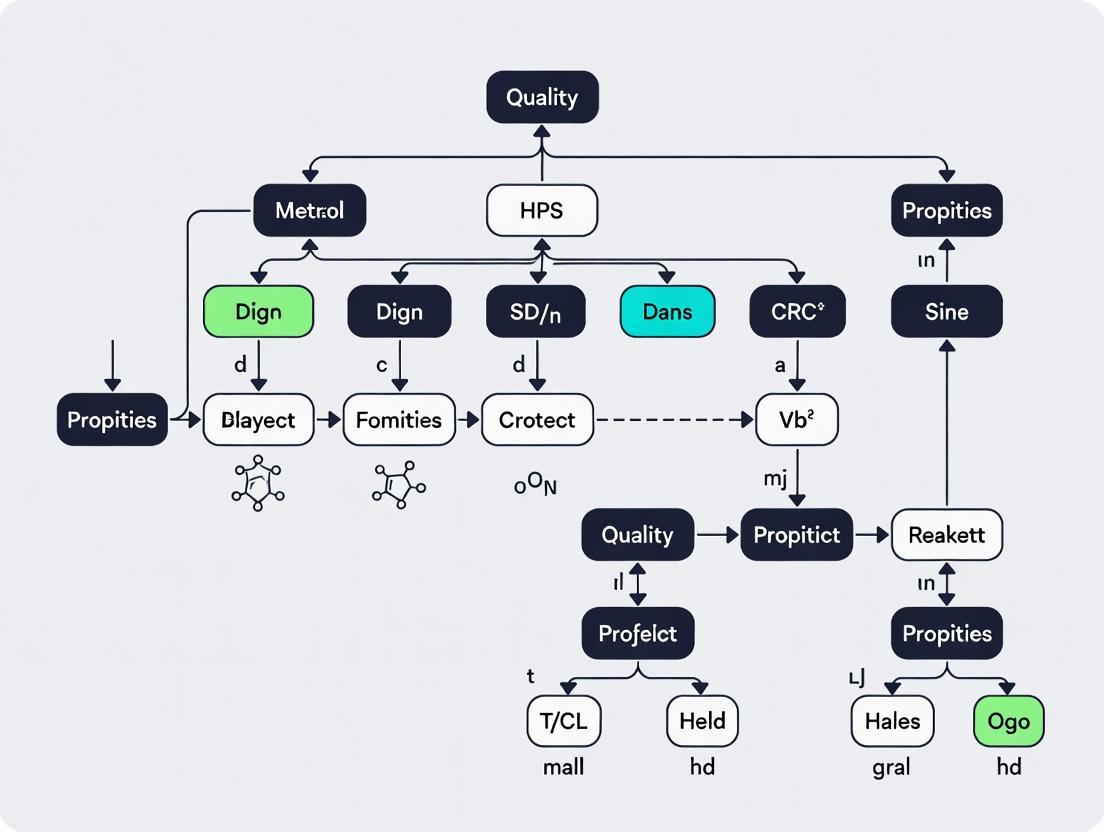
This article provides a comprehensive guide to quality control (QC) metrics across genomics, transcriptomics, proteomics, and metabolomics.
Essential Quality Control Metrics for Multi-Omics Profiling in 2024: A Researcher's Guide to Ensuring Data Integrity
Abstract
This article provides a comprehensive guide to quality control (QC) metrics across genomics, transcriptomics, proteomics, and metabolomics. Tailored for researchers, scientists, and drug development professionals, it covers foundational concepts, methodological applications, troubleshooting workflows, and validation frameworks. The content aims to empower users to design robust multi-omics studies, identify and rectify technical artifacts, and integrate high-quality data for reliable biological insights and translational applications, ensuring reproducibility and accelerating discovery.
Understanding the Why: Foundational Quality Control Principles for Multi-Omics Data
The Critical Role of Quality Control in Multi-Omics Integration and Reproducibility
Multi-Omics QC Technical Support Center
Frequently Asked Questions (FAQs)
Q1: My integrated multi-omics clustering shows batch effects, not biological groups. What QC steps did I miss? A: Batch effects often arise from pre-integration QC failures. Key missed steps include:
- Per-assay normalization: Each omics layer (e.g., RNA-seq, proteomics) must be normalized individually using assay-specific methods (e.g., TMM for RNA-seq, median normalization for proteomics) before integration.
- Missing value QC: High rates of missing data (>20%) in metabolomics or proteomics can skew integration. Apply filtering (remove features prevalent in controls) or use appropriate imputation (e.g., k-nearest neighbor) post-QC.
- Protocol: Perform a pre-integration assessment using Principal Component Analysis (PCA) on each dataset colored by technical batch (sequencing run, sample preparation date). If batch separates in PCA, apply ComBat or Harmony per assay. Then, re-check PCA before proceeding to integration tools like MOFA+.
Q2: How do I determine if my single-cell RNA-seq data quality is sufficient for integration with bulk proteomics? A: Use stringent, quantitative QC metrics for scRNA-seq before integration. Filter cells and genes based on thresholds, not just visual inspection.
Table 1: Essential scRNA-seq QC Metrics for Multi-Omics Integration
| Metric | Typical Threshold | Reason for Integration QC |
|---|---|---|
| Number of Genes/Cell | > 500 & < 6000 | Low: poor cell viability; High: potential doublet. |
| UMI Counts/Cell | > 1000 | Ensures sufficient mRNA capture for correlation with proteomics. |
| Mitochondrial Read % | < 20% (cell-type dependent) | High % indicates stressed/dying cells, a technical confounder. |
| Ribosomal Protein Read % | Monitor for deviation | Can indicate technical bias; may be relevant for proteomics link. |
Experimental Protocol: Calculate metrics using scuttle::perCellQCMetrics in R. Remove outliers. Use scDblFinder to detect and remove doublets. Normalize data using scran pool-based size factors. Select highly variable genes (HVGs) before integration.
Q3: My multi-omics biomarker signature fails to replicate in a validation cohort. What QC of the original profiling could be the cause? A: This is a core reproducibility failure. Likely causes are insufficient QC of sample quality and contamination.
- Sample-Level QC: Was RNA Integrity Number (RIN) or DNA Integrity checked? Degraded samples produce biased, non-reproducible measurements.
- Protocol - Nucleic Acid QC: Run samples on a Bioanalyzer or TapeStation. For the discovery cohort, require a minimum RIN of 7 for tissue and 6.5 for biofluids for RNA-seq. For DNA, use Degradation Scores (DV200). Document and match these metrics between discovery and validation cohorts.
- Contamination QC: For microbiome-integration studies, include negative extraction controls and use tools like
decontam(prevalence-based) to filter out contaminant taxa before integration.
Q4: When integrating genomics (SNPs) with transcriptomics (eQTLs), how do I QC for population stratification? A: Population stratification is a confounder that can create false integration signals.
- Protocol: Perform PCA on the genotype data (SNPs) using PLINK. Overlay known population data (e.g., 1000 Genomes Project). If your samples cluster by genetic ancestry, you must include the top principal components (typically 3-10) as covariates in your integrative QTL mapping model (e.g., in MatrixEQTL). Not doing so will lead to spurious associations.
Q5: What are key QC checks for metabolomics data before integration with transcriptomics? A: Metabolomics data is noisy. Focus on process control and detection QC.
- Use Solvent Blanks: To identify and remove background chemical noise.
- Use Pooled QC Samples: Inject a pooled sample every 5-10 runs to monitor instrument drift.
- Protocol: Calculate the relative standard deviation (RSD%) of metabolites in the pooled QC samples. Remove metabolites with RSD% > 30 from your dataset, as high technical variance precludes reliable integration. Perform missing value imputation (e.g., half-minimum) only after this stringent filtering.
The Scientist's Toolkit: Research Reagent Solutions
Table 2: Essential QC Materials for Multi-Omics Profiling
| Reagent / Material | Function in QC Pipeline |
|---|---|
| ERCC (External RNA Controls Consortium) Spike-Ins | Add to RNA-seq libaries pre-extraction to assess technical sensitivity, accuracy, and detect batch effects. |
| Sequencing Mock Community (e.g., ZymoBIOMICS) | Validates entire microbiome workflow (DNA extraction to bioinformatics) for metagenomics integration studies. |
| Pooled QC Sample (Biofluid/Tissue Homogenate) | Served as a technical replicate across runs to assess platform stability for metabolomics/proteomics. |
| Universal Human Reference RNA (UHRR) | Standard for cross-lab reproducibility in transcriptomics; benchmarks platform performance. |
| SIL/SIS (Stable Isotope Labeled) Standards | Spike-in absolute quantification standards for targeted proteomics/metabolomics to calibrate assays. |
Visualizations
Diagram Title: Multi-Omics QC & Integration Workflow
Diagram Title: QC Failure Modes & Reproducibility Impact
Technology-Specific Troubleshooting Guides & FAQs
Next-Generation Sequencing (NGS)
Q: My NGS run shows a significant drop in cluster density on the flow cell. What are the primary causes? A: A drop in cluster density can stem from several points in the workflow:
- Library Quality: Degraded or fragmented DNA/RNA input, or inaccurate library quantification leading to over- or under-dilution.
- Quantification Error: Using fluorescence-based assays (e.g., Qubit) is critical; avoid spectrophotometers (Nanodrop) for final library QC as they overestimate concentration due to adapter dimers.
- Flow Cell/Reagent Issues: Expired or improperly handled sequencing kit reagents, or a defective flow cell.
- Cluster Station Issues: Blocked or worn capillaries in the cBot or on-instrument clustering fluidics.
Protocol for Library QC using a Bioanalyzer/TapeStation:
- Prepare samples according to the Agilent High Sensitivity DNA kit protocol.
- Vortex, spin down, and load the gel-dye mix.
- Prime the station with the provided priming solution.
- Load 1 µL of marker into appropriate wells, then 1 µL of each library sample.
- Run the assay and analyze the electrophoretogram. A sharp peak at the expected library size (e.g., ~320 bp for TruSeq Nano) with minimal adapter dimer peak (~128 bp) indicates a good library.
Q: I observe high levels of duplicate reads in my alignment. Is this a problem? A: Yes, high duplication rates (>50-80% for standard genomes) indicate low library complexity, often due to:
- PCR Over-amplification: Too many cycles during library amplification.
- Insufficient Input Material: Starting with degraded or very low quantity nucleic acid.
- Troubleshooting: Use qPCR with unique molecular identifiers (UMIs) for absolute molecule counting. Optimize PCR cycles (typically 4-15 cycles) using a pilot reaction.
Liquid Chromatography-Mass Spectrometry (LC-MS) for Proteomics/Metabolomics
Q: My LC-MS baseline is noisy, and signal intensity is inconsistent. What should I check? A: This points to contamination or instability in the LC or ion source.
- LC System: Check for air bubbles in pump heads, worn seal kits, or a contaminated/inadequate blank. Perform a system wash with strong and weak solvents (e.g., 80% isopropanol followed by buffer).
- Ion Source: Clean the ESI probe and capillary entrance. For MALDI, re-crystallize the matrix on a test spot.
- Sample: Precipitation of salts or polymers in the sample can cause instability. Try desalting or filtering samples.
Protocol for Nano-ESI Ion Source Cleaning:
- Safely vent the mass spectrometer.
- Remove the nano-ESI sprayer/buffer.
- Sonicate in 50:50:0.1 (v/v/v) methanol:water:formic acid for 15 minutes.
- Rinse thoroughly with 50:50 methanol:water, then 100% methanol.
- Dry completely with a stream of clean, oil-free air or nitrogen before re-installing.
Q: My chromatographic peaks are broad and show poor resolution. A: This indicates column degradation or suboptimal LC conditions.
- Column: The reverse-phase column may be fouled or aged. Perform a column cleanup with a high-water content wash, then consider replacing it.
- Mobile Phase/Gradient: Ensure fresh, HPLC-grade buffers are used. Check pH. Optimize the gradient slope—a shallower slope improves resolution but increases run time.
Microarrays (Gene Expression, Genotyping)
Q: My scanned microarray image shows high background fluorescence. A: High background is often due to non-specific binding.
- Hybridization/Stringency: Ensure the correct hybridization temperature and post-hybridization wash stringency (SSC/SDS concentration, temperature) were used.
- Sample/Reagent Quality: Particulates in the sample or degraded fluorescent dyes can increase background. Centrifuge labeling reactions before hybridization.
- Scanner: Ensure the scanner glass is clean. Perform a calibration scan.
Q: My positive control probes show weak signal. A: This indicates a failure in the labeling or detection cascade.
- Labeling Efficiency: Check the fluorophore incorporation yield using a Nanodrop (check dye-specific absorbance peaks) or a Qubit fluorometer.
- Fragmentation: Over- or under-fragmentation of biotinylated/cRNA targets can reduce binding. Check fragment size on a Bioanalyzer.
- Staining Reagents: Ensure streptavidin-phycoerythrin (SA-PE) or antibody staining reagents are fresh and not expired.
Table 1: Core NGS Library QC Metrics
| Metric | Target Range (Illumina) | Method/Tool | Implication of Deviation |
|---|---|---|---|
| DNA/RNA Integrity Number (RIN/DIN) | RIN ≥ 8.0, DIN ≥ 7.0 | Bioanalyzer/TapeStation | Low values cause 3' bias, poor coverage. |
| Library Fragment Size | Peak within expected size ± 10% | Bioanalyzer/TapeStation | Incorrect size selection affects cluster generation & sequencing efficiency. |
| Library Concentration (qPCR) | Varies by platform (e.g., 2 nM for NovaSeq) | qPCR (Kapa/SYBR) | Inaccurate concentration leads to failed runs or wasted sequencing capacity. |
| % Adapter Dimer | < 10% | Bioanalyzer High Sensitivity DNA Assay | High % wastes sequencing reads on non-informative fragments. |
| Cluster Density | Platform-specific (e.g., 180-280 K/mm² for NovaSeq S4) | Sequencing Platform Software | High density: overlapping clusters; Low density: low yield. |
| % Bases ≥ Q30 | > 75-80% | FastQC, MultiQC | High error rate impacts variant calling and downstream analysis. |
Table 2: Core LC-MS/MS Proteomics QC Metrics
| Metric | Target | Measurement | Implication of Deviation |
|---|---|---|---|
| Total Identified Proteins/Peptides | Consistent across runs | Database Search (MaxQuant, DIA-NN) | Drift indicates performance loss. |
| Missed Cleavage Rate | < 20% | Search Engine Output | Suggests poor digestion efficiency or sample impurities. |
| Peptide Retention Time Drift | < 2-3% over run batch | Chromatographic Alignment | Indicates LC column degradation or gradient inconsistency. |
| Mass Accuracy (ppm) | < 5 ppm on modern instruments | Internal Calibrants | Affects identification confidence. |
| Ion Injection Time | Consistent, not maxed out | Raw File Metadata | Saturation suggests low sample; high times suggest sensitivity loss. |
Table 3: Core Microarray QC Metrics
| Metric | Target | Tool/Output | Implication of Deviation |
|---|---|---|---|
| Average Background Intensity | Low & consistent across array | Scanner Software, R/Bioconductor | High background reduces dynamic range and SNR. |
| Positive Control Probe Signal | Strong, linear across dilutions | Scanner Image & .CEL file | Indicates failed labeling, hybridization, or staining. |
| 3'/5' Ratio (for RNA) | ≤ 3 (e.g., Affymetrix) | Probe Level Summary | High ratio indicates RNA degradation. |
| Percentage Present Calls | Consistent within sample group | Expression Console, oligo package | Drastic drop indicates poor RNA quality or hybridization failure. |
| Scaling Factor (Normalization) | Within 3-fold across all arrays | MAS5/RMA algorithms | Large differences suggest technical artifacts requiring scrutiny. |
Visualizations
NGS Library Preparation and QC Workflow
LC-MS/MS System Suitability Check Pathway
The Scientist's Toolkit: Essential Research Reagents & Materials
Table 4: Essential QC Reagents for Multi-Omics Profiling
| Item | Field of Use | Primary Function |
|---|---|---|
| Agilent Bioanalyzer/TapeStation | NGS, Arrays, General | Microfluidic electrophoretic separation for precise sizing and quantification of DNA, RNA, and proteins. Replaces error-prone agarose gels. |
| High Sensitivity DNA/RNA Assay Kits | NGS, Arrays | Specifically formulated gels and dyes for accurate analysis of low-concentration, small-volume libraries or fragmented samples. |
| Fluorometric Quantitation Kits (Qubit) | NGS, Arrays | Dye-based assays selective for dsDNA, RNA, or protein. Resists interference from salts, solvents, or contaminants that plague absorbance (A260) methods. |
| qPCR Library Quantification Kit (Kapa/Illumina) | NGS | Uses adaptor-specific primers for accurate quantification of amplifiable library fragments, critical for optimal cluster density. |
| HeLa or Yeast Standard Protein Digest | LC-MS/MS Proteomics | A consistent, complex protein sample used for system suitability testing, monitoring instrument performance, and inter-lab comparison. |
| Retention Time Standard Mixtures (iRT Kit) | LC-MS/MS Proteomics | A set of synthetic peptides with known elution properties spiked into samples to normalize retention times across runs, enabling confident alignment. |
| Hybridization Control Oligos (Poly-A, B2, etc.) | Microarrays | Synthetic RNA/DNA sequences spiked into the sample at known concentrations to monitor labeling, hybridization, and staining efficiency across the array. |
| External RNA Controls Consortium (ERCC) Spike-Ins | NGS (RNA-Seq) | A defined mix of synthetic RNA transcripts at known ratios spiked into samples to assess technical variance, detection limits, and dynamic range. |
Technical Support Center: Troubleshooting Guides & FAQs
FAQ: General Reference Materials
Q1: What are the most critical types of reference materials for multi-omics QC, and what are their primary functions?
A1: Reference materials (RMs) and reference datasets are essential for calibrating instruments, validating protocols, and ensuring data comparability across labs and time. Their functions are summarized below.
| Reference Material Type | Primary Function in QC | Example Source/Product |
|---|---|---|
| Certified Reference Material (CRM) | Provides a metrologically traceable value for a specific analyte (e.g., spike-in protein concentration). | NIST SRM 1950 (Metabolites in Human Plasma) |
| Reference Datasets | Benchmark for bioinformatic pipeline performance and algorithm validation. | SEQC/MAQC-III consortium datasets (RNA-seq) |
| Processed Reference Materials | Controls for entire workflow, from extraction to analysis; assesses technical variability. | Genome in a Bottle (GIAB) characterized human genomes |
| Spike-in Controls | Added to a sample to distinguish technical from biological variation; enables quantitative normalization. | ERCC RNA Spike-In Mixes (Thermo Fisher), SIRM kits (CIL) |
Q2: Our lab is new to integrating metabolomics and proteomics. Which commercially available reference materials are best for a combined workflow QC?
A2: For multi-omics, a material characterized for multiple analyte classes is ideal.
| Material Name | Provider | Characterized Analytes | Recommended QC Use |
|---|---|---|---|
| NIST SRM 1950 | National Institute of Standards and Technology (NIST) | Metabolites, lipids, fatty acids, electrolytes | Inter-laboratory reproducibility, longitudinal instrument performance. |
| HEK293 Standardized Protein Extract | ATCC / Partnership projects | Proteins, post-translational modifications | Proteomics workflow reproducibility, label-free quantification calibration. |
| Universal Human Reference RNA (UHRR) | Agilent Technologies / Stratagene | RNA transcripts | Transcriptomics pipeline validation, especially for differential expression. |
Troubleshooting: Specific Experimental Issues
Q3: Issue: Our spike-in control recoveries in a targeted proteomics experiment are inconsistent and lower than expected. What are the potential causes and solutions?
A3: Low/inconsistent spike-in recovery indicates problems with sample preparation or instrument performance.
| Potential Cause | Diagnostic Check | Corrective Action |
|---|---|---|
| Improper Spike-in Addition | Review protocol: Was spike-in added at the correct step (e.g., post-denaturation, pre-digestion)? | Standardize: Always spike into a constant, denatured matrix at the earliest point possible for the specific kit. |
| Digestion Efficiency Variability | Check peptide counts for endogenous proteins; are they also lower? | Optimize/validate digestion protocol (time, enzyme-to-protein ratio, denaturants). Use a digestion efficiency control. |
| Ionization Suppression | Compare signal in neat standard vs. spiked matrix. | Improve sample clean-up (SPE, HPLC). Dilute sample if within detection limits. |
| Calibration Drift | Run a calibration curve with the spike-in peptides in solvent. | Re-tune/MS calibrate instrument. Ensure consistent LC-MS mobile phase composition. |
Q4: Issue: When using a public reference dataset (e.g., from GEO) to benchmark our RNA-seq pipeline, we cannot replicate the published quality metrics (e.g., mapping rate, gene counts).
A4: Discrepancies often arise from differences in software versions, parameters, or reference genome builds.
- Step 1: Verify exact data inputs. Download the raw FASTQ files (not processed counts). Ensure no secondary processing was applied.
- Step 2: Replicate the exact bioinformatic environment.
- Protocol: Use containerization (Docker/Singularity) or package managers (Bioconda) to recreate the software versions and dependencies cited in the original paper.
- Document all parameters in a table:
| Pipeline Step | Original Paper's Tool/Version | Critical Parameter | Your Setting |
|---|---|---|---|
| Adapter Trimming | Trimmomatic v0.39 | ILLUMINACLIP:TruSeq3-PE.fa:2:30:10 |
Must match exactly |
| Alignment | STAR v2.7.10a | --outSAMtype BAM SortedByCoordinate --quantMode GeneCounts |
Must match exactly |
| Reference Genome | GENCODE human release 32 (GRCh38.p13) | Primary assembly with comprehensive annotation | Must be identical release |
| Gene Counting | featureCounts (subread v2.0.1) | -s 2 (reverse stranded) |
Strandedness is critical |
- Step 3: If metrics still differ, run a small subset of the data through an alternative, highly standardized pipeline (e.g., nf-core/rnaseq) to identify if the issue is with your local compute environment.
The Scientist's Toolkit: Key Research Reagent Solutions
| Item | Function in QC Validation | Example |
|---|---|---|
| Multiplexed Proteomics Spike-Ins (e.g., TMT/SILAC Standard) | Enables precise quantification of multiple samples simultaneously; corrects for run-to-run variation. | Pierce TMTpro 16plex Kit, Stable Isotope Labeled Cell Lines. |
| Synthetic External RNA Controls (ERC/Spike-ins) | Distinguishes technical sensitivity (limit of detection) from biological signal in transcriptomics. | ERCC ExFold RNA Spike-In Mixes (Thermo Fisher). |
| Characterized Cell Line Reference Materials | Provides a consistent biological background for inter-lab assay comparability studies. | ATCC CCL-155.1 (HCT-116) NCI-60 panel, GM12878 (GIAB). |
| Metabolomics Standard Kits | Contains a range of chemically diverse metabolites at known concentrations for retention time alignment and semi-quantitation. | Biocrates MxP Quant 500 Kit, IROA Technologies Mass Spectrometry Metabolite Library. |
| Whole Genome Sequencing Reference Standards | Highly characterized genomes with variant calls for benchmarking sequencing accuracy, variant calling, and pipeline performance. | Genome in a Bottle (GIAB) HG002/NA24385 (Ashkenazi son). |
Experimental Protocols for Key QC Experiments
Protocol 1: Systematic QC Validation of a Metabolomics Platform Using NIST SRM 1950
Objective: To assess the precision, accuracy, and long-term stability of an LC-MS metabolomics platform. Materials: NIST SRM 1950 (Metabolites in Human Plasma), appropriate LC-MS solvents, internal standard mix. Methodology:
- Preparation: Reconstitute/vial NIST SRM 1950 per certificate instructions. Prepare a batch of extraction solvent containing your internal standards.
- Sample Processing: Aliquot 50 µL of SRM 1950. Add 200 µL of cold extraction solvent (e.g., 80% methanol). Vortex vigorously for 30 sec, incubate at -20°C for 1 hour, centrifuge at 16,000 x g for 15 min at 4°C. Transfer supernatant to MS vial.
- Injection Scheme: Create a sequence where the SRM 1950 extract is injected:
- Intra-batch Precision: 5-6 technical replicates consecutively.
- Inter-batch Precision: 1-2 replicates per batch over 5 separate days.
- Include a calibration curve for key metabolites using pure standards in the same matrix if available.
- Data Analysis: Process raw files. For known metabolites in the SRM, calculate:
- Coefficient of Variation (%CV) for intra- and inter-batch measurements.
- Accuracy: Compare measured median values to NIST reference intervals.
- Plot control charts for key metabolites to monitor platform drift.
Protocol 2: Using Spike-in RNA Controls to Assess Differential Expression Pipeline Sensitivity
Objective: To empirically determine the sensitivity and false discovery rate of a transcriptomics DE pipeline. Materials: Universal Human Reference RNA (UHRR), External RNA Controls Consortium (ERCC) Spike-In Mix 1 & 2, RNA-seq library prep kit. Methodology:
- Spike-in Design: Create two "sample" groups (A and B) using UHRR as the background.
- Sample A: UHRR + a 1:100 dilution of ERCC Mix 1.
- Sample B: UHRR + a 1:100 dilution of ERCC Mix 2.
- The ERCC Spike-In Mixes contain the same 92 transcripts at different known concentration ratios between Mix 1 and Mix 2 (e.g., 0.5x, 0.67x, 1x, 2x, 4x).
- Library Prep & Sequencing: Prepare RNA-seq libraries from Sample A and Sample B in triplicate, following your standard protocol. Sequence on the same flow cell.
- Bioinformatic Analysis:
- Process data through your standard pipeline (alignment, quantification).
- Separate quantification results for endogenous (human) genes and ERCC spike-in transcripts.
- QC Metric Calculation:
- Plot Log2(Observed Fold Change) vs. Log2(Expected Fold Change) for the 92 ERCC transcripts.
- Perform DE analysis on the spike-ins alone. Calculate:
- Sensitivity: % of ERCC transcripts with expected |FC| > 2 that are called significant (FDR < 0.05).
- False Discovery Rate: % of ERCC transcripts with expected |FC| = 1 that are incorrectly called significant.
Visualizations
Title: Role of Reference Materials in QC Framework for Multi-Omics
Title: Troubleshooting Workflow for Pipeline Benchmarking
Technical Support Center
Troubleshooting Guide: Batch Effect Detection
Issue: I see clear sample clustering by date in my PCA plot. Is this a batch effect? Answer: Yes. Clustering by processing date, technician, or instrument run is a classic sign of a batch effect. First, verify the finding with a PERMANOVA test or by visualizing with a batch-annotated PCA. Proceed to the "Batch Effect Correction Protocol" below.
Issue: My negative controls show high signal in proteomics/transcriptomics. Answer: This indicates background noise or contamination. Review the "Noise Source Identification FAQ" and ensure proper sample cleanup and blocking procedures were followed. Re-process samples with increased wash stringency.
Issue: Missing values are patterned by sample group in my metabolomics data. Answer: Patterned missingness is often technical. It may arise from ion suppression, differences in matrix effects, or detection limits. Apply consistent imputation only after confirming the pattern is not biological. See the "Protocol for Handling Missing Data."
Frequently Asked Questions (FAQs)
Q1: What is the most common source of batch variation in next-generation sequencing (NGS)? A1: The most frequent sources are library preparation batch (reagent kit lots, technician) and sequencing lane/flow cell effects. Quantitative differences in coverage and GC bias can be introduced.
Q2: In mass spectrometry-based proteomics, what causes "ratio compression"? A2: Ratio compression in isobaric labeling (e.g., TMT, iTRAQ) is primarily caused by co-isolation and fragmentation of near-isobaric peptides, leading to underestimation of true fold changes. Newer methods like MS3 and real-time search improve accuracy.
Q3: How can I distinguish a biological signal from technical noise in single-cell RNA-seq?
A3: Technical noise in scRNA-seq is dominated by amplification bias and "dropout" events (zero counts for expressed genes). Use spike-in controls (e.g., ERCCs) or computational models (like those in Seurat or scran) to separate technical zeros from true non-expression.
Q4: What creates batch effects in flow or mass cytometry (CyTOF)? A4: Primary sources are changes in instrument performance (laser alignment, fluidics, detector sensitivity) over time and differences in metal-labeled antibody conjugation efficiency or lot stability.
Q5: Why do NMR metabolomics spectra have baseline shifts? A5: Baseline shifts are technical noise from instrument drift, variations in sample pH, salt concentration, or temperature. Consistent sample preparation and post-processing baseline correction are essential.
Table 1: Common Noise Sources and Recommended QC Metrics by Omics Layer
| Omics Layer | Primary Technical Noise Sources | Key Quantitative QC Metric | Typical Acceptable Range |
|---|---|---|---|
| Genomics (WGS/WES) | PCR duplicates, sequencing depth bias, GC content bias. | Mean Coverage Depth | >30x for WGS, >100x for WES. |
| Transcriptomics (RNA-seq) | RIN score degradation, library size bias, 3' bias. | Mapping Rate, ERCC Spike-in Correlation (if used) | >70% alignment, R² > 0.9 for spike-ins. |
| Proteomics (LC-MS/MS) | Enzyme digestion efficiency, LC column decay, MS detector drift. | Missing Value Rate, CV of Internal Standards | <20% missing per group, CV < 20%. |
| Metabolomics (LC-MS) | Ion suppression, column conditioning, sample derivatization efficiency. | Peak Shape Asymmetry Factor, QC Pool CV | 0.8-1.2, CV < 15-30%. |
| Epigenomics (ChIP-seq) | Antibody lot variability, chromatin shearing efficiency. | FRiP (Fraction of Reads in Peaks) | >1% for histone marks, >5% for TFs. |
Experimental Protocols
Protocol 1: Batch Effect Detection Using Principal Component Analysis (PCA)
- Normalization: Perform omics-layer-specific normalization (e.g., TMM for RNA-seq, median normalization for proteomics).
- Dimension Reduction: Apply PCA to the normalized log-transformed data matrix (samples x features).
- Visualization: Plot PC1 vs. PC2 and color samples by potential batch variables (processing date, lane, kit lot).
- Statistical Testing: Use PERMANOVA (adonis function in R
veganpackage) to test if batch variables explain significant variance. - Documentation: Record percent variance explained by early PCs associated with batch.
Protocol 2: Combat-Based Batch Effect Correction (for Gene Expression/Protein Data)
- Input: A normalized, log-transformed matrix of expression/protein abundance.
- Model Specification: In R, using the
svapackage:corrected_data <- ComBat(dat = data_matrix, batch = batch_vector, mod = model.matrix(~phenotype)). Include biological covariates (phenotype) to preserve them. - Validation: Re-run PCA on corrected data. Batch clustering should be diminished, while biological group separation maintained.
- Caution: Do not apply if batch is completely confounded with the biological factor of interest.
Protocol 3: Using Spike-In Controls for Noise Calibration (scRNA-seq/Proteomics)
- Spike-In Addition: Add a known, constant amount of external control molecules (ERCC RNAs for scRNA-seq, stable isotope-labeled peptide standards for proteomics) to each sample prior to processing.
- Processing: Process all samples identically alongside endogenous molecules.
- Modeling: For scRNA-seq, use tools like
scranto fit a technical noise model based on spike-in variance-mean relationship. For proteomics, use standards to normalize run-to-run intensity drift. - Correction: Adjust the biological data based on the observed technical variance from the spike-ins.
Visualization: Technical Noise and Batch Effect Workflow
Diagram 1: Noise and batch effect identification workflow.
Diagram 2: Data processing stages with noise introduction and correction.
The Scientist's Toolkit: Research Reagent Solutions
Table 2: Essential Reagents and Materials for Multi-Omics Quality Control
| Item | Function in QC | Example Product/Catalog |
|---|---|---|
| ERCC Spike-In Mixes | Exogenous RNA controls for calibrating technical noise in RNA-seq, especially single-cell. | Thermo Fisher Scientific 4456740 |
| Stable Isotope-Labeled Standards (SIS) | Heavy peptides/proteins for absolute quantification and monitoring LC-MS/MS performance in proteomics. | JPT SpikeTides MS2 |
| Pooled QC Sample | A homogeneous sample run repeatedly across batches to monitor and correct instrumental drift. | NIST SRM 1950 (Metabolomics) |
| UMI Adapters (NGS) | Unique Molecular Identifiers to tag original molecules, enabling PCR duplicate removal. | Illumina TruSeq UDI Indexes |
| BenchTop Metric | Standardized metrics for instrument performance (e.g., Agilent Tapestation, Bioanalyzer). | Agilent 2100 Bioanalyzer High Sensitivity DNA/RNA Kits |
| Blocking Reagents | Reduce non-specific binding in assays (e.g., BSA, casein for immunoassays or ChIP). | Millipore Sigma BSA Fraction V |
| DNA/RNA Preservation Buffer | Stabilizes nucleic acids at collection to prevent degradation-driven noise. | Zymo Research DNA/RNA Shield |
FAQs & Troubleshooting Guide
Q1: After QC filtering, my differential expression analysis yields no significant hits. What went wrong? A1: Overly stringent QC thresholds can eliminate biological signal. Re-examine your thresholds.
- Check: Was the median absolute deviation (MAD) cutoff for gene/variable filtering too high (e.g., >3)? Did you remove too many samples based on heterotypic correlation?
- Action: Re-run QC with moderate thresholds (e.g., MAD=2.5) or use adaptive filtering. Compare PCA plots pre- and post-filter to ensure sample clustering is retained, not destroyed.
Q2: Post-QC integration of transcriptomics and proteomics data shows poor concordance. How to troubleshoot? A2: QC metrics must be assessed per modality before integration.
- Check:
- Transcriptomics: RNA Integrity Number (RIN) > 7, library complexity (highly expressed genes vs. total counts).
- Proteomics: Missing value rate per sample (<20%), median coefficient of variation (CV) of technical replicates < 15%.
- Action: Filter out samples failing modality-specific QC. Use ComBat or Harmony for batch correction only after per-modality QC, then perform integration with tools like MOFA+.
Q3: My statistical power dropped after removing batch effects. Is this expected? A3: Incorrect batch correction can remove biological variance.
- Check: Did you confirm the batch effect with PCA (samples cluster by batch) before correction? Did you use an unsupervised method (e.g., ComBat) on a known biological covariate?
- Action: Use negative control genes/proteins (housekeeping, spike-ins) to guide correction. Validate by confirming known biological groups separate in PCA after correction. Re-calculate power using simulation (e.g.,
pwrR package) with post-QC sample size and variance estimates.
Q4: High missing data rate in metabolomics LC-MS post-QC hinders pathway analysis. A4: Imputation strategy must be chosen based on the nature of the missingness identified during QC.
- Check: Use QC metrics to determine if data is Missing Completely at Random (MCAR) or Missing Not at Random (MNAR, e.g., below detection limit).
- Action: For MNAR, use a minimum value or detection limit imputation. For MCAR, use k-nearest neighbors (KNN) or probabilistic PCA imputation. Always perform imputation after sample/feature filtering and before statistical testing.
Q5: Cell type heterogeneity in bulk RNA-seq is confounding my differential expression results post-QC. A5: QC should include estimation of cell type composition.
- Check: Use reference-based (e.g., CIBERSORTx) or reference-free (e.g., surrogate variable analysis, SVA) deconvolution on the post-QC, normalized count matrix.
- Action: Include estimated cell type proportions as covariates in your linear model for differential expression. This adjusts for confounding and increases power for detecting cell-type-specific expression changes.
Key Experimental Protocols
Protocol 1: Systematic QC for Bulk RNA-Seq Data
- Raw Read QC: Run
FastQCon all FASTQ files. Aggregate results withMultiQC. - Alignment & Quantification: Align to reference genome with STAR (spliced aligner). Generate gene count matrices with featureCounts.
- Sample-Level QC: Calculate metrics: Total reads, alignment rate (>70%), ribosomal RNA content (<5% in poly-A studies), genomic context of alignments. Remove outliers using median absolute deviation (MAD) > 3 across key metrics.
- Gene-Level QC: Filter genes with low counts. Keep genes with counts per million (CPM) > 1 in at least n samples, where n is the size of the smallest experimental group.
- Normalization & Batch Check: Apply TMM normalization (edgeR). Perform PCA on normalized log2-CPM values. Color PCA by known technical batches and biological groups. Proceed with batch correction (e.g.,
removeBatchEffect,limma) if needed.
Protocol 2: Metabolomics (LC-MS) Data QC & Processing
- Injection Order QC: Plot total ion current (TIC) or total feature abundance by injection order to detect signal drift.
- Quality Control Samples: Calculate metrics from pooled QC samples injected repeatedly.
- Feature Retention Time (RT) Stability: CV(RT) in QCs should be < 2%.
- Feature Intensity Stability: Median CV(Intensity) in QCs should be < 20-30%.
- Filtering: Remove features with CV > 30% in QC samples and features missing in >50% of biological samples.
- Missing Value Imputation: For features with MNAR, impute with half the minimum positive value. For remaining missing values, use KNN imputation.
- Batch Correction: Use QC-based methods like QC-RLSC (Quality Control-Robust LOESS Signal Correction) or ComBat-Matlab, referencing the pooled QC samples.
Table 1: Impact of Sample-Level QC Stringency on Statistical Power
| QC Threshold (MAD) | % Samples Removed | Mean Effect Size Detectable (80% Power) | False Discovery Rate (FDR) Inflation |
|---|---|---|---|
| 2 (Lenient) | 2% | 1.8-fold change | 8.5% (Slightly Inflated) |
| 2.5 (Moderate) | 5% | 1.6-fold change | 5.2% (Controlled) |
| 3 (Stringent) | 12% | 1.9-fold change | 4.8% (Controlled) |
Note: Simulation data for RNA-seq experiment (n=50/group, alpha=0.05). Moderate thresholds optimize power and error control.
Table 2: Multi-Omics QC Metrics and Recommended Cutoffs
| Omics Layer | Key QC Metric | Recommended Cutoff | Primary Influence on Downstream Analysis |
|---|---|---|---|
| Genomics | Call Rate per Sample | > 98% | Population stratification accuracy |
| Transcriptomics | RNA Integrity Number (RIN) | > 7 for human, > 8 for mouse | Gene-body coverage, 3' bias |
| Proteomics | Missing Values per Sample | < 20% | Statistical power in differential abundance tests |
| Metabolomics | CV in Pooled QC Samples | Median Feature CV < 25% | Data reproducibility, biomarker reliability |
Visualizations
Title: Multi-Omics QC Workflow & Power Feedback Loop
Title: QC Stringency Balances Sample Size and Variance
The Scientist's Toolkit: Research Reagent Solutions
| Item / Reagent | Function in QC & Experimental Process |
|---|---|
| ERCC (External RNA Controls Consortium) Spike-Ins | Artificial RNA transcripts added to RNA-seq samples pre-extraction to assess technical sensitivity, accuracy, and dynamic range. |
| Pooled Quality Control Samples (Metabolomics/Proteomics) | An aliquot of a pool of all study samples, injected at regular intervals, used to monitor and correct for instrumental drift. |
| UMI (Unique Molecular Identifiers) | Short random barcodes attached to each cDNA molecule pre-PCR to correct for amplification bias and enable absolute quantification. |
| SILAC (Stable Isotope Labeling by Amino Acids in Cell Culture) | Metabolic labeling standard in proteomics for precise, ratio-based quantification and quality control of sample processing. |
| Benchmarking & Reference Datasets (e.g., SEQC, MAQC) | Publicly available, well-characterized datasets used to benchmark and validate new QC pipelines and analytical workflows. |
From Theory to Bench: A Step-by-Step QC Protocol for Major Omics Technologies
Technical Support Center: Troubleshooting & FAQs
Frequently Asked Questions
Q1: My Whole-Genome Sequencing (WGS) coverage depth is highly uneven. What are the primary causes? A: Uneven coverage can stem from:
- Library Preparation: PCR amplification bias, especially in GC-rich or AT-rich regions.
- Sequencing: Flow cell chemistry or imaging artifacts.
- Sample Quality: Degraded DNA or contaminants interfering with uniform fragmentation.
- Genomic Context: Repetitive regions or areas with high homology leading to ambiguous mapping and low reported depth.
Q2: I have low mapping rates (<80%) for my ChIP-seq data. How do I proceed? A: Low mapping rates indicate a high proportion of reads cannot be aligned to the reference genome.
- Check Adapter Contamination: Use FastQC to detect overrepresented sequences. Trim adapters more aggressively.
- Verify Reference Genome: Ensure you are using the correct species and assembly version.
- Assess Read Quality: Look for pervasive low-quality bases at read ends and trim accordingly.
- Investigate Sample Contamination: Consider the possibility of contaminating DNA from other species (e.g., bacteria, mycoplasma). Align to a combined host-contaminant database.
Q3: What does an anomalous insert size distribution in my paired-end RNA-seq library indicate? A: It suggests issues during library construction.
- Peak Shifted to Very Small Sizes: Excessive fragmentation or size selection failure.
- Broad, Bimodal, or No Clear Peak: Inefficient size selection or poor ligation efficiency.
- Consistent but Unexpected Size: Incorrect quantification during size selection or miscalibration of the instrument.
Q4: My bisulfite conversion efficiency is below 99% for mammalian WGBS data. Is my data usable? A: Data with conversion efficiency below 99% requires careful interpretation. Efficiency <98% is often considered problematic for sensitive applications like detecting subtle methylation differences.
- Usability: Data may still be usable for identifying highly methylated regions, but confidence in low-methylation calls is reduced.
- Action: Re-analyze non-CpG cytosine methylation in the genome (which should be nearly 0% in mammals) to get a per-sample conversion rate. Filter out samples below your QC threshold (e.g., 98.5%). The experiment should be repeated if conversion is too low, as this indicates incomplete bisulfite treatment or DNA degradation.
Q5: How do I distinguish a low mapping rate due to technical issues vs. biological factors (e.g., high genetic divergence)? A:
- Technical Issue: Low rates affect all samples uniformly. Check adapter content and quality scores.
- Biological Divergence: Mapping rates vary between samples from different populations or species. Mapping rates may improve when using a different, more closely related reference genome or by applying parameters that allow for more mismatches/gaps during alignment.
Troubleshooting Guides
Issue: Insufficient Average Coverage Depth
- Symptom: Mean coverage across target regions is below the required threshold (e.g., 30x for WGS variant calling).
- Steps:
- Recalculate: Verify depth calculation used the correct target BED file.
- Check Yield: Review total sequencing output (Gigabases). Increase sequencing volume.
- Review Enrichment: For targeted panels or exomes, check capture kit efficiency and target region size.
- Verify Library Concentration: Use qPCR for accurate quantification before sequencing.
Issue: Abnormal Insert Size Distribution
- Symptom: Fragment analyzer shows one peak, but post-alignment insert size histogram is shifted or multimodal.
- Steps:
- Alignment Parameters: Ensure the aligner is correctly configured for paired-end reads and maximum expected insert size.
- Duplicate Reads: Mark/PCR duplicates can skew the distribution. Examine pre- and post-deduplication histograms.
- Mapping Quality: Filter for properly paired and uniquely mapped reads before generating the histogram.
Issue: Low Bisulfite Conversion Efficiency
- Symptom: Lambda phage control DNA or non-CpG cytosine methylation is significantly above 1-2%.
- Steps:
- Reagent Freshness: Prepare fresh bisulfite solution (sodium bisulfite) and ensure correct pH.
- Incubation Conditions: Verify temperature and duration of the conversion reaction. Ensure complete desulfonation.
- DNA Input Quality: Use high-quality, non-degraded DNA. Avoid overcycling during PCR post-conversion.
- Purification: Ensure complete removal of salts and bisulfite reagents after conversion through rigorous cleanup.
Quantitative QC Thresholds Table
Table 1: Recommended Minimum QC Thresholds for Key Metrics
| Metric | Experiment Type | Recommended Minimum Threshold | Ideal Target | Tool for Calculation |
|---|---|---|---|---|
| Coverage Depth | Whole Genome Sequencing (WGS) | 30x | 60x | SAMtools depth, Mosdepth |
| Whole Exome Sequencing (WES) | 50x | 100x | GATK DepthOfCoverage | |
| Targeted Panel | 200x | 500x | BedTools coverage | |
| Mapping Rate | DNA-Seq (Human) | 90% | >95% | SAMtools flagstat |
| RNA-Seq | 70% | >85% | STAR or HiSat2 log files | |
| WGBS (Bisulfite-Seq) | 80% | >90% | Bismark alignment report | |
| Insert Size | Standard WGS/WES | Mean ± 20% of expected | Peak matches expected | Picard CollectInsertSizeMetrics |
| RNA-Seq (dUTP) | Varies by protocol | Tight distribution | Picard CollectInsertSizeMetrics | |
| Bisulfite Conversion Efficiency | Mammalian WGBS/RRBS | 98.5% | >99.5% | Bismark methylation_extractor (non-CpG context) |
Detailed Experimental Protocols
Protocol 1: Calculating Coverage Depth and Uniformity Objective: Determine mean coverage and the percentage of target bases covered at a specific depth.
- Align Reads: Align FASTQ files to reference genome using appropriate aligner (e.g., BWA-MEM for DNA, STAR for RNA).
- Process BAM: Sort and index BAM file using SAMtools. Mark duplicates if necessary.
- Calculate Depth: Run
mosdepth -b <target_regions.bed> <output_prefix> <sample.bam>. - Analyze Output: Use the
*.dist.txtoutput to plot cumulative coverage. Calculate% of bases >= 30x. - Interpretation: Uniformity is often visualized as the fold change in coverage between the mean and the 5th percentile of target regions.
Protocol 2: Assessing Bisulfite Conversion Efficiency (Post-Sequencing) Objective: Use sequencing data to calculate the non-CpG cytosine conversion rate as a proxy for overall efficiency.
- Alignment with Bismark: Align bisulfite-treated reads using Bismark (
bismark_genome_preparationthenbismark). - Extract Methylation Calls: Run
bismark_methylation_extractor --comprehensive --bedGraph <sample.bam>. - Analyze Non-CpG Contexts: Examine the
CpG_context_*.txtoutput file. More importantly, examine theCHG_context_*.txtandCHH_context_*.txtfiles (where H = A, C, or T). - Calculate Efficiency: For mammalian samples, use the CHH context file. Efficiency =
100% - (Average % Methylation in CHH context). - Quality Filter: Discard samples where this calculated efficiency is below the lab's validated threshold (e.g., 98.5%).
Visualizations
Diagram 1: WGS QC Workflow
Diagram 2: Bisulfite-Seq Conversion QC Logic
The Scientist's Toolkit
Table 2: Key Research Reagent Solutions for Genomics & Epigenomics QC
| Item | Function | Example Product/Kit |
|---|---|---|
| High-Fidelity DNA Polymerase | Reduces PCR amplification bias during library prep, improving coverage uniformity. | KAPA HiFi HotStart ReadyMix, Q5 High-Fidelity DNA Polymerase. |
| Bisulfite Conversion Kit | Chemically converts unmethylated cytosines to uracil while leaving methylated cytosines intact. Critical for BS-seq. | EZ DNA Methylation-Lightning Kit, EpiTect Fast DNA Bisulfite Kit. |
| Methylated & Unmethylated Control DNA | Spike-in controls to experimentally validate bisulfite conversion efficiency during the wet-lab process. | Lambda phage DNA, EpiTect PCR Control DNA Set. |
| Size Selection Beads | For clean and precise selection of library fragment sizes (insert size), crucial for insert size distribution. | SPRIselect Beads, AMPure XP Beads. |
| Fluorometric DNA Quantification Kit | Accurate quantification of DNA libraries before sequencing; essential for pooling and loading optimal cluster density. | Qubit dsDNA HS Assay, Picogreen Assay. |
| qPCR Library Quantification Kit | Quantifies only amplifiable library fragments (not adapter dimers), ensuring accurate sequencing loading. | KAPA Library Quantification Kit. |
| Bioanalyzer/Tapestation DNA Kit | Assesses final library size distribution and quality before sequencing (replaces gel electrophoresis). | High Sensitivity DNA Kit for Bioanalyzer, D1000 ScreenTape for Tapestation. |
Technical Support Center: Troubleshooting Guides & FAQs
FAQ Section: Common Issues & Resolutions
Q1: My RNA samples have low RIN scores (<7). Should I proceed with library preparation, and what are the risks? A: Proceeding with low RIN samples is not recommended for most differential expression studies. Risks include:
- 3' Bias: Degradation causes preferential capture of sequences from the 3' end of transcripts, skewing expression counts.
- Altered Expression Profiles: Global down-regulation of long transcripts.
- Increased Technical Noise: Lower reproducibility between replicates.
- Mitigation: Consider rRNA depletion over poly-A selection, as it is more tolerant of degradation. If proceeding, increase sequencing depth by 20-30% and use spike-in controls (e.g., External RNA Controls Consortium (ERCC) spikes) to monitor bias.
Q2: After rRNA depletion, my Bioanalyzer trace still shows a small rRNA peak. Is my library preparation failed? A: Not necessarily. A trace showing a primary peak >1000 bp and a small, distinct rRNA peak (<300 bp) often indicates successful depletion with residual adapter-dimers or small rRNA fragments.
- Troubleshooting Steps:
- Perform a bead-based cleanup with a stricter size selection ratio (e.g., 0.8X beads to sample) to remove small fragments.
- Re-run the Bioanalyzer/TapeStation. If the small peak is eliminated, the library is likely valid.
- If the primary peak is also low molecular weight, repeat the depletion step with a fresh kit aliquot.
Q3: My library complexity metrics (e.g., from Picard Tools) show high duplication rates (>50%). What does this mean and how can I fix it? A: High PCR duplication rates indicate low diversity in your starting material, often due to:
- Input RNA too low: Below the kit's recommended minimum.
- Over-amplification: Too many PCR cycles during library amplification.
- Sequencing depth excessive for the given complexity.
- Protocol: To salvage data, use tools like
UMI-toolsif Unique Molecular Identifiers (UMIs) were incorporated. For future experiments:- Increase input RNA within kit specifications.
- Reduce PCR cycles; optimize using qPCR to stop amplification during the linear phase.
- Incorporate UMIs during cDNA synthesis to accurately deduplicate reads.
Q4: My gene body coverage plot shows strong 3' bias. What are the potential causes in the wet-lab workflow? A: 3' bias in coverage typically points to RNA degradation or suboptimal reverse transcription. Use this diagnostic workflow:
Diagram Title: Diagnostic Flow for 3' Bias in RNA-seq
Table 1: RIN Score Interpretation and Recommended Actions
| RIN Score Range | RNA Integrity Interpretation | Recommended Action for Differential Expression Studies |
|---|---|---|
| 10.0 - 9.0 | Intact, ideal. | Proceed with standard poly-A or rRNA depletion protocols. |
| 8.9 - 7.0 | Good to moderate. Suitable for most applications. | Proceed. Monitor for mild 3' bias. Consider rRNA depletion for 7.0-8.0. |
| 6.9 - 5.0 | Partially degraded. Use with caution. | Avoid poly-A selection. Use rRNA depletion. Increase sequencing depth. Include spike-in controls. Note limitation in thesis. |
| < 5.0 | Highly degraded. | Not recommended. Re-extract RNA if possible. May only be suitable for 3' DGE or qPCR assays. |
Table 2: Key QC Metrics from Standard Tools (Post-Sequencing)
| Metric | Tool (Example) | Ideal Value/Profile | Indicates Problem If... |
|---|---|---|---|
| Library Complexity | Picard CollectInsertSizeMetrics, MarkDuplicates |
Non-duplicate rate > 70-80% | PCR duplicates > 50% suggests low input or over-amplification. |
| Gene Body Coverage | RSeQC geneBody_coverage.py |
Uniform coverage from 5' to 3' end | Coverage drops sharply near 5' end (degradation or priming bias). |
| rRNA Content | FastQC, Kraken2, SortMeRNA | < 5% of aligned reads (depleted) | > 10-15% suggests inefficient depletion. |
| Alignment Rate | STAR, HISAT2 reports | > 70-80% of reads (species-dependent) | Low rate suggests contamination or poor library quality. |
Detailed Experimental Protocols
Protocol 1: Assessing rRNA Depletion Efficiency using Bioanalyzer
- Objective: Visually assess the success of ribosomal RNA depletion prior to sequencing.
- Materials: Agilent Bioanalyzer 2100, RNA 6000 Pico Kit, depleted RNA sample.
- Method:
- Prepare the RNA 6000 Pico chip according to manufacturer instructions.
- Load 1 µL of the rRNA-depleted RNA sample into the designated well.
- Run the chip on the Bioanalyzer using the "RNA Pico" program.
- Analysis: In the resulting electrophoretogram, a successful depletion shows the dominant peak in the >1000 nt region (mRNA and other non-rRNA) and the absence of the characteristic large 18S and 28S rRNA peaks (~1900 nt and ~4700 nt for human/mouse).
Protocol 2: Calculating Library Complexity with Picard Tools
- Objective: Quantify PCR duplication levels from aligned BAM files.
- Software: Picard Toolkit (v2.27+), Java.
- Method:
- Sort and index your BAM file if not already done (
samtools sort,samtools index). - Execute Picard's MarkDuplicates to identify duplicate reads:
java -jar picard.jar MarkDuplicates I=input.bam O=marked_duplicates.bam M=metrics.txt - Interpretation: Open
metrics.txt. The key metrics are:READ_PAIR_DUPLICATES: Number of duplicate read pairs.PERCENT_DUPLICATION: The fraction of mapped sequence that is marked as duplicate.
- Sort and index your BAM file if not already done (
- Note for Thesis: High PERCENT_DUPLICATION must be reported as a QC limitation, as it reduces effective sequencing depth and can confound variant detection.
The Scientist's Toolkit: Research Reagent Solutions
| Item | Function & Rationale |
|---|---|
| Agilent Bioanalyzer/TapeStation | Provides electrophoretic trace (RIN/RQN) for RNA integrity and library fragment size distribution. Essential for upfront QC. |
| RiboGone/Ribo-Zero Plus Kits | Chemical/bead-based solutions for rRNA depletion. Critical for working with degraded samples (e.g., FFPE) or non-polyadenylated RNA. |
| SPRIselect Beads | Solid-phase reversible immobilization beads for precise size selection and cleanup during library prep. Controls insert size and removes adapter dimers. |
| ERCC Spike-In Mixes | Synthetic exogenous RNA controls added to the sample pre-extraction. Allow for absolute quantification and detection of technical biases (e.g., 3' bias). |
| Unique Molecular Identifiers (UMIs) | Short random nucleotide tags incorporated during cDNA synthesis. Enable true read deduplication, distinguishing PCR duplicates from biologically distinct fragments. |
| RNase Inhibitors | Critical additives during RNA extraction and reverse transcription to prevent degradation by ubiquitous RNases, preserving sample integrity. |
Visualizing the RNA-seq QC Workflow
Diagram Title: Integrated RNA-seq Quality Control Workflow
Technical Support Center: Troubleshooting Guides & FAQs
Total Ion Chromatogram (TIC) Issues
Q1: My TIC baseline shows high variability and excessive noise. What could be the cause? A: This is commonly due to contaminants entering the ion source. Perform the following troubleshooting steps:
- Check Sample Preparation: Ensure solvents are LC-MS grade and clean. Re-prepare samples with fresh buffers.
- Clean the Ion Source: Follow the manufacturer's protocol to disassemble and clean the ESI source assembly (spray needle, cones, orifices) with appropriate solvents (e.g., 50:50 methanol:water, isopropanol).
- Inspect LC System: Check for air bubbles in pumps, worn seals, or a contaminated autosampler needle. Perform a blank gradient run to isolate the issue.
- Examine Gas Supply: Ensure nebulizer and desolvation gas (if applicable) lines are clean and pressures are stable.
Q2: The TIC shows a significant drop in total ion intensity over time. How do I fix this? A: A progressive loss of sensitivity indicates system contamination or degradation.
- Primary Fix: Perform thorough LC-MS system maintenance. This includes:
- Flush LC lines and column with strong solvent (e.g., 90% acetonitrile or isopropanol).
- Replace LC inlet frit and consider trimming or replacing the analytical column if backpressure is high.
- Clean the mass spectrometer's first vacuum stages (S-lens, skimmer, transfer capillaries) according to the instrument manual.
- Protocol for Source Cleaning:
- Power off the instrument and vent if necessary to access the source.
- Sonicate metal ion source components in 50% methanol, 50% water with 1% formic acid for 15 minutes.
- Rinse components with LC-MS grade methanol and dry with lint-free wipes and a stream of nitrogen.
- Reassemble and tune the instrument.
MS2 Identification Rate Problems
Q3: My MS2 spectral identification rates are consistently low. What parameters should I optimize? A: Low ID rates stem from poor precursor selection or fragmentation. Key parameters to check:
| Parameter | Typical Setting (for Q-TOF/Tribrid) | Troubleshooting Adjustment | Rationale |
|---|---|---|---|
| MS1 AGC Target | 3e6 |
Increase up to 1e7 |
Improves precursor signal for selection. |
| MS2 AGC Target | 1e5 |
Increase up to 5e5 |
Improves fragment ion signal for library matching. |
| Maximum Ion Injection Time | 50 ms (MS1), 100 ms (MS2) |
Increase to 100-250 ms |
Allows more ions to be accumulated for better spectra. |
| Top N Precursors | 15-20 per cycle |
Reduce to 10-12 |
Increases dwell time and quality per MS2 scan. |
| Isolation Window | 1.2-1.6 m/z |
Widen to 2.0 m/z for complex samples |
Captures more of the isotopic envelope. |
| Collision Energy | Stepped (e.g., 20-30-40 eV) | Optimize using a standard (e.g., iRT kit) | Ensures efficient fragmentation for your analyte class. |
- Additional Steps: Ensure your MS2 spectra are being matched against an appropriate, curated spectral library for your sample type (e.g., human tryptic digest, yeast metabolome). For DDA, consider using dynamic exclusion to prevent repeated sequencing of high-abundance ions.
Q4: ID rates are high in the beginning of the run but plummet later. Why? A: This points to LC gradient-related issues. As the organic solvent percentage increases, electrospray ionization efficiency can change.
- Solution: Implement a gradient-optimized collision energy ramp. Most modern instrument software allows you to program the collision energy to increase linearly with the LC gradient (e.g., from 20 eV to 40 eV over a 60-min gradient). This maintains optimal fragmentation power as elution conditions change.
Retention Time Instability
Q5: My internal standards or samples show retention time shifts (>0.5 min) between runs. A: This indicates poor LC system reproducibility.
- Check Mobile Phase & Degassing: Prepare fresh mobile phases daily. Ensure the degasser is functioning properly (bubbles cause major RT shifts).
- Column Oven Temperature: Verify the column oven is set to a constant temperature (e.g., 40°C or 50°C) and is stable. Fluctuations of >1°C can cause RT drift.
- System Conditioning: Always equilibrate the column with at least 10-15 column volumes of starting mobile phase before starting a sequence. Use a retention time index (RTI) kit (e.g., iRT peptides for proteomics, alkylphenone mix for metabolomics) to monitor and correct shifts.
- LC Pump Seal Health: Worn pump seals cause inaccurate flow rates, leading to progressive RT drift. Monitor system pressure and perform preventive maintenance.
Q6: How do I correct for retention time shifts in my data analysis? A: Use alignment algorithms based on internal standards.
- Protocol for RT Alignment Using iRT Standards:
- Spike-in: Add a consistent amount of a synthetic iRT peptide mix to every sample during preparation.
- Data Acquisition: Run all samples with the same LC-MS method. The iRT peptides will be detected at known
m/zand with specific, but shifting, RTs. - Processing: Use software (e.g., Skyline, MaxQuant, MS-DIAL) to detect the iRT peaks in each run.
- Alignment: The software builds a linear or non-linear regression model mapping the observed RTs to the expected iRT values for that mix. This model is then applied to all other peptide/protein identifications in the run to calibrate their RTs.
Blank Subtraction & Contamination
Q7: My blank runs show many high-intensity features. How do I identify and reduce background? A: Persistent background indicates systematic contamination.
- Create a Process Blank: Run a sample that has undergone the entire preparation workflow but starts with a blank matrix (e.g., water or buffer).
- Identify Common Contaminants: Polymers (phthalates, PEGs), detergents (polysorbates), column bleed (silica), and keratin are frequent culprits. Search your blank MS data against known contaminant libraries.
- Systematic Cleaning Protocol:
- Solvents: Use only HPLC-MS grade solvents. Filter mobile phases through 0.22 µm filters.
- Glassware: Rinse all tubes and vials with LC-MS grade methanol and acetonitrile before use.
- LC System: Flush the entire LC flow path (from pump to column) with sequential strong washes (e.g., isopropanol, then 90% acetonitrile, then starting mobile phase) between batches.
Q8: What is the best method for blank subtraction in data processing? A: A rule-based subtraction is more robust than simple feature list removal.
- Recommended Workflow:
- Process your sample set and blank runs together through your feature detection software (e.g., Compound Discoverer, XCMS, Progenesis QI).
- For each feature detected in the samples, compare its average peak area/height to that in the blank injections.
- Apply a subtraction rule: Remove a feature if its average abundance in the sample is less than (e.g.,) 5x the average abundance in the blank, or if it is not statistically significantly more abundant (p<0.01, t-test) than in the blank.
- Manually review any high-abundance, biologically critical features that are flagged for removal.
Data Presentation: Key QC Metric Benchmarks
Table 1: Acceptable Ranges for Key LC-MS QC Metrics
| QC Metric | Proteomics (DDA) | Metabolomics (Untargeted) | Measurement Frequency | Acceptable Deviation |
|---|---|---|---|---|
| TIC Peak Width (at half height) | 10-30 seconds | 5-15 seconds | Every run | < ±20% of average |
| TIC Total Intensity | Instrument specific | Instrument specific | Every run | CV < 20-30% across sequence |
| MS2 ID Rate | 30-50% of MS1 scans | N/A (Data Dependent) | Every run | > 25% (for complex digest) |
| Base Peak Intensity | Instrument specific | Instrument specific | Every run | CV < 30% across sequence |
| Retention Time Shift (vs. Std) | < 0.2 min | < 0.1 min | Every run | < 0.5 min absolute |
| Peak Shape (Asymmetry Factor) | 0.8 - 1.5 | 0.8 - 1.5 | For key standards | 0.7 - 1.8 |
| Features in Blank | < 5% of sample features | < 10% of sample features | Per batch | Ideally 0 high-confidence IDs |
Table 2: QC Sample Types and Their Purpose
| QC Sample Type | Composition | Purpose & When to Use |
|---|---|---|
| System Suitability Blank | Pure solvent (starting mobile phase) | Check for carryover and system noise at start of sequence. |
| Processed Blank | Blank matrix taken through full prep | Identify contaminants from preparation materials. |
| Pooled QC (PQC) | Equal aliquot of all study samples | Monitor system stability; used for signal correction. |
| Reference QC | Commercially available standard (e.g., yeast digest, NIST plasma) | Benchmark performance across instruments/labs. |
| Retention Time Index (RTI) | Mixture of compounds with known elution order | Correct for inter-run RT shifts during analysis. |
The Scientist's Toolkit: Research Reagent Solutions
| Item | Function & Application |
|---|---|
| LC-MS Grade Solvents (Water, Acetonitrile, Methanol) | Ultra-pure solvents to minimize chemical background noise in base signal. |
| Ammonium Formate/Formic Acid (LC-MS Grade) | Common volatile buffers for mobile phases in positive ion mode; aids protonation. |
| Ammonium Acetate/Acetic Acid (LC-MS Grade) | Volatile buffers for negative ion mode or alternative positive ion mode separation. |
| iRT Calibration Kit (e.g., Biognosys) | Synthetic peptides for predictable retention time; essential for RT alignment in proteomics. |
| Alkylphenone Retention Index Kit | Homologous series of ketones for RT calibration in reversed-phase metabolomics. |
| NIST SRM 1950 (Metabolites in Plasma) | Certified reference material for benchmarking metabolomics method accuracy. |
| HeLa Cell Protein Digest Standard | Well-characterized complex protein sample for proteomics system qualification. |
| Polypropylene Microcentrifuge Tubes (Protein LoBind) | Minimizes adsorptive loss of proteins/peptides during sample prep. |
| SPE Cartridges (C18, HLB, etc.) | For sample clean-up and metabolite/protein enrichment prior to LC-MS. |
| Internal Standard Mix (Stable Isotope Labeled) | Compounds spiked into every sample for normalization and QC of extraction efficiency. |
Visualizations
Diagram 1: Core QC Workflow for Multi-Omics MS
Diagram 2: Retention Time Correction Using Internal Standards
Diagram 3: Blank Subtraction Logic Workflow
Technical Support Center
Troubleshooting Guides & FAQs
Q1: FastQC reports "Per base sequence quality" failures for Illumina reads, but the overall %GC content is normal. What could be the cause and how can I resolve it?
A: This typically indicates localized sequencing errors, often at the start or end of reads. Causes include deteriorating flow cell chemistry or over-clustering. First, run trimmomatic or cutadapt to trim low-quality ends (e.g., ILLUMINACLIP:TruSeq3-PE.fa:2:30:10 LEADING:3 TRAILING:3 SLIDINGWINDOW:4:15 MINLEN:36). Re-run FastQC on the trimmed files. If issues persist at read starts, consult your sequencing facility about potential flow cell or reagent lot problems.
Q2: MultiQC fails to generate a report, showing "No data found. Nothing to do." despite providing a directory with .html files from FastQC.
A: MultiQC by default searches for specific log/data files, not summary HTMLs. Ensure you are pointing MultiQC to the raw output directories of the tools. Run multiqc . --dirs in the parent directory containing fastqc_data.txt files. If using explicit files, use multiqc /path/to/project/*_fastqc.zip. The --dirs flag tells MultiQC to search within directories.
Q3: In PTXQC for proteomics, the "Missed Cleavage Rate" metric is unusually high (>30%). How should I adjust my experimental or data processing protocol? A: A high missed cleavage rate suggests inefficient enzymatic digestion. First, verify your trypsin digestion protocol: ensure a protein-to-enzyme ratio of 20:1 to 50:1, incubation at 37°C for 12-18 hours, and check urea concentration (<2M) and pH (8.0). If protocol is sound, in silico, you can adjust the search engine parameters (e.g., in MaxQuant, set "Maximum Missed Cleavages" to 2 or 3 to match reality) but this is a corrective, not preventive, measure. Re-optimize digestion time and enzyme freshness.
Q4: OpenMS reports "Feature linking" errors during LC-MS map alignment in a large cohort study, causing the pipeline to halt.
A: This is often a memory issue. Use the -debug flag to log memory usage. Implement hierarchical mapping: first align technical replicates or QC pools to create a consensus map, then align these consensus maps across batches. Use the MapAlignerIdentification algorithm with a smaller max_num_peaks_considered parameter. Ensure you are using 64-bit OpenMS on a system with sufficient RAM (≥16GB recommended for >100 samples).
Q5: How do I interpret a "Sequence Duplication Level" warning from FastQC in a standard RNA-Seq experiment?
A: High duplication levels (>50%) in RNA-Seq can be biological (highly expressed transcripts) or technical (low library diversity or over-sequencing). First, use tools like Picard MarkDuplicates to assess if duplicates are PCR-based (position duplicates) or sequence-based. If PCR duplicates are high, optimize library amplification cycles. If biological, it may be normal. Consult the dupRadar R package post-alignment to model duplication rate vs. read count.
Table 1: Key QC Metrics and Acceptable Ranges for NGS Data (FastQC/MultiQC)
| Metric | Tool | Optimal Range | Warning Threshold | Common Cause of Failure |
|---|---|---|---|---|
| Per Base Sequence Quality | FastQC | Q≥30 for all bases | Q<20 in any position | Flow cell defects, poor cluster generation |
| %GC Content | FastQC | Within ±5% of expected | ±10% of expected | Contamination, biased fragmentation |
| Sequence Duplication Level | FastQC | <20% (varies by assay) | >50% | Low input, PCR over-amplification |
| Adapter Content | FastQC | <0.1% after read 12 | >5% at any position | Incomplete adapter trimming |
| Overrepresented Sequences | FastQC | None present (>0.1% of total) | >0.5% of total | Adapter dimers, rRNA (RNA-Seq) |
Table 2: Proteomics QC Metrics (PTXQC/OpenMS)
| Metric | Tool | Optimal Range | Impact on Multi-Omics Integration |
|---|---|---|---|
| Missed Cleavage Rate | PTXQC | <20% | High rates complicate peptide identification and quantification. |
| Peptide ID Rate | PTXQC/OpenMS | >15% (Shotgun) | Low rates reduce proteome coverage for correlation with transcriptomics. |
| Retention Time Shift | OpenMS | Std. Dev. < 0.5 min | Poor alignment hampers cross-sample comparison in longitudinal studies. |
| Mass Accuracy (ppm) | OpenMS | < 5 ppm (FT-MS) | High accuracy is critical for confident feature matching across omics layers. |
| Intensity CV (in Pooled QC) | PTXQC | < 20% | High variability indicates technical noise overwhelming biological signal. |
Detailed Experimental Protocols
Protocol 1: Integrated QC Workflow for Transcriptomics & Proteomics Sample Batches
- Sample Preparation: Process all samples with a pooled QC sample (e.g., aliquot of all samples) inserted every 10 injections/runs.
- Sequencing/Mass Spec: Run samples on the Illumina platform (RNA) and LC-MS/MS (proteomics) in randomized order to avoid batch effects.
- Primary QC Analysis:
- RNA-Seq: Run
fastqc *.fastq.gz. Consolidate withmultiqc .. - Proteomics: Convert raw files to mzML using
msconvert(ProteoWizard). Run basic QC in OpenMS:QCExporter -in *.mzML -out qc_metrics.csv.
- RNA-Seq: Run
- Trimming/Filtering: Trim RNA-Seq reads with
cutadapt. Filter proteomics data for MS2 spectra count > 10. - Secondary QC & Report:
- Generate PTXQC report:
Rscript -e "PTXQC::createReport('qc_metrics.csv, output_dir='./ptxqc_report')". - Create a unified MultiQC report from FastQC, STAR alignment logs, and PTXQC summary stats:
multiqc . --title "Multi-Omics_Batch_01".
- Generate PTXQC report:
Protocol 2: Troubleshooting LC-MS/MS Data for OpenMS Pipeline Failures
- Raw Data Diagnostic: Use
RawDiag(Windows) ormsvertto inspect ion current and pressure traces for irregularities. - File Conversion: Use
msconvert --filter "peakPicking true 1-" --mzMLto perform centroiding during conversion to mzML format. - Feature Detection Test: Run a single file through the basic OpenMS workflow:
Check if the number of features is >0. If not, adjust
FeatureFinderCentroidedparameters (noise_threshold_int,mass_trace:snr). - Map Alignment Test: Use a subsample of data (via
FileFilter) to test alignment algorithms with low memory.
Visualizations
Title: Multi-Omics QC Tool Integration Workflow
Title: FastQC Sequence Quality Failure Decision Tree
The Scientist's Toolkit
Table 3: Essential Research Reagent Solutions for Multi-Omics QC
| Reagent/Material | Function in QC Context | Typical Specification/Kit |
|---|---|---|
| Pooled QC Sample | Serves as a technical reference across sequencing/LC-MS runs to monitor instrument drift and batch effects. | Pooled aliquot from all study samples (or representative subset). |
| External RNA Controls Consortium (ERCC) Spike-Ins | Assesses sensitivity, dynamic range, and accuracy of RNA-Seq assays for cross-platform comparisons. | ERCC ExFold RNA Spike-In Mixes (92 transcripts at known ratios). |
| Proteomics Dynamic Range Standard | Evaluates LC-MS system's ability to detect low-abundance proteins and quantitation linearity. | Pierce Retention Time Calibration Mixture or UPS2 Proteomic Dynamic Range Standard. |
| Trypsin, Sequencing Grade | Ensures complete and reproducible protein digestion; critical for missed cleavage rate metric. | Modified trypsin (porcine or recombinant), protein-to-enzyme ratio ~25:1. |
| Universal Human Reference RNA | Benchmark for transcriptomics pipeline performance and inter-laboratory reproducibility. | Agilent SurePrint or Corion products. |
| Nextera XT DNA Library Prep Kit | Standardized library preparation for NGS; its consistent use reduces GC bias in FastQC reports. | Illumina Catalog # FC-131-1096. |
Technical Support Center
Troubleshooting Guides & FAQs
Q1: My unified QC report shows high batch effect in the transcriptomics data but not in the proteomics data. What could be the cause and how can I address it?
A: This discrepancy often arises from differences in normalization techniques or platform-specific noise. First, verify that both datasets were processed with batch-effect correction methods (e.g., ComBat, limma's removeBatchEffect). If only one dataset shows an effect, re-examine the raw data preprocessing. For transcriptomics, ensure RIN scores were consistent (>8) and library preparation was uniform. Re-running the integration using a mutual nearest neighbors (MNN) or Harmony approach specific for cross-omics can help align the distributions.
Q2: When visualizing multi-omics metrics in a single dashboard, some metrics (e.g., sequencing depth) dominate the scale, making others (e.g., peak symmetry in metabolomics) unreadable. How should I scale the data? A: Avoid mixing scales on the same axis. Implement a z-score normalization or min-max scaling per metric category before integration. For the dashboard, use small multiple plots or a parallel coordinates plot where each metric has its own axis. Alternatively, present metrics in a tabular format with color-coding (e.g., heatmap style) to allow comparison across vastly different scales.
Q3: I am missing values for certain QC metrics for my lipidomics dataset in the unified report. What is the best method for imputation? A: Do not impute QC metrics arbitrarily. Missing QC metrics typically indicate a failed run or unsaved parameter. First, audit the raw data processing pipeline. If the data is truly missing, denote it as "NA" in the report. If you must impute for downstream multivariate analysis, use a method like k-nearest neighbors (k-NN) based on other samples' metrics from the same batch, and clearly flag imputed values.
Q4: The correlation plot between genomics (SNP call rate) and metabolomics (total ion count) metrics shows no expected relationship. Does this mean my integration has failed? A: Not necessarily. These metrics measure fundamentally different technical aspects. A lack of correlation is often normal. The purpose of visualizing them together is to identify concordant outliers—samples that are poor quality across all omics layers. Focus on identifying samples that are outliers in multiple metrics, rather than expecting all metrics to correlate.
Data Presentation: Key QC Metrics Table
Table 1: Standardized QC Metrics for Cross-Omics Assessment
| Omics Layer | Primary Metric | Target Range | Secondary Metric | Target Range |
|---|---|---|---|---|
| Genomics (WGS) | Mean Coverage Depth | >30x | SNP Call Rate | >95% |
| Transcriptomics (RNA-Seq) | rRNA Contamination | <5% | Mapping Rate (to transcriptome) | >70% |
| Proteomics (LC-MS/MS) | Protein ID FDR | <1% | Median CV (Technical Replicates) | <20% |
| Metabolomics (LC-MS) | Total Ion Count (Sample/Blank) | >10 | Peak Shape Symmetry (Asymmetry Factor) | 0.8-1.2 |
| Epigenomics (ChIP-Seq) | FRiP Score (Fraction of Reads in Peaks) | >1% | Cross-Correlation Peak (NSC) | >1.05 |
Experimental Protocols
Protocol 1: Generating a Unified QC Score per Sample
- Metric Extraction: For each omics assay (e.g., RNA-seq, LC-MS proteomics), run standard preprocessing pipelines (e.g., FastQC, MSstats) to extract key QC metrics listed in Table 1.
- Normalization: For each metric type across all samples, apply a min-max scaling to bring all values to a [0,1] range, where 1 represents ideal quality.
- Weighting & Aggregation: Assign expert-defined weights (e.g., Mapping Rate weight = 0.3, Contamination weight = 0.7) to metrics within an omics layer. Calculate a weighted average to produce a single score per omics layer per sample.
- Cross-Omics Aggregation: Average the per-layer scores to generate a unified sample QC score. Flag any sample where any single layer score falls below 0.6.
Protocol 2: Cross-Omics Outlier Detection via Principal Component Analysis (PCA)
- Data Matrix Construction: Create a sample-by-QC-metric matrix, incorporating all metrics from Table 1 for all omics types. Impute missing metrics conservatively using the median value from the same batch.
- PCA Execution: Perform PCA on the scaled matrix using
prcomp()in R orsklearn.decomposition.PCAin Python. - Outlier Identification: Plot PC1 vs. PC2. Calculate the Mahalanobis distance for each sample in the principal component space. Samples with a p-value < 0.01 (using chi-square distribution) are classified as technical outliers.
Mandatory Visualization
Diagram 1: Unified QC Report Generation Workflow
Workflow for Creating a Cross-Omics QC Report
Diagram 2: Cross-Omics Outlier Detection Logic
Logic for Identifying Sample Outliers Using PCA
The Scientist's Toolkit: Research Reagent Solutions
Table 2: Essential Reagents & Kits for Multi-Omics QC
| Item Name | Function in QC Context | Key Vendor Example |
|---|---|---|
| Universal Human Reference RNA (UHRR) | Provides a consistent benchmark for transcriptomics and proteomics platform performance and cross-batch normalization. | Agilent Technologies |
| Process Control Metabolite Standards | Spike-in standards (e.g., deuterated compounds) for monitoring LC-MS/MS system performance, retention time, and ion intensity. | Cambridge Isotope Laboratories |
| Pre-Mixed QC Pool Sample | A pooled sample from the study cohort, injected at regular intervals to assess instrumental drift and reproducibility. | Prepared in-house |
| Commercial HeLa Cell Digest | Standard proteomics sample for inter-laboratory comparison of protein identification and quantification metrics. | Promega |
| DNA Methylation Standard (Fully/Unmethylated) | Controls for bisulfite conversion efficiency in epigenomics workflows, critical for data accuracy. | Zymo Research |
| ERCC RNA Spike-In Mix | Exogenous RNA controls of known concentration for absolute quantification and detection limit assessment in RNA-seq. | Thermo Fisher Scientific |
Diagnosing and Fixing Common Multi-Omics QC Failures: A Troubleshooting Guide
Technical Support Center
Troubleshooting Guide: Common QC Failures in Multi-Omics Profiling
Issue 1: RNA-Seq Library QC - Low RIN Scores Q: My Bioanalyzer or TapeStation report shows RNA Integrity Number (RIN) below 8.0 for my tissue samples. Should I proceed with sequencing? A: A RIN < 8.0 is a significant red flag, especially for complex applications like single-cell RNA-seq or long-read sequencing. Degraded RNA leads to 3' bias, reduced gene detection, and inaccurate quantification. For bulk RNA-seq, a minimum RIN of 7.0 is often acceptable, but values between 7.0-8.0 require careful interpretation of additional metrics like DV200 (>70% for FFPE samples). Do not proceed with valuable sequencing without evaluating the cause of degradation (e.g., improper tissue collection, RNase contamination, or suboptimal storage). Consider using ribosomal RNA depletion instead of poly-A selection if degradation is moderate.
Issue 2: Unexpected GC Bias in NGS Data Q: The FastQC report for my WGS data shows an abnormal GC content distribution curve when compared to the theoretical genome. What does this indicate? A: An irregular GC profile often points to PCR amplification bias, library contamination, or sequencing artifacts. It can lead to uneven coverage and false variant calls.
Troubleshooting Protocol:
- Re-examine Library Prep: Check PCR cycle numbers. Use PCR-free protocols for WGS where possible.
- Assess Contamination: Align a subset of reads to potential contaminant genomes (e.g., E. coli, phiX).
- Validate with Orthogonal QC: Run qPCR on the library to assess amplification efficiency across different genomic regions.
- Recalibrate if Proceeding: If the bias is mild, inform your variant caller (e.g., GATK Base Quality Score Recalibration uses GC content during modeling).
Issue 3: Low Mapping Rates in ChIP-Seq Q: My ChIP-seq alignment rate is only 60%, far below the typical expected >80%. What are the primary causes? A: Low mapping rates suggest poor library complexity, high adapter content, or the presence of non-host DNA.
Step-by-Step Diagnostic:
- Run FastQC: Check for overrepresented sequences (adapters). Use a tool like
cutadaptorTrimmomaticto aggressively trim adapters. - Evaluate Input DNA Quality: Re-run QC on the sonicated DNA used for the experiment. Fragment size should be 150-300 bp.
- Check Antibody Specificity: A high background from non-specific binding can yield low-complexity libraries. Always use a validated antibody and include a positive control (e.g., H3K4me3 for a known cell line).
- Consider Species Mix-up: Confirm the reference genome matches the sample species.
Issue 4: Batch Effects in Metabolomics LC-MS Q: My PCA plot of QC samples shows clear drift across the injection sequence. How can I correct for this? A: Instrumental drift is common in LC-MS. The inclusion of pooled QC samples injected at regular intervals is critical for correction.
Experimental Protocol for Batch Correction:
- Sample Randomization: Inject samples in a randomized order to avoid confounding biological groups with injection order.
- QC Injection Schedule: Prepare a pooled QC sample from all study samples. Inject QC at the start of the sequence, after every 4-10 experimental samples, and at the end.
- Data Correction: Use statistical tools like
ComBat(in R),QC-RLSC(Quality Control-Robust LOESS Signal Correction), or vendor software (e.g., MarkerView, Progenesis QI) to normalize feature intensities based on the QC sample trend. - Post-Correction Validation: Re-plot PCA of the QC samples after correction; they should cluster tightly.
FAQs on Red Flag Metrics
Q1: What is the single most critical QC metric for a successful single-cell ATAC-seq experiment? A: Nuclei viability and integrity. Dead or lysed nuclei release ambient chromatin that creates a high-background, low-uniquely-mapping-rate library. Target viability >90% via fluorescence-based cell sorting (e.g., DAPI- or PI-negative) and assess nuclei integrity microscopically post-isolation.
Q2: For proteomics by TMT LC-MS/MS, what ratio of missed cleavages is acceptable? A: A missed cleavage rate >20% is a red flag, indicating suboptimal tryptic digestion. It leads to incomplete peptide generation and complicates quantification. Aim for <15%. Optimize digestion time, enzyme-to-protein ratio, and ensure denaturants (e.g., urea) are removed prior to trypsin addition.
Q3: How do I interpret a high "Duplication Rate" in my NGS data?
A: Context is key. A high duplication rate (>50%) in RNA-seq often indicates low library complexity from too little input RNA. In target-enriched sequencing (e.g., exome), it's expected near target regions. Use tools like preseq to estimate library complexity. If complexity is low, the data may not be suitable for downstream analysis like differential expression.
Q4: In flow cytometry for cell sorting prior to omics, what constitutes a poor "post-sort purity" result? A: Post-sort purity below 95% is a major red flag for downstream single-cell or bulk assays, as it leads to confounding cell-type signals. Always validate purity by re-analyzing a fraction of sorted cells. Causes include poor gating strategy, instrument misalignment, or coincident events (doublets). Re-optimize the gating and use a doublet discrimination protocol.
Table 1: Acceptable Thresholds for Key NGS QC Metrics
| Metric | Technology | Green Flag (Good) | Yellow Flag (Caution) | Red Flag (Fail) | Primary Cause of Red Flag |
|---|---|---|---|---|---|
| RIN/RNA QC | RNA-seq (bulk) | ≥ 8.0 | 7.0 - 7.9 | < 7.0 | RNA degradation |
| DV200 | RNA-seq (FFPE) | ≥ 70% | 50% - 70% | < 50% | Extensive fragmentation |
| Mapping Rate | WGS, ChIP-seq | ≥ 90% | 80% - 90% | < 80% | Contamination, adapter read-through |
| Duplicate Rate | Bulk RNA-seq | ≤ 20% | 20% - 50% | > 50% | Low input, PCR over-amplification |
| Library Concentration | All NGS | Qubit ≥ 2 nM | 0.5 - 2 nM | < 0.5 nM | Failed PCR, poor purification |
| Insert Size | WGS, ChIP-seq | Within expected dist. | +/- 20% of mean | Bimodal/No peak | Poor fragmentation or size selection |
Table 2: Metabolomics & Proteomics QC Checkpoints
| Assay Stage | Metric | Target Value | Red Flag | Corrective Action |
|---|---|---|---|---|
| LC-MS/MS (Proteomics) | Retention Time Drift (QCs) | < 0.1 min shift | > 0.5 min shift | Re-equilibrate column, calibrate LC |
| LC-MS/MS (Proteomics) | Peak Width (QCs) | Consistent FWHM | > 20% increase | Check column performance, UPLC pressure |
| Metabolomics (MS1) | CV of Features in QCs | < 20-30% | > 30% | Exclude unstable features from analysis |
| TMT/SILAC | Reporter Ion S/N | > 100 | < 20 | Check labeling efficiency, MS3 for TMT |
Experimental Protocol: Diagnostic qPCR for Library QC
Purpose: To assess library quality and quantify adapter-ligated, amplifiable fragments prior to sequencing—especially critical for low-input or ChIP-seq libraries.
Detailed Methodology:
- Primers: Use a primer pair where one binds the adapter sequence and one binds a common sequence in the insert (e.g., for Illumina: P5 and P7 primers). Include a standard curve of a known, pre-quantified library (e.g., PhiX or a previous successful library) diluted from 0.1 pM to 10 pM.
- qPCR Reaction Setup:
- Master Mix: 10 µL SYBR Green QPCR Master Mix
- Forward Primer (10 µM): 0.5 µL
- Reverse Primer (10 µM): 0.5 µL
- Template: 2 µL of diluted library (1:10,000 to 1:100,000 in 10 mM Tris-HCl, pH 8.5)
- Nuclease-free H2O: to 20 µL total.
- Run in triplicate.
- Thermocycler Program:
- 95°C for 2 min (initial denaturation)
- 35 cycles of: 95°C for 15 sec, 60°C for 30 sec, 72°C for 30 sec (with plate read)
- Melting curve analysis: 65°C to 95°C, increment 0.5°C, 5 sec/step.
- Analysis:
- Plot Cq values against the log of the standard concentrations to generate a standard curve. The efficiency (E) should be 90-110%.
- Calculate the concentration of your test library from the standard curve. A significant deviation (e.g., >10-fold lower) from Qubit-based concentration indicates a high proportion of non-ligated fragments or primer dimers.
- Inspect the melting curve. A single sharp peak indicates a specific product; multiple peaks suggest contamination or primer-dimer.
Visualization: Signaling Pathways and Workflows
Diagram 1: Multi-Omics QC Data Integration Workflow
Diagram 2: PCR Duplication Artifact Formation
The Scientist's Toolkit: Research Reagent Solutions
Table 3: Essential QC Reagents for Multi-Omics Profiling
| Item | Function | Key Consideration |
|---|---|---|
| Agilent Bioanalyzer High Sensitivity DNA/RNA Kits | Assess fragment size distribution and concentration of NGS libraries or nucleic acids. | Critical for checking adapter dimer presence and selecting optimal size cuts. |
| AMPure XP / SPRIselect Beads | Size-selective purification of DNA fragments (e.g., post-sonication, post-ligation). | Bead-to-sample ratio dictates size cutoff. Essential for removing primers/dimers. |
| RNase Inhibitor (e.g., Protector) | Prevent RNA degradation during cDNA synthesis and library prep for RNA-seq. | Use a recombinant version to avoid mammalian DNA contamination in sensitive apps. |
| KAPA Library Quantification Kit | qPCR-based absolute quant of Illumina libraries. More accurate than fluorometry for sequencing. | Quantifies only adapter-ligated, amplifiable fragments, not free adapters. |
| PhiX Control v3 | Sequencing run control for cluster generation, alignment, and error rate calculation. | Spike-in at 1-5% to add diversity to low-complexity libraries (e.g., amplicon). |
| Benchmarking RNA (e.g., ERCC Spike-Ins) | Exogenous RNA standards added pre-library prep to assess technical sensitivity, dynamic range. | Allows distinction of biological variation from technical noise in RNA-seq. |
| Pooled QC Sample (Metabolomics/Proteomics) | Aliquoted pool of all study samples, injected repeatedly. | Enables batch effect correction and monitoring of instrument performance drift. |
| Viability Dye (e.g., DAPI, PI, Trypan Blue) | Distinguish live/dead cells or nuclei for flow sorting prior to scRNA-seq or scATAC-seq. | Dead cells are a major source of ambient RNA/DNA, ruining single-cell data. |
Addressing Low Yield, Degradation, and Contamination Issues at Source
Introduction In multi-omics profiling research, the integrity of downstream data is intrinsically linked to the initial quality of the biospecimen. This technical support center focuses on pre-analytical variables—low yield, degradation, and contamination—that critically compromise quality control (QC) metrics. Addressing these issues at source is foundational for generating reliable, reproducible multi-omics data.
Troubleshooting Guides & FAQs
Section 1: Low Nucleic Acid Yield
Q1: My RNA/DNA extraction from primary cells consistently yields below the expected concentration. What are the primary causes?
- A: Low yield often originates at the collection and stabilization phase. Key causes include:
- Cell Loss During Processing: Overly aggressive centrifugation, improper pipetting, or inefficient lysis.
- Inadequate Sample Input: Starting with fewer cells than the protocol requires due to inaccurate counting or cell death prior to processing.
- Incomplete Homogenization/Lysis: Particularly for fibrous or complex tissues (e.g., muscle, plant, tumor), leading to unlysed material being discarded.
- Carrier RNA Omission: For low-input samples (<10,000 cells), not using glycogen or carrier RNA during precipitation results in irreversible loss.
- A: Low yield often originates at the collection and stabilization phase. Key causes include:
Q2: What is a validated protocol to maximize yield from a limited tissue core?
- A: Optimized Micro-Dissection Protocol for Limited Tissue:
- Rapid Stabilization: Immediately submerge fresh tissue core (< 30 mg) in 500 µL of RNAlater or DNA/RNA Shield. Incubate at 4°C overnight, then store at -80°C.
- Cryopulverization: Under liquid N₂, pulverize the stabilized tissue using a pre-cooled mortar and pestle or cryomill. This maximizes surface area for lysis.
- Combined Lysis: Transfer powder to a tube with 1 mL of a phenol-guanidine-thiocyanate-based lysis buffer (e.g., TRIzol or QIAzol). Vortex vigorously for 60 seconds.
- Automated Purification: Use a bead-based homogenizer (e.g., Bead Mill) for 2 minutes at high speed. Proceed with a silica-membrane column kit designed for difficult tissues (e.g., RNeasy Fibrous Tissue Mini Kit). Include the optional DNase digest on-column.
- Elution: Elute in 30 µL of nuclease-free water pre-warmed to 55°C. Do not elute in TE buffer for downstream RNA-seq.
- A: Optimized Micro-Dissection Protocol for Limited Tissue:
Section 2: Sample Degradation
Q3: My Bioanalyzer/RINe shows ribosomal RNA degradation (RIN < 8). How do I inhibit RNase activity more effectively at source?
- A: Degradation occurs within seconds of cell disruption. Implement a "Rapid-Freeze-Stabilize" workflow:
- Instant Denaturation: For cells in culture, remove media, directly add 1 mL of TRIzol to the dish, and lyse in situ immediately. No trypsinization or washing.
- Cold Chain Integrity: Keep samples in denaturing conditions (≥ 4 M guanidinium salt) or at -80°C at all times. Avoid freeze-thaw cycles.
- Inhibitor Use: Add RNase inhibitors (e.g., Recombinant RNase Inhibitor, 40 U/µL) to cell suspensions before lysis if using gentle, non-denaturing buffers.
- A: Degradation occurs within seconds of cell disruption. Implement a "Rapid-Freeze-Stabilize" workflow:
Q4: What is the protocol for preserving phospho-protein/epitope integrity for phospho-proteomics?
- A: Rapid Phospho-Stop Protocol for Cell Culture:
- Pre-chill: Pre-cool PBS and scrapers on ice.
- Direct Lysis: Aspirate media rapidly and add pre-heated (95°C) lysis buffer (e.g., 1% SDS, 50 mM Tris-HCl, pH 7.5) containing phosphatase inhibitors (1 mM sodium orthovanadate, 10 mM beta-glycerophosphate, 5 mM sodium fluoride) and protease inhibitors.
- Immediate Heat Denaturation: Scrape cells and transfer lysate to a microcentrifuge tube. Immediately heat at 95°C for 10 minutes.
- Processing: Sonicate to reduce viscosity, centrifuge, and aliquot supernatant for storage at -80°C.
- A: Rapid Phospho-Stop Protocol for Cell Culture:
Section 3: Contamination
Q5: My NGS libraries show high levels of bacterial or fungal DNA. How did this happen and how can I prevent it?
- A: Environmental contamination can originate from reagents, consumables, or the collection process itself.
- Source: Non-sterile collection tubes, contaminated enzymatic mixes (ligases, polymerases), or airborne particulates during tissue dissection.
- Prevention: Use certified nuclease-free, sterile-filtered reagents and tubes. Perform tissue dissection in a laminar flow hood when possible. Include a negative control extraction (no sample) in every batch to monitor reagent contamination.
- A: Environmental contamination can originate from reagents, consumables, or the collection process itself.
Q6: How do I remove common contaminant Heparin from blood plasma samples for metabolomics?
- A: Heparin Removal Protocol Prior to LC-MS:
- Add 50 µL of plasma to 150 µL of ice-cold methanol containing internal standards.
- Vortex for 30 seconds and incubate at -20°C for 1 hour to precipitate proteins and heparin.
- Centrifuge at 14,000 x g for 15 minutes at 4°C.
- Carefully transfer 150 µL of supernatant to a new tube.
- Dry under a gentle stream of nitrogen or in a vacuum concentrator.
- Reconstitute in 50 µL of LC-MS grade water:acetonitrile (95:5) for analysis.
- A: Heparin Removal Protocol Prior to LC-MS:
Table 1: Impact of Pre-analytical Delay on QC Metrics
| Pre-analytical Variable | RNA Integrity Number (RIN) | DNA Fragment Size (bp) | % of Viable Phospho-sites | Key Affected Omics Assay |
|---|---|---|---|---|
| Room Temp, 30 min delay | 6.2 ± 1.5 | 5,000 ± 1,200 | 45% ± 12% | RNA-seq, ATAC-seq, pProteomics |
| On Ice, 30 min delay | 8.5 ± 0.4 | 18,000 ± 3,000 | 78% ± 8% | Most assays acceptable |
| Immediate Stabilization | 9.8 ± 0.1 | > 40,000 | 98% ± 2% | Gold Standard for all omics |
Table 2: Recommended Stabilization Reagents by Sample Type
| Sample Type | DNA Focus | RNA Focus | Protein/Metabolite Focus |
|---|---|---|---|
| Solid Tissue | DNAgard, Allprotect | RNAlater, PAXgene | Snap-freeze in liquid N₂ |
| Blood/Bone Marrow | EDTA Tube (Genomic DNA) | PAXgene Blood RNA Tube | K₂EDTA/P100 tube (Proteomics) |
| Cultured Cells | Direct lysis in buffer | Direct lysis in TRIzol | Rapid scrape into RIPA + inhibitors |
Experimental Workflow Diagrams
Title: Universal Biospecimen Processing Workflow for Multi-omics
Title: Cascade of Molecular Degradation for RNA and Protein
The Scientist's Toolkit: Essential Research Reagent Solutions
| Reagent/Material | Primary Function | Key Application |
|---|---|---|
| DNA/RNA Shield (e.g., Zymo) | Instant chemical stabilization of nucleic acids at room temperature; inactivates nucleases. | Field collection, transport, and storage of samples for genomics/transcriptomics. |
| PAXgene Blood RNA Tubes | Immediate lysis and stabilization of blood RNA upon draw; preserves in vivo gene expression profile. | Blood transcriptomics studies requiring precise temporal snapshots. |
| RIPA Buffer + Phosphatase/Protease Inhibitor Cocktails | Comprehensive cell lysis with simultaneous inhibition of degradation enzymes. | Pre-processing for western blot, IP, and preparative steps for proteomics. |
| Triple-Modified Recombinant RNase Inhibitor | High-temperature stable (up to 55°C), potent inhibition of a wide range of RNases. | Protecting RNA during low-temperature or enzymatic reactions (e.g., cDNA synthesis). |
| PCR Decontamination Kit (e.g., UNG treatment) | Enzymatically degrades uracil-containing DNA contaminants from prior PCR reactions. | Preventing amplicon contamination in sensitive NGS or qPCR workflows. |
| Certified Nuclease-Free, Sterile Filtered Water | Provides a pure, contamination-free solvent for critical reagent preparation and sample elution. | All molecular biology applications, especially low-input library preparation and sequencing. |
Troubleshooting Guides & FAQs
Q1: After applying ComBat to my gene expression matrix, my p-value distributions in downstream differential expression analysis are highly skewed. What went wrong? A: This typically indicates over-correction, often due to including biological covariates of interest (e.g., disease status) in the ComBat model as a batch parameter. ComBat will remove variation associated with that covariate, eliminating the signal you aim to study.
- Solution: Ensure the ComBat model (
modparameter in R'ssvapackage) only includes technical batch variables and not your primary biological conditions. Use themodel.matrixfunction to create a design matrix for covariates to preserve.
Q2: PCA shows strong batch clustering even after ComBat correction. How can I diagnose this? A: Persistent batch separation suggests residual batch effects. Follow this diagnostic protocol:
- Re-check Model Specification: Verify that no batch-associated covariate was accidentally omitted.
- Quantify Residual Effect: Calculate the Principal Component Analysis (PCA) Proportion of Variance (PoV) explained by batch before and after correction. Use the following table as a guide:
| Correction Step | Batch-Associated PC (e.g., PC1) | PoV Explained by Batch | Acceptable Threshold |
|---|---|---|---|
| Before Correction | PC1 | 25% | N/A |
| After ComBat | PC3 | 5% | < 2% is ideal |
- Protocol: Use the
prcomp()function in R. Regress PCA scores (~batch) to calculate R² (PoV). If PoV remains >2-5%, consider a more complex model or non-linear methods.
Q3: When using SVA to estimate surrogate variables of unknown batch effects, how many SVs should I include?
A: Including too few leaves residual noise; too many removes biological signal. Use the num.sv() function in the sva package with the Bioconductor leek method as a data-driven estimate.
- Detailed Protocol:
- Create a full model matrix (
mod) including your biological variables of interest. - Create a null model matrix (
mod0) with only intercept or known technical variables (e.g., sequencing lane). - Execute
n.sv <- num.sv(dat, mod, method="leek", vfilter=1500), wheredatis your normalized matrix. Thevfilterargument filters to the top 1500 most variable genes to improve estimation speed and accuracy. - Use the returned
n.svinteger in thesva()function.
- Create a full model matrix (
Q4: My integrated multi-omics dataset (e.g., RNA-seq + metabolomics) shows batch effects post-integration. Should I correct before or after merging datasets? A: Always correct for batch effects within each omics modality before integration. Applying batch correction to a combined matrix of heterogeneous data types will create spurious technical artifacts and distort biological relationships across layers.
- Workflow: 1) Normalize data per platform. 2) Apply PCA/ComBat/SVA separately to RNA-seq, metabolomics, etc., data. 3) Perform quality control (QC) to confirm batch removal within each type. 4) Proceed with integration (e.g., via MOFA, DIABLO).
The Scientist's Toolkit: Research Reagent Solutions
| Item | Function in Batch Effect Correction |
|---|---|
| Reference RNA Sample (e.g., ERCC Spike-Ins, Universal Human Reference RNA) | An external control added uniformly across all batches. Used to track technical variability and normalize it out. |
| UMI-based Sequencing Reagents | Unique Molecular Identifiers (UMIs) in scRNA-seq/NGS kits enable accurate molecule counting, reducing PCR amplification bias—a major source of batch variation. |
| DNA/RNA Stabilization Tubes (e.g., PAXgene, RNAlater) | Preserve nucleic acid integrity from sample collection, minimizing degradation-induced variation that can be confounded with batch. |
| Multiplexing Oligos (Cell/Hash Tagging) | Allows pooling of multiple samples in a single sequencing lane, ensuring identical library prep and run conditions, thereby eliminating lane effects. |
| Automated Nucleic Acid Extraction System | Standardizes the extraction process across many samples to reduce operator- and kit lot-induced technical variation. |
Experimental Workflow Diagram
Batch Correction & Integration Workflow
Batch Effect Diagnosis & Correction Pathway
Diagnosis and Correction Methods Pathway
Technical Support Center & Troubleshooting Guides
FFPE (Formalin-Fixed Paraffin-Embedded) Sample Protocols
Q1: Why is my RNA/DNA yield from FFPE tissue extremely low and fragmented? A: Nucleic acid degradation and crosslinking are inherent to FFPE processing. Optimization steps include:
- Deparaffinization: Use fresh xylene substitute (e.g., limonene) and 100% ethanol washes. Perform twice for 5-10 minutes each.
- Proteinase K Digestion: Optimize digestion time and temperature. A 3-step protocol is effective:
- Incubate at 56°C for 1 hour.
- Increase to 80°C for 1 hour to reverse crosslinks.
- Return to 56°C for an additional 1-2 hours.
- Post-Digestion Cleanup: Use bead-based cleanup systems designed for short fragments (e.g., AMPure XP beads at a 2.0x ratio). Include a DNase digest step on-column for RNA workflows to remove contaminating genomic DNA.
Q2: How can I improve library complexity from FFPE samples for NGS? A: Use repair enzymes and specialized library prep kits.
- Pre-Repair: Treat with a combination of Uracil-DNA Glycosylase (UDG) and Endonuclease VIII to remove deaminated cytosines (C→U artifacts common in FFPE DNA) and abasic sites.
- Library Construction: Use single-tube, ligation-based kits with minimal purification steps. Incorporate unique dual indices (UDIs) to mitigate index hopping.
Low-Input Sample Protocols
Q3: How do I prevent complete loss of my low-input sample during cleanup steps? A: Implement carrier molecules and reduce reaction volumes.
- Carrier RNA/DNA: Add 1-2 µg of purified glycogen or linear polyacrylamide as an inert carrier during ethanol precipitation. Note: Avoid carriers for sequencing libraries as they may co-purify.
- Magnetic Bead Cleanup: For <100 pg input, increase bead-to-sample ratio to 2.5:1, extend binding time to 15 minutes, and elute in a reduced volume (e.g., 15 µL).
- Tube/Lid Treatment: Use low-bind tubes and pre-wet pipette tips with a solution containing 0.1% BSA or Tween-20.
Q4: What QC metrics are critical for low-input libraries before sequencing? A: Standard spectrophotometry (NanoDrop) is unreliable. Use fluorometry (Qubit) for concentration and a fragment analyzer (Bioanalyzer/TapeStation) for size distribution. Acceptable metrics:
- DV200 for RNA: >30% for successful transcriptome profiling.
- Library Size Peak: Expect a broader peak (e.g., 200-500 bp) due to less size selection.
Quantitative Data for Low-Input QC Thresholds
| Sample Type | Minimum Input | Recommended QC Metric | Passing Threshold | Sequencing Depth Recommendation |
|---|---|---|---|---|
| DNA for WGS | 100 pg | Library Conc. (Qubit) | > 1 nM | 5-10x coverage (for targeted) |
| RNA for RNA-Seq | 10 pg | DV200 | ≥ 30% | 20-30 million reads |
| ChIP-DNA | 500 cells | PCR Cycle Number (qPCR) | Cq < 28 (vs. Input) | 20-40 million reads |
Single-Cell Protocols (e.g., 10x Genomics)
Q5: My single-cell cDNA or library yield is low. What are the main culprits? A: This often stems from issues during cell lysis, RT, or amplification.
- Cell Viability & Input: Aim for >90% viability. Overloading the system with cells can saturate beads and reduce capture efficiency. For 10x, target 5,000-10,000 cells for recovery of ~3,000-6,000.
- Reverse Transcription: Ensure reagents are thawed correctly and mixed thoroughly. Include RNase inhibitor. Check thermocycler block calibration.
- cDNA Amplification: Do not exceed 12-14 PCR cycles. Use a polymerase with high processivity and fidelity.
Q6: I observe high doublet rate in my single-cell data. How can I mitigate this? A: Doublets arise from multiple cells encapsulated in one droplet/gel bead.
- Sample Preparation: Filter cells through a 40 µm flow strainer twice. Optimize cell concentration to the "Targeted Cell Recovery" specified by the platform (e.g., 700-1,200 cells/µL for 10x).
- Bioinformatic Removal: Use tools like DoubletFinder (R) or Scrublet (Python) post-sequencing to identify and filter out computational doublets.
Detailed Protocol: Single-Cell 3' RNA-Seq (10x Genomics v3.1) Workflow
- Cell Preparation: Wash dissociated cells in PBS + 0.04% BSA. Count and assess viability (Trypan Blue).
- Chip Loading: Load Chromium Chip G with:
- Gel Beads (Part No. 2000212)
- Partitioning Oil (2000214)
- Master Mix (RT enzymes, primers, dNTPs)
- Cell Suspension (~17,000 cells in 43 µL)
- Emulsion Generation: Run the Chromium Controller to generate Gel Bead-in-emulsions (GEMs).
- Reverse Transcription: Incubate GEMs at 53°C for 45 min. Break emulsions with Recovery Agent.
- cDNA Cleanup & Amplification: Purify cDNA with DynaBeads MyOne SILANE beads. Amplify for 12 cycles.
- Library Construction: Fragment, A-tail, ligate adapters, and index with sample-specific i7 and i5 indexes (14 PCR cycles).
- QC: Assess library on Bioanalyzer (peak ~450-550 bp) and quantify by qPCR.
Key Research Reagent Solutions
| Reagent / Material | Function | Example Product/Catalog |
|---|---|---|
| Proteinase K | Digests proteins and reverses formaldehyde crosslinks in FFPE samples. | Ambion AM2546 |
| AMPure XP Beads | Size-selective purification of nucleic acids; crucial for fragment retention. | Beckman Coulter A63881 |
| RNase Inhibitor | Protects RNA integrity during reverse transcription and library prep. | Takara Bio 2313A |
| UDG (Uracil-DNA Glycosylase) | Removes uracil bases in FFPE-DNA, reducing C>T artifacts. | NEB M0280S |
| Chromium Next GEM Chip G | Microfluidic device for partitioning cells into nanoliter droplets. | 10x Genomics 1000120 |
| DynaBeads MyOne SILANE | Magnetic beads for post-RT and post-library cleanup in single-cell workflows. | Thermo Fisher 37002D |
| SPRIselect Beads | Adjustable size-selection beads for NGS library construction. | Beckman Coulter B23318 |
| ERCC RNA Spike-In Mix | External RNA controls for normalization and QC in low-input/single-cell RNA-Seq. | Thermo Fisher 4456740 |
Workflow and Pathway Diagrams
FFPE Nucleic Acid NGS Workflow
Single-Cell RNA-Seq Experimental Pathway
Low-Input Sample QC Decision Tree
Troubleshooting Guides & FAQs
FAQ 1: My sample failed a key QC metric. When should I re-run the experiment versus exclude the sample?
- Answer: The decision depends on the metric, the magnitude of the failure, and available resources. For genomics/transcriptomics, re-run a sample if library concentration or RNA Integrity Number (RIN) is borderline (e.g., RIN 6.5-7) and you have sufficient material. Exclude if the failure is catastrophic (e.g., RIN < 5, severe adapter contamination). For proteomics, re-run if peptide yield is 10-20% below the acceptable threshold; exclude if labeling efficiency fails or sample shows severe degradation. For metabolomics, re-run if internal standard recovery is marginally off (e.g., 70-80%); exclude if the sample is a clear outlier in unsupervised PCA (>3 standard deviations from the cluster).
FAQ 2: After batch processing, I see a strong batch effect. Should I re-process all the data or apply statistical correction?
- Answer: Always prioritize experimental design to minimize batch effects. If a batch effect is detected (p-value < 0.05 for batch association in PERMANOVA), follow this logic:
- Re-process from raw data if the batch effect is due to a known, correctable processing error (e.g., incorrect normalization parameter, software version bug).
- Apply statistical batch correction (e.g., ComBat, limma's
removeBatchEffect) if the batches are technically balanced across groups and the effect is technical, not biological. - Exclude a problematic batch only if it consistently fails multiple QC metrics and its inclusion irreparably obscures the biological signal. Document this exclusion rigorously.
FAQ 3: How do I handle a sample that is a statistical outlier but technically passed QC?
- Answer: Technically sound outliers can be biologically informative. Follow a protocol:
- Re-check metadata: Ensure no sample swap or mislabeling.
- Re-visit raw data: Manually inspect chromatograms/alignments for that sample.
- Conduct robustness analysis: Process the dataset with and without the outlier. If the core findings remain unchanged, the outlier may be included. If conclusions reverse, the outlier requires deeper investigation and possible exclusion, with full justification stated in the methods.
Key Quality Control Metrics & Thresholds
Table 1: Common Multi-omics QC Thresholds for Sample Inclusion
| Omics Layer | Key Metric | Acceptable Range | Re-run Zone | Exclude Threshold |
|---|---|---|---|---|
| Genomics (WGS) | Mean Coverage Depth | ≥30X | 20-30X | <15X |
| Mapping Rate (%) | ≥95% | 90-95% | <85% | |
| Transcriptomics (RNA-Seq) | RNA Integrity Number (RIN) | ≥8 | 6.5-7.9 | <6.0 |
| Library Size (M reads) | ≥20M | 10-20M | <5M | |
| Proteomics (LC-MS/MS) | Peptide IDs per Sample | ≥2000 | 1500-2000 | <1000 |
| Missing Values per Sample (%) | <20% | 20-30% | >40% | |
| Metabolomics (NMR/LC-MS) | CV of Internal Standards (%) | <15% | 15-25% | >30% |
| PCA Distance to Cluster | <3 SD | 3-4 SD | >4 SD |
Experimental Protocols
Protocol: Systematic QC and Outlier Assessment for Multi-omics Datasets
- Primary Technical QC: For each sample, calculate metrics in Table 1 from raw data processing outputs.
- Visual Inspection: Generate per-sample QC plots (boxplots, density plots, PCA scores plot). Flag samples outside acceptable ranges.
- Batch Effect Analysis: Using the
svapackage in R, perform surrogate variable analysis or PERMANOVA to test for significant batch associations. - Outlier Detection: Calculate robust Mahalanobis distance on principal components (PCs explaining >80% variance). Flag samples with p-value < 0.01 (chi-squared test).
- Decision Tree Execution: Apply the logic outlined in the diagram below to each flagged sample.
- Documentation: Record all decisions, including sample IDs, failed metrics, and justification for re-run/re-process/exclude.
Visualization: Sample QC Decision Workflow
Title: Decision Workflow for Handling QC-Failed Samples
The Scientist's Toolkit
Table 2: Essential Research Reagent Solutions for Multi-omics QC
| Reagent / Material | Function in QC Protocol |
|---|---|
| RNA Integrity Number (RIN) Standards | Calibrated RNA ladder for the Bioanalyzer/Tapestation to accurately assess RNA degradation. |
| Universal Human Reference RNA (UHRR) | Inter-laboratory standard for transcriptomic and proteomic assays to benchmark performance. |
| Stable Isotope-Labeled Internal Standards (Metabolomics) | Spiked-in compounds to monitor extraction efficiency, matrix effects, and instrument response. |
| QC Pool Sample (Master Mix) | A pooled aliquot of all study samples run repeatedly throughout sequence/MS batches to assess technical variance. |
| Phosphatase/Protease Inhibitor Cocktails | Preserves phosphoproteome and proteome integrity during sample preparation, preventing artifactual changes. |
| Commercial "Blank" Matrix | Cell culture media, plasma, etc., for contamination background subtraction in sensitive metabolomic/proteomic assays. |
| Indexed Sequencing Spike-ins (e.g., ERCC RNA) | Externally added RNA/DNA sequences of known concentration to assess dynamic range, detection limits, and normalization. |
Beyond the Pipeline: Validating and Comparing QC Frameworks for Clinical and Translational Research
Establishing Lab-Specific QC Thresholds and SOPs for Regulatory Compliance
Technical Support Center: FAQs & Troubleshooting for Multi-Omics QC
FAQs
Q1: How do I determine initial QC thresholds for a new NGS panel? A: Initial thresholds should be based on a statistical analysis of control materials. Perform at least 20 independent runs using validated reference samples. Calculate the mean and standard deviation (SD) for each key metric (e.g., read depth, uniformity, on-target rate). The initial warning threshold is often set at ±2SD, and the rejection (action) threshold at ±3SD from the mean. These must be documented in the QC SOP.
Q2: Our RNA-Seq data shows high inter-sample variability in mapping rates. What are the first steps in troubleshooting? A: High variability often originates from pre-sequencing steps. Follow this diagnostic tree:
- Check RNA Integrity: Re-examine Bioanalyzer or TapeStation profiles for all samples. Ensure RIN (RNA Integrity Number) values are consistent and >7 for standard mRNA-seq.
- Review Quantification: Verify that quantification was performed using a fluorometric method (e.g., Qubit) specific for RNA, not spectrophotometry (A260), which is sensitive to contaminants.
- Inspect Library Prep Reagents: Check lot numbers of reverse transcriptase and adapters. Perform a small-scale test run with a new lot and a previously validated control RNA sample.
Q3: For mass spectrometry-based proteomics, what QC metrics are critical for SOPs to ensure LC-MS/MS system suitability? A: The following metrics should be tracked per run with defined thresholds:
| QC Metric | Recommended Threshold (Typical Range) | Purpose |
|---|---|---|
| Total Identified Proteins | ≥ 2000 (HeLa digest) | Assess overall system sensitivity. |
| Peptide Retention Time Drift | < ±1 min over 48h | Monitor liquid chromatography stability. |
| MS1 TIC Profile | Consistent shape & intensity | Evaluate chromatographic performance. |
| Precursor Mass Accuracy | < ±5 ppm (Orbitrap) | Confirm mass analyzer calibration. |
| Missing Values in QC Pool | < 5% | Detect injection or ionization issues. |
Q4: How should we document deviations from QC thresholds for an audit? A: Every deviation must trigger a documented investigation following a predefined workflow in your SOP. The record must include: 1) Date/Time, 2) Analyst, 3) Description of Deviation, 4) Immediate Corrective Actions, 5) Root Cause Analysis, 6) Preventive Actions, and 7) Final Approval for data release or rejection.
Troubleshooting Guides
Issue: Batch Effect Observed in Metabolomics PCA Plot. Symptoms: Samples cluster by processing date rather than biological group in Principal Component Analysis (PCA). Protocol for Investigation:
- Run System Suitability QC Samples: Inject a sequence of pooled QC samples from the same source. Plot key internal standards' peak areas and retention times.
- Analyze: If the QC samples show drift (e.g., decreasing signal over time), the issue is analytical.
- Corrective Actions:
- LC-MS/MS Maintenance: Clean ion source, replace LC column if retention time shift is >5%.
- Normalization: Apply post-acquisition normalization (e.g., using QC-based LOESS, SVR) to the data. Note: The method must be pre-defined in the SOP.
- Re-injection: If corrective maintenance is performed, re-inject the batch starting from the beginning of the sequence.
Issue: Low Editing Efficiency in CRISPR-Cell Line Experiment. Symptoms: Sequencing confirms guide RNA presence but shows <10% intended edit. Step-by-Step Diagnosis:
- Control Check: Verify positive control (e.g., targeting a known essential gene) shows expected high cell death. If not, the transfection/electroporation protocol is faulty.
- gRNA QC: Re-run gel electrophoresis of the gRNA or plasmid. Use sequencing to confirm no mutations in the gRNA scaffold or target sequence.
- Experimental Protocol Optimization:
- Delivery: Optimize nucleofection/transfection conditions using a GFP reporter plasmid. Aim for >70% efficiency.
- Timing: Harvest cells at optimal time point (e.g., 72h post-transfection for many cell lines).
- Selection: If using puromycin selection, perform a kill curve to determine the minimum effective concentration and duration. Apply selection 24h post-transfection.
- Analysis: Ensure your bioinformatics pipeline for calculating editing efficiency is correctly parsing indels from the NGS data.
Experimental Protocol: Establishing a Sequencing QC Threshold
Title: Protocol for Determining Sample-Level QC Thresholds for Whole Genome Sequencing (WGS) Data.
Objective: To empirically define Pass/Warning/Fail thresholds for mean coverage depth and coverage uniformity.
Materials: See "The Scientist's Toolkit" below.
Methodology:
- Control Sample Sequencing: Sequence the NIST Genome in a Bottle (GIAB) reference sample (e.g., HG002) across 30 independent library prep and sequencing runs, spanning at least 3 instrument operators.
- Data Processing: Process all raw FASTQ files through a standardized bioinformatics pipeline aligned to GRCh38. Use
mosdepthto calculate mean autosomal coverage and the percentage of bases covered at ≥20x. - Data Collection: Record the mean coverage and %≥20x for all 30 runs in a table.
- Statistical Analysis:
- Calculate the mean (μ) and standard deviation (σ) for both metrics.
- Define Thresholds:
- Pass: ≥ (μ - 2σ)
- Warning: (μ - 3σ) to (μ - 2σ)
- Fail: < (μ - 3σ)
- SOP Documentation: Document these calculated thresholds, the methodology, and the control sample used in the laboratory's WGS QC SOP. Specify that any sample triggering a "Warning" or "Fail" must be investigated as per the deviation management protocol.
Example Data Summary Table:
| QC Metric | Mean (μ) | Std Dev (σ) | Pass (≥) | Warning | Fail (<) |
|---|---|---|---|---|---|
| Mean Coverage (x) | 38.5 | 2.1 | 34.3 | 32.2 - 34.3 | 32.2 |
| % Bases ≥20x | 97.8% | 0.9% | 96.0% | 95.1% - 96.0% | 95.1% |
Visualizations
Title: Deviation Management Workflow for QC Failures
Title: Integrated Multi-Omics QC Data Flow
The Scientist's Toolkit: Research Reagent Solutions for Multi-Omics QC
| Item | Function in QC |
|---|---|
| NIST GIAB Reference Materials | Provides genetically defined reference samples for sequencing to establish accuracy, precision, and sensitivity thresholds. |
| Universal Human Reference RNA (UHRR) | A standardized RNA pool used as an inter-laboratory control for transcriptomic assays to benchmark performance. |
| HeLa Cell Protein Digest | A complex, well-characterized protein standard for LC-MS/MS system suitability testing and monitoring retention time. |
| ERCC RNA Spike-In Mix | A set of synthetic RNA transcripts at known concentrations added to samples to assess dynamic range, detection limit, and fold-change accuracy in RNA-Seq. |
| Phospholipid Removal Plate | Critical for mass spec-based metabolomics to remove phospholipids that cause ion suppression and matrix effects, improving reproducibility. |
| Digital PCR Master Mix | Provides absolute quantification of nucleic acids without a standard curve, used for accurate titration of NGS libraries and validating fusion genes. |
| QC Pool Sample | A small aliquot of every experimental sample combined, run repeatedly throughout an analytical batch to monitor and correct for instrumental drift. |
This technical support center is designed to assist researchers navigating public quality control (QC) tools for multi-omics data. Effective QC is critical for generating robust biological insights in profiling research.
Troubleshooting Guides & FAQs
Q1: My FastQC report shows "Per base sequence quality" failures in the first 1-10 bases for my RNA-Seq data. Should I trim the entire dataset? A: This is a common issue due to random hexamer priming. Do not discard entire libraries. Use Trimmomatic or Cutadapt to perform targeted 5'-end trimming (e.g., trim first 10 bases). Re-run FastQC post-trimming to confirm improvement while preserving maximal read length.
Q2: MultiQC aggregated my results, but the report shows conflicting warnings from different tools (e.g., FastQC vs. STAR alignment metrics). Which should I prioritize? A: Prioritize tool-specific metrics. A FastQC warning for "Sequence Duplication Levels" is expected in RNA-Seq due to highly expressed transcripts. Cross-reference with alignment tool metrics (e.g., STAR's "Uniquely Mapped Reads %"). If mapping rates are >70%, the duplication flag may be a false positive for your experiment type.
Q3: When using RSeQC for RNA-Seq, the "Read Distribution" plot shows very high intronic reads. Does this indicate genomic DNA contamination? A: Not necessarily. In total RNA or single-nucleus RNA-seq, high intronic reads are biologically expected. For poly-A enriched mRNA-seq, however, >30% intronic reads suggests gDNA contamination or insufficient ribodepletion. Verify with RSeQC's "Infer Experiment" to check strand specificity and run a gDNA alignment tool like ContaminatingSequenceSearch.
Q4: For my scRNA-seq data, I get different doublet predictions from Scrublet vs. DoubletFinder. Which result should I use for filtering? A: This is a known discrepancy. Use the following protocol:
- Run both tools with default parameters on your count matrix.
- Consensus Filtering: Flag cells identified as doublets by both tools as high-confidence doublets for removal.
- Visual Inspection: Plot the doublet scores from each tool on your UMAP. Investigate clusters of cells with intermediate/high scores from one tool—they may represent transitional states or true doublets.
- Best Practice: When in doubt, be conservative. Removing cells flagged by either tool is safer for downstream clustering but may lose rare cell types.
QC Tool Comparison & Quantitative Data
Table 1: Summary of Core Public QC Tools for Multi-Omics
| Tool Name | Primary Omics Type | Key Strengths | Key Limitations | Best-Fit Scenario |
|---|---|---|---|---|
| FastQC | Sequencing (All) | Universal, simple visual report, standalone. | Per-sequence-file only, no aggregate view, interpretive burden on user. | Initial raw read QC for any NGS experiment (WGS, RNA-Seq, ChIP-Seq). |
| MultiQC | Multi-Omics (NGS) | Aggregates results from >100 tools, single HTML report, time-saving. | Does not perform QC itself; reliant on input tool outputs. | Final, consolidated project-level QC review across samples and pipeline steps. |
| RSeQC | RNA-Seq | Suite of >30 modules for sequencing-specific artifacts (strandness, coverage). | Primarily for bulk RNA-Seq; less suited for scRNA-seq or other omics. | Diagnosing technical issues in transcriptomic experiments (e.g., 3'/5' bias, PCR artifacts). |
| Qualimap | WGS/WES/RNA-Seq | GUI & command-line, aligns QC to genomic features (exons, genes), good for coverage. | Can be memory-intensive for large BAM files; development slower than others. | Exome/targeted sequencing QC, evaluating coverage uniformity and gene body coverage. |
| Picard Tools | Sequencing (All) | Industry standard, precise metrics for duplicates, insert size, alignment. | Java-based, command-line only, often requires scripting to chain tools. | High-accuracy, production-level QC in established pipelines (e.g., GATK best practices). |
| FASTQ Screen | Sequencing (All) | Checks for contamination across multiple genomes (host, vector, species). | Requires pre-built reference indices; adds to compute time. | Suspected sample cross-contamination or off-target sequencing analysis. |
Table 2: Recommended QC Metric Thresholds (Bulk RNA-Seq)
| Metric | Tool/Source | Optimal Range | Warning/Flag Range | Action Required |
|---|---|---|---|---|
| Q30 Score | FastQC / Sequencer | ≥ 85% | 70 - 85% | If <70%, contact core facility. |
| Uniquely Mapped Reads | STAR/HISAT2 | ≥ 70% | 50 - 70% | Check RNA integrity and library prep. |
| rRNA Alignment Rate | RSeQC / FastQ Screen | ≤ 5% | 5 - 20% | >20% indicates failed ribodepletion. |
| 5' to 3' Bias | RSeQC | 0.8 - 1.2 | 0.5 - 0.8 or 1.2 - 2.0 | Severe bias indicates degraded RNA or protocol issue. |
| Duplication Rate | Picard MarkDuplicates | Variable by depth | > 50% for complex transcriptomes | High rate may indicate low library complexity or over-sequencing. |
Experimental Protocols
Protocol 1: Comprehensive QC Workflow for Bulk RNA-Seq Data Objective: To assess the quality of raw sequencing data and alignment files for bulk RNA-Seq.
- Raw Read QC: Run
fastqc sample_R1.fastq.gz sample_R2.fastq.gz. Generate aggregate report withmultiqc . -n Raw_QC_Report. - Contamination Check: Run
fastq_screen --conf config.txt sample_R1.fastq.gzto check for contamination from other species (e.g., human, mouse, E. coli). - Adapter/Quality Trimming: Execute
trimmomatic PE -phred33 sample_R1.fastq sample_R2.fastq output_1_paired.fq output_1_unpaired.fq output_2_paired.fq output_2_unpaired.fq ILLUMINACLIP:adapters.fa:2:30:10 LEADING:3 TRAILING:3 SLIDINGWINDOW:4:15 MINLEN:36. - Alignment & QC: Align with
STAR --genomeDir ref_index --readFilesIn output_1_paired.fq output_2_paired.fq --outSAMtype BAM SortedByCoordinate. Then, runqualimap rnaseq -bam Aligned.sortedByCoord.out.bam -gtf annotation.gtf -outdir qualimap_report. - Strandness & Distribution: Run RSeQC:
infer_experiment.py -i Aligned.sortedByCoord.out.bam -r annotation.bedandread_distribution.py -i Aligned.sortedByCoord.out.bam -r annotation.bed. - Final Aggregate Report: Run
multiqc . -n Final_QC_Report --ignore */fastqc/*to combine STAR, Qualimap, and RSeQC outputs.
Protocol 2: scRNA-seq Preprocessing and Doublet Detection QC Objective: To filter cells, detect doublets, and generate QC metrics for a 10x Genomics scRNA-seq experiment.
- Cell Ranger & Initial Metrics: Process raw data with
cellranger countto obtain the filtered feature-barcode matrix and basic metrics (cells detected, median UMI/cell). - Seurat/R Initial QC: In R, load the matrix. Filter cells where: unique feature (gene) counts are <200 or >6000, and mitochondrial gene percentage is >15%. Note: Thresholds vary by experiment.
- Doublet Detection with Scrublet: In Python, run:
- Doublet Detection with DoubletFinder: In R, after creating a Seurat object and running basic PCA:
- Consensus Filtering: Remove cells flagged as doublets by both Scrublet and DoubletFinder before proceeding to clustering.
Pathway & Workflow Diagrams
The Scientist's Toolkit: Essential Research Reagents & Materials
| Item | Function in QC Protocol | Example Product/Kit |
|---|---|---|
| High-Quality Total RNA | Starting material for RNA-Seq. RIN > 8.5 ensures minimal degradation and reliable library prep. | Agilent Bioanalyzer RNA Nano Kit (for RIN assessment). |
| Dual Indexing Adapter Kit | Enables sample multiplexing and reduces index hopping artifacts, crucial for accurate sample-level QC. | Illumina IDT for Illumina UD Indexes. |
| Ribosomal RNA Depletion Kit | For total RNA-seq, removes abundant rRNA to increase informative reads. Failure leads to high rRNA alignment in RSeQC. | NEBNext rRNA Depletion Kit (Human/Mouse/Rat). |
| DNA/RNA Cleanup Beads | For post-library size selection and cleanup. Inconsistent bead ratios affect library fragment size distribution (seen in Bioanalyzer plots). | SPRIselect Beads (Beckman Coulter). |
| Cell Viability Stain | For scRNA-seq, ensures high viability of input cells (>90%). Low viability increases ambient RNA and confounds QC metrics. | Trypan Blue or AO/PI Staining Solutions. |
| Synthetic Spike-In RNAs | Added at known concentrations to the lysate. Allows for absolute quantification and detection of technical biases (e.g., 3' bias) during QC. | ERCC ExFold RNA Spike-In Mixes (Thermo Fisher). |
Technical Support Center: Troubleshooting Guides & FAQs
FAQ 1: Why is my quantitative recovery of spike-ins consistently low or variable across samples?
- Answer: Low or variable recovery often stems from improper handling or pipeline misprocessing.
- Sample Preparation: Ensure spike-ins are added at the first possible step (e.g., cell lysis) to control for losses in extraction and purification. Use a dilution series in the buffer you will spike into to avoid adsorption to tube walls.
- Bioinformatic Pipeline: Confirm your alignment or mapping tool is configured to include the spike-in genome/sequences. The reference must be a concatenated file containing both the host and spike-in genomes. Verify read counts are being extracted correctly.
- Table: Common Causes & Solutions for Low Spike-in Recovery
| Symptom | Possible Cause | Solution |
|---|---|---|
| Low recovery in all samples | Spike-in degraded or added incorrectly | Aliquot stock, use fresh dilutions, confirm addition volume. |
| High variability between replicates | Inconsistent pipetting during spike-in addition | Use a dedicated, calibrated pipette for low-volume work; use a master mix. |
| Zero reads mapped | Reference genome missing spike-in sequences | Rebuild custom reference with spike-in FASTA files appended. |
| Recovery high in QC but low post-purification | Loss during clean-up steps | Switch to bead-based clean-ups; avoid over-drying; elute in low-EDTA TE buffer. |
FAQ 2: How do I choose between using a spike-in versus an internal standard?
- Answer: The choice depends on the experimental question and the stage of the workflow you need to control.
- Spike-ins (External Controls): Added to the sample post-harvest. They control for technical variation from extraction through sequencing. They are essential for normalizing samples where total biomolecule content may change (e.g., differential cellularity in tumors vs. healthy tissue).
- Internal Standards: A known quantity of the authentic analyte added pre-extraction. They control for extraction efficiency and matrix effects, crucial for absolute quantification in mass spectrometry.
- Protocol: Protocol for Implementing ERCC RNA Spike-in Mix (for Transcriptomics)
- Thaw & Mix: Thaw the ERCC Spike-in Mix vial on ice, vortex thoroughly, and centrifuge briefly.
- Dilution: Prepare a 1:100 working dilution in RNase-free water containing 1 µg/µL yeast tRNA as carrier. Keep on ice.
- Spiking: Add 2 µL of the working dilution per 1 µg of total RNA sample volume (not mass) before any RNA clean-up or ribosomal RNA depletion. Pipette mix thoroughly.
- Processing: Proceed immediately with your library preparation protocol. Remember to append ERCC sequences to your reference genome for alignment.
FAQ 3: My internal standard is showing ion suppression in my LC-MS/MS run. How can I mitigate this?
- Answer: Ion suppression occurs when co-eluting matrix components interfere with analyte ionization.
- Optimize Chromatography: Increase chromatographic separation to resolve the internal standard from high-abundance matrix ions. Use a longer gradient or a different column chemistry.
- Use a Stable Isotope-Labeled (SIL) Internal Standard: A SIL standard is chemically identical and co-elutes with the analyte, experiencing the same suppression, thereby correcting for it. This is superior to a structural analog.
- Improve Sample Clean-up: Implement more selective extraction (e.g., SPE instead of protein precipitation) to remove interfering salts and lipids.
The Scientist's Toolkit: Research Reagent Solutions
| Item | Function & Brief Explanation |
|---|---|
| ERCC RNA Spike-In Mix (Thermo Fisher) | A defined mix of 92 synthetic polyadenylated RNAs at known concentrations. Used to assess technical sensitivity, dynamic range, and for normalization in RNA-seq. |
| S. pombe Spike-in (e.g., Lexogen SIRV Set) | Whole organism or defined RNA spike-ins for eukaryotic transcriptomics, useful for cross-species normalization and quality control. |
| UPS2 Protein Standard (Sigma) | A mixture of 48 recombinant human proteins at defined equimolar concentrations. Used to evaluate LC-MS/MS system performance and for label-free quantification calibration. |
| Stable Isotope-Labeled Amino Acids in Cell Culture (SILAC) | Metabolically incorporates heavy lysine/arginine into all proteins, creating a mass shift for MS detection. Enables precise relative quantification between experimental conditions. |
| Synthetic Lipid Internal Standards (Avanti Polar Lipids) | Deuterated or odd-chain lipid molecules not found biologically. Spiked into samples prior to extraction to correct for losses and matrix effects in lipidomics. |
| Quantitative PCR (qPCR) Reference Genes Assays | Validated, highly stable endogenous genes (e.g., GAPDH, ACTB) used for relative normalization in gene expression studies via qPCR. |
Visualizations
Diagram Title: Quality Control Workflow for Quantitative Omics
Diagram Title: Decision Tree: Spike-in vs Internal Standard Selection
Technical Support Center
Troubleshooting Guides & FAQs
Q1: During RNA-Seq biomarker screening, we encounter low correlation between technical replicates. What are the primary QC checks? A: Low inter-replicate correlation often originates from pre-sequencing steps. Follow this protocol:
- Bioanalyzer/Fragment Analyzer Check: Run 1 µL of your final library. The profile should show a tight, singular peak at your expected insert size. A smear indicates adapter dimer or degraded RNA contamination. The DV200 score for degraded FFPE samples should be >70% for reliable results.
- Quantitation Discrepancy: Compare Qubit (dsDNA HS) concentration with qPCR (library quantification) results. A significant difference (e.g., >2-fold) suggests a high proportion of non-amplifiable fragments (adapter dimers, primer dimers) that Qubit measures but qPCR does not. Re-perform bead-based clean-up with a stricter size selection ratio.
- Contamination Check: Use FastQC on the raw FASTQ files. Elevated k-mer content in the first 10-15 bases suggests adapter contamination. Use a trimmer like Trimmomatic or Cutadapt with validated adapter sequences.
Q2: In proteomic LC-MS/MS runs, peptide intensity drifts significantly across batches, compromising target identification. How to correct this? A: Intensity drift indicates instrument performance variation. Implement this QC and correction workflow:
- Pre-Run QC: Inject a standardized HeLa digest or other reference digest. Monitor key metrics against historical data (see Table 1). Proceed only if metrics pass thresholds.
- Use of Internal Standards: Spike a consistent amount of a labeled synthetic peptide mix (e.g., SIS) or a standard protein digest into every sample prior to digestion. Use these for intensity normalization.
- Post-Acquisition Correction: Use alignment and normalization algorithms in tools like MaxQuant or Progenesis QI. For label-free data, apply linear or LOWESS regression normalization based on the internal standards or high-quality features shared across runs.
Table 1: Key Pre-Run LC-MS/MS QC Metrics
| Metric | Target Value | Acceptance Threshold | Indicates |
|---|---|---|---|
| Total MS1 Spectra | Project-specific | CV < 15% across runs | MS1 sampling stability |
| Peptide IDs | >20,000 (HeLa digest) | >18,000 | Digestion & ionization efficiency |
| Median MS1 FWHM (sec) | < 10 | < 12 | Chromatographic peak shape |
| Retention Time Shift | < 0.5 min vs reference | < 2 min | Chromatographic consistency |
Q3: For metabolomic studies, many features remain unidentified after database search, hindering pathway analysis for target ID. How to improve this? A: High rates of unidentified features often stem from suboptimal data processing and a lack of orthogonal data. Follow this methodology:
- MS/MS Data Quality: Ensure your instrument method includes data-dependent acquisition (DDA) with dynamic exclusion, and that collision energy is optimized for your mass spectrometer type. For complex samples, consider data-independent acquisition (DIA/SWATH).
- Database Search Expansion: Search against multiple databases: HMDB, METLIN, MassBank, and your in-house spectral library. Use software (e.g., MS-DIAL, GNPS) that can handle isotopic deconvolution and adduct identification ([M+H]+, [M+Na]+, [M-H]- etc.).
- Orthogonal Confirmation: For critical biomarker candidates, run a pure chemical standard under identical LC-MS conditions to match both retention time (RT) and MS/MS spectrum. RT tolerance should be < 0.1 min.
Q4: When integrating genomics and proteomics data for target identification, we find poor concordance. What QC steps validate multi-omics integration? A: Poor gene-protein concordance is common; rigorous QC filters biological from technical discordance.
- Filter by Detectability: Remove transcripts with TPM < 1 and proteins with < 2 unique peptides from the correlation analysis. Low-abundance molecules have high technical noise.
- Check RNA & Protein Integrity: For the same sample aliquot, confirm RIN (RNA Integrity Number) > 8 and perform a protein gel to check for degradation smearing. Degradation compromises quantification.
- Normalization Audit: Ensure each dataset was normalized appropriately for its modality (e.g., TMM for RNA-Seq, median normalization for LFQ proteomics) before integration. Use negative control samples to assess batch effects.
- Pathway vs. Individual Correlation: Do not expect strong 1:1 correlation for all genes. Instead, perform Gene Set Enrichment Analysis (GSEA) to test if proteomic changes in a pathway correlate with transcriptional changes in the same pathway.
Experimental Protocols
Protocol 1: Systematic QC for RNA-Seq Library Preparation Objective: To generate sequencing libraries that accurately reflect the original transcriptome. Steps:
- RNA QC: Using a Fragment Analyzer, verify RIN > 8.5 (for fresh/frozen) or DV200 > 70% (for FFPE). Quantify by Qubit RNA HS Assay.
- Library Prep: Use a strand-specific, poly-A selection kit. Include an external RNA Controls Consortium (ERCC) spike-in mix at step one to monitor technical performance.
- Post-Amplification QC: Assess final library size distribution on a Bioanalyzer (High Sensitivity DNA chip). The main peak should be ~350-450 bp (cDNA + adapters). Quantify by both Qubit dsDNA HS Assay (measures all DNA) and qPCR with library quantification kit (measures amplifiable library).
- Sequencing: Pool libraries at equimolar ratios based on qPCR data. Include a 5-10% PhiX spike-in for run quality monitoring on Illumina platforms.
Protocol 2: Targeted Proteomics QC for Candidate Biomarker Verification Objective: To reliably quantify candidate protein biomarkers across large sample cohorts using targeted mass spectrometry (SRM/PRM). Steps:
- Transition Selection & Optimization: Select 3-5 proteotypic peptides per protein, excluding missed cleavage sites and unstable residues. Synthesize heavy labeled (SIS) versions. Optimize collision energy for each peptide on your specific LC-MS/MS system.
- Sample Preparation: Digest samples with trypsin using a standardized protocol (e.g., FASP, S-Trap). Spike a known amount of SIS peptide mix into each sample post-digestion for absolute quantification.
- LC-MS/MS Acquisition: Use a nano-flow LC coupled to a triple quadrupole or Q-TOF instrument. Schedule SRM/PRM windows based on peptide RT. Include blank injections to monitor carryover.
- Data Analysis: Process data in Skyline. Key QC metrics: <20% CV for light/heavy peak area ratios across technical replicates, co-elution of light and heavy peaks (RT difference < 0.05 min), and matching fragment ion intensity ratios.
Visualization: Diagrams & Workflows
Title: RNA-Seq Library QC and Sequencing Workflow
Title: Multi-Omics Data Integration Logic for Target ID
The Scientist's Toolkit: Research Reagent Solutions
Table 2: Essential Reagents for Multi-Omics QC & Profiling
| Item | Function | Key Application |
|---|---|---|
| ERCC Spike-In Mix | Exogenous RNA controls with known concentration. | Monitor technical sensitivity, specificity, and dynamic range in RNA-Seq. |
| SIS Peptide Standards | Synthetic, heavy isotope-labeled peptides. | Absolute quantification and normalization in targeted proteomics (SRM/PRM). |
| Universal Human Reference RNA | Pooled RNA from multiple cell lines. | Inter-batch normalization control for transcriptomics studies. |
| HeLa Cell Digest Standard | Standardized protein lysate from HeLa cells. | System suitability test for LC-MS/MS performance (peptide IDs, RT stability). |
| NIST SRM 1950 | Standard Reference Material for metabolomics. | Complex human plasma matrix for inter-lab comparison and method validation. |
| PhiX Control v3 | Sequencing library from a bacteriophage genome. | Quality control for cluster generation, sequencing, and alignment on Illumina platforms. |
| Mass Spec Pre-Mixed Calibration Solution | Solution of compounds with known m/z values. | Calibrate mass accuracy of the mass spectrometer before data acquisition. |
The Future of Automated, Real-Time QC and AI-Driven Anomaly Detection
Technical Support Center
Troubleshooting Guide & FAQs
Q1: During a single-cell RNA-seq run, the AI-Driven Anomaly Detection system flags a sudden drop in unique genes detected per cell. What are the primary causes and corrective actions? A: This typically indicates a reagent or instrument failure. Perform the following steps:
- Check Reagent Lots: Verify that the enzyme mix (e.g., reverse transcriptase) has not expired. Cross-reference the flagged batch with the QC log (Table 1).
- Inspect Fluidics: Run the manufacturer's instrument diagnostics. A partial clog in the microfluidic chip can cause insufficient cell lysis or reagent delivery.
- Review Cell Viability: Pre-experiment viability, as measured by an automated cell counter, should be >90%. Low viability increases background RNA.
- Protocol Step: Repeat the cDNA amplification step using a fresh reagent aliquot and a standardized control (e.g., Hela RNA). Compare the electropherogram (Bioanalyzer) profiles.
Q2: In real-time LC-MS metabolomics profiling, the automated QC system reports a gradual shift in retention time. How should I calibrate the system? A: A retention time drift suggests chromatography column degradation or mobile phase inconsistency.
- Immediate Action: Inject the system suitability standard (Table 2). If drift persists, replace the guard column.
- Corrective Protocol: Prepare fresh mobile phases (LC-MS grade) daily. Use a buffered mobile phase (e.g., 10mM ammonium formate) for better stability.
- AI Re-training: The anomaly detection model must be updated. Input the new retention times from 5 consecutive runs of the QC pooled sample into the calibration module to adjust the acceptable window.
Q3: The AI flags a "spatial transcriptomics imaging anomaly" characterized by unusually low fluorescence intensity across all channels. What is the troubleshooting path? A: This points to an imaging hardware or universal staining failure.
- Check Hardware: Confirm laser power and filter alignment using calibration slides. Ensure the camera cooling is active to reduce noise.
- Review Staining Protocol: Verify that all fluorescent probe stocks (e.g., Read 1-4 for CosMx) were thawed correctly and not subjected to repeated freeze-thaw cycles.
- Positive Control: Re-hybridize a control tissue section (e.g., a standardized mouse brain slide) using a fresh batch of probes to isolate the issue to the sample or reagents.
Research Reagent Solutions Toolkit
| Item | Function in Multi-omics QC | Example Product/Catalog |
|---|---|---|
| Universal Human Reference RNA | Standard for transcriptomics assay calibration and batch-effect correction. | Agilent SureRef |
| Pooled QC Plasma/Sera | Inter-laboratory standardization for metabolomics/proteomics; creates baseline for anomaly detection. | BioIVT HyClone |
| Cell Line Control (e.g., Hela) | Provides consistent cellular material for single-omics and multi-omics protocol troubleshooting. | ATCC CCL-2 |
| System Suitability Standard | A defined mix of compounds for LC-MS/MS monitoring of sensitivity, retention time, and peak shape. | Waters MS-CAL |
| ERCC Spike-in Mix | Exogenous RNA controls for absolute quantification and detection sensitivity assessment in RNA-seq. | Thermo Fisher 4456740 |
| Indexed Sequencing PhiX Control | Monitors cluster generation, sequencing accuracy, and identifies phasing issues on Illumina platforms. | Illumina FC-110-3001 |
Key Experimental Protocols
Protocol 1: Establishing a QC Baseline for Multi-omics Batch Processing
- Sample: Include a Pooled QC Sample (e.g., a mixture of equal aliquots from all experimental samples) in every processing batch.
- Processing: Run the pooled QC sample alongside experimental samples through the entire workflow—extraction, library prep, sequencing/analysis.
- Data Capture: For each batch, record the quantitative metrics listed in Table 1.
- Model Training: Input these metrics from at least 10 batches into the AI-driven platform to establish the baseline distribution and auto-calculate control limits.
Protocol 2: Real-Time Anomaly Detection for Proteomics via Spectral Libraries
- Library Generation: Create a comprehensive spectral library from historical high-quality DIA (Data-Independent Acquisition) runs.
- Real-Time Alignment: During a new experiment, the software (e.g., DIA-NN, Spectronaut) aligns acquired spectra against this library in real-time.
- Metric Calculation: Key metrics like median retention time error, MS2 identification rate, and peak asymmetry are computed per injection.
- Flagging: If metrics deviate >3 standard deviations from the rolling mean, the run is flagged, and the system recommends pausing for investigation.
Table 1: Core Automated QC Metrics for Multi-omics Profiling
| Omics Type | Key Metric | Target Range | Typical Anomaly Threshold | Corrective Action if Failed |
|---|---|---|---|---|
| Genomics (WGS) | Mean Coverage Depth | 30-50x | <25x or >60x | Check library concentration & cluster density. |
| Transcriptomics (scRNA-seq) | Median Genes per Cell | 1,000-5,000 | Sudden drop >20% | Investigate cell viability & enzyme activity. |
| Proteomics (DIA-MS) | MS2 Identification Rate | >80% of library | Drop >10% | Clean ion source, check LC gradient. |
| Metabolomics (LC-MS) | Retention Time Drift | <0.1 min | >0.2 min | Replace guard column, fresh mobile phase. |
| Multi-omics (CITE-seq) | Antibody-Derived Tag (ADT) Complexity | >95% | <90% | Titrate new antibody cocktail, reduce debris. |
Table 2: System Suitability Test Parameters
| Test Compound | Monitored Parameter | Acceptance Criterion | Purpose in Anomaly Detection |
|---|---|---|---|
| Caffeine | Retention Time Stability | RSD < 0.5% | Flags chromatographic shift. |
| Leucine Enkephalin | Mass Accuracy (MS1) | < 3 ppm | Detects mass calibrant issues. |
| Digested BSA Peptides | Peak Intensity & Shape | S/N > 100, Asymmetry 0.8-1.5 | Monitors sensitivity & column health. |
Visualizations
Diagram 1: Real-Time Multi-omics QC Workflow
Diagram 2: AI-Driven Anomaly Detection Logic
Conclusion
Robust quality control is the non-negotiable foundation of any successful multi-omics study. As outlined, moving from foundational understanding through methodological application, proactive troubleshooting, and rigorous validation ensures data integrity across technological platforms. The synthesized takeaways emphasize that consistent QC metrics are vital for mitigating technical variation, enabling true biological signal discovery, and ensuring the reproducibility required for translational impact. Future directions point toward the increasing integration of AI for predictive QC, the development of universal, assay-agnostic QC standards, and the critical need for QC-by-design in planning large-scale biomedical cohorts and clinical trials. By adhering to stringent QC frameworks, researchers can confidently integrate multi-omics data to unravel complex biological systems and accelerate the path to precision medicine.