Research Articles
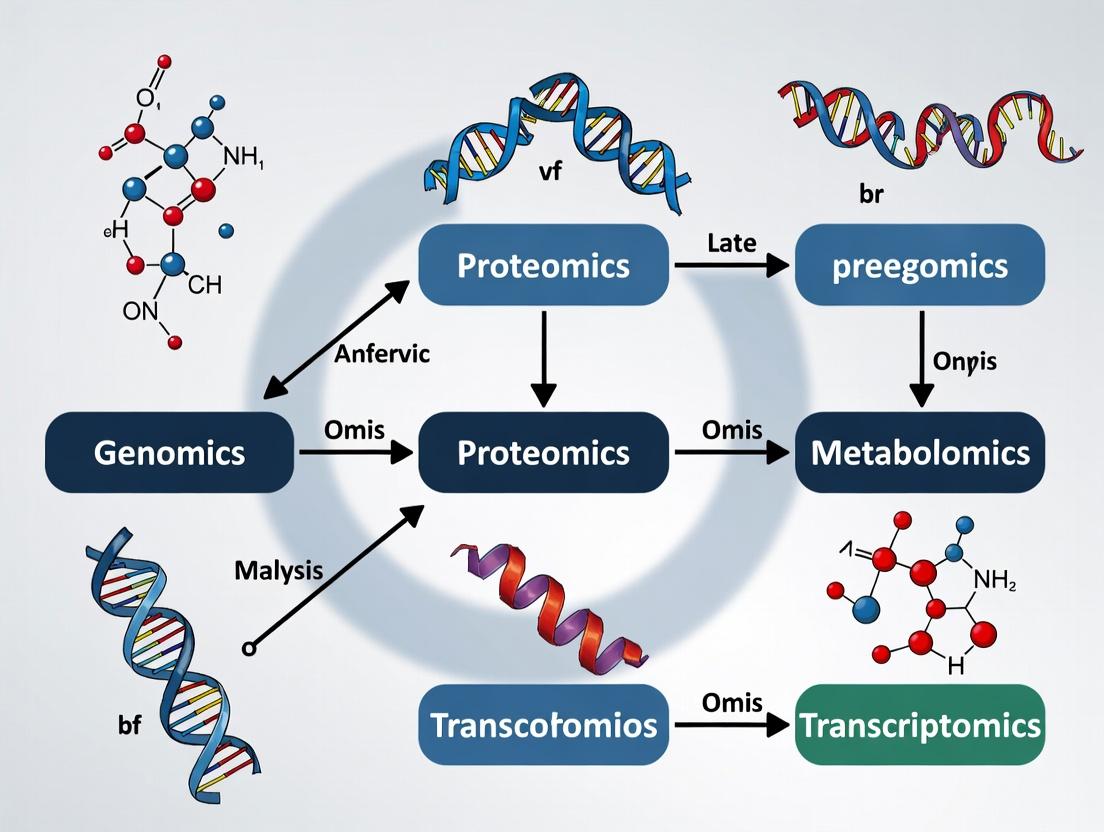
Multi-Omics in Translation: 4 Key Objectives to Bridge the Gap Between Bench and Bedside
This article provides a comprehensive roadmap for researchers, scientists, and drug development professionals on the strategic objectives of multi-omics studies in translational medicine.
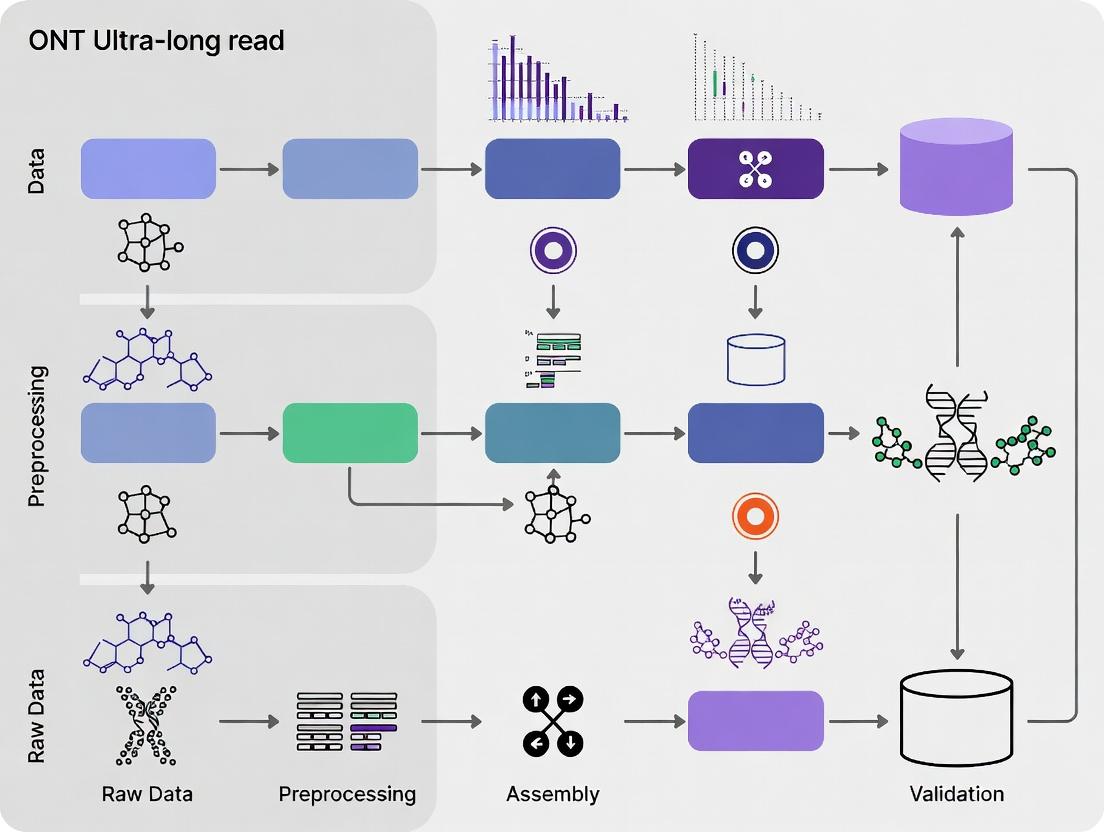
Complete Guide to ONT Ultra-Long Read Assembly: From Fundamentals to Clinical Applications in 2024
This comprehensive guide provides researchers and drug development professionals with a detailed workflow for Oxford Nanopore Technologies (ONT) ultra-long read assembly.

Building a Scalable Genome Assembly Pipeline with Nextflow: From Raw Reads to Polished Genomes
This article provides a comprehensive guide for researchers and bioinformaticians on implementing reproducible and scalable genome assembly pipelines using Nextflow.
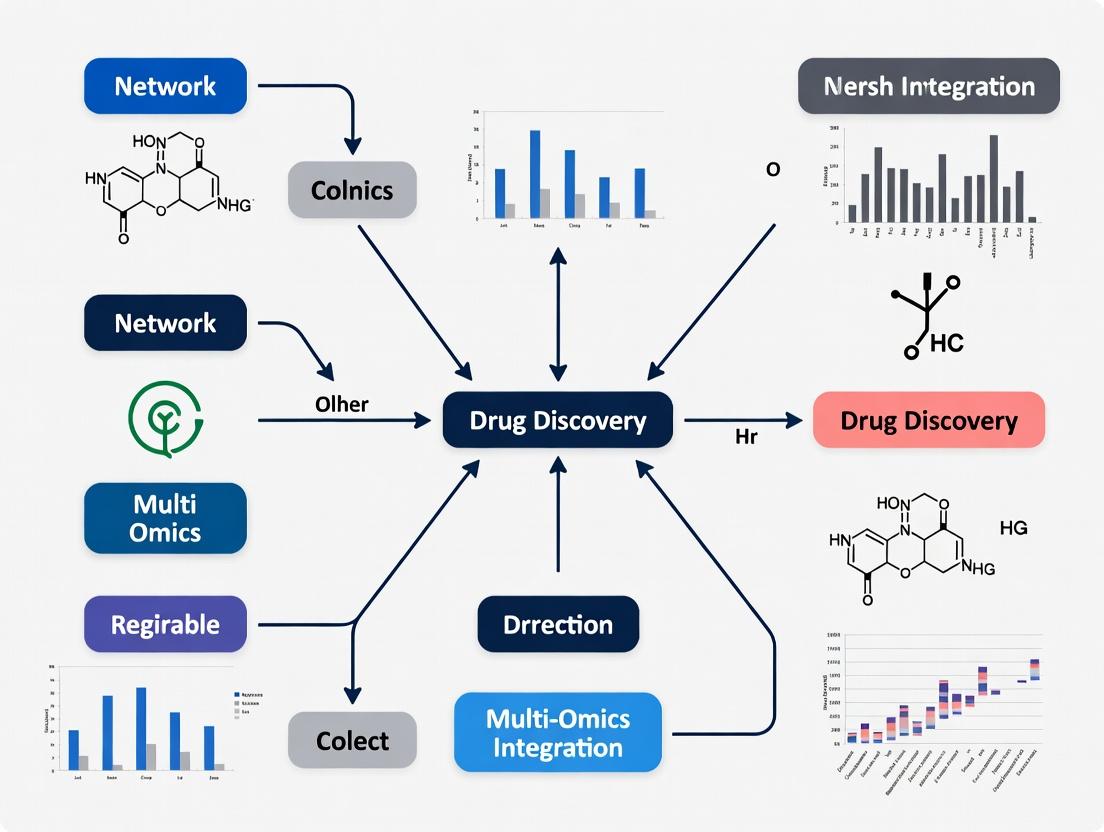
From Networks to Novel Therapies: A Comprehensive Guide to Multi-Omics Integration for Accelerated Drug Discovery
This article provides a comprehensive resource for researchers and drug development professionals on the application of network-based multi-omics integration in modern drug discovery.
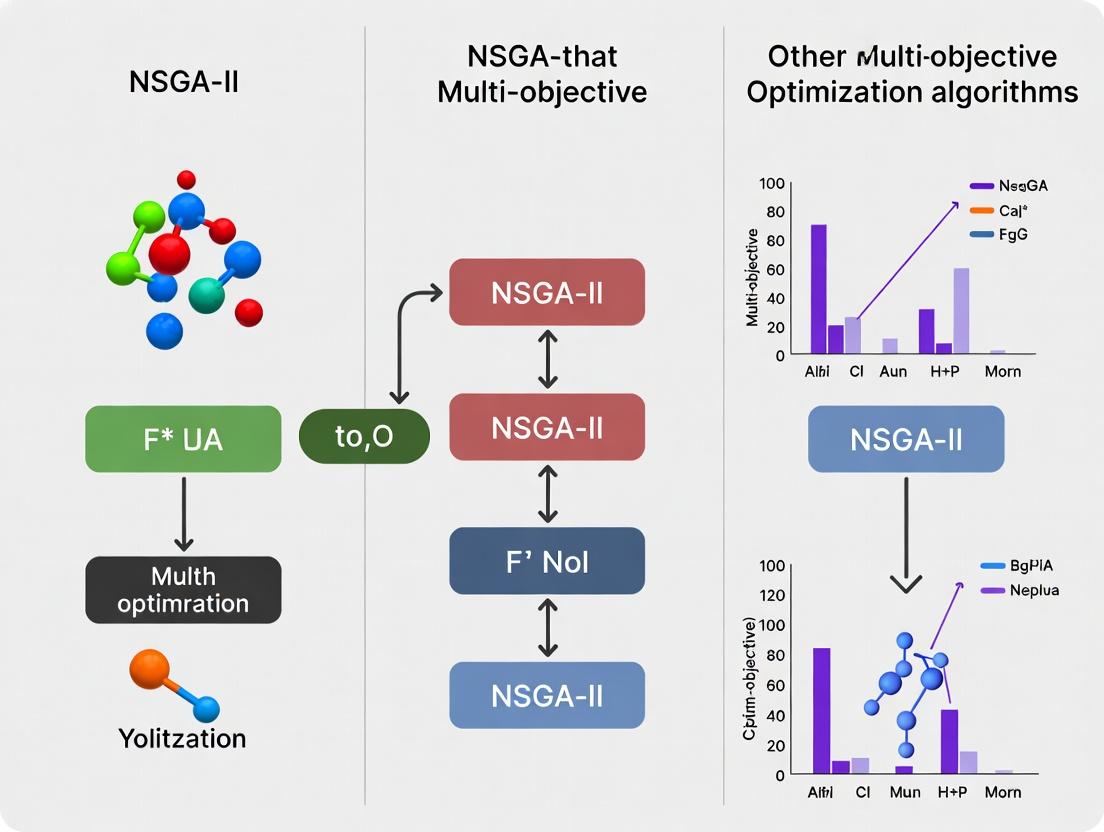
NSGA-II vs. Modern Multi-Objective Algorithms: A 2024 Guide for Biomedical Optimization
This article provides a comprehensive analysis of the Non-dominated Sorting Genetic Algorithm II (NSGA-II) compared to contemporary multi-objective optimization algorithms, tailored for researchers and professionals in drug development.
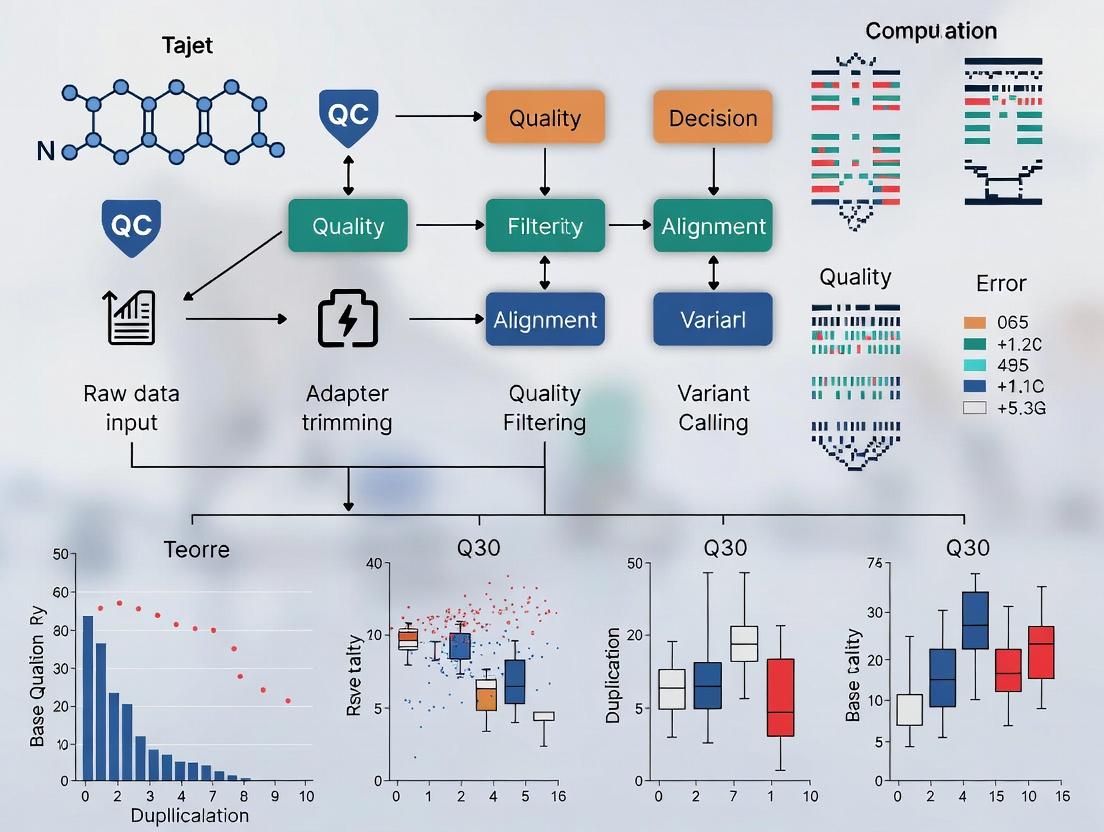
NGS Data Quality Control Best Practices: A Step-by-Step Guide for Reliable Bioinformatics Analysis
This comprehensive guide details NGS data quality control best practices for researchers, scientists, and drug development professionals.
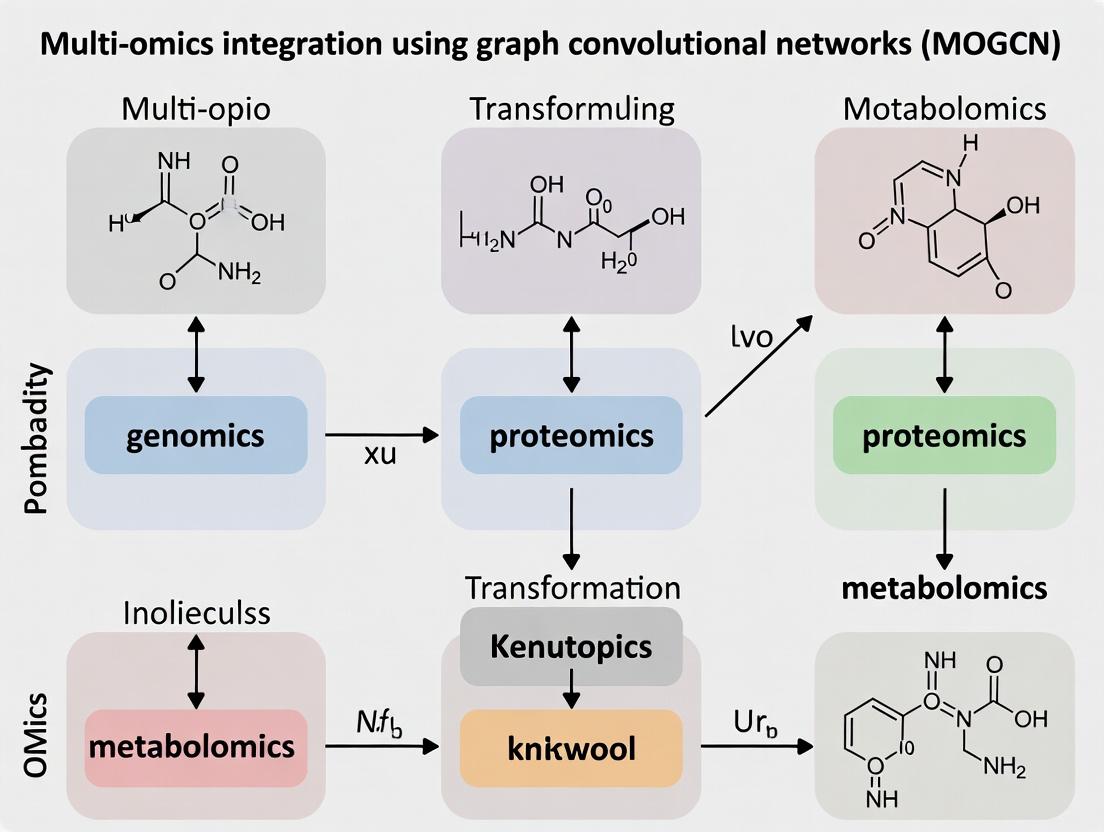
MOGCN Explained: How Graph Convolutional Networks Revolutionize Multi-Omics Integration for Precision Medicine
This article provides a comprehensive guide to Multi-Omics Graph Convolutional Networks (MOGCN), a cutting-edge approach for integrating diverse biological data.
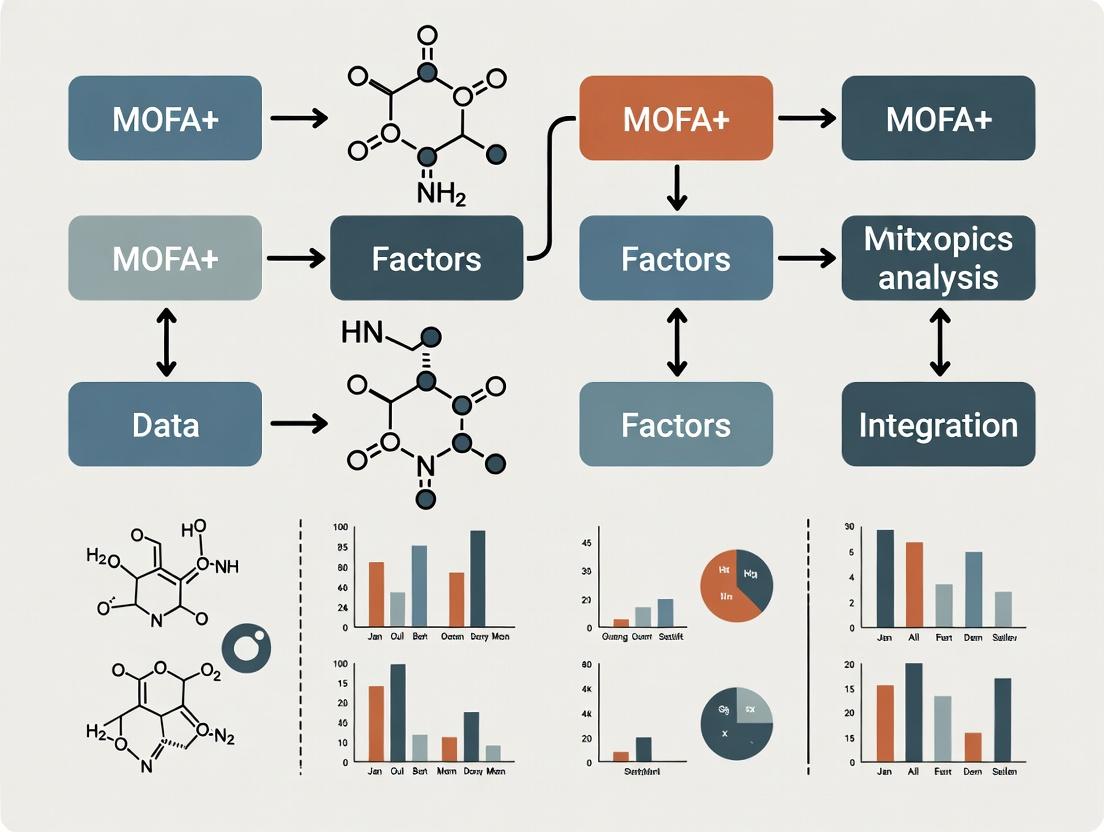
Complete MOFA+ Tutorial: A Step-by-Step Guide to Multi-Omics Integration for Biomedical Research
This comprehensive tutorial provides researchers, scientists, and drug development professionals with a practical guide to using MOFA+, a powerful statistical framework for unsupervised integration of multi-omics datasets.
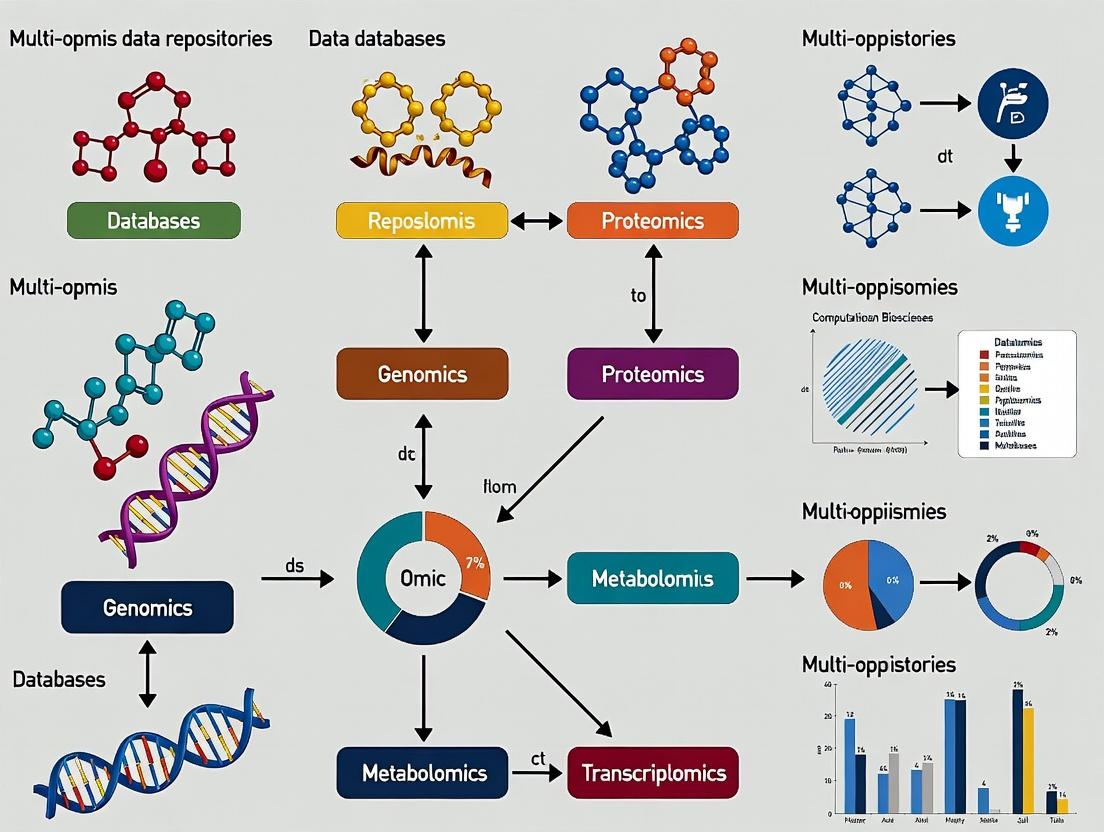
Navigating the Multi-omics Universe: A 2024 Guide to Essential Data Repositories and Databases
This comprehensive guide for researchers and drug development professionals explores the critical landscape of multi-omics data repositories.
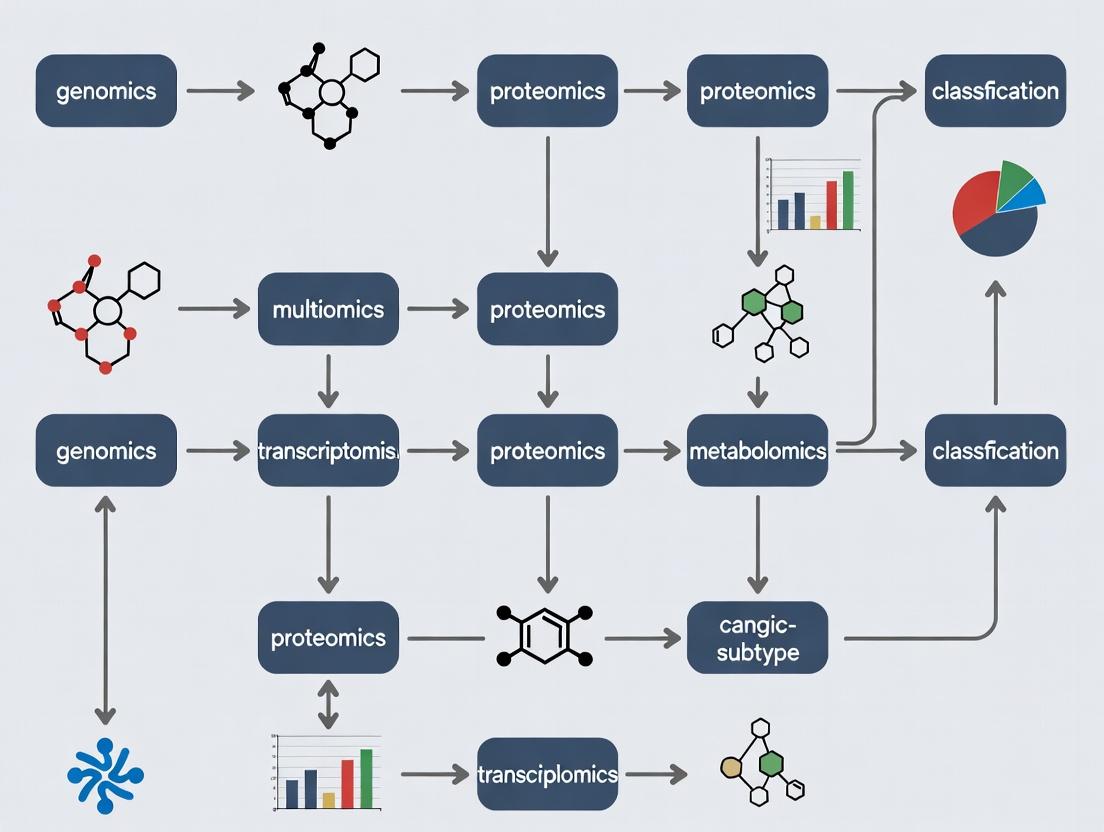
Integrating Multi-omics Data for Precision Oncology: A Comprehensive Guide to Cancer Subtype Classification
This comprehensive article addresses the critical challenge of classifying cancer subtypes through multi-omics data integration.